
GEICO vs Progressive: Which Auto Insurer Is Right for You?
GEICO vs Progressive: Which Auto Insurer Is Right for You?
You’re comparing GEICO vs Progressive and trying to figure out who will actually cost less and treat you fairly if you have a claim. Here’s what actually matters when choosing between these two popular auto insurers—and how to quickly see what you’d pay based on your car, driving history, and state.
Quick snapshot: GEICO vs Progressive (at‑a‑glance)
Both insurers are national, well-established, and typically competitive. The “better” choice depends on your driver profile and state.
GEICO strengths
- Often very competitive for good drivers with clean records
- Strong digital tools and highly rated mobile app; 24/7 phone support
- Military and federal employee discounts (eligibility varies by state)
- Mechanical Breakdown Insurance (an extended-repair coverage for newer cars) in some states
- Accident forgiveness (an add-on or earned benefit in many states)
Watch-outs: Fewer niche coverages than Progressive (like custom parts coverage), rideshare availability varies by state, and local in-person agents are limited since GEICO is mostly direct.
Progressive strengths
- Often flexible and competitive for drivers with accidents, tickets, or needing an SR‑22 (a state filing that proves you carry required insurance)
- Snapshot telematics program (optional app or device monitoring driving habits) with potential savings—can also raise rates for risky driving
- Unique coverages like custom parts/equipment and “Loan/Lease Payoff” (similar to gap coverage)
- Rideshare endorsement available in many states; some locations offer Concierge/Network repair services
Watch-outs: Snapshot can backfire if your driving metrics trend risky; quotes for very clean drivers may not always be the lowest.
Coverage options and typical add-ons
First, the core coverages are similar. Here’s what each means—then we’ll note extras where the companies differ.
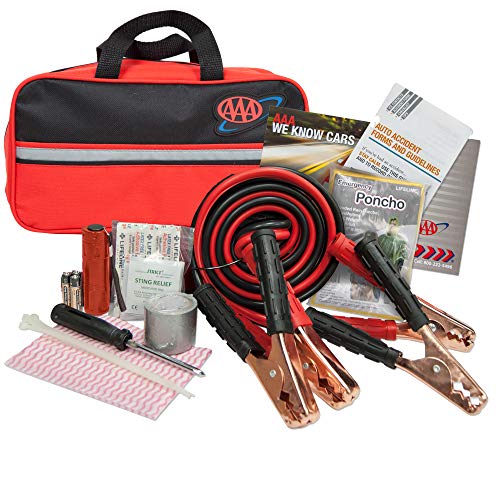
Lifeline AAA Premium Road Kit, 42 Piece Emergency Car Kit with Jumper Cables, Flashlight and First Aid Kit,4330AAA,Black : Everything Else
View on Amazon
Insurance For Dummies?: Hungelmann, Jack
Whether you’re a homeowner or ... need on: ... Author Jack Hungelmann <strong>uses his twenty-five years of experience in the insurance industry to make buying insurance as simple as possible</strong>
Check Price on Amazon- Liability: Pays others when you’re at fault. Bodily injury and property damage limits should be high enough to protect your assets.
- Collision: Repairs your vehicle after a crash, regardless of fault. Comes with a deductible (the amount you pay out of pocket before insurance pays).
- Comprehensive: Covers non-crash damage (theft, hail, fire, animal hits). Also has a deductible.
- Uninsured/Underinsured Motorist (UM/UIM): Protects you if the other driver has too little or no insurance.
- Personal Injury Protection (PIP): In no-fault states, pays medical costs for you/household passengers regardless of fault. Details vary widely by state.
- Medical Payments (MedPay): Limited medical coverage for you and your passengers, regardless of fault, in states without PIP.
Where GEICO and Progressive often differ:
- Rideshare coverage: Both offer it in many states. It fills the gap when you’re logged into Uber/Lyft but not yet carrying a fare. Availability and pricing depend on state.
- SR‑22 filings: Both can typically file an SR‑22 for you in states that require it after certain violations. There’s usually a small filing fee, and not all states use SR‑22s.
- Accident forgiveness: GEICO and Progressive both offer versions in many states; sometimes you can buy it, sometimes you earn it after a claim-free period. Rules and availability vary.
- Mechanical Breakdown Insurance (GEICO): For newer cars only, operates like an extended warranty for major mechanical components. Not available in all states; requires a deductible.
- Loan/Lease Payoff (Progressive): Similar to gap coverage; helps if your car is totaled and you owe more than it’s worth. Terms vary—ask how “actual cash value” and payoff are calculated.
- Custom parts/equipment (Progressive): Extra coverage for aftermarket upgrades (e.g., rims, sound systems). Useful for modified vehicles.
- Roadside assistance and rental reimbursement: Both offer these as optional add-ons. Roadside typically helps with tows, jump starts, lockouts; rental reimbursement helps pay for a temporary car while yours is being repaired after a covered claim.
- Pet injury (Progressive): Included with collision in many states—covers vet bills if your pet is hurt in a covered crash.
If you need a refresher on coverage basics, see our guide: Understanding Auto Insurance Coverage Types (/auto-insurance/understanding-auto-insurance-coverage-types).
Price and rates: how GEICO and Progressive compare
Here’s the honest truth: with GEICO vs Progressive, either one could be cheaper for you. Rates are built from dozens of variables:
- Driving history: Accidents, tickets, DUIs/DWIs strongly affect your premium.
- Location and mileage: Where you live and how much you drive matter—garaging ZIP code, traffic density, and theft rates all play a role.
- Vehicle type and cost to repair: Safety features, parts prices, and repair complexity affect comprehensive/collision rates.
- Age and household: Adding teen drivers typically raises rates; multi-car households can often save.
- Credit-based insurance score: Used in most states to predict claims. Banned in a few states (like California, Hawaii, Massachusetts). Rules vary by state.
- Coverage limits and deductibles: Higher liability limits and lower deductibles cost more; the opposite lowers the premium but increases your out-of-pocket risk.
- Continuous insurance: Lapses typically raise prices.
Typical patterns we see:
- Clean records, standard vehicles: GEICO is often a price leader, especially for straightforward driver profiles.
- Tickets/accidents or need for SR‑22: Progressive is frequently competitive and more flexible for nonstandard situations.
- Usage-based programs: Progressive Snapshot and GEICO DriveEasy can lower costs for low-mileage, smooth drivers—but can also raise rates if hard braking, speeding, or night driving patterns are risky. These programs are optional in most states.
Example: Say you’re a 35-year-old non-smoker in Texas with a clean record, driving a 2019 Honda CR-V and wanting 100/300/100 liability with $500 deductibles. In many cases, GEICO will quote very competitively. Change the profile to a recent at-fault accident or a required SR‑22, and Progressive often narrows the gap or becomes the lower option. Your results will vary by state and insurer underwriting.
Pro tip: Tools like Progressive’s “Name Your Price” can be helpful—but they often adjust coverage down to meet a budget. Verify you’re not underinsuring yourself just to hit a monthly number.
Discounts and savings programs
Both carriers stack multiple small discounts that add up. Eligibility and amounts vary by state and company.
Common discounts from both:
- Multi-policy (auto + home/renters) and multi-car
- Safe driver/accident-free
- Pay-in-full, autopay, paperless documents
- Defensive driving/driver training (in eligible states)
- Good student/student away at school
Distinctives:
- GEICO: Military and federal employee discounts; affinity group discounts through certain memberships; potential Mechanical Breakdown Insurance for newer vehicles.
- Progressive: Homeowner discount (even if your home isn’t insured with Progressive in many states); Snapshot telematics; custom parts coverage; rideshare endorsement often priced competitively.
Usage-based programs (telematics):
- Progressive Snapshot: App or device tracks driving habits (hard braking, time of day, phone use, mileage). Can produce significant savings for careful, low-mileage drivers; can raise rates for risky patterns.
- GEICO DriveEasy: App-based program with similar tracking metrics and potential discounts, also with the possibility of rate increases based on driving behavior in some states.
If you’re comfortable with driving data collection, telematics is one of the few ways to influence your rate quickly without changing vehicles or waiting for violations to age off.
Claims experience and customer service
Both GEICO and Progressive offer 24/7 claims reporting, photo estimates, and large repair networks. In some metropolitan areas, Progressive adds a Concierge or network repair service that coordinates estimates and repairs for you—handy if you want a single point of contact.

Vantrue N4 Pro S 4K 3 Channel Dash Cam w/Triple STARVIS 2, 4K+1080P+2.5K Front Inside Rear Dash Camera, 4+2.5K Dual Channel, HDR IR Night Vision, Voice Control, Parking Mode, GPS, Wi-Fi, Support 1TB : Electronics
View on AmazonWhat the data typically shows:
- Claims satisfaction: Independent surveys (like annual industry studies) often place both carriers around the industry average, with results varying by region and year. Some regions show one outperforming the other; it changes over time.
- Complaint levels: Public complaint indexes maintained by regulators often show both carriers near or slightly above the market average for private passenger auto, and this varies by state and year.
What matters to you day-to-day:
- Digital convenience: Both apps allow ID cards, bill pay, and claim updates. GEICO’s app is especially well-reviewed for ease of use; Progressive’s Snapshot is tightly integrated if you opt in.
- Repair options: Ask about OEM parts (original manufacturer) vs aftermarket, and whether the repair network guarantees work. Both typically offer some guarantees through preferred shops.
- Rental car access: If you buy rental reimbursement, confirm the daily limit and how to set up a vehicle quickly after a covered claim.
Real-world scenario: You’re rear-ended at a stoplight. With either company you can typically file via the app, upload photos, and choose a network shop. If liability is clear, you might use the at-fault driver’s insurance to avoid your deductible—or file with your own collision first for speed, then your insurer seeks reimbursement (called subrogation) and refunds your deductible if successful.
Pros and cons: who benefits most from each insurer
GEICO may fit best if you:
- Have a clean driving record and want straightforward, often-low rates
- Qualify for military or federal employee discounts
- Prefer a highly rated mobile app and 24/7 phone support
- Want the option for Mechanical Breakdown Insurance for a newer vehicle (where offered)
Potential trade-offs with GEICO:
- Rideshare availability and accident forgiveness vary by state
- Fewer niche coverages (e.g., custom parts) versus Progressive
- Limited local agent network if you prefer in-person service
Progressive may fit best if you:
- Have tickets/accidents or need an SR‑22 and want a carrier known for nonstandard flexibility
- Want Snapshot for potential usage-based savings (with the caveat that risky metrics can increase rates)
- Need add-ons like custom parts coverage or Loan/Lease Payoff
- Want widely available rideshare endorsements and optional Concierge repair services in some areas
Potential trade-offs with Progressive:
- Snapshot can raise rates if your data trends risky
- For very clean drivers, Progressive won’t always be the lowest quote
State considerations and regulatory notes
Auto insurance is state-specific. A few examples to keep in mind as you weigh GEICO vs Progressive:
- Minimum coverage and PIP: No-fault states require PIP (personal injury protection) with unique rules. For example, New Jersey has options around lawsuit thresholds and PIP selections. See Auto Insurance in New Jersey: Rates, Requirements & How to Save (/auto-insurance/auto-insurance-in-new-jersey-rates-requirements-save). Pennsylvania offers a “choice no-fault” system—learn more here: Auto Insurance in Pennsylvania: Rates, Requirements & How to Save (/auto-insurance/auto-insurance-in-pennsylvania-rates-requirements-save).
- Credit-based insurance scores: Banned in a few states (like California, Hawaii, and Massachusetts) and restricted in others. Where allowed, your credit-based insurance score can meaningfully affect your premium.
- Rating factors: Some states limit or ban the use of gender, education, or occupation. Rules change—check your state’s current regulations.
- SR‑22 requirements: Only some states use SR‑22 filings. If you need one, confirm the filing fee, how long you must carry it, and whether both insurers will file in your state.
- Repair and parts rules: States differ on disclosure and use of aftermarket vs OEM parts. If that’s important to you, ask how each company handles parts and whether preferred shops guarantee repairs.
Bottom line: the same driver can see different GEICO vs Progressive results simply by crossing a state line or changing PIP options. Always compare with your exact garaging ZIP and coverage choices.
How to compare quotes and smart next steps
The fastest way to see what you’d actually pay is to compare quotes from 3–5 carriers side-by-side with the same coverage limits and deductibles. Include both GEICO and Progressive, plus at least one strong regional insurer in your state.
What to look for when you compare:
- Liability limits: Aim for enough to protect your assets—often higher than state minimums. Match limits across quotes for a fair comparison.
- Deductibles: Compare apples-to-apples ($500 vs $1,000) so you see true price differences.
- Add-ons you’ll actually use: Rideshare, roadside, rental reimbursement, accident forgiveness, custom parts, Loan/Lease Payoff—only pay for what fits your situation.
- Telematics terms: If you try Snapshot or DriveEasy, understand how and when data can raise or lower rates.
- Repair options and parts policies: Ask about OEM parts, shop networks, guarantees, and whether photo estimates are accepted.
- Fees and filings: If you need an SR‑22, confirm filing costs and how long you must carry it.
Ready to compare? You can start here: Compare Car Insurance: Best Coverage and Price Today (/auto-insurance/compare-car-insurance) or get personalized rates fast: Car Insurance Quotes: Compare Rates & Get Personalized Quotes Fast (/auto-insurance/car-insurance-quotes-compare-rates).
If you prefer a quick educational overview before shopping, our explainer on how insurers operate and how to choose can help: Insurance Companies Explained: How They Work and How to Choose (/auto-insurance/insurance-companies-explained-how-they-work-and-how-to-choose).
Example quote scenarios
- Good driver, standard vehicle: GEICO often comes in very strong. Still, check Progressive—bundling with renters or taking Snapshot (and driving gently) can flip the result.
- One at-fault accident in the last three years: Progressive frequently narrows the price gap and sometimes wins, especially if you accept a rideshare endorsement or have custom parts.
- SR‑22 needed after a DUI: Both may file, but Progressive is often more flexible. Expect higher premiums regardless; telematics can help over time if you consistently drive safely.
Rates vary by driver, vehicle, and state—no company is always cheaper.
A quick word on personalized advice
Insurance isn’t one-size-fits-all. If you have complex needs (rideshare plus teen driver, specialty equipment, or you’re navigating PIP options in a no-fault state), speaking with a licensed agent in your state can clarify coverages and potential savings specific to your situation.
Your next step
- Gather your details: Drivers, VINs if handy, current limits/deductibles, and any tickets/accidents.
- Decide your target coverage (e.g., 100/300/100 liability, $500 deductibles) so quotes are comparable.
- Get 3–5 quotes—including GEICO and Progressive—then weight price against claims support and the add-ons you’ll actually use.
When you’re ready, get side-by-side quotes in minutes: Insurance Quotes: Compare & Get Accurate Quotes Fast (/auto-insurance/insurance-quotes-compare-accurate-fast).
You’ll quickly see whether GEICO or Progressive is the better fit for you—based on your real driving profile, in your state, with the coverages you care about.
Recommended Resources
Insurance For Dummies?: Hungelmann, Jack
Whether you’re a homeowner or ... need on: ... Author Jack Hungelmann <strong>uses his twenty-five years of experience in the insurance industry to make buying insurance as simple as possible</strong>
Vantrue N4 Pro S 4K 3 Channel Dash Cam w/Triple STARVIS 2, 4K+1080P+2.5K Front Inside Rear Dash Camera, 4+2.5K Dual Channel, HDR IR Night Vision, Voice Control, Parking Mode, GPS, Wi-Fi, Support 1TB : Electronics
[ 24/7 Parking Mode ] The N4 Pro S 3 channel dash cam <strong>provides round-the-clock security for your parked vehicle</strong>. Its buffered motion detection captures footage from 10ss before an eve
Lifeline AAA Premium Road Kit, 42 Piece Emergency Car Kit with Jumper Cables, Flashlight and First Aid Kit,4330AAA,Black : Everything Else
Amazon.com: <strong>Lifeline AAA Premium Road Kit</strong>, 42 Piece Emergency Car Kit with Jumper Cables, Flashlight and First Aid Kit,4330AAA,Black : Everything Else
Related Articles
- State Farm vs. GEICO: Which Auto Insurer Is Right for You?
- Progressive vs State Farm: Which Auto Insurer Is Best for You?
- USAA vs GEICO: Which Auto Insurer Is Best for You?
- Allstate vs State Farm: Which Insurer Is Right for You?
- Auto Insurance in Georgia: Rates, Requirements & How to Save
- Auto Insurance Quotes: Compare Rates & Get a Fast Free Quote
- Cheapest Car Insurance in Georgia: Compare Low Rates & Get Quotes
- Auto Insurance in Idaho: Rates, Requirements & How to Save