
USAA vs GEICO: Which Auto Insurer Is Best for You?
You’re choosing between USAA and GEICO and want a straight answer: Which one will actually be better for you? Here’s the short version. If you’re eligible for USAA (military members, veterans, and their families), USAA typically wins on price and service. If you’re not eligible, GEICO is one of the most affordable options for the general public. But “USAA vs GEICO” comes down to your driver profile, your state, and how you value things like claims handling, discounts, and digital tools.
Ready to see real numbers for your situation? The fastest way to confirm is to compare actual quotes from both carriers and a few others.
Quick comparison snapshot — who wins for price, service, eligibility
- Price (overall):
- Often USAA for eligible drivers, especially military families and long-time members
- GEICO is frequently among the lowest for the general public
- Eligibility:
- USAA: limited to military members, veterans with eligible discharge, and their families
- GEICO: open to everyone with a valid license (plus a military discount in many states)
- Discounts:
- USAA: strong military-specific savings (like vehicle storage during deployment), SafePilot telematics
- GEICO: broad everyday discounts, large affinity network, DriveEasy telematics
- Claims & service:
- USAA: typically top customer satisfaction among insurers, especially for claims service
- GEICO: solid digital experience; service satisfaction generally around industry average or better, depending on region
- Coverage features:
- Both offer the basics (liability, collision, comprehensive), plus common add-ons; GEICO also offers mechanical breakdown coverage (for newer cars) in many states
- Financial strength:
- Both carry excellent financial strength ratings from major agencies
Pro tip: If you’re eligible for USAA, get a quote there first—then compare it to GEICO and 1–2 others to make sure you’re not leaving money on the table.
Who can buy from USAA vs GEICO? Membership & eligibility explained
- USAA: You must be eligible to become a member. That typically includes:
- Active-duty, Guard, and Reserve members
- Veterans with an eligible (generally honorable) discharge
- Spouses and children of USAA members (eligibility can pass down)
- Membership is required to purchase insurance
- GEICO: No membership required. Anyone with a valid driver’s license can request a quote. GEICO also offers a military discount in many states, but it’s not restricted to members.
If you don’t have a military connection, GEICO is the easy “yes” to get on your quote list.
Coverage options & policy features
Both USAA and GEICO offer the core auto coverages you expect:
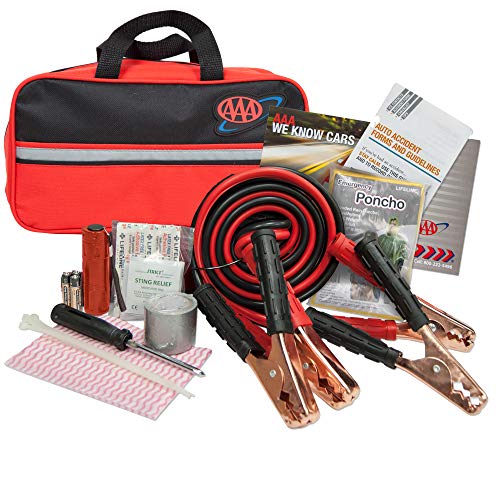
Lifeline AAA Premium Road Kit, 42 Piece Emergency Car Kit with Jumper Cables, Flashlight and First Aid Kit,4330AAA,Black : Everything Else
View on Amazon
Insurance For Dummies?: Hungelmann, Jack
Whether you’re a homeowner or ... need on: ... Author Jack Hungelmann <strong>uses his twenty-five years of experience in the insurance industry to make buying insurance as simple as possible</strong>
Check Price on Amazon- Liability coverage: Pays for injuries or damage you cause to others. Limits are shown as three numbers (like 100/300/100), meaning per-person bodily injury, per-accident bodily injury, and property damage. Consider raising limits above your state minimum if you have assets to protect.
- Collision: Pays to repair your car after a crash. You pick a deductible (the amount you pay out of pocket before insurance kicks in), often $500–$1,000.
- Comprehensive: Covers non-crash damage—like theft, hail, fire, or hitting a deer. Also has a deductible.
- Uninsured/Underinsured Motorist (UM/UIM): Helps if a driver who hits you has no insurance or too little insurance.
- Medical Payments (MedPay) or Personal Injury Protection (PIP): Helps with medical bills for you and your passengers, regardless of fault. PIP is required in some states (like Florida), while MedPay is optional in many.
Common add-ons available from both, depending on your state:
- Roadside assistance: Towing, lockouts, flat tires.
- Rental reimbursement: Helps cover a rental car while your vehicle is in a covered repair.
- Rideshare endorsement: Extends coverage if you drive for Uber/Lyft.
- Accident forgiveness: In many states, protects your rate from your first at-fault accident (limits and eligibility vary).
- Telematics programs: USAA SafePilot and GEICO DriveEasy use a smartphone app to score driving and may offer discounts for safe habits.
- Glass coverage: In some states, special options for windshield chip or crack repair.
- Newer-car extras: GEICO offers Mechanical Breakdown Insurance in many states for newer vehicles, which can help with major mechanical failures beyond standard wear-and-tear (not the same as collision/comprehensive).
Want a deeper dive into how these coverages work? See our explainer: Understanding Auto Insurance Coverage Types (/auto-insurance/understanding-auto-insurance-coverage-types).
Price & discounts: how USAA and GEICO compare (by driver profile)
Rates vary by state, driving history, vehicle, mileage, credit-based insurance score (where allowed), and even your exact ZIP code. So treat the examples below as directional, not promises.
What we typically see in many states:
- Clean driving record, mid-30s driver with good credit: USAA often edges out GEICO on price for eligible members. GEICO is often among the lowest for non-military drivers.
- Young drivers (teens/20s): Both can be competitive. USAA tends to price well for military families adding a teen. GEICO’s good student, driver training, and DriveEasy telematics can help.
- Recent at-fault accident or speeding ticket: Both carriers raise rates. Accident forgiveness (if you qualify and it’s available in your state) may cushion the blow.
- Low-mileage drivers: Telematics programs (SafePilot or DriveEasy) can provide savings if you consistently drive safely and less frequently.
Illustrative scenarios (your results will differ):
- 35-year-old driver in Texas, clean record, full coverage on a midsize SUV: We often see USAA come in slightly lower than GEICO for eligible members. GEICO is frequently very competitive and can beat USAA depending on ZIP, vehicle, and discount eligibility.
- 20-year-old college student on a parent’s policy: USAA can be a strong value for military families, especially when stacking good student and multi-vehicle discounts. GEICO can also price well here, especially with telematics and good student savings.
- Driver with one recent speeding ticket: Expect a noticeable bump with either company. Many drivers see telematics help offset some of that increase over time with consistently safe driving.
Discounts to know (availability varies by state):
- USAA: Military installation/on-base discount, vehicle storage during deployment, loyalty and legacy (children of members), safe driver, good student, defensive driving course, multi-vehicle, and bundling with homeowners or renters.
- GEICO: Good driver, multi-vehicle, multi-policy (home/renters), good student, defensive driving course, military/federal employee, membership/affinity organizations, and telematics via DriveEasy.
A note on credit-based insurance scores: Most states allow insurers to consider credit-based insurance scores when pricing. A few don’t (for example, California, Hawaii, and Massachusetts prohibit it for auto pricing). If your credit has improved, requoting can pay off. If it’s declined, telematics and bundling may soften the impact.
If your top priority is savings, cast a slightly wider net. Our step-by-step guide on how to find lower-cost carriers can help: Find the Cheapest Insurance Company (/auto-insurance/cheapest-insurance-company).
Customer service, claims handling & complaints
- J.D. Power satisfaction: USAA consistently posts very high satisfaction scores in auto insurance studies and often leads in claims satisfaction among companies measured—though it’s sometimes not officially ranked because it isn’t open to the general public. GEICO’s customer satisfaction typically lands around industry average to above average depending on the region, with especially strong marks for digital experience.
- NAIC complaint data: In most recent years, USAA tends to draw fewer complaints than expected for its size, while GEICO is generally around average—though this can vary by state and product line.
- Digital tools: Both apps are robust for ID cards, roadside requests, and claims. GEICO’s app is widely praised for ease-of-use and quick digital features; USAA’s app is also highly rated and integrates well if you use other USAA banking products.
- Repair networks: Both maintain preferred repair networks and offer streamlined claims options. You can typically use your own shop, but network facilities may come with faster processing; always confirm any parts or workmanship guarantees before authorizing repairs.
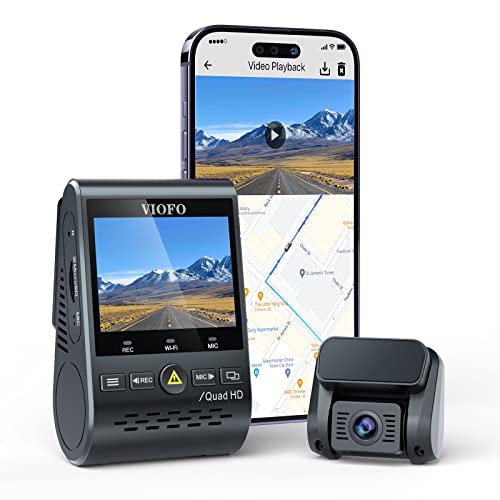
VIOFO Dual Dash Cam, 2K 1440P 60fps+1080P 30fps Front and Rear Dash Camera with Wi-Fi GPS, Parking Mode, Emergency Recording, Super Capacitor, Motion Detection (A129 Plus Duo) : Electronics
View on AmazonWhat actually matters for you: How fast the carrier communicates, whether they support your preferred repair shop, rental coverage during repairs, and how easy it is to submit photos/estimates via the app.
Financial strength & company stability
Both companies are exceptionally strong financially.
- USAA: Typically rated A++ (Superior) by A.M. Best and AA+ by S&P Global Ratings
- GEICO: Typically rated A++ (Superior) by A.M. Best and AA+ by S&P Global Ratings
High ratings don’t tell you your price, but they do signal the company’s ability to pay claims—even in large-scale events.
For more on how insurers operate and what those ratings mean, see: Insurance Companies Explained: How They Work and How to Choose (/auto-insurance/insurance-companies-explained-how-they-work-and-how-to-choose).
Which insurer is best for different drivers
- Military families: USAA usually. The combination of member pricing, deployment-friendly features (like vehicle storage discounts), and strong claims satisfaction is hard to beat. If you’re stationed or moving frequently, USAA’s military-aware service can be a plus.
- Non-military drivers hunting for a low premium: GEICO is a must-quote. It’s often one of the lowest-priced national carriers for drivers with clean records.
- Young drivers and students: If you’re eligible, USAA is often competitive when adding a teen to a family plan. Without military eligibility, GEICO’s discounts and telematics can keep costs in check.
- Retirees and low-mileage drivers: Both can price well here. If you log fewer miles and drive during daylight hours, telematics (SafePilot or DriveEasy) may reward your habits.
- High-risk drivers (accidents, DUIs, SR-22 filings): Neither specializes in high-risk, but both can sometimes file an SR-22 (a state form proving you carry minimum liability). Prices can jump significantly; it’s smart to get multiple quotes. If one declines, try regional carriers too.
- Rideshare drivers: Check state availability for rideshare endorsements. Both offer options in many states; confirm that the gap between “app on” and “en route” is covered.
- New car owners and EV drivers: GEICO’s Mechanical Breakdown Insurance (where offered) can add protection for major mechanical failures on newer cars. If OEM parts (original manufacturer parts) matter to you after a crash, ask both companies how that’s handled and whether you can choose a shop that uses OEM parts.
If you’re also cross-shopping mainstream options beyond USAA, our side-by-side of two popular public carriers may help: State Farm vs. GEICO (/auto-insurance/state-farm-vs-geico-which-auto-insurer-right-for-you).
How to compare USAA vs GEICO the smart way
Prioritize these factors:
- Your coverage limits vs. your assets: If you own a home or have savings, consider higher liability limits (e.g., 100/300/100 or more).
- Deductibles you can comfortably pay: A higher deductible usually lowers premium—but make sure you could actually cover it in an emergency.
- Telematics fit: If you’re a consistently cautious driver, SafePilot or DriveEasy may cut your rate; if you brake hard or drive late at night, the savings may be smaller.
- Bundling potential: Homeowners or renters insurance bundled with auto can add worthwhile discounts with either company.
- Vehicle and commute: Newer, higher-value cars cost more to insure; long daily commutes increase risk. Work-from-home drivers may benefit from lower annual mileage ratings.
- State factors: Minimum coverage requirements, PIP/MedPay rules, and even weather risks differ by state. Check what’s required before you set limits.
Want quick apples-to-apples pricing? Start with the same coverage on each quote—then adjust limits and deductibles to see the real trade-offs. You can start here: Car Insurance Quotes: Compare Rates & Get Personalized Quotes Fast (/auto-insurance/car-insurance-quotes-compare-rates).
How to get quotes and switch: step-by-step
- Gather your info:
- Driver details: License numbers, dates of birth, and driving history for everyone on the policy
- Vehicle details: VINs if available, or year/make/model and mileage
- Current coverage: Your current limits and deductibles (check your declarations page)
- Garaging address and commute miles
- Pull 3–5 quotes, including USAA (if eligible) and GEICO:
- Use the same coverage limits and deductibles for a fair comparison
- Try a telematics quote if you’re comfortable with app-based tracking
- Compare the details beyond price:
- Are the liability limits truly the same?
- What are the deductibles for collision and comprehensive?
- Which discounts applied—and are there others you can qualify for with a small action (defensive driving course, verifying mileage, paperless billing)?
- Claims support in your state: Ask about local repair networks, rental reimbursement options, and estimated claim cycle times
- Check state-specific requirements before switching:
- Minimum liability limits vary by state. For example, Texas typically requires at least 30/60/25, while Florida focuses on PIP and property damage liability.
- If you need an SR-22: Confirm which insurer will file it and any fees involved.
- In some states, you must show proof of insurance before registering a vehicle or renewing plates.
- Time the switch correctly:
- Never cancel your old policy until the new one is active and you’ve received ID cards
- Pro-rate refunds: If you paid in full, you’ll typically receive a refund for unused time after cancellation
- Update your lienholder/lease company with new proof of insurance if you finance or lease
- Lock in savings for the long run:
- Set reminders to requote every 12–18 months, or after life changes (move, new car, teen driver)
- Keep telematics active if it’s saving you money
- Consider raising your deductible once you’ve built an emergency fund
Looking for a quick start? Get side-by-side pricing in minutes: Car Insurance Quotes: Compare Rates & Get Personalized Quotes Fast (/auto-insurance/car-insurance-quotes-compare-rates).
The bottom line on USAA vs GEICO
- If you’re eligible for USAA, it often delivers a compelling mix of lower prices, military-friendly benefits, and excellent satisfaction. Still compare, because local market quirks mean GEICO or another carrier could beat it for your exact profile.
- If you’re not eligible for USAA, GEICO is a top contender for value—especially for clean records and drivers who’ll do well with DriveEasy telematics.
If you want help tailoring coverage to your situation, it’s always smart to speak with a licensed agent who can review your state’s rules and your financial picture.
Next step: Compare real quotes from USAA (if eligible), GEICO, and 1–3 others. It’s the only way to see what you would actually pay today—and it typically takes less than 10 minutes.
More resources to help you decide:
- Car Insurance Quotes: Compare Rates & Get Personalized Quotes Fast (/auto-insurance/car-insurance-quotes-compare-rates)
- Understanding Auto Insurance Coverage Types (/auto-insurance/understanding-auto-insurance-coverage-types)
- Find the Cheapest Insurance Company (/auto-insurance/cheapest-insurance-company)
Recommended Resources
Insurance For Dummies?: Hungelmann, Jack
Whether you’re a homeowner or ... need on: ... Author Jack Hungelmann <strong>uses his twenty-five years of experience in the insurance industry to make buying insurance as simple as possible</strong>
VIOFO Dual Dash Cam, 2K 1440P 60fps+1080P 30fps Front and Rear Dash Camera with Wi-Fi GPS, Parking Mode, Emergency Recording, Super Capacitor, Motion Detection (A129 Plus Duo) : Electronics
Buy VIOFO Dual Dash Cam, 2K 1440P 60fps+1080P 30fps Front and Rear Dash Camera with <strong>Wi-Fi GPS, Parking Mode</strong>, Emergency Recording, Super Capacitor, Motion Detection (A129 Plus Duo): On
Lifeline AAA Premium Road Kit, 42 Piece Emergency Car Kit with Jumper Cables, Flashlight and First Aid Kit,4330AAA,Black : Everything Else
Amazon.com: <strong>Lifeline AAA Premium Road Kit</strong>, 42 Piece Emergency Car Kit with Jumper Cables, Flashlight and First Aid Kit,4330AAA,Black : Everything Else
Related Articles
- State Farm vs. GEICO: Which Auto Insurer Is Right for You?
- GEICO vs Progressive: Which Auto Insurer Is Right for You?
- Progressive vs State Farm: Which Auto Insurer Is Best for You?
- Allstate vs State Farm: Which Insurer Is Right for You?
- VA Life Insurance Options: A Guide to Coverage for Veterans and Families
- Life Insurance for Veterans: Coverage Options, Costs, and How to Choose
- Find the Cheapest Insurance Company: A Practical Guide
- Best Home Insurance 2026: Top Picks, How to Choose & Get Quotes