
Best Life Insurance: Top Picks & How to Choose (2026 Guide)
You want the best life insurance for your family, but the quotes, jargon, and options can feel like a maze. Here’s what actually matters when choosing the best life insurance in 2026—and how to compare providers with confidence, avoid common pitfalls, and get a fair price.
Who this guide is for—and what “best” really means
“Best life insurance” doesn’t mean the same thing for everyone. For a young family, the best may be a simple, affordable 20- or 30-year term policy (term = coverage for a set number of years, with no savings component). For a high-net-worth household, the best could be a permanent policy like whole life (permanent coverage with a cash value savings component you can borrow against) or guaranteed universal life (permanent coverage focused on lifetime guarantees, often with minimal cash value).
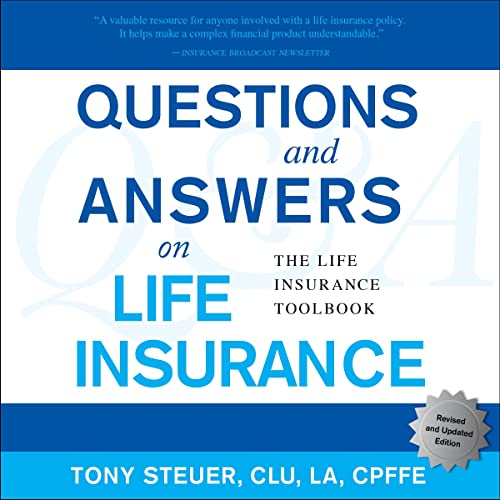
Questions and Answers on Life Insurance: Steuer, Tony
*Amazon Best Seller in Life Insurance* Questions and Answers on Life Insurance is <strong>an extremely useful and one of a kind resource for anyone looking for a simple way to understand life insuranc
Check Price on AmazonThis guide is for you if:
- You’re ready to compare quotes and want clear picks by category
- You’re deciding between term and permanent coverage
- You’ve been declined or rated up before and need underwriting-friendly options (underwriting = the insurer’s review of your health/lifestyle to decide eligibility and price)
- You’re a senior seeking final expense (small permanent policies designed to cover funeral and end-of-life costs)
We’ll show our top picks, how we chose them, a side-by-side comparison, and practical steps to get covered—without overpaying.
Best life insurance: our quick picks for 2026
These are our category leaders based on price competitiveness, financial strength, underwriting flexibility, customer experience, and policy features. Actual fit—and price—depends on your age, health, state, and coverage amount.
- Best Term Life (overall value): Banner Life (Legal & General America) or Protective
- Why: Typically among the lowest term rates across ages with strong financial ratings and broad term lengths (10–40 years).
- Best No-Exam Term (fast online): Haven Life
- Why: Accelerated underwriting (a faster approval process, often no medical exam if you qualify) up to typical coverage limits, strong digital experience.
- Best Whole Life (long-term stability): MassMutual or New York Life
- Why: Strong financial strength, robust participating whole life options (potential annual dividends are not guaranteed), long track records.
- Best Universal Life (lifetime guarantees): Pacific Life or Protective (Guaranteed UL)
- Why: Competitive guaranteed universal life designs focused on lifetime coverage at relatively efficient premiums.
- Best Final Expense (simplified issue): Mutual of Omaha
- Why: Simplified underwriting (short health questionnaire; no medical exam), immediate coverage in most cases, issue ages often up to 85.
- Best for Seniors (age 60+): Mutual of Omaha (final expense) or Protective/Pacific Life (GUL)
- Why: Seniors often want either affordable lifetime coverage (GUL) or small simplified permanent policies for end-of-life costs.
- Best Budget Option (low-cost term): Banner Life or Protective
- Why: Consistently competitive term rates for healthy applicants in many states.
Note: Picks reflect our 2025–2026 analysis and typical market patterns. Company availability and underwriting programs vary by state and can change.
If you’re still choosing between term and whole life, this explainer will help: Term vs. Whole Life Insurance: Which Is Right for You?
How we chose the winners: criteria, ratings, and data sources
We rate life insurers across five pillars:
- Price competitiveness
- We analyzed sample quotes (where publicly available) for common scenarios (e.g., $250,000 to $1,000,000 level term, ages 25–60; healthy non-smoker vs. controlled medical conditions). Prices vary widely by health class (your risk category, like Preferred Plus, Preferred, Standard) and state.
- Financial strength
- We favored carriers with strong third-party financial ratings (typically A or better from AM Best) indicating claims-paying ability.
- Underwriting flexibility
- We looked for accelerated/no-exam paths (no medical exam if you qualify); thoughtful treatment of conditions like sleep apnea, build (height/weight), blood pressure, cholesterol, well-managed diabetes; and fewer hoops for clean driving records.
- Customer experience
- Considered NAIC complaint index trends (lower is better), J.D. Power studies (where applicable), and agent/consumer feedback on service and claims. Individual experiences vary.
- Policy features
- Convertibility (the ability to convert term to permanent coverage without a new medical exam during a set window)
- Core riders (add-on benefits for an extra cost), like:
- Accelerated death benefit: you can access part of the death benefit if diagnosed with a qualifying terminal illness
- Waiver of premium: premiums are waived if you become totally disabled as defined in the policy
- Child term rider: small coverage for children under one policy
- Chronic/critical illness riders: access to benefits if you meet serious illness triggers (definitions vary by state and carrier)
Data sources included: carrier product guides and rate filings, AM Best/S&P/Moody’s ratings (as of 2025–2026 where available), NAIC complaint data, and carrier/agency quote engines. Always verify current details with a licensed agent or the insurer.
Compare top providers side-by-side
Below is a high-level snapshot for shoppers. Details change often; treat this as a starting point and verify current underwriting rules and rates for your profile.
Sample profile for term “rate feel”: 35-year-old non-smoking male, good health, $500,000, 20-year level term. Your actual price can be higher or lower based on your age, health, state, benefit amount, and risk class.
| Company | Best For | Sample Term Rate (monthly) | Policy Types | Notable Riders | Typical Issue Ages | Medical Exam? |
|---|---|---|---|---|---|---|
| Banner Life | Low-cost term | ~$20–$30 | Term; some permanent via partners | Accelerated death benefit, waiver of premium, child rider | Term often to 75–80 | Often exam for larger amounts; accelerated path available for some applicants |
| Protective | Budget term & GUL | ~$22–$32 | Term, UL/GUL, IUL | Chronic/terminal illness riders, waiver of premium | Term often to 75 | Exam common for higher amounts; some accelerated underwriting |
| Pacific Life | Lifetime guarantees | n/a (focus on GUL/UL) | UL/GUL, IUL, VUL, term (via PacLife products where available) | Strong permanent riders; policy customization | Varies by product | Medical exam common for permanent; case-by-case |
| Mutual of Omaha | Final expense & simplified | n/a (final expense) | Whole life (final expense), term, UL | Accelerated death benefit on many policies | Final expense often to 85 | Final expense is no-exam with health Q’s; term/permanent may require exam |
| Haven Life | Fast online term | ~$21–$31 | Term (digital) | Accelerated death benefit | Term typically up to early 60s | No-exam possible if you qualify; some require exam |
| New York Life | Participating whole life | n/a (agent-sold) | Whole life, UL, term | Waiver of premium, chronic care riders | Often to 90+ for WL | Exams common for higher amounts |
| Lincoln Financial | High face amounts & riders | ~$24–$36 | Term, UL/IUL/VUL | Broad rider menu incl. chronic illness | Term often to 75 | Exams common; some accelerated programs |
Notes:
- “UL” = universal life (flexible premiums/cash value). “GUL” = guaranteed universal life (lifetime coverage focus). “IUL/VUL” = indexed/variable universal life (cash value growth tied to indexes or markets; VUL has investment risk).
- Rates shown are broad, non-binding samples for a specific profile; your rates can differ significantly.
Want a quick read on whole life before you compare? See Whole Life Insurance Explained: Benefits, Costs, and How to Buy
Which policy is right for you? 5 common scenarios
Here’s how we’d think about it if we were advising a friend. Always confirm details with a licensed agent who can review your health and goals.
- Young family, first mortgage
- Goal: Income replacement and mortgage protection while kids are at home.
- Typical fit: 20- to 30-year level term (level term = your premium and coverage stay the same during the term).
- How much? Many aim for 10–15× annual income, plus major debts and childcare/college goals.
- Example: Say you’re 30, healthy, and want $750,000 for 30 years. You might see quotes in the $28–$55/month range for women and $32–$65/month for men, depending on health class and state.
- Nice-to-have: Convertibility window (to permanent later without a new exam), waiver of premium rider.
- Single parent, tight budget
- Goal: Protect kids affordably; keep cash flow stable.
- Typical fit: 20-year level term, possibly laddered (laddering = combining two or three term policies with different lengths so coverage steps down as needs shrink) to save money.
- Watch-outs: Don’t overbuy riders you won’t use. Consider a child term rider for low-cost child coverage under one policy.
- Example: A 35-year-old non-smoking mom seeking $500,000 for 20 years might see ~$17–$35/month depending on health class.
- High-net-worth household (estate planning/legacy)
- Goal: Provide liquidity for estate taxes, business succession, trusts, or long-term legacy.
- Typical fit: Guaranteed universal life (lifetime death benefit with minimal cash value) for efficiency; or participating whole life for long-horizon cash value with potential dividends (not guaranteed). Consider trust ownership.
- Watch-outs: Illustration assumptions (for IUL/VUL/whole life) are not guarantees. Review fees, funding levels, and policy testing with your advisor.
- Small business owner
- Goal: Key person protection, buy-sell agreements, and family security.
- Typical fit: Term for key person coverage and loans; permanent (GUL/whole) for funding a buy-sell or executive benefits.
- Tip: Align coverage amounts with revenue dependence and debt. For buy-sell, coordinate policy ownership and beneficiary design with your attorney/CPA.
- Seniors (60+)
- Goal: Final expenses, debts, or modest legacy; simplify underwriting.
- Typical fit: Final expense whole life (simplified issue, smaller face amounts), or GUL for larger, efficient lifetime coverage.
- Watch-outs: Guaranteed issue policies (no health questions) have graded benefits (limited payout) in the first 2 years—understand the waiting period.
For deeper shopping steps and to request quotes, visit: Life Insurance: How to Choose the Right Policy and Get Quotes
How to get the best price (without cutting needed coverage)
- Compare 3–5 carriers side-by-side. The fastest way to see what you’d actually pay is to compare quotes in minutes. Prices vary by insurer even for identical profiles.
- Choose the right term length, not just the lowest price. Undershooting the term often leads to an expensive renewal later.
- Consider medical exam vs. no-exam trade-offs. No-exam (accelerated) can be fast, but the best rates often require a brief medical exam (blood/urine, vitals). If you’re in very good health, an exam can unlock better pricing.
- Improve insurability where you can:
- Tobacco: Quitting for 12 months (or longer) can move you into non-smoker rates.
- Blood pressure/cholesterol: Stable readings on treatment are usually fine; uncontrolled numbers raise rates.
- Height/weight (build): Small changes can bump you into a better health class.
- Driving: DUIs, reckless driving, or multiple tickets in the last 3–5 years can raise rates. Clean time helps.
- Time your application. Some carriers use “age nearest” rules—if you’re about to have a half-birthday that rounds your age up, applying now can avoid higher age-based pricing.
- Pay annually if cash flow allows. Many carriers discount annual vs. monthly billing.
- Avoid extras you won’t use. Riders cost money—add only what you need.
- Ladder coverage as your needs decline. Two policies (e.g., $500k for 30 years + $500k for 15 years) can cost less than a single $1M for 30 years.
- Work with a licensed, independent agent or a reputable online marketplace. They can pre-screen your health history and match you to carriers that are friendlier to your profile.
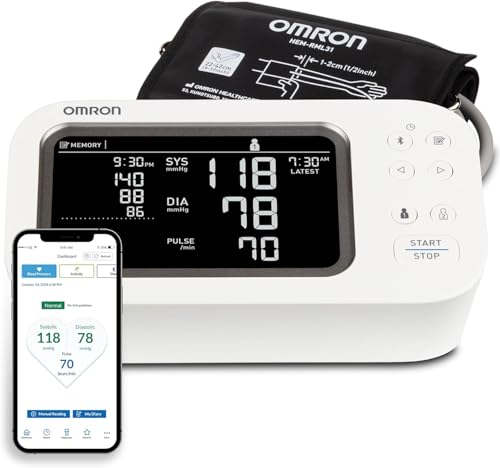
OMRON Platinum Blood Pressure Monitor for Home Use & Upper Arm Blood Pressure Cuff - #1 Doctor & Pharmacist Recommended Brand - Clinically Validated - AFib Detection - Connect App
View on AmazonState notes & regulations that affect your policy
Life insurance is state-regulated, so a few things vary by state:
- Free-look period: The time you can cancel after delivery (often 10–30 days) for a full refund.
- Replacement rules: Extra disclosures when switching policies to prevent you from losing benefits.
- Accelerated benefit triggers: Definitions and availability of chronic/critical/terminal illness riders vary by state.
- Contestability period: Typically 2 years. If there’s a material misstatement on the application during this time, the insurer can contest a claim.
- Policy illustration rules: States set standards for how carriers can present non-guaranteed values, especially for IUL/VUL.
- Underwriting nuances: Treatment of marijuana use, travel to certain countries, and build charts can differ by carrier and state.
How to check your state’s rules
- Search for your state Department of Insurance website and “life insurance consumer guide.”
- Check the NAIC (National Association of Insurance Commissioners) consumer resources for plain-language explanations and complaint tools.
Step-by-step: How to buy and get quotes
- Decide on coverage amount and term length
- Start with income replacement (10–15× income is a common starting point), debts, childcare/college goals, and any legacy needs.

SentrySafe Black Fireproof and Waterproof Safe, File Folder and Document Box with Key Lock, Ex. 14.3 x 15.5 x 13.5 inches, HD4100 - Amazon.com
View on Amazon- Gather information for quotes
- Personal: Name, DOB, address, state, citizenship/visa status
- Lifestyle: Occupation/hobbies (e.g., aviation, scuba), tobacco/nicotine use
- Health: Height/weight, prescriptions, diagnoses, surgeries, blood pressure/cholesterol/diabetes details, family history (parents/siblings) of early heart disease/cancer
- Driving: Tickets/accidents/DUIs and dates
- Beneficiaries: Names, relationships (beneficiary = person or entity who receives the death benefit)
- Decide on medical exam vs. no-exam
- If you’re very healthy and comfortable with an exam, you typically unlock the best rates. If you want speed and qualify, accelerated/no-exam can be approved in days.
- Compare 3–5 carriers
- Look at premiums, convertibility windows, available riders, issue age limits, and financial strength ratings.
- Apply
- You’ll complete an application, health questionnaire, and disclosures. Some carriers use electronic health record checks and prescription databases. Be accurate—misstatements can lead to rescission (policy cancellation) or claim denial.
- Temporary coverage during underwriting
- Ask about a conditional receipt (temporary coverage once the application/premium are submitted, subject to conditions). Availability varies by carrier/state.
- Review your offer
- You’ll receive an approval with a risk class (e.g., Preferred Plus, Preferred, Standard). If rated up (an extra charge), ask your agent to shop the case with other carriers before you accept.
- Place the policy
- Set beneficiaries, payment mode (monthly vs. annual), and store e-documents. Revisit coverage at life events (marriage, kids, home purchase, business changes).
Where to place quote CTAs on this page
- After the Quick Picks section (users are primed to shop)
- Below the comparison table (high-intent moment)
- Near the bottom of this guide (final nudge), plus a persistent “Get Quotes” button on mobile
Ready to see your price? The fastest way to know what you’d actually pay is to compare quotes from 3–5 carriers. Start here: Life Insurance: How to Choose the Right Policy and Get Quotes
What to look for when you compare
- Financial strength: Aim for A- or better from AM Best when possible.
- Convertibility: Term policies with longer convertibility windows give you options later without a new exam.
- Rider availability: Accelerated death benefit is often included; add waiver of premium or child rider if useful.
- Issue ages and face amount limits: Make sure the carrier fits your age and coverage target.
- Service and claims: Check complaint trends and agent feedback.
- Price vs. value: The cheapest quote isn’t always the best fit if you lose key features you may need later.
A licensed agent can help you weigh trade-offs and pre-screen your health profile against underwriting guides before you apply.
Additional learning if you’re still deciding on policy type:
- Term vs. Whole Life Insurance: Which Is Right for You?
- Whole Life Insurance Explained: Benefits, Costs, and How to Buy
And when you’re ready to compare personalized quotes from vetted carriers, go here: Life Insurance: How to Choose the Right Policy and Get Quotes
Compliance note: We never promise specific rates. All examples here are for educational purposes; actual offers depend on your individual circumstances and state rules. Consult a licensed agent for personalized advice.
Recommended Resources
Questions and Answers on Life Insurance: Steuer, Tony
*Amazon Best Seller in Life Insurance* Questions and Answers on Life Insurance is <strong>an extremely useful and one of a kind resource for anyone looking for a simple way to understand life insuranc
SentrySafe Black Fireproof and Waterproof Safe, File Folder and Document Box with Key Lock, Ex. 14.3 x 15.5 x 13.5 inches, HD4100 - Amazon.com
Whether you’re looking for a ... needs. <strong>Crafted with advanced fireproof and waterproof technology, the SentrySafe HD ensures that your documents and valuables remain intact even in the face of
OMRON Platinum Blood Pressure Monitor for Home Use & Upper Arm Blood Pressure Cuff - #1 Doctor & Pharmacist Recommended Brand - Clinically Validated - AFib Detection - Connect App
CONFIDENCE IN EVERY READING: Monitor your heart health with the OMRON Platinum Upper Arm Blood Pressure Monitor's Advanced Accuracy with AFib Detection Technology; Store up to 100 readings each f
Related Articles
- Best Term Life Insurance Companies (2026): Top Picks & How to Choose
- Best Insurance Companies 2026 — Top Picks & How to Choose
- Best Whole Life Insurance Plans: Top Picks and How to Choose
- Life Insurance: How to Choose the Right Policy and Get Quotes
- Best Rates for Term Life Insurance: How to Compare Quotes and Lower Your Premiums
- Best Home Insurance 2026: Top Picks, How to Choose & Get Quotes
- How to Find Cheap Life Insurance: Smart Ways to Lower Your Premiums Without Sacrificing Coverage
- Best Travel Insurance for Families — Compare Coverage, Costs & Top Picks