
Mortgage vs Home Insurance — What Every Homebuyer Needs to Know
You’re buying a home and keep hearing two phrases that sound similar but aren’t: mortgage vs home insurance. One is a loan you repay. The other is a policy that protects your property and liability. Knowing the difference can save you money, stress, and some nasty surprises at closing.
Below, we break down what each one is, what they cover, how they’re paid, and what happens if you don’t pay—plus how to shop smart and keep costs in check.
Mortgage vs Home Insurance: The Basics
Let’s set the foundation with plain-English definitions and who benefits from each.
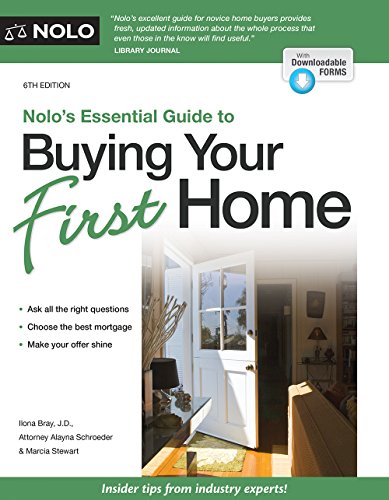
Nolo's Essential Guide to Buying Your First Home: Bray, Ilona, Schroeder, Alayna, Stewart, Marcia
Ilona Bray J.D. ... Theres no place like home! The number of homes for sale is on the rise and mortgage rates remain near historic lows. That makes now a great time to say goodbye to your landlord. W
Check Price on Amazon- Mortgage: A mortgage is a home loan secured by the property. If you stop making payments, the lender can foreclose (take and sell the home) to recover what’s owed. The lender benefits because the house is collateral.
- Homeowners insurance (often called “home insurance”): This is an insurance policy that protects you from covered property damage (like fire or wind) and liability (if someone is hurt on your property). You, the homeowner, benefit because it covers repair/replacement costs and legal liability up to your policy limits.
Key idea: Your mortgage is debt you repay. Your homeowners insurance is protection you buy.
Types of Insurance Tied to Mortgages vs Standard Homeowners Coverage
When people say “mortgage insurance,” they often mean different things. Here’s how to separate them.
Mortgage-related protections (lender-focused or loan-focused)
- Private Mortgage Insurance (PMI): PMI is insurance that protects the lender if you default. It’s typically required on conventional loans when your down payment is under 20%. PMI cost depends on your down payment (loan-to-value ratio or LTV), credit score, and loan details. You don’t file claims on PMI; the lender does if you default.
- FHA Mortgage Insurance Premium (MIP): For FHA loans, you pay an upfront and annual mortgage insurance premium that protects the lender. Depending on your down payment and loan term, MIP may last for the life of the loan.
- VA/USDA: VA loans don’t have PMI, but they do have a funding or guarantee fee. USDA loans have an upfront and annual guarantee fee. These fees also protect the program/lender, not you. They’re not homeowners insurance.
- Mortgage protection insurance (MPI) or mortgage life/disability insurance: Optional policies that pay your mortgage if you die or, in some versions, if you’re disabled or lose your job. This protects your family’s ability to keep the home, not the property itself. Not required by lenders.
- Mortgage impairment insurance: A behind-the-scenes policy some lenders carry to protect against issues with collateral. Homeowners don’t buy this and don’t file claims on it.
Standard homeowners insurance (policyholder-focused)
A typical homeowners policy (commonly an HO-3 policy) includes:
- Dwelling coverage: Pays to repair or rebuild your home when a covered peril (cause of loss) like fire or wind damages it. Coverage limit should reflect the home’s rebuild cost, not the market price.
- Other structures: Covers detached structures like fences and sheds, usually a percentage of dwelling coverage.
- Personal property: Covers your belongings (furniture, clothes, electronics) for theft or damage from covered perils. You can choose actual cash value (depreciated) or replacement cost coverage.
- Loss of use/Additional living expenses (ALE): Pays extra costs if you can’t live at home during repairs (hotel, extra food costs).
- Liability: Covers you if you’re legally responsible for injuries or property damage to others. Often starts at $100,000, but many homeowners choose $300,000–$500,000 or more.
- Medical payments to others: Pays small medical bills for guests injured on your property, regardless of fault.
Common exclusions and limits:
- Flood and earthquake are typically excluded and require separate policies.
- Sewer or drain backup is excluded unless you add an endorsement.
- Wear and tear, maintenance issues, and pests are not covered.
- In some areas, wind/hail or hurricane deductibles apply as a percentage of your dwelling limit.
Want a deeper dive into what’s covered and what’s not? See What Does Home Insurance Cover? (/home-insurance/what-does-home-insurance-cover)
How Each Is Paid: Premium vs. Loan Payment, Escrow, and Timing
Understanding the payment flow helps you budget and avoid lapses.
- Mortgage payment: Typically due monthly and includes principal (amount borrowed) and interest (the cost of borrowing). Many borrowers also pay property taxes and insurance through an escrow account.
- Escrow account: A separate account your mortgage servicer uses to hold money for property taxes and homeowners insurance. You pay into escrow each month, and the servicer pays the bills when due. If your insurance or taxes go up, your monthly escrow payment may increase.
- Homeowners insurance premium: Often paid annually or in monthly installments. At closing, lenders commonly require proof of paid premium (an insurance binder) for the first year. After that, if you escrow, the servicer pays your premium from your escrow funds.
- PMI/MIP: Usually bundled into your monthly mortgage payment. Some PMI can be paid upfront or split between upfront and monthly—ask your lender about options.
Cost drivers
- Mortgage cost drivers: Interest rate, loan amount, loan term (30-year vs. 15-year), points, and your credit profile.
- PMI/MIP cost drivers: Down payment/LTV, credit score (for conventional PMI), loan type, and sometimes occupancy type. Rates vary by lender and insurer.
- Homeowners insurance cost drivers: Rebuild cost of your home (materials and labor), location (fire risk, crime, distance to hydrants), roof age/type, claims history, coverage selections/deductibles, and local catastrophe risk (wind, hail, hurricane, wildfire). Insurers also consider your insurance score, which typically factors in credit information.
Tax treatment basics (not tax advice)
- Mortgage interest may be tax-deductible if you itemize, subject to IRS rules.
- PMI/MIP deductibility has varied by year and income; check current IRS rules and consult a tax professional.
- Homeowners insurance premiums are generally not tax-deductible for a primary residence, though certain business or rental uses may differ—ask a tax pro.
Lender requirements and “force-placed” insurance
- Lenders require you to maintain homeowners insurance on financed properties and list the lender as mortgagee (their legal interest on the policy).
- If your policy lapses or is canceled, the lender can buy “force-placed” insurance and add the high cost to your mortgage bill. Force-placed policies usually only protect the structure for the lender’s benefit and don’t cover your personal property or liability. They’re also typically more expensive than standard policies.
What Happens if You Don’t Pay or You Have a Claim
Non-payment and claims work very differently for mortgages, PMI/MIP, MPI, and homeowners insurance.
Non-payment
- Mortgage: Late fees apply first, then you risk delinquency, default, and ultimately foreclosure if unresolved. If you’re struggling, contact your servicer early to ask about forbearance, repayment plans, or loan modification.
- Homeowners insurance: You’ll receive a notice of cancellation or nonrenewal if unpaid. If canceled, the lender may force-place coverage and raise your monthly payment. You’re also exposed if a loss happens without coverage.
- PMI/MIP: Skipping PMI/MIP isn’t an option; it’s part of your mortgage payment. Miss housing payments, and you risk default and foreclosure.
- Mortgage protection insurance (MPI): If you stop paying MPI premiums, the policy lapses and won’t pay benefits if something happens later.
Claims and who to notify first
- Homeowners insurance claim: For property damage or liability, contact your home insurer first to start the claim. For significant structural losses, also notify your mortgage servicer because they’re listed as mortgagee; claim checks may be co-payable to you and the lender. You’ll pay your deductible (the amount you pay out of pocket before insurance kicks in), and an adjuster will assess the damage.
- PMI/MIP: You don’t file claims—your lender does if you default and they incur a loss.
- MPI: If it’s a death or disability claim, you (or your beneficiary) file with the MPI insurer. Benefits typically go toward the mortgage payment or balance, depending on the policy.
Real-World Examples
- Example 1: 10% down conventional loan with PMI. Say you buy a $400,000 home with 10% down ($40,000) and a 740 credit score. You might see PMI in the ballpark of 0.30%–0.70% of the loan per year, depending on your profile and lender. On a $360,000 loan, that’s roughly $1,080–$2,520 per year ($90–$210/month). Actual rates vary by lender, insurer, credit, and LTV.
- Example 2: Typical homeowners insurance cost. A 1,900-sq.-ft. home in a moderate-risk area might see annual premiums of, say, $1,200–$2,400, depending on rebuild cost, roof age, local risk, and deductible choices. Coastal or wildfire-prone areas can be much higher. Rates vary widely by state and company.
- Example 3: A claim. A kitchen fire causes $45,000 in damage. With a $2,000 deductible, your insurer pays the covered amount minus your deductible, and a portion of the claim check may list both you and the lender. You’ll coordinate with the servicer on repairs so the home is restored properly—protecting both your interests and theirs.
When Each Is Required (and When It Isn’t)
- Homeowners insurance: Required by virtually all lenders before closing and throughout the life of the loan. If you’re a cash buyer, it’s still strongly recommended.
- PMI (conventional loans): Typically required if your down payment is under 20%. You can request cancellation when your principal balance reaches 80% of the home’s original value (and you’re current), and it may automatically cancel at 78% per federal rules. Some conditions apply, and you may need a new appraisal—ask your servicer. For FHA MIP, duration depends on down payment and loan term; some FHA loans have life-of-loan MIP.
- MPI (mortgage protection insurance): Optional. Consider only if you need extra life/disability coverage specifically for the mortgage; compare it with a level term life policy, which often provides broader, more flexible protection.
How to Compare and Shop: What to Look For
You don’t “shop” your mortgage and homeowners insurance the same way—but you do have control over both.
Shopping your mortgage
- Get multiple loan estimates: Compare interest rate, APR, points, lender fees, and PMI options (borrower-paid monthly, split, or lender-paid PMI with a higher rate).
- Ask about PMI removal: What are the rules for cancellation? Will you need an appraisal? Any seasoning requirements?
- Consider total monthly cost: Principal, interest, taxes, insurance, PMI/MIP, HOA dues.
Shopping homeowners insurance
- Compare at least 3–5 carriers: The fastest way to see what you’d actually pay is to compare quotes side by side. Rates and underwriting appetite vary by company and by state.
- Focus on the rebuild number: Set the dwelling limit to the home’s replacement cost, not the loan amount or purchase price. Ask for an extended or guaranteed replacement cost endorsement if available.
- Choose replacement cost for belongings: Replacement cost value (RCV) pays to replace items new, while actual cash value (ACV) subtracts depreciation.
- Set smart deductibles: Higher deductibles usually lower premiums. Balance savings with what you can comfortably pay out of pocket.
- Liability limit: Many homeowners choose $300,000–$500,000 or more. Consider an umbrella policy if you have significant assets.
- Review endorsements: Water backup, ordinance or law (to meet updated building codes), scheduled personal property (jewelry, art), and special wind/hail deductibles in coastal areas.
- Discounts: Bundle home and auto, install protective devices, update your roof, and ask about claims-free or loyalty discounts.
If you’re new to home insurance, our Home Insurance Guide 2026 — Compare Quotes, Coverage & Costs (/home-insurance/home-insurance-guide-2026) walks you through coverage and quotes in more detail. For concrete savings moves, see How to Find the Cheapest Homeowners Insurance (Get Quotes & Save) (/home-insurance/cheapest-homeowners-insurance).
Red flags to watch
- Force-placed insurance warnings: If you get a letter about coverage lapsing, act fast. Force-placed coverage is expensive and doesn’t protect your belongings or liability.
- Coverage set to the loan balance: Your dwelling limit should reflect rebuild cost, not what you owe.
- ACV-only roof coverage: Some policies default to ACV for older roofs, which pays less. Ask about RCV or roof surfacing loss settlement.
- Very low liability limits: It’s usually inexpensive to raise liability from $100,000 to $300,000 or $500,000.
- Mailers pushing “mortgage protection” after closing: These are typically optional MPI offers. If you want that kind of protection, compare it to a level term life policy for price and flexibility.
Smart questions to ask
To your lender/servicer:
- What PMI options are available, and how soon can I remove it?
- Do you require escrow? If not, what proof of insurance do you need and when?
- How are insurance claim checks handled if they’re made payable to both me and the lender?
To your insurance agent/company:
- What’s my home’s estimated replacement cost, and do I have extended or guaranteed replacement cost?
- Are my belongings covered at replacement cost? Any sub-limits I should know about (jewelry, firearms, collectibles)?
- What perils are excluded, and which endorsements should I consider based on my area?
- What are my wind/hail or hurricane deductibles, and can I change them?
For more ideas, check Must‑Ask Questions About Home Insurance: What Every Homeowner Should Ask (/home-insurance/must-ask-questions-about-home-insurance).
Cost-Saving Tips That Usually Work
- Improve credit where possible: Better credit can lower PMI and homeowners insurance in many states.
- Put more down (if feasible): Reduces or eliminates PMI, lowers monthly payment, and may improve your interest rate.
- Raise your home insurance deductible: Moving from $1,000 to $2,500 can cut premiums, especially in high-claim areas. Only choose what you can afford to pay out of pocket.
- Bundle policies: Home + auto often yields meaningful discounts.
- Fortify your home: A new impact-resistant roof, storm shutters, water leak sensors, or a centrally monitored alarm can reduce losses and, in many regions, premiums.

SimpliSafe 8 Piece Wireless Home Security System - Optional 24/7 Professional Monitoring - No Contract - Compatible with Alexa and Google Assistant , White : Electronics
View on Amazon
YoLink Water Leak Starter Kit: Hub + 4 Leak Sensor 1 (Silent), LoRa Long-Range, App/SMS/Email Alerts, D2D Offline Triggers, 2 AAA Up to 5-Year Battery, Compatible with Alexa/IFTTT/Home Assistant - Amazon.com
View on AmazonQuick Reference: Mortgage vs Home Insurance at a Glance
- Who it protects:
- Mortgage/PMI/MIP: Primarily the lender.
- Homeowners insurance: You and your assets (within policy limits).
- What triggers it:
- Mortgage: Buying/refinancing a home.
- PMI/MIP: Low down payment or specific loan program rules.
- Homeowners insurance: Required by lenders; wise even if you pay cash.
- How you pay:
- Mortgage/PMI/MIP: Monthly payment; PMI/MIP often escrowed.
- Homeowners insurance: Annual or monthly premium; often escrowed.
- Claims:
- Mortgage/PMI/MIP: You don’t claim PMI/MIP; lender does upon default.
- Homeowners insurance: You file for covered property or liability losses; deductible applies.
The Practical Next Step
The clearest way to confirm your actual costs is to run the numbers specific to you. Get at least 3–5 homeowners insurance quotes and compare coverage, deductibles, and endorsements—not just the price. Our Homeowners Insurance: A Complete Guide to Coverage, Costs & Quotes (/home-insurance/homeowners-insurance-guide-coverage-costs-quotes) is a good companion as you compare.
Call-to-action: Ready to see real numbers? Comparing quotes from 3–5 carriers is the fastest way to find your likely premium in your ZIP code and spot coverage gaps before closing.
Need Personalized Advice?
A licensed insurance agent can help right-size your dwelling limit, explain local risks, and structure deductibles and endorsements that match your budget. Your loan officer can outline PMI options and the path to removing it. Policies, rates, and eligibility vary by state and company—so get advice tailored to you.
Call-to-action: Before you lock your loan, line up your home insurance quotes. It can affect your monthly payment, escrow, and even final loan approval timeline.
Recommended Resources
Nolo's Essential Guide to Buying Your First Home: Bray, Ilona, Schroeder, Alayna, Stewart, Marcia
Ilona Bray J.D. ... Theres no place like home! The number of homes for sale is on the rise and mortgage rates remain near historic lows. That makes now a great time to say goodbye to your landlord. W
YoLink Water Leak Starter Kit: Hub + 4 Leak Sensor 1 (Silent), LoRa Long-Range, App/SMS/Email Alerts, D2D Offline Triggers, 2 AAA Up to 5-Year Battery, Compatible with Alexa/IFTTT/Home Assistant - Amazon.com
YoLink Water Leak Starter Kit: <strong>Hub + 4 Leak Sensor 1 (Silent), LoRa Long-Range, App/SMS/Email Alerts, D2D Offline Triggers, 2 AAA Up to 5-Year Battery, Compatible with Alexa/IFTTT/Home Assista
SimpliSafe 8 Piece Wireless Home Security System - Optional 24/7 Professional Monitoring - No Contract - Compatible with Alexa and Google Assistant , White : Electronics
No wiring or drilling required. Or contact SimpliSafe directly if you need help installing your system. <strong>1 FREE month of professional monitoring for fast police response when you need it most</
Related Articles
- Home Insurance vs Renters Insurance: Key Differences, Real-World Examples, and Which One You Need
- Must‑Ask Questions About Home Insurance: What Every Homeowner Should Ask
- Best Home Insurance for New Homeowners: Top Picks, Costs, and What to Look For
- Best Home Insurance 2026: Top Picks, How to Choose & Get Quotes
- What Does Home Insurance Cover?
- Home Insurance in Hawaii: Coverage, Costs & Best Companies
- Life Insurance in Arizona: What Residents Should Know Before Buying
- Life Insurance in Florida: Coverage Options, Costs, and How to Choose