
What Does Renters Insurance Cover? Coverage, Limits, Exclusions & Add‑Ons Explained
You just signed a lease and keep hearing you “need renters insurance.” But what does renters insurance cover, exactly? Here’s the plain‑English version: the parts that protect your stuff, protect you if someone gets hurt or you damage someone else’s property, and pay for a temporary place to live after a covered disaster. Below, we break down what’s included, what’s not, and how to fill the gaps so you aren’t surprised at claim time.
Tip: The fastest way to see what you’d actually pay is to compare quotes from 3–5 carriers. Renters insurance is typically affordable, and coverage can vary more than you’d expect.
What Does Renters Insurance Cover? Core Protections
Renters insurance policies are built around four core protections. Names can vary a little by insurer, but the basics are the same.
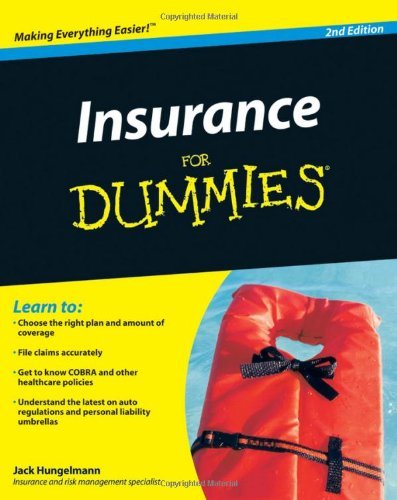
Insurance For Dummies?: Hungelmann, Jack
Whether you’re a homeowner or ... need on: ... Author Jack Hungelmann <strong>uses his twenty-five years of experience in the insurance industry to make buying insurance as simple as possible</strong>
Check Price on AmazonPersonal property (your belongings)
Personal property coverage (insurance that pays to repair or replace your belongings if they’re damaged or stolen due to a covered event) is the heart of renters insurance. Think furniture, electronics, clothing, kitchen gear, books, bikes, and more.
Common examples of what’s covered, when caused by a covered peril (a specific cause of loss your policy protects against):
- Fire or smoke damages your couch and TV
- Theft of your laptop from your apartment—or often from your car
- Vandalism to your bike stored in the building’s garage
- Water damage from a burst pipe that soaks your rug and bookshelf
A few notes that matter in real life:
- Off‑premises coverage: Your stuff is typically covered away from home too (for example, luggage stolen from a hotel). Some policies cap this at a percentage of your personal property limit when off‑premises—often 10%—so check your specifics.
- Car caveat: Your policy can cover belongings stolen from your car, but not damage to the car itself (that’s an auto insurance issue).
- Deductible (the amount you pay out of pocket before insurance kicks in): Applies to most personal property claims.
Personal liability protection (injury or damage you cause)
Liability coverage (insurance that pays when you’re legally responsible for someone else’s bodily injury or property damage) steps in if, for example:
- A guest trips over your rug and breaks an arm
- You accidentally start a kitchen fire that damages your landlord’s cabinets or a neighbor’s unit
- Your dog bites someone (coverage for animal liability varies by insurer and breed—check your policy)
This coverage typically includes legal defense costs (the attorney fees and court costs your insurer pays to defend you), even if a claim is groundless, up to your policy limit.
Typical liability limits are $100,000, $300,000, or $500,000. In most cases, opting for at least $300,000 is a smart, low‑cost upgrade because legal and medical bills can add up quickly.
Medical payments to others (small injuries, no‑fault)
Medical payments to others, sometimes called “med pay,” is a smaller, no‑fault coverage (it can pay regardless of who was at fault) usually set at $1,000–$5,000. It’s designed for minor injuries to guests in your home—think a cut requiring urgent care—without getting into questions of legal liability. It’s not a substitute for your own health insurance and doesn’t pay for injuries to you or household members.
Additional living expenses (ALE), also called loss of use
Additional living expenses (coverage that reimburses the extra costs of living elsewhere if your rental is uninhabitable due to a covered loss) can pay for:
- Hotel or short‑term rental
- Increased food costs (for example, more takeout because you can’t cook)
- Laundry, parking, pet boarding, and other necessary extras
Important: ALE covers the extra cost above your normal spending. It doesn’t pay your regular rent, and it only applies after a covered event (like a fire)—not for planned renovations or a power outage that’s not otherwise covered. Limits are often a percentage of your personal property limit or a set dollar amount (for example, 20–30% of personal property or a separate $10,000–$20,000 cap).
Covered Perils vs. Common Exclusions
Renters policies are usually “named peril” for personal property (they list what’s covered). Exact wording varies by insurer and state, but common covered perils include:
- Fire and smoke
- Theft
- Vandalism and malicious mischief
- Sudden and accidental water damage from within the home (like a burst pipe)
- Windstorm and hail (may be limited or have special deductibles in coastal areas)
- Explosions
- Weight of ice and snow
- Damage from vehicles or aircraft
Now, the exclusions—events renters are often surprised to learn are not covered:
- Flood (rising water from outside): Requires separate flood insurance (often through the National Flood Insurance Program) or a specialty endorsement where available
- Earthquake and earth movement (including landslide or sinkhole in many states): Usually needs an earthquake endorsement or separate policy
- Sewer or drain backup: Typically excluded unless you add a sewer/backup endorsement
- Routine wear and tear, gradual leaks, and maintenance issues: Insurance covers sudden, accidental damage, not slow deterioration
- Pest damage (mice, bedbugs, termites): Considered maintenance, not insurable accidents
- Power outage or utility failure not causing direct damage under a covered peril
- Business property and business liability beyond small sublimits: You may need a home business endorsement for equipment or liability
- Roommates’ property: Not covered unless they’re named on your policy
Real‑world example: A storm pushes rainwater under your apartment door and ruins a rug—likely covered as sudden water intrusion. The nearby river overflows into your street and water seeps into your unit—flood, typically excluded without flood coverage.
Valuation, Limits, and Deductibles
Three levers determine what you actually receive at claim time: how your stuff is valued, how much coverage you bought, and the deductible you chose.
Replacement cost vs. actual cash value
- Replacement cost value (RCV): Pays what it costs today to replace an item with a new one of like kind and quality, without subtracting depreciation (the value lost due to age and wear).
- Actual cash value (ACV): Pays the item’s value after depreciation. Older items are worth less, so payouts are smaller.
Scenario: Your 4‑year‑old $1,200 TV is stolen.
- With ACV and a $500 deductible, the insurer might value the TV at $400 after depreciation, then subtract $500. Net payout: $0 (since the loss doesn’t exceed your deductible).
- With RCV, the insurer might first pay ACV ($400), then reimburse the difference ($800) after you buy a comparable new TV—netting you close to the full replacement cost, minus your deductible.
Many renters upgrade to RCV for a modest premium because the difference at claim time can be significant. Ask how your policy handles RCV holdbacks (the second payment after you replace an item) and deadlines for submitting receipts.
Policy limits and sublimits
Your personal property limit (the maximum your insurer will pay for covered belongings in total) might be $25,000, $50,000, or more. Within that, sublimits (smaller caps for certain categories) often apply, especially for theft. Common examples:
- Jewelry, watches, and furs: Often $1,000–$2,500 total for theft
- Firearms: Often $2,500
- Cash: Often $200
- Silverware/precious metals: Often $2,500
- Business property: Often $1,500–$2,500 on‑premises and less off‑premises
Some insurers also set sublimits or claim caps on electronics or bicycles, or lower limits for items off‑premises (for example, 10% of your personal property limit). If you own high‑value items, consider scheduling them (adding item‑by‑item coverage shown on your policy with stated values), which can remove sublimits and sometimes the deductible.
For a deeper dive on protecting pricey belongings, see Renters Insurance for High‑Value Items: What to Insure, How to Cover It, and When to Schedule (/home-insurance/renters-insurance-high-value-items-guide-scheduling-coverage).
Estimating the right amount of coverage
A quick way to ballpark your personal property limit is to list big‑ticket items and then everything else by room.
- Living room: Sofa, TV, speakers, rugs, lamps
- Bedroom(s): Bed, dresser, clothing, shoes, jewelry
- Kitchen: Small appliances, cookware, dishes
- Office: Laptop, monitor, peripherals
- Sports/hobbies: Bike, skis, instruments
Add retail replacement prices. Many one‑bedroom renters land around $25,000–$40,000; two bedrooms often $40,000–$60,000. These are typical ranges, not rules—high‑end electronics, designer wardrobes, or hobby gear can push you higher. Err on the side of enough; being underinsured means you’ll hit your limit before you’ve replaced everything.
Deductibles: how they change premiums and payouts
A deductible is what you pay out of pocket before the insurer pays the rest of a covered loss. Common deductibles are $500 or $1,000. Choosing a higher deductible typically lowers your premium, but you’ll pay more if you have a claim.
Example: A burst pipe ruins $3,000 of clothing and furniture.
- $500 deductible: Insurer pays about $2,500
- $1,000 deductible: Insurer pays about $2,000
If you’re a rare claimer and can comfortably cover a $1,000 hit, the higher deductible can make sense. If you’d struggle to self‑fund that much, keep it lower.
Optional Endorsements and Gap Coverage
Consider these common add‑ons if they match your risks:
- Scheduled personal property: Itemized coverage for jewelry, art, instruments, or collectibles—often with no deductible and broader perils. You’ll typically need appraisals or detailed receipts. Ideal if your jewelry exceeds the base sublimit.
- Water/sewer backup endorsement: Covers damage from water that backs up through sewers or drains or overflows from a sump (a common, frustrating gap in standard policies).
- Flood insurance: Protects against rising water from storm surge, overflowing rivers, or heavy rain. Often purchased separately; worth exploring if you’re on a ground floor or in a flood‑prone area.
- Earthquake coverage: An endorsement or separate policy with a higher deductible—sensible if you live near fault lines.
- Identity theft/cyber: Helps with costs to restore your identity and may include monitoring services. Useful if you’ve had a past breach or store sensitive documents at home.
- Animal liability: If your carrier excludes or limits dog breeds, you may need a special endorsement or a different insurer. Always disclose pets when you quote.
- Home business or freelancing endorsements: Increases limits for business equipment and may extend some liability. If you see clients at home or store inventory, ask specifically about this.
Practical Implications and Claims Guidance
Here’s how to set yourself up for a smooth claim and avoid headaches.
Smart prep before anything happens
- Create a home inventory (a list of your belongings and their values). A smartphone video walking room‑to‑room works great—open drawers and closets.
- Save receipts and serial numbers for big‑ticket items. Store them in the cloud.
- Note appraisals for scheduled items and keep copies of your policy declarations (the summary page showing your coverages and limits).
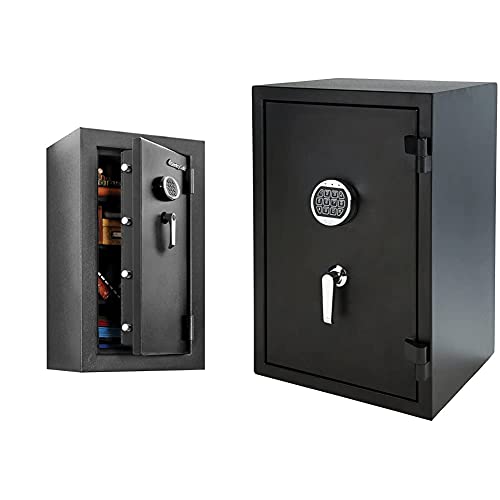
SentrySafe Waterproof and Fireproof Alloy Steel Digital Safe Box for Home with Code Button Keypad, 1.23 Cubic Feet, 17.8 x 16.3 x 19.3 Inches (exterior), SFW123GDC - Gun Safes And Cabinets - Amazon.com
View on AmazonWhat to do after a loss
- Protect property from further damage (for example, shut off water, board windows). This is called your “duty to mitigate.”
- File a police report for theft or vandalism and get a copy.
- Notify your landlord of building damage and your insurer of your loss—sooner is better.
- Document everything: photos, lists of damaged items, receipts for emergency purchases or ALE expenses.
- Keep damaged items until the adjuster (the insurance representative who evaluates your loss) sees them or approves disposal.
Typical claim timelines vary, but many insurers will quickly issue the ACV portion and then release RCV holdbacks once you submit replacement receipts (check your policy for deadlines).
Common claim examples
- Kitchen fire: Smoke and flames destroy $6,000 in appliances and furniture. With RCV and a $500 deductible, you might receive about $5,500 (subject to your limits and depreciation rules).
- Theft from car: Your $1,800 laptop and $200 backpack are stolen. With a $500 deductible and RCV, you might net around $1,500, depending on policy limits and proof of ownership.
- Dog bite: A guest needs stitches, and medical bills hit $3,500. Med pay may cover the first $1,000–$5,000, and liability could handle the rest plus legal costs, unless excluded by breed or prior incident.
How renters and landlords’ insurance interact
Your landlord’s policy covers the building (the roof, walls, and structure). It typically does not cover your belongings or your personal liability. If a pipe bursts behind the wall, the landlord’s insurance may fix the wall—but your ruined couch and clothes? That’s on your renters policy. If your negligence causes damage to the building (for example, you leave a candle burning), your liability coverage may respond to the landlord’s claim against you.
Why claims get denied
- Excluded peril (flood, earthquake, sewer backup without endorsement)
- Wear and tear or long‑term leaks rather than sudden, accidental damage
- No proof of ownership or value
- Misrepresentation (for example, failing to disclose high‑risk dogs or prior losses when asked)
- Filing too late or not mitigating further damage
Strategies to lower your premium (without gutting coverage)
- Bundle with auto insurance if you can—often a strong discount
- Choose a higher deductible you can comfortably afford
- Install safety devices (smoke alarms, deadbolts, monitored alarms) and ask for credits
- Maintain a clean claims history when possible (small losses may cost more in long‑term premiums)
- Pay annually and opt for paperless/autopay if discounts apply
- Right‑size your limits—don’t overpay for coverage you don’t need, but avoid underinsuring high‑value items
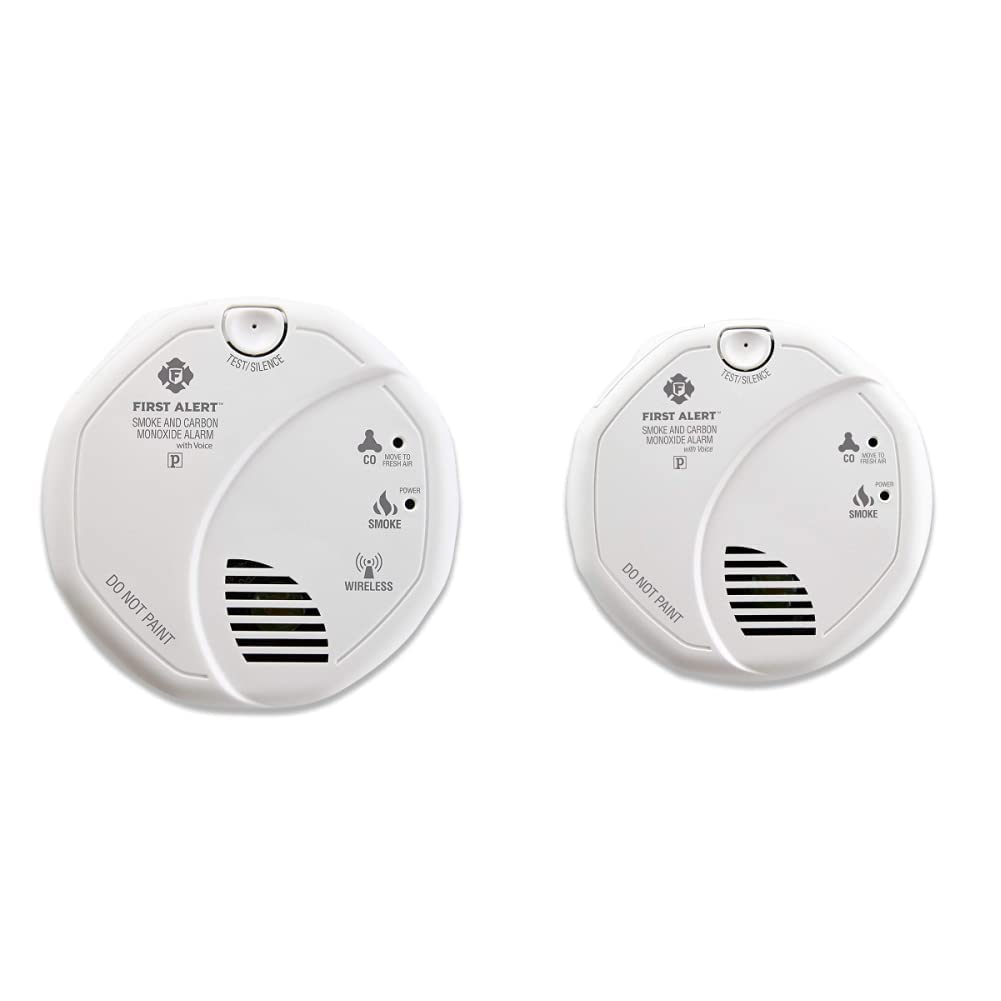
First Alert BRK Combination Smoke & Carbon Monoxide Alarm, Battery Operated Detector with Test & Silence Button, SMICO100, 1-Pack - Amazon.com
View on AmazonWant price context? See How Much Is Renters Insurance? Average Costs, Factors & Real Examples (/home-insurance/how-much-is-renters-insurance). For more savings ideas, check How to Save on Renters Insurance: Smart Ways to Lower Your Premium (/home-insurance/how-to-save-on-renters-insurance).
How to Compare Renters Insurance Policies
When quotes look similar, use this checklist to spot meaningful differences:
- Valuation method: Replacement cost vs. actual cash value for personal property
- Personal property limit: Enough to replace your things at today’s prices
- Liability limit: Consider $300,000 or $500,000 for better protection
- Medical payments: $1,000–$5,000, useful for small guest injuries
- Additional living expenses: Percentage/amount and time limit
- Deductible: $500 vs. $1,000 can change both price and payout
- Sublimits: Jewelry, electronics, bikes, cash, business property—what are the caps?
- Endorsements: Sewer backup, scheduled items, identity theft, pet/animal liability
- Exclusions and special deductibles: Wind/hail in coastal areas, dog breed restrictions
- Service: Claims reputation, 24/7 reporting, digital tools
Example: Say you’re a 35‑year‑old non‑smoker in Texas with $40,000 of belongings, a $1,000 deductible, and a bike plus a few power tools. Policy A is ACV with a $1,500 jewelry theft sublimit and no sewer backup. Policy B is RCV, includes a $5,000 jewelry sublimit, and lets you add sewer backup for $2–$4/month. Even if Policy B costs a bit more, it may be the better value for your risks. Rates vary by insurer and state, so run a few options.
Ready to check pricing? Renters Insurance: Compare Quotes & Get the Right Coverage Today (/home-insurance/renters-insurance-quotes-coverage) is a quick way to line up offers side‑by‑side.
When to talk to a licensed agent
If you own high‑value items, have a dog with possible breed restrictions, run a side business from home, or live in a flood/earthquake zone, a licensed agent can help you customize coverage. They can also explain how state rules affect pricing and availability.
Next step
- Make a quick inventory and pick a target personal property limit
- Decide on RCV vs. ACV and a comfortable deductible
- Compare quotes from 3–5 insurers and add endorsements that fit your situation
You can start here: Renters Insurance: Compare Quotes & Get the Right Coverage Today (/home-insurance/renters-insurance-quotes-coverage). It’s the easiest way to see real numbers and fine‑tune coverage for your needs.
Recommended Resources
Insurance For Dummies?: Hungelmann, Jack
Whether you’re a homeowner or ... need on: ... Author Jack Hungelmann <strong>uses his twenty-five years of experience in the insurance industry to make buying insurance as simple as possible</strong>
First Alert BRK Combination Smoke & Carbon Monoxide Alarm, Battery Operated Detector with Test & Silence Button, SMICO100, 1-Pack - Amazon.com
The First Alert SMICO100 Battery-Operated Combination Smoke & Carbon Monoxide Alarm is <strong>equipped with First Alert's Precision Detection advanced sensing technology and meets new indust
SentrySafe Waterproof and Fireproof Alloy Steel Digital Safe Box for Home with Code Button Keypad, 1.23 Cubic Feet, 17.8 x 16.3 x 19.3 Inches (exterior), SFW123GDC - Gun Safes And Cabinets - Amazon.com
<strong>SentrySafe Medium Gray Fireproof Safe and Waterproof Safe Box with Dial Combination, Home Security for Money, Documents, or other Valuables</strong>, 1.23 Cubic Feet, SFW123DSB
Related Articles
- Understanding Renters Insurance Coverage: What It Covers, How Much You Need, and How to File a Claim
- Finding the Right Renters Insurance: How to Choose Coverage, Save Money, and Protect Your Belongings
- How to Find the Right Renters Insurance: Coverage, Costs, and Buying Tips
- Home Insurance vs Renters Insurance: Key Differences, Real-World Examples, and Which One You Need
- Get the Best Renters Insurance: Coverage, Costs, and Smart Savings
- Is Renters Insurance Worth It? A Practical Guide to Decide
- Best Home Insurance for Renters: Compare Coverage, Cost & Top Picks
- Renters Insurance in Nebraska: What It Covers, Costs, and How to Choose the Right Policy