
Health Insurance in North Dakota: Plans, Costs & How to Enroll
You’re trying to figure out health insurance in North Dakota and the numbers feel all over the place. What will you actually pay each month? When can you enroll? And which plan won’t leave you with a surprise bill? Here’s a clear, local guide to health insurance in North Dakota—how it works, what it typically costs, and how to choose a plan you’ll feel good about.
Note: The fastest way to see your real cost is to compare quotes from 3–5 carriers. Rates vary by your age, ZIP code, household size, tobacco use, and income. We’ll show you what to look for and when to get help from a licensed agent.
Health insurance options in North Dakota
When people say “health insurance in North Dakota,” they’re usually talking about one of these paths:

The Health Care Handbook: A Clear and Concise Guide to the United States Health Care System
The fully revised third edition <strong>provides concise coverage on health care delivery, insurance and economics, policy, and reform</strong>—all critical components of the system in which health ca
Check Price on Amazon- Marketplace plans (Affordable Care Act/ACA plans) through HealthCare.gov. These are comprehensive, cover preexisting conditions, and are eligible for subsidies (discounts) based on income.
- Employer coverage (job-based insurance). Your employer shares the cost of premiums (the monthly amount you pay to keep coverage). You may also have a deductible (the amount you pay out of pocket before insurance kicks in) and copays (fixed dollar amounts you pay for services) or coinsurance (a percentage of the bill you pay after the deductible).
- North Dakota Medicaid and CHIP. Medicaid is free or low-cost coverage for people with lower incomes; CHIP (Children’s Health Insurance Program) is for kids and sometimes pregnant people at higher income levels than traditional Medicaid. Eligibility is based on your Modified Adjusted Gross Income (MAGI—basically your taxable income plus a few add-backs).
- Private off-exchange plans (bought directly from an insurer or broker). Similar benefits to marketplace plans in many cases, but you can’t use federal subsidies with off-exchange plans.
- Short-term plans. Short-term limited duration insurance (temporary coverage that is not ACA-compliant) can help in a gap, but it typically excludes preexisting conditions, has caps, and can deny claims most marketplace plans would cover. Federal rules currently limit these policies to short durations. Consider these only if you understand the tradeoffs.
- Medicare (age 65+ or certain disabilities). Medicare is its own system with different rules. If you’re approaching 65, compare Medicare options separately.
In most North Dakota counties, marketplace choices typically include at least two carriers. Common names you’ll see: regional health plans connected to major health systems, plus Blue-branded options. Networks (the doctors and hospitals a plan contracts with) can be regional—always check your doctors and key hospitals before you enroll.
Average health insurance premiums in North Dakota by plan type and age
Let’s set expectations. Before subsidies, premiums in North Dakota generally depend on:
- Age (older adults can be charged up to 3x more than a 21-year-old under ACA “age rating” rules)
- ZIP code and county (local medical costs and competition)
- Metal tier (Bronze, Silver, Gold—more on this below)
- Tobacco use (smoker surcharges apply in most cases)
Typical pre-subsidy ranges for a 40-year-old in many North Dakota counties:
- Bronze (lower premiums, higher deductibles): roughly $350–$500/month
- Silver (middle premiums, moderate deductibles; required for extra cost-sharing help if you qualify): roughly $425–$650/month
- Gold (higher premiums, lower deductibles): roughly $525–$750/month
These are broad ranges from recent marketplace filings and public rate summaries; your actual quote may be outside these bands based on your specific county and plan design. The point: prices vary, and subsidies can dramatically reduce what you pay.
How age changes the price (ballpark):
- 21-year-old: often 25–30% less than a 40-year-old
- 50-year-old: often ~35–45% more than a 40-year-old
- 60-year-old: often close to 2x a 40-year-old
Example, not a quote: If a Silver plan is $520/month for a 40-year-old in your county, the same plan might be around $380 for a 21-year-old and around $740 for a 60-year-old. Plans vary, and rates change annually.
How subsidies change what you pay: Premium tax credits (a federal subsidy that lowers your monthly premium) are based on your household income and size. Under current rules, many households pay no more than about 8.5% of income for the benchmark Silver plan (the second-lowest-cost Silver plan in your area). If that benchmark costs more than your expected share, a subsidy covers the difference. This enhanced subsidy framework is currently scheduled through 2025 and could change after—always check the latest on HealthCare.gov when you enroll.
Two North Dakota scenarios to make this real:
- A 35-year-old in Fargo making $42,000/year (single, no tobacco). That’s roughly 270–285% of the federal poverty level for a household of one. The expected monthly contribution is typically around 7–8.5% of income (about $245–$300/month). If the benchmark Silver plan in your county is $500/month, your subsidy would be about $200–$255, making the benchmark plan roughly $245–$300/month. Choosing a cheaper Bronze plan could drop your premium further, but expect a higher deductible.
- A family of four in Bismarck making $85,000/year. That’s roughly 260–280% of the poverty level for four. Their expected contribution might land around $500–$600/month for the benchmark Silver plan, with the rest covered by a subsidy. If the benchmark is $1,300, their subsidy might be around $700–$800. Choosing a Silver plan also unlocks extra cost-sharing help if their income is at or below 250% of the poverty level.
Important guardrails:
- Cost-sharing reductions (CSR—extra help that lowers your deductible, copays, and out-of-pocket max) only apply if you choose a Silver plan and your income is generally between 100% and 250% of the federal poverty level.
- Tobacco surcharges are not offset by subsidies.
- Premiums and subsidies change each year. Re-shop during Open Enrollment even if you like your current plan.
North Dakota Medicaid eligibility and enrollment
North Dakota has expanded Medicaid, which means more adults qualify based on income. Broadly speaking (final eligibility depends on your exact situation and the latest state rules):
- Adults 19–64: Generally eligible up to about 138% of the federal poverty level (FPL). The FPL changes yearly; Medicaid uses MAGI (your tax-reported income with a few adjustments) to decide.
- Children: Typically eligible at higher income levels through Medicaid or CHIP.
- Pregnant people: May qualify at higher income thresholds than other adults.
- Members of federally recognized tribes may also have special pathways and cost-sharing protections when using marketplace plans.
How to apply:
- Online: You can apply for Medicaid year-round through the state’s Medicaid portal or get screened on HealthCare.gov when you apply for marketplace coverage.
- By phone or in person: County social services offices and state helplines can help. Free, local Navigators are available to assist with applications.
If you’re found eligible for Medicaid, coverage can start as of the first day of the month when you applied (or sometimes earlier if retroactive coverage applies). There’s no limited “season” for Medicaid—you can apply any time.
Tip: If your income changes during the year, report it. If you move from Medicaid to a marketplace plan, or vice versa, you usually qualify for a Special Enrollment Period (a window outside Open Enrollment to change coverage due to a life event).
North Dakota health insurance marketplace: open enrollment and special periods
North Dakota uses HealthCare.gov for marketplace enrollments.
- Open Enrollment: Typically runs November 1 through January 15. If you enroll by December 15, your coverage usually starts January 1; if you enroll between December 16 and January 15, coverage typically starts February 1. Dates can shift slightly each year—check the current year’s deadlines.
- Special Enrollment Periods (SEPs): You can enroll outside Open Enrollment if you have a Qualifying Life Event (QLE). Common QLEs include losing other coverage, moving to North Dakota or moving within the state to a new rating area, marriage, divorce, having or adopting a child, gaining citizenship or lawful presence, turning 26 and aging off a parent’s plan, or a substantial income change that newly qualifies you for subsidies. Most SEPs give you 60 days from the event to pick a plan; you’ll often need to provide documents.
- American Indian/Alaska Native (AI/AN) enrollees with qualifying status can change marketplace plans monthly and may have $0 cost-sharing at certain income levels.
Effective dates: For most SEPs, if you enroll by the 15th of the month, coverage starts the 1st of the next month. Some events like birth or adoption can start coverage retroactively to the event date.
How to compare and choose the best health plan in North Dakota
Here is what actually matters when choosing a health plan in North Dakota:
- Your doctors and hospitals
- Network: Make sure your primary care doctor, specialists, and preferred hospitals are in-network (in-network means the insurer has negotiated rates with those providers—your costs are lower). In North Dakota, pay close attention to regional systems like Sanford-affiliated clinics, independent providers, and hospitals in Bismarck, Fargo, Grand Forks, Minot, and rural areas. Some networks extend into Minnesota or Montana; check specifics if you regularly cross state lines.
- Your prescriptions
- Formulary: Each plan has a covered drug list (called a formulary). Look up each medication, note its tier (tiers determine copays/coinsurance), and see if prior authorization or step therapy applies (extra approvals or trying alternatives first). If a medication is non-formulary, ask your doctor about covered equivalents.
- Total cost of care, not just the premium
- Add up: premium + deductible + typical copays/coinsurance + the out-of-pocket maximum (the most you’ll pay in a year for covered, in-network services). A Gold plan might cost more per month but much less when you actually use care.
- Metal tiers and what they mean
- Bronze: Lower premiums, higher deductibles. Good if you want a safety net for big events and expect minimal care.
- Silver: Middle premiums. Required for cost-sharing reductions if your income qualifies. A CSR Silver can function like a Gold or even Platinum plan for eligible households.
- Gold: Higher premiums, lower deductibles and copays. Good if you expect regular care, brand-name meds, or have a chronic condition.
- Plan type and flexibility
- HMO (Health Maintenance Organization): Usually requires referrals and care within the network; often lower premiums.
- EPO (Exclusive Provider Organization): No referrals in many cases, but no out-of-network coverage except emergencies.
- PPO (Preferred Provider Organization): More freedom to see out-of-network providers, usually higher premiums.
- HSA eligibility
- HDHP (High Deductible Health Plan) that is HSA-eligible lets you contribute pre-tax dollars to a Health Savings Account (HSA—money you can spend tax-free on qualified medical expenses now or in the future). Not every high-deductible plan is HSA-eligible—look for “HSA-eligible” in the plan details.
- Extras that matter in North Dakota
- Telehealth access (helpful in rural areas), mental health network depth, maternity benefits, physical therapy/rehab limits, and out-of-area urgent care rules for when you’re traveling to nearby states.
A quick step-by-step to pick confidently:
- Step 1: Make a list—your doctors, medications, and top hospitals.
- Step 2: Decide your monthly budget and how much risk you can take if something happens (that’s your tolerance for a higher deductible/out-of-pocket max).
- Step 3: Filter to plans that cover your doctors and medications.
- Step 4: Compare 2–3 finalists side by side for premium, deductible, max out-of-pocket, and key copays (primary care, specialist, urgent care, preferred drugs).
- Step 5: If your income could qualify for CSR, focus on Silver plans.
- Step 6: If you’re stuck, talk to a licensed agent or Navigator—free help is available.
Helpful next step: The fastest way to see what you would actually pay is to compare quotes from 3–5 carriers. Get personalized quotes and then pressure-test the networks and drug lists before you enroll.
North Dakota-specific subsidies and financial assistance
- Premium tax credits: Most marketplace enrollees qualify for a federal subsidy that lowers the monthly premium. The size of the subsidy depends on your income, household size, and the cost of the benchmark Silver plan in your county. Under current law, enhanced subsidies that cap your expected contribution (often at or below 8.5% of income for the benchmark) are available through 2025. Policy can change—check the latest when you shop.
- Cost-sharing reductions (CSR): Extra savings that lower deductibles and copays on Silver plans if your income is typically between 100% and 250% of the federal poverty level.
- American Indian/Alaska Native benefits: If you’re a member of a federally recognized tribe, you may qualify for $0 cost-sharing on marketplace plans at certain income levels and can change plans monthly. This can be especially valuable in North Dakota where tribal members often receive care both on and off IHS facilities.
- State-funded supplements: North Dakota does not generally offer additional state-funded marketplace premium subsidies beyond the federal ones. However, many hospital systems have financial assistance policies for uninsured or underinsured patients—ask your provider’s billing office.
- Medicaid and CHIP: Year-round enrollment for eligible households. If your income changes during the year, you may transition between Medicaid/CHIP and marketplace coverage with a Special Enrollment Period.
North Dakota health insurance marketplace: open enrollment and special periods (at a glance)
- Where to enroll: HealthCare.gov (or with a licensed agent).
- When: Typically Nov 1–Jan 15; SEPs year-round for qualifying events.
- Documents to have: Prior coverage info, Social Security numbers, immigration documents if applicable, employer coverage offers, and estimates of next year’s household income.
Samsill Duo 2-in-1 Document and File Organizer, 1 Inch 3 Ring Binder + 7 Pocket Accordion/Expanding File, Coral
View on AmazonIf you split time or move between states
If you live in North Dakota but often get care in Minnesota or Montana, check whether your plan’s network crosses state lines or has reciprocity. Moves between states usually trigger a Special Enrollment Period so you can pick a new plan where you live.
- Planning a move to Minnesota? See our guide: Health Insurance in Minnesota: Plans, Costs & How to Enroll
- Considering Montana options? Read: Health Insurance in Montana: Plans, Costs & How to Enroll
FAQ: common questions about North Dakota health insurance
Is there a penalty for being uninsured in North Dakota? No. There’s no state-level individual mandate penalty in North Dakota as of now. Still, going uninsured is risky—one ER visit can exceed a year of premiums.
How many insurers offer marketplace plans in North Dakota? Most counties typically have at least two insurers, though the exact lineup can change each year. Always check your county’s current offerings on HealthCare.gov.
What’s the difference between Bronze, Silver, and Gold again? Bronze: lower premiums, higher out-of-pocket costs. Silver: middle premiums; only tier that unlocks cost-sharing reductions if you qualify. Gold: higher premiums, lower out-of-pocket costs, good for frequent care.
Can I get help paying for my premiums if my income is too high for Medicaid? Often, yes. Premium tax credits are based on a sliding scale tied to your income and the benchmark Silver plan. Many middle-income North Dakota households qualify, especially families.
Do short-term plans make sense? Short-term plans can bridge brief gaps but typically exclude preexisting conditions, have dollar caps, and can deny claims for things an ACA plan must cover. Federal rules currently cap their duration to short periods. If you can, a marketplace plan is usually safer.
What if I’m offered employer coverage but it’s expensive? If your employer offer is considered “affordable” and meets “minimum value” (terms defined by the ACA), you generally can’t get subsidies on the marketplace—even if the premium feels high. If it’s not affordable under ACA rules, you may be subsidy-eligible. A licensed agent can help you evaluate this.
Can I use an HSA in North Dakota? Yes, if you enroll in an HSA-eligible High Deductible Health Plan (HDHP). Contributions are tax-advantaged, and funds roll over year to year.
I’m turning 26 and losing coverage on my parents’ plan—now what? That loss of coverage triggers a Special Enrollment Period. You generally have 60 days before and after your 26th birthday coverage loss to enroll in a new plan.
COBRA or marketplace—what’s smarter? COBRA lets you keep your employer plan, but you pay the full premium plus a small admin fee. If you expect subsidies, a marketplace plan can be much cheaper. Compare both before deciding.
Students in North Dakota: campus plan or marketplace? Many students take school-sponsored plans for convenience. If you have lower income or are independent for tax purposes, a subsidized marketplace Silver plan may be a better value—compare networks near campus.
Quick checklist before you enroll
- Confirm your doctors and hospitals are in-network.
- Check your top 3–5 prescriptions on the plan’s formulary and their tiers.
- Run the numbers on premium, deductible, and out-of-pocket max.
- If your income may qualify you for CSR, pick a Silver plan.
- Consider HSA-eligible options if you want tax advantages and have savings to cover a higher deductible.
- If you qualify for Medicaid/CHIP, apply anytime.
Need help? Talking to a licensed agent or Navigator can save you hours and help you avoid costly mistakes. No pressure—just clarity on your options.
Ready to see your real price? The fastest way to find out is to compare quotes from 3–5 carriers side by side, then verify networks and meds. Get quotes, narrow to two finalists, and enroll during your eligible window.
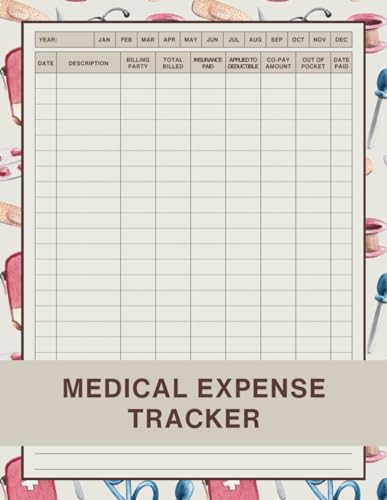
Medical Expense Tracker: A Record Logbook for Keeping Track Your Medical Spending, Bills, and Payment All in One Place | Health Expense Organizer: Media, Tylissa A.: Amazon.com
View on AmazonRecommended Resources
The Health Care Handbook: A Clear and Concise Guide to the United States Health Care System
The fully revised third edition <strong>provides concise coverage on health care delivery, insurance and economics, policy, and reform</strong>—all critical components of the system in which health ca
Samsill Duo 2-in-1 Document and File Organizer, 1 Inch 3 Ring Binder + 7 Pocket Accordion/Expanding File, Coral
The spacious pockets let you keep your important documents, certificates, bills, files, etc. organized. It is perfect for using as a 7-subject organizer for school. It comes with blank write-on index
Medical Expense Tracker: A Record Logbook for Keeping Track Your Medical Spending, Bills, and Payment All in One Place | Health Expense Organizer: Media, Tylissa A.: Amazon.com
<strong>Medical Spending Record</strong>: A Logbook for Keeping Track Your Medical Expenses, Bills, and Payment All in One Place | Health Expense Organizer
Related Articles
- Health Insurance in South Dakota: Plans, Costs & How to Enroll
- Health Insurance in North Carolina: Plans, Costs & How to Enroll
- Health Insurance in Nebraska: Plans, Costs & How to Enroll
- Health Insurance in Minnesota: Plans, Costs & How to Enroll
- Health Insurance in Montana: Plans, Costs & How to Enroll
- Health Insurance in New Mexico: Plans, Costs & How to Enroll
- Health Insurance in Mississippi: Plans, Costs & How to Enroll
- Life Insurance in North Dakota: Coverage Options, Costs, and How to Choose