
Health Insurance in Wyoming: Plans, Costs & How to Enroll
You’re shopping for health insurance in Wyoming and the prices seem high. Is that normal here, and what’s the smartest way to lower your costs? This guide walks you through your options, typical premiums, how enrollment works, and how to pick a plan you’ll actually be happy with once you need care.
Wyoming’s a bit different: with fewer insurers and long distances between providers, premiums can run higher than many states. The good news is most residents qualify for federal subsidies that can make marketplace plans surprisingly affordable. The fastest way to see what you would actually pay is to compare quotes from 3–5 carriers and check your subsidy in real time.
Your health insurance options in Wyoming
Wyoming residents typically choose from four paths: the Affordable Care Act (ACA) marketplace, Medicaid/CHIP, employer coverage, or private plans bought directly from an insurer.
1) ACA marketplace plans (HealthCare.gov)
- What it is: The federal marketplace at HealthCare.gov is where you shop for ACA-compliant plans that must cover essential health benefits (preventive care, prescriptions, maternity, mental health, and more) and can’t deny you for pre-existing conditions.
- Why it matters in Wyoming: Most enrollees qualify for premium tax credits (dollar-for-dollar subsidies that lower your monthly price) and, if you pick a Silver plan and your income qualifies, cost-sharing reductions (extra savings that lower your deductible and copays).
- Networks: Expect HMO- or EPO-style networks in most counties. That means you’ll generally use in-network doctors for non-emergencies; out-of-network care typically isn’t covered except for emergencies.
2) Medicaid and CHIP (public coverage)
- Medicaid: Wyoming has not expanded Medicaid to all low-income adults. Eligibility is limited to specific groups such as children, some parents/caretaker relatives, pregnant people, and individuals who are aged, blind, or disabled. Income limits vary by group and change annually.
- Kid Care CHIP: Wyoming’s Children’s Health Insurance Program (CHIP) covers many children in families with incomes too high for Medicaid but still moderate. It often has very low or no premiums.
Tip: If you’re not sure where you fall, start an application at HealthCare.gov or contact the Wyoming Department of Health. They’ll route you to the right program based on your household size, income, and age.
3) Employer-sponsored insurance (ESI)
- If you have access to a job-based plan, that’s often your lowest net cost because your employer typically pays part of the premium.
- The “family glitch” fix: If your employer plan is affordable for you but not for your dependents, your spouse and kids may now qualify for marketplace subsidies even if you don’t. It depends on the employer’s contribution toward family coverage.
4) Private, off-exchange plans and short-term coverage
- Off-exchange ACA plans: A few insurers sell ACA-compliant plans directly. These have the same essential benefits but you can’t use federal subsidies unless you enroll through HealthCare.gov, so most people are better off purchasing on the marketplace.
- Short-term plans: These are limited-duration policies that don’t follow ACA rules (they can exclude pre-existing conditions and essential benefits). As of 2024 federal rules, short-term plans are capped at 3 months, with a possible one-month renewal. They can be a temporary patch if you miss enrollment, but they aren’t a substitute for comprehensive coverage.
Average health insurance premiums in Wyoming by plan type and age
Let’s set expectations. Wyoming premiums are typically higher than the national average because of smaller risk pools and fewer insurers in many counties. That said, most shoppers don’t pay the sticker price—premium tax credits can reduce your monthly cost dramatically based on your income.
Pre-subsidy ballpark ranges we often see in Wyoming for a 40-year-old non-smoker looking at marketplace plans:
- Bronze: roughly $400–$750 per month
- Silver: roughly $600–$1,050 per month
- Gold: roughly $800–$1,200+ per month
Important notes:
- These are illustrative ranges, not quotes. Actual rates vary by county, insurer, plan design, and year. Always check current prices on HealthCare.gov.
- Subsidies can reduce those numbers substantially. Many households with moderate incomes pay much less than the pre-subsidy price.
How age changes the price (ACA age rating):
- 21-year-old: often about half to two-thirds the 60-year-old rate.
- 40-year-old: a common reference point (examples above).
- 50-year-old: often around 1.5–1.8x the 21-year-old’s premium.
- 60-year-old: can be up to about 3x the 21-year-old’s premium (the ACA caps the age ratio).
Real-world examples (illustrative, not quotes):
- You’re 35, single, in Cheyenne, making $38,000/year. A mid-level Silver plan with a pre-subsidy price of $800 could drop to the $200–$300 range after a premium tax credit, depending on the benchmark plan in your county.
- You’re 60, married, in Casper, household income $58,000 for two. Even though pre-subsidy premiums might be $1,400–$1,900 per person for Silver, your combined subsidy could be large enough to make a mid-tier plan more manageable. Always run the numbers—subsidies scale with both income and the local benchmark.
The fastest way to see your true price: compare quotes from 3–5 carriers and let the system calculate your subsidy based on your ZIP code, household size, and income estimate.
Wyoming Medicaid eligibility and enrollment
Wyoming has not adopted Medicaid expansion. That means Medicaid eligibility is limited to certain groups, and income thresholds can be strict for adults without disabilities. Here’s the high-level picture (specific dollar amounts change annually):
- Children: Many qualify for Medicaid or Kid Care CHIP at higher income limits than adults.
- Pregnant people: May qualify for pregnancy-related Medicaid at higher income thresholds than other adults.
- Parents/caretaker relatives: Eligible at lower income levels if living with and caring for a dependent child.
- Aged, blind, or disabled (ABD): May qualify based on disability status and income/resources; Medicare Savings Programs can also help with Medicare costs for eligible seniors and people with disabilities.
- Childless, non-disabled adults: Generally not eligible for full Medicaid coverage in Wyoming based on income alone.
How to apply:
- Online: Start at HealthCare.gov. Your application is routed to Wyoming Medicaid/CHIP if you likely qualify.
- By phone or paper: Contact the Wyoming Department of Health for application options and local assistance.
- Documents to have handy: Proof of identity, immigration/citizenship status if applicable, Social Security numbers, income verification (recent pay stubs or tax return), and information about household members.
If you’re denied Medicaid due to Wyoming’s limited adult eligibility, check marketplace plans immediately—you may qualify for robust subsidies, especially if your income is between 100%–250% of the federal poverty level.
Wyoming health insurance marketplace: open enrollment and special periods
Wyoming uses the federal marketplace at HealthCare.gov.

Smead Poly Expanding File, 12 Pockets, Flap and Cord Closure, Letter Size, Blue (70876) : Expanding File Jackets And Pockets
View on AmazonKey dates (most years):
- Open Enrollment: November 1 to January 15.
- Coverage start dates: Enroll by December 15 for a January 1 start; enroll December 16–January 15 for a February 1 start.
Special Enrollment Periods (SEPs):
- You can enroll outside Open Enrollment if you have a qualifying life event—loss of other coverage, moving to Wyoming, marriage, birth/adoption, or certain changes in immigration status.
- Low-income SEP: If your household income is at or below 150% of the federal poverty level and you qualify for a premium tax credit, you may enroll in a marketplace plan year-round in HealthCare.gov states like Wyoming (availability tied to current federal rules).
- American Indians and Alaska Natives: Members of federally recognized tribes can change marketplace plans once per month and may qualify for zero cost-sharing on certain plans.
What insurers look for when you claim a SEP:
- You may need to submit documents—proof you lost coverage, proof of move to a new county, or proof of household change. Watch your HealthCare.gov inbox and respond quickly to avoid delays or plan cancellation.
How to compare and choose the best health plan in Wyoming
Here’s what actually matters when choosing a plan you’ll be happy with in April, not just on January 1.

Never Pay the First Bill: And Other Ways to Fight the Health Care System and Win: Allen, Marshall
Drawing on 15 years of investigating the health care industry, reporter Marshall Allen <strong>shows how companies and individuals have managed to force medical providers to play fair, and shows how y
Check Price on AmazonWhat to look for
- Total cost of care, not just the premium: Add up the monthly premium plus your expected deductible (the amount you pay out of pocket before insurance kicks in), copays (fixed dollar amounts for services), and coinsurance (a percentage you pay after the deductible). A low premium with a sky-high deductible isn’t always a win.
- Metal level fit:
- Bronze: Lowest premiums, highest out-of-pocket. Good if you rarely see a doctor and can handle a large deductible in a bad year.
- Silver: Middle ground. If your income qualifies you for cost-sharing reductions (generally up to 250% FPL), Silver plans can dramatically lower your deductible and copays.
- Gold: Higher premiums, lower out-of-pocket. Good if you expect regular care or prefer predictable costs.
- Provider network in Wyoming: Check if your primary care doctor, key specialists, and preferred hospital are in-network. In rural areas, a plan’s network can be the difference between a quick visit in town and a long drive.
- Prescription drug coverage: Confirm your medications are on the plan’s formulary (the list of covered drugs) at a reasonable tier.
- Referrals and rules: Some HMOs require referrals to see specialists; EPOs usually don’t cover out-of-network care except emergencies.
- HSA eligibility: If you prefer to save pre-tax dollars, look at HSA-eligible High Deductible Health Plans (HDHPs). These pair well for healthy enrollees who want a tax-advantaged cushion for unexpected costs.
- Out-of-state access: If you split time between Wyoming and another state, check multi-state networks and telehealth benefits.
- Maternity and mental health: All ACA plans cover these, but the networks and copays vary a lot—important to compare if you’ll use these services.
- Plan quality ratings: HealthCare.gov shows 1–5 star ratings for some plans—helpful if you’re choosing between similar options.
Practical Wyoming scenarios
- Family in Casper with two kids and regular prescriptions: A Silver plan with cost-sharing reductions could cut your deductible and lower brand-name drug copays. Even if a Bronze plan is cheaper monthly, the total you’d spend on meds and doctor visits could be lower with the enhanced Silver.
- Early retiree in Jackson, age 60: Don’t assume you can’t afford coverage. Because premiums rise with age, premium tax credits can also be substantial. Comparing 3–5 plans at different metal levels will show whether a richer Gold plan actually pencils out.
- Seasonal energy or ranch work with variable income: Estimate your annual income carefully. If it changes, update your application mid-year so your subsidy stays accurate. Underestimating income can mean paying some of the subsidy back at tax time; overestimating can mean you’re leaving monthly savings on the table.
CTA (helpful, not pushy): The fastest way to see your real costs is to compare quotes from 3–5 carriers and let the marketplace calculate your subsidies. It typically takes about 10 minutes if you have your household info handy.
A quick note: For personalized guidance based on your doctors, medications, and budget, talk with a licensed health insurance agent or navigator. Their help is typically free to you.
Wyoming-specific subsidies and financial assistance
- Premium Tax Credits (PTCs): These federal subsidies lower your monthly premium based on your household income and the cost of the benchmark Silver plan in your county. You can take them in advance each month or at tax time.
- Cost-Sharing Reductions (CSRs): If you pick a Silver plan and your income is generally between 100%–250% of the federal poverty level, CSRs lower your deductible, copays, and out-of-pocket maximum. This can be a game-changer in Wyoming where cost-sharing can otherwise be high.
- State-funded subsidies: Wyoming does not currently offer additional state-based premium subsidies on top of the federal ones.
- American Indians and Alaska Natives: Eligible enrollees may qualify for zero cost-sharing on certain marketplace plans and can change plans monthly.
- Local assistance: Many Wyoming hospitals and clinics have financial assistance/charity care policies for eligible patients. If you’re between coverages or facing a large bill, ask the billing office about options.
Pro tip: If you’re offered COBRA after leaving a job, compare it to a subsidized marketplace plan. COBRA can be convenient but is often more expensive because you pay the full employer plan cost plus a small fee. A quick quote check can save you hundreds per month.
Wyoming health insurance marketplace: open enrollment checklist
- Gather info: Dates of birth, Social Security numbers, and projected 2026 household income.
- List your doctors and prescriptions: You’ll use these to filter plans.
- Estimate your income carefully: Use last year’s taxes plus any known changes; update mid-year if your income shifts.
- Upload verification quickly: If HealthCare.gov asks for documents, respond by the deadline to avoid losing coverage or subsidies.
- Set up autopay: Avoid accidental lapses—nonpayment is a common reason for mid-year cancellations.
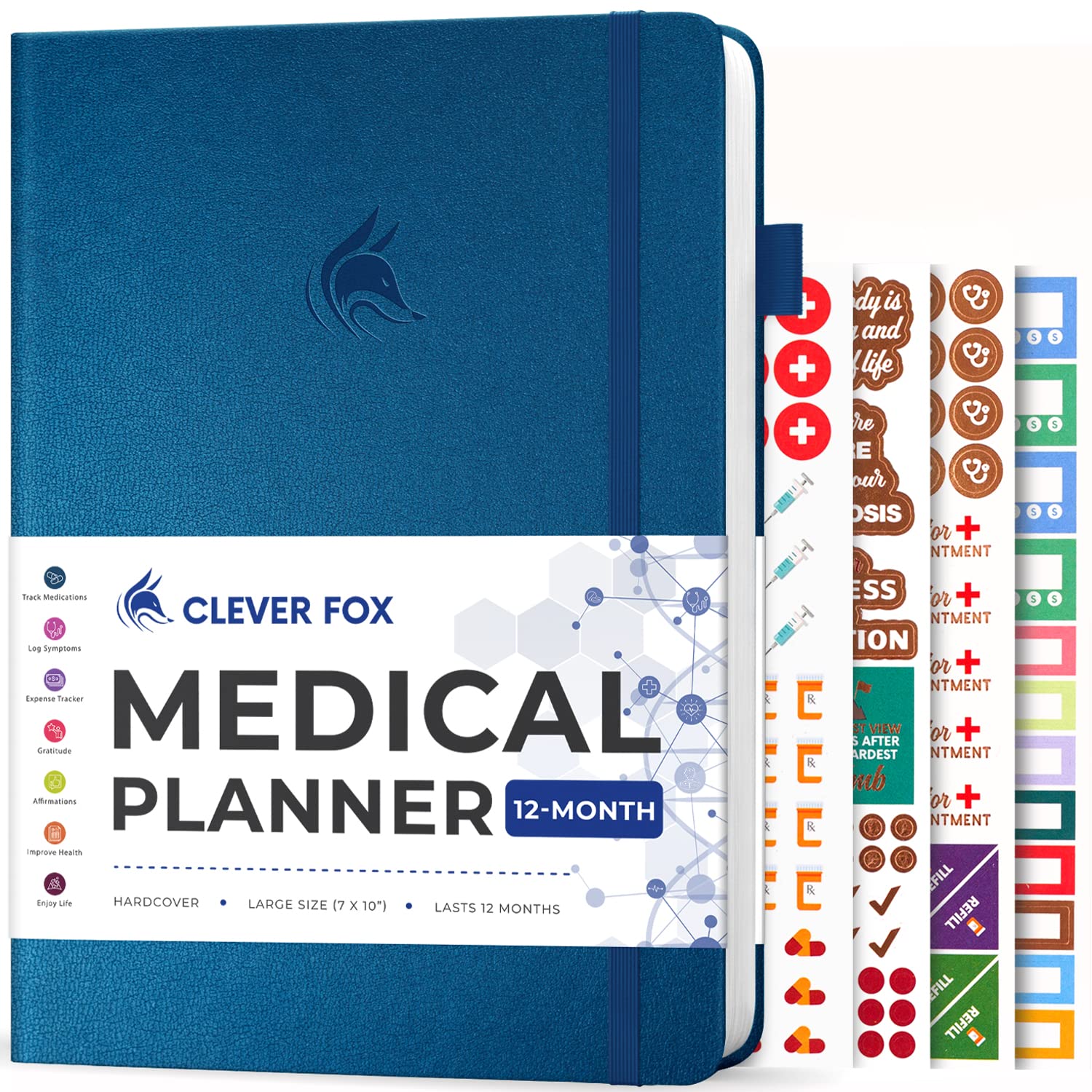
Clever Fox Large Medical Planner 12-Month – Medical Notebook, Health Diary, Wellness Journal & Logbook to Track Health – Self-Care Medical Journal – 12 Months, Undated, 7″ x 10.5″ (Forest Green)
View on AmazonFAQ: common questions about health insurance in Wyoming
- Is there a tax penalty in Wyoming if I’m uninsured? No. There’s no federal penalty, and Wyoming doesn’t have a state mandate as of now.
- Can I use doctors in Colorado, Idaho, Montana, or Utah? Sometimes. PPOs are rare on the marketplace in Wyoming. HMOs/EPOs generally cover emergencies out-of-network but not routine care. Check each plan’s network and out-of-area policies.
- Are short-term plans allowed in Wyoming? Yes, but they’re limited in duration (generally up to 3 months with a possible short renewal under federal rules) and can exclude pre-existing conditions and essential benefits. They are not ACA-compliant and don’t qualify for subsidies.
- I’m self-employed. Where do I shop? The HealthCare.gov marketplace is usually best. You can deduct health insurance premiums on your federal taxes if you’re eligible; consult a tax professional.
- When does my coverage start? During Open Enrollment, enroll by December 15 for January 1 coverage. During a Special Enrollment Period, coverage typically starts the first of the month after you enroll, but some events (like birth/adoption) have different rules.
- Can my college student stay on my plan? Children can stay on a parent’s plan until age 26. If they attend school far from your network, consider a plan with providers near campus or have them enroll separately.
- What if I move to Wyoming mid-year? Moving to a new county/state triggers a Special Enrollment Period. You’ll likely need to show proof of your move and prior coverage.
Your smart next step
- Spend 10 minutes comparing marketplace options. See your subsidy and real monthly price.
- Check networks for your doctors and prescriptions.
- If you’re unsure, connect with a licensed agent or navigator—it’s typically free and can save you from painful surprises later.
If you’re also reviewing your Wyoming insurance picture more broadly, you may find these helpful:
- Auto Insurance in Wyoming: Rates, Requirements & How to Save
- Home Insurance in Wyoming: Coverage, Costs & Best Companies
Reminder: Actual premiums and eligibility vary based on your age, location, household size, tobacco use, and income. Always verify details on HealthCare.gov or with a licensed Wyoming agent before you enroll.
Recommended Resources
Never Pay the First Bill: And Other Ways to Fight the Health Care System and Win: Allen, Marshall
Drawing on 15 years of investigating the health care industry, reporter Marshall Allen <strong>shows how companies and individuals have managed to force medical providers to play fair, and shows how y
Clever Fox Large Medical Planner 12-Month – Medical Notebook, Health Diary, Wellness Journal & Logbook to Track Health – Self-Care Medical Journal – 12 Months, Undated, 7″ x 10.5″ (Forest Green)
Unexpected healthcare bills can put a large dent in your finances. Be prepared and manage your expenses well with the medical expense tracker. Blood pressure, lab tests, insurance providers, and medic
Smead Poly Expanding File, 12 Pockets, Flap and Cord Closure, Letter Size, Blue (70876) : Expanding File Jackets And Pockets
Includes 1 letter size <strong>(13” W x 9-1/2” H</strong>) poly expanding file jacket in blue with 12 pockets and clear indexed dividers to keep your documents neatly sorted · Closed on three sides to
Related Articles
- Home Insurance in Wyoming: Coverage, Costs & Best Companies
- Auto Insurance in Wyoming: Rates, Requirements & How to Save
- Health Insurance in Oklahoma: Plans, Costs & How to Enroll
- Health Insurance in Idaho: Plans, Costs & How to Enroll
- Health Insurance in Arizona: Plans, Costs & How to Enroll
- Health Insurance in Utah: Plans, Costs & How to Enroll
- Health Insurance in Montana: Plans, Costs & How to Enroll
- Health Insurance in Arkansas: Plans, Costs & How to Enroll