
Home Insurance in Texas: Coverage, Costs & Best Companies
You’re pricing home insurance in Texas and the numbers feel all over the place. Is that normal? Short answer: yes. Texas has some of the most weather-exposed real estate in the country, and carriers price accordingly. This guide breaks down what home insurance in Texas actually covers, what it typically costs, how to compare quotes the smart way, and how to save without leaving yourself underinsured.
Before we dive in, quick note: rates vary by carrier, location, home features, and your personal profile. The fastest way to see what you would actually pay is to compare quotes from 3–5 companies.
1) Texas homeowners insurance requirements and typical coverage
There’s no state law that forces you to buy homeowners insurance. But if you have a mortgage, your lender will require it—and usually want enough coverage to rebuild the home at today’s prices.
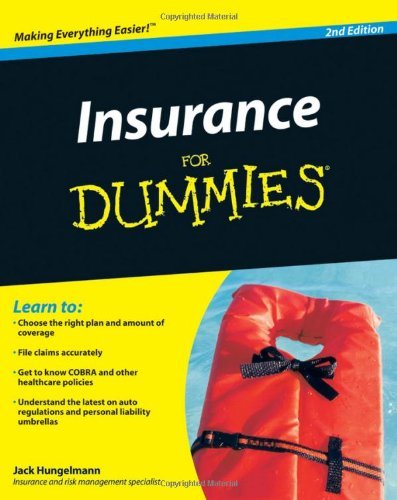
Insurance For Dummies?: Hungelmann, Jack
Whether you’re a homeowner or ... need on: ... Author Jack Hungelmann <strong>uses his twenty-five years of experience in the insurance industry to make buying insurance as simple as possible</strong>
Check Price on AmazonMost Texas homeowners buy an HO-3 policy (a standard homeowners policy form). Some choose HO-5 (a broader version). Here’s what a typical policy includes:
- Dwelling coverage (Coverage A): Pays to rebuild your home structure if it’s damaged by a covered peril (like fire, wind, or hail). Your dwelling limit should reflect the home’s replacement cost—the cost to rebuild at current materials and labor, not the purchase price or market value.
- Other structures (Coverage B): Covers things like fences, detached garages, and sheds—often 10% of your dwelling limit by default.
- Personal property (Coverage C): Covers your belongings (furniture, clothing, electronics). You can choose replacement cost (RCV—what it costs to buy new) or actual cash value (ACV—depreciated). Replacement cost is typically worth the extra premium.
- Loss of use (Coverage D): Also called additional living expenses (ALE). Pays for temporary housing and extra expenses if you can’t live at home after a covered loss.
- Personal liability (Coverage E): Protects you if you’re sued for injuries or property damage you cause to others, on or off your property. Many Texans choose $300,000–$500,000 here; if you have significant assets, consider a $1 million umbrella policy.
- Medical payments to others (Coverage F): Small, no-fault medical coverage if a guest is hurt at your home.
What’s typically not covered without add-ons (endorsements):
- Flood: Rising water from storm surge, river overflow, or heavy rain is excluded. You need separate flood insurance (through the National Flood Insurance Program or private flood). There’s typically a 30-day waiting period.
- Earth movement/earthquake: Usually excluded; optional endorsements are available.
- Sewer or drain backup: Often excluded unless you add water backup coverage.
- Foundation damage from settling/soil movement: Excluded. However, many Texas carriers offer a foundation endorsement for damage directly caused by a sudden plumbing leak under the slab. It won’t cover ordinary settling.
- Mold: Often limited or capped; you can sometimes buy higher limits, but availability varies by carrier.
- Roof surfaces ACV: Many Texas policies default to paying actual cash value on older roofs (depreciated value). You can often buy replacement cost for roofs—ask specifically.
Want a quick refresher on the basics? See What Does Home Insurance Cover? (This is a great primer if you’re new to home insurance.)
- Internal resource: /home-insurance/what-does-home-insurance-cover
Coastal wind coverage and TWIA
In designated coastal counties, some private insurers exclude wind and hail. If you’re declined or your policy excludes wind, check the Texas Windstorm Insurance Association (TWIA)—a state-backed option for wind/hail coverage. To be eligible, homes typically must meet building code standards; you may need a WPI-8 certificate (proof of windstorm inspection/compliance).
Deductibles in Texas: what to expect
- All-perils deductible: Your standard deductible (the amount you pay out of pocket before insurance kicks in) that applies to most claims—often $1,000–$2,500.
- Wind/hail deductible: In many Texas policies, wind/hail has its own separate deductible—often a percentage of your dwelling limit (1–2%, sometimes higher on the coast). On a $400,000 home, a 2% wind/hail deductible means you pay the first $8,000 of wind or hail damage.
2) Average home insurance costs in Texas by home value and location
Texas premiums are higher than the national average due to hail, wind, hurricanes, and rebuilding costs. Realistically, the same home can see very different rates depending on the ZIP code, roof age, and insurer appetite.
Here are ballpark annual premium ranges for owner-occupied, single-family homes with good credit and a standard deductible. These are examples—not quotes. Your rate could be outside these ranges.
By home value (assuming typical construction and a replacement cost match):
- $200,000 dwelling limit: roughly $1,600–$3,200
- $300,000 dwelling limit: roughly $2,200–$4,200
- $500,000 dwelling limit: roughly $3,200–$6,500+
By region (for a $300,000 dwelling limit, standard coverages):
- Houston/Gulf Coast: $2,800–$5,000+ (wind/hail and storm surge exposure; wind coverage may be separate via TWIA)
- Dallas–Fort Worth and North Texas: $2,400–$4,500 (hail alley, severe thunderstorms)
- Austin and Central Texas: $2,000–$3,800 (hail risk varies by suburb; wildfire risk in some Hill Country areas)
- San Antonio and South Texas (non-coastal): $2,000–$3,700 (severe weather, some hail and wind exposure)
- West Texas/El Paso: $1,700–$3,100 (lower hurricane risk; wind/hail varies)
- Panhandle/Lubbock/Amarillo: $2,200–$4,200 (hail and wind exposure)
Example: Say you own a $350,000 home in Round Rock with a 10-year-old composition shingle roof, no prior claims, and you choose a $2,500 all-perils deductible and a 2% wind/hail deductible. It wouldn’t be unusual to see quotes range from around $2,200 to $3,400 per year—sometimes more—depending on the carrier’s view of local hail risk and roof condition.
Carriers price dynamically, so the best deal for your neighbor may not be best for you. That’s why quote comparisons matter.
3) Texas-specific risks: natural disasters, weather, and regional factors
- Hurricanes and tropical storms (Gulf Coast): Wind damage and storm surge; flood insurance is separate from homeowners. Many coastal homes get wind from TWIA and flood from NFIP/private flood, then standard homeowners for fire/theft/liability.
- Hail (North and Central Texas): Frequent, costly claims. Roof material, roof age, and whether your policy pays ACV or replacement cost for roof surfaces can dramatically change your out-of-pocket cost.
- Tornadoes and severe thunderstorms: Especially in North and Central Texas; drives deductibles and coverage terms.
- Flooding: Urban flash floods and bayou overflow around Houston, river flooding across Central Texas, and storm surge on the coast. Even outside high-risk zones, flooding happens. Consider flood coverage if heavy rain could pool against your home.
- Wildfire: Hill Country and West Texas can see wildfire risk; defensible space and Class A roofing help.
- Foundation issues: Expansive clay soils can cause settling (excluded), but sudden leaks under slab can be covered if you have the right endorsement. Ask about foundation water damage coverage.
Home features that can move your rate up or down in Texas:
- Up: older/aging roofs, wood shake roofs, multiple prior claims, proximity to coast, trampolines/pools without safety features, knob-and-tube wiring, no wind/roof upgrades
- Down: impact-resistant shingles, recent roof replacement, hail-resistant roofing materials, hurricane clips/roof-to-wall connections on the coast, monitored security, smart leak sensors, fire sprinklers
4) How to compare home insurance quotes in Texas
Here is what actually matters when choosing a policy—not just the price you see on page one of the quote.
Dwelling limit and valuation method
- Make sure the Coverage A limit matches realistic replacement cost. Ask the carrier which cost estimator they use and what building features they assumed (brick vs. siding, roof type, custom finishes).
- Look for extended replacement cost (an extra 10–50% cushion for rebuilding cost spikes). This can be huge after a catastrophe when labor and materials surge.
Roof surface coverage
- Is your roof covered at replacement cost (RCV) or actual cash value (ACV)? On an older roof, ACV can leave you paying several thousand out of pocket after hail.
- Any cosmetic damage exclusions for metal roofs? Know the fine print.
Deductibles
- Confirm you have a separate wind/hail deductible and know the percentage. Price out 1% vs. 2% vs. higher. A higher percentage lowers premium but raises your worst-day out-of-pocket.
Water damage and foundation
- Add water backup (covers damage from a backed-up drain/sump; typical limits $5,000–$25,000). In many homes, this is one of the highest bang-for-buck endorsements.
- Ask about the foundation endorsement for damage caused by a sudden, covered plumbing leak—common in slab-on-grade homes in Texas.
Personal property coverage type
- Choose replacement cost (RCV) for belongings; ACV can be disappointing on furniture/electronics.
Liability limits and extras
- Consider $500,000 liability. If you have a pool or dog with bite risk, this matters. Umbrella policies are often affordable and add another $1M+ of liability across home/auto.
Ordinance or law coverage
- Pays for code-required upgrades during repairs. Older homes benefit from higher limits here.
Claims service and catastrophe capacity
- Ask how the carrier handled prior Texas hail/hurricane events. Do they use local adjusters? What’s their average time to settle after catastrophes? You’re buying a claims promise.
Eligibility for wind/flood on the coast
- Confirm whether the policy includes wind/hail. If not, plan for TWIA and separate flood.
If you want a broader primer on reading quotes and building a coverage checklist, see our Home Insurance Guide 2026 — Compare Quotes, Coverage & Costs.
- Internal resource: /home-insurance/home-insurance-guide-2026
A quick, helpful next step
The fastest way to see your real price is to compare quotes from at least 3–5 carriers side-by-side with the same deductibles and coverage limits. A licensed Texas agent can also help you sort through roof coverage and wind/hail deductibles.
5) Discounts and bundling opportunities for Texas homeowners
Insurers don’t advertise all the discounts clearly. Ask specifically:

YoLink Water Leak Detector 4 with 105dB Audio Alarm, Freeze Warning, App Push, Email Alerts and Limited Text - Smart Water Sensor Alarm w/ Alexa, IFTTT - 1/4 Mile Long Range, Hub Required : Automotive
View on Amazon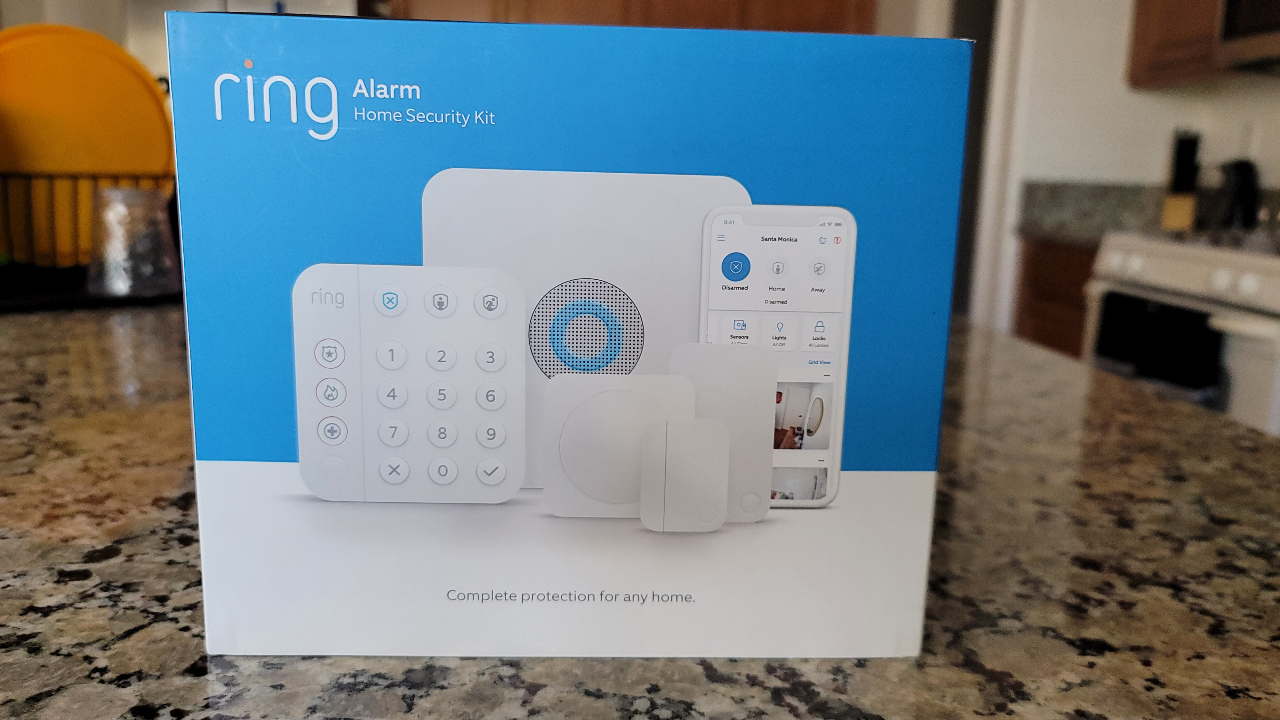
Ring Alarm 8-piece kit (2nd Gen) – home security system
View on AmazonHome + auto bundle: Often the biggest discount. Bundling can reduce home premiums 10–25% in many Texas markets. If you’re shopping auto too, start here. For auto-specific savings strategies in the Lone Star State, see Auto Insurance in Texas: Rates, Requirements & How to Save.
Internal resource: /auto-insurance/auto-insurance-in-texas-rates-requirements-save
New or impact-resistant roof: Class 3 or Class 4 IR shingles can earn a sizable discount and may reduce hail surprises. Some carriers also give a new-roof discount for 5–10 years.
Monitored alarm/smart home: Professionally monitored security and water-leak sensors can help. Some carriers offer a smart-home kit or premium credit if you install leak, smoke, or freeze detectors.
Protective devices: Deadbolts, fire extinguishers, fire sprinklers.
Claims-free: Lookback periods vary (often 3–5 years). Avoid filing small claims that fall near your deductible.
HOA/gated community and new-homebuyer credits: Carrier-specific but common.
Pay-in-full, auto-pay, and paperless billing: Small but easy wins.
Wind mitigation/coastal compliance: If you’re coastal and have a WPI-8 or documented upgrades (hurricane clips, roof deck attachments), ask for the credit.
Pro tip: Don’t chase discounts at the expense of coverage. A 15% discount doesn’t help if you’re stuck with ACV roof coverage and a 2% wind/hail deductible you can’t afford to pay.
6) Filing a home insurance claim in Texas
When something happens, the first 24–48 hours matter. Here’s a practical playbook:
- Safety first and prevent further damage
- Shut off water for leaks, board up broken windows, and tarp the roof if safe. Keep receipts—reasonable emergency repairs are typically reimbursable.
- Document everything
- Take wide and close-up photos/video of all damage, including serial numbers and the cause (hailstones, fallen limb, burst pipe). Create a simple room-by-room inventory of damaged items.
- Notify your insurer promptly
- Most policies require prompt notice. Ask how to submit photos and whether they prefer an in-person or virtual inspection. Texas has prompt-pay claim timelines that generally require insurers to acknowledge and make a decision within defined windows (these may be extended after a catastrophe). Staying responsive helps keep things moving.
- Understand your deductible(s)
- If it’s a wind/hail claim, your percentage deductible may apply. For a $400,000 home with a 2% wind/hail deductible, you’re responsible for the first $8,000 of covered wind/hail damage.
- Estimate and scope
- You’ll receive an estimate outlining what will be repaired or replaced, the settlement amount, and whether depreciation applies (ACV vs. RCV). Ask about recoverable depreciation—often you’re paid the rest once you show the work is completed.
- Choose your contractor
- You can choose your own contractor. Get multiple bids and check references. In Texas, it’s illegal for a contractor to “eat” or waive your deductible. If someone offers this, it’s a red flag.
- Keep communication in writing
- Email is your friend. If something is denied or limited, ask the adjuster to point to the policy language. If needed, you can escalate internally, consult a licensed public adjuster, or speak with the Texas Department of Insurance about next steps.
When to file vs. pay out of pocket? If repair costs are near your deductible, paying out of pocket can preserve your claims-free discount. But for large losses, use your insurance—this is what it’s for.
7) FAQ: common questions about Texas homeowners insurance
What’s the best homeowners insurance company in Texas?
- There’s no single best for everyone. Big brands like State Farm, USAA (for military families), Farmers, Travelers, Nationwide, Liberty Mutual, and Texas Farm Bureau are frequently competitive in different parts of the state. The right fit depends on your roof, location, claims history, and coverage preferences. Compare at least 3–5 quotes.
Do I need flood insurance in Texas if I’m not in a high-risk zone?
- If heavy rain could pool against your home or you live near a bayou/creek, consider it. Many flood claims come from outside high-risk zones. Flood is excluded from standard homeowners—buy separate NFIP or private flood coverage.
Why is my wind/hail deductible a percentage?
- Because wind/hail drive many Texas claims, carriers use percentage deductibles (1–2% or more) to share risk. It keeps premiums more affordable but increases your out-of-pocket on those losses.
What is foundation coverage and do I need it?
- Standard policies exclude settling/soil movement. A Texas-specific endorsement may cover foundation damage caused directly by a sudden, covered plumbing leak. If you have a slab foundation, ask about it.
Is my roof covered at replacement cost?
- Not always. Many Texas policies default to ACV on older roofs. Ask your agent to quote replacement cost on roof surfaces—it can be worth the extra premium in hail-prone areas.
How much liability coverage should I carry?
- Many homeowners pick $300,000–$500,000. If you have higher assets, consider a $1 million umbrella policy (extra liability that sits over home and auto). Rates vary but are often reasonable.
Are my jewelry and firearms fully covered?
- Policies have sublimits for items like jewelry, firearms, and collectibles—often a few thousand dollars. Schedule (list) high-value items for broader coverage and higher limits.
Does Texas offer a last-resort option if I can’t find coverage?
- Yes. The Texas FAIR Plan (for basic property coverage) and TWIA (wind/hail for coastal areas) serve as safety nets when private carriers won’t write a policy. They’re typically more limited and sometimes pricier, so try the standard market first.
What to look for when buying home insurance in Texas
- Replacement cost for both dwelling and personal property
- Roof coverage type (RCV vs. ACV) and any cosmetic exclusions
- Separate wind/hail deductible percentage—and a number you can truly afford
- Water backup and foundation endorsements
- Adequate loss of use and ordinance or law limits
- Strong liability limits and optional umbrella
- Claims reputation and catastrophe response
- Eligibility for wind/flood solutions if coastal
Call-to-action: get your real Texas rate
You’ve got the framework. Now see how it prices out for you. Request quotes from 3–5 carriers with the same limits and deductibles so you can compare apples-to-apples. A licensed Texas agent can help you fine-tune roof and wind/hail coverage and find discounts you actually qualify for.
A few real-world scenarios
- 35-year-old homeowner in Frisco with a 2018 roof, $400,000 dwelling, 1% wind/hail deductible: Could see a spread from roughly $2,200 to $3,600 across carriers, with the biggest price swings tied to roof coverage type and claims history.
- 55-year-old retiree in Corpus Christi, $300,000 dwelling, wind via TWIA + homeowners + flood: Total protection may bundle across multiple policies. The combined cost can be higher than inland, but raising deductibles and adding wind mitigation improvements can help.
- 42-year-old in San Antonio with older plumbing and no water backup coverage: A $7,000 sewer backup becomes an out-of-pocket bill. Adding a $10,000–$25,000 water backup endorsement often costs far less than a single claim.
One more helpful resource
If you want to go deeper on coverage decisions and policy add-ons, our state-agnostic explainer is a great companion to this guide: What Does Home Insurance Cover?
- Internal resource: /home-insurance/what-does-home-insurance-cover
Working with a licensed agent
Every home and ZIP code in Texas is a little different. A licensed agent can help you estimate a realistic replacement cost, evaluate roof coverage options, and layer in the right endorsements for your risk profile. No one can promise a specific rate, but good guidance typically helps you avoid costly gaps.
Final next step
Grab 10 minutes, line up your home details (year built, roof age/material, square footage, updates), and compare at least 3–5 quotes. That’s the clearest, fastest path to finding strong home insurance in Texas at a fair price—without sacrificing the coverage you actually need.
Recommended Resources
Insurance For Dummies?: Hungelmann, Jack
Whether you’re a homeowner or ... need on: ... Author Jack Hungelmann <strong>uses his twenty-five years of experience in the insurance industry to make buying insurance as simple as possible</strong>
Ring Alarm 8-piece kit (2nd Gen) – home security system
<strong>24/7 Professional Monitoring</strong> If a break-in or emergency is detected, we’ll request emergency response.² <strong>24/7 Professional Monitoring</strong> · If a break-in or emergency is d
YoLink Water Leak Detector 4 with 105dB Audio Alarm, Freeze Warning, App Push, Email Alerts and Limited Text - Smart Water Sensor Alarm w/ Alexa, IFTTT - 1/4 Mile Long Range, Hub Required : Automotive
YoLink Water Leak Starter Kit: <strong>Hub + 6 Leak Sensor 4 (105 dB Siren), LoRa Long-Range, App/SMS/Email Alerts, D2D Offline, 2 AAA Up to 5-Year Battery, Compatible with Alexa/IFTTT/Home Assistant<
Related Articles
- Homeowners Insurance in Texas: Coverage, Costs & Get Quotes
- Auto Insurance in Texas: Rates, Requirements & How to Save
- Home Insurance in Tennessee: Coverage, Costs & Best Companies
- Home Insurance in Georgia: Coverage, Costs & Best Companies
- Home Insurance in Wyoming: Coverage, Costs & Best Companies
- Home Insurance in Alabama: Coverage, Costs & Best Companies
- Home Insurance in Colorado: Coverage, Costs & Best Companies
- Home Insurance in California: Coverage, Costs & Best Companies