
Health Insurance in Montana: Plans, Costs & How to Enroll
You just want to know: what will health insurance in Montana actually cost me, and how do I enroll without making an expensive mistake? Here’s the plain-English guide to how health insurance in Montana works, what options you have, typical prices, and how to choose a plan you won’t regret.
Note up front: rates vary by county, age, tobacco use, and plan. The fastest way to see what you would actually pay is to compare quotes from 3–5 carriers side by side.
Your health insurance options in Montana
If you’re buying health insurance in Montana, your choices typically fall into five buckets. Each has trade-offs in cost, network (the doctors and hospitals that take your plan), and how you enroll.
1) Employer-sponsored coverage (job-based plans)
Many Montanans get coverage at work. Employers usually cover part of the premium (the monthly bill), which keeps your cost down. You’ll choose from the employer’s menu of plans, often HMO, PPO, or HDHP options:
- HMO (Health Maintenance Organization): lower premiums, but you generally must use in-network doctors and need referrals.
- PPO (Preferred Provider Organization): broader provider choice and out-of-network coverage, usually with higher premiums.
- HDHP (High-Deductible Health Plan): pairs with a Health Savings Account (HSA). You’ll pay a higher deductible (the amount you pay out of pocket before insurance kicks in) in exchange for a lower premium.
If you lose employer coverage, you may qualify for COBRA (continuing the same plan, but you pay the full cost) or a Special Enrollment Period on the marketplace to switch to an Affordable Care Act (ACA) plan.
2) The ACA marketplace (HealthCare.gov)
Montana uses the federal marketplace at HealthCare.gov. These are ACA-compliant plans that must cover essential health benefits (hospital, doctor visits, prescriptions, mental health, maternity, and more). You can only buy or change these plans during Open Enrollment or if you qualify for a Special Enrollment Period (more on timing below).
Why use the marketplace? It’s the only place to get premium tax credits (subsidies that lower your monthly premium) and cost-sharing reductions (extra help that lowers your deductible and copays if your income qualifies). In most cases, this is the most affordable route for people without job-based coverage.
3) Medicaid and Healthy Montana Kids (HMK)
Montana expanded Medicaid to cover more low-income adults. If your household income is within limits (more on eligibility below), you can enroll year-round and pay little to no premium. Children in Montana may qualify for Healthy Montana Kids (HMK), the state’s Medicaid/CHIP program, even if adults in the household don’t qualify.
4) Medicare (age 65+ or certain disabilities)
If you’re 65 or have certain disabilities, Medicare becomes your primary coverage. You’ll choose Original Medicare (Parts A and B) with optional Part D (prescriptions) and a Medigap supplement, or a Medicare Advantage plan. If you’re still working at 65, compare your employer plan side-by-side with Medicare before deciding.
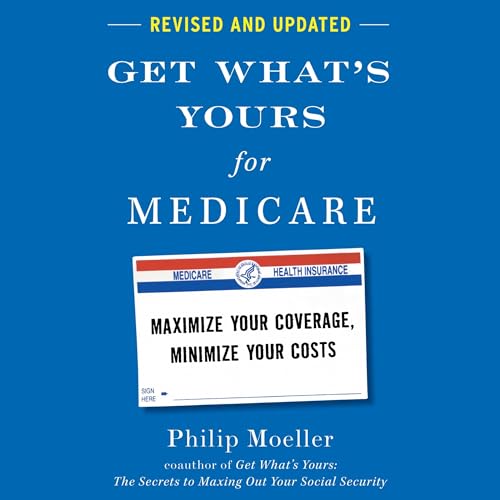
Get What's Yours for Medicare - Revised and Updated: Maximize Your Coverage, Minimize Your Costs (The Get What's Yours Series): Moeller, Philip
Get What's Yours for Medicare - Revised and Updated: <strong>Maximize Your Coverage, Minimize Your Costs</strong> (The Get What's Yours Series) [Moeller, Philip] on Amazon.com. *FREE* shippi
Check Price on Amazon5) Short-term and other non-ACA plans (buyer beware)
Short-term medical plans can fill a temporary gap but typically do not cover pre-existing conditions, maternity, some prescriptions, or mental health care. They can also have annual benefit caps. In most cases, if you can qualify for an ACA plan or Medicaid, that’s a safer bet for comprehensive protection.
Average health insurance premiums in Montana by plan type and age
Here’s what actually drives price:
- Age: premiums increase as you get older. Under federal rules, a 64-year-old can be charged up to 3x what a 21-year-old pays for the same plan.
- County and network: rural counties may have fewer provider options, which can affect pricing. Networks also vary (some plans contract with certain hospital systems and not others).
- Tobacco use: smokers can be charged more.
- Metal level: Bronze, Silver, and Gold refer to cost-sharing, not quality. Bronze usually has the lowest premiums and highest deductibles; Gold the opposite.
Ballpark, before subsidies, many counties in Montana typically see quotes something like this for a single adult (your results will vary):
- Bronze: often in the $300–$450/month range for a 40-year-old
- Silver: often in the $400–$600/month range for a 40-year-old
- Gold: often in the $500–$750/month range for a 40-year-old
How age shifts the price (illustrative, pre-subsidy):
- 30-year-old in Billings: Bronze could show around $280–$420; Silver around $360–$540.
- 50-year-old in Missoula: Bronze could show around $450–$650; Silver around $550–$800.
- 60-year-old in Great Falls: Bronze could show around $600–$900; Silver around $750–$1,100.
Important: subsidies can dramatically reduce these sticker prices. Many Montanans see net premiums far below the amounts above once premium tax credits apply. The only reliable way to know your cost is to run your specific household details through the marketplace quote tool or compare quotes from multiple carriers.
Montana Medicaid eligibility and enrollment
Montana participates in Medicaid expansion. That means many low-income adults, parents, and caretakers can enroll if their income falls within the limits for their household size.
- Adults 19–64: Typically eligible up to 138% of the federal poverty level (FPL) under expansion. There’s no asset test for this group.
- Pregnant people: Often eligible at higher income thresholds than other adults.
- Children: Healthy Montana Kids (HMK) and HMK Plus (CHIP) cover many kids at higher income levels than adults. Even if you don’t qualify as a parent, your child might.
Enrollment is open year-round. You can apply online through HealthCare.gov (it will route your information to Montana if you’re Medicaid-eligible) or through the Montana Department of Public Health and Human Services. If approved, coverage can be effective retroactively in some situations.
Why check Medicaid first? If you qualify, it’s usually your lowest-cost path with comprehensive benefits and little to no premium.
Montana health insurance marketplace: open enrollment and special periods
Montana uses HealthCare.gov for ACA plans. Timing matters:
- Open Enrollment: Typically runs November 1 through January 15 each year. Enroll by December 15 for coverage starting January 1. Enroll by January 15 for coverage starting February 1.
- Special Enrollment Periods (SEPs): Outside Open Enrollment, you can enroll if you have a qualifying life event. Common examples include losing other coverage, moving to Montana or to a new county, getting married, having a baby, or a significant change in immigration status. You generally have 60 days from the event to enroll.
- Low-income monthly SEP: In recent years, households with incomes at or below 150% FPL have had access to a monthly SEP on HealthCare.gov while enhanced subsidies are in effect. Check the current year’s rules.
- American Indians and Alaska Natives: If you’re a member of a federally recognized tribe, you may change marketplace plans once a month and may qualify for special cost-sharing rules.
- Medicaid/HMK: Enrollment is year-round, no SEP needed.
Miss a deadline? If you don’t qualify for an SEP, you may need to wait for the next Open Enrollment. Short-term plans can bridge a gap, but read exclusions closely.
How to compare and choose the best health plan in Montana
Here is what actually matters when choosing a health plan in Montana. Focus on total cost and access to the doctors and medications you rely on.
AUVON Weekly Pill Organizer Arthritis Friendly, BPA Free Travel 7 Day Pill Box Case with Spring Open Design and Large Compartment to Hold Vitamins, Cod Liver Oil, Supplements and Medication
View on Amazon
Smead All-in-One Healthcare & Wellness Organizer, 13 Pockets, Letter Size, Flap with Elastic Closure, White/Teal (92070)
View on AmazonWhat to look for
- Your doctors and hospitals in-network: Network means the providers that have contracted with your plan. In Montana’s rural areas, some networks are narrower. Check that your preferred primary care, specialists, and hospital (especially critical access hospitals) are in-network. Out-of-network care can be very expensive.
- Total cost of care, not just premium: Add the premium plus your expected out-of-pocket costs. Key terms:
- Deductible: what you pay before the plan starts paying for most services.
- Copay: a fixed dollar amount you pay for a service (like $40 for a doctor visit).
- Coinsurance: the percentage you pay after the deductible (like 20% of a hospital bill).
- Out-of-pocket maximum: the most you’ll pay in a year for covered in-network care. Hitting this cap is your financial worst-case scenario.
- Prescriptions on the formulary: The formulary is the list of covered drugs. Check tiers and prior authorization rules for your meds.
- Metal level fit:
- Bronze: lower premiums, higher deductibles. Good if you rarely see the doctor and want to protect against big bills.
- Silver: middle-of-the-road premiums and cost-sharing. If you qualify for cost-sharing reductions, you must pick Silver to get the extra help (this can make a Silver plan behave like a Gold or Platinum plan).
- Gold: higher premiums, lower deductibles and copays. Good if you have ongoing care.
- HSA-eligibility: If you pick an HSA-qualified high-deductible plan, you can put pre-tax dollars into a Health Savings Account for medical expenses now or in the future.
- Telehealth and mental health access: In a large state with long drives, look for robust telehealth options and clear mental health provider networks.
- Customer support and tools: Online portals, nurse lines, care management—these small things can matter when you need help fast.
Two quick Montana examples
- You’re a 35-year-old in Bozeman who rarely needs care. A Bronze HSA-eligible plan might run a lower premium, and you could fund an HSA for tax savings. But ensure your local clinic is in-network.
- You’re a 58-year-old in Helena managing diabetes. A Gold or strong Silver plan with your endocrinologist and insulin on favorable tiers could save you more overall—even with a higher premium—because of lower copays and coinsurance.
Compliance-aware note: actual plan availability, networks, and pricing vary by county and change each year. Always confirm with the insurer and review the Summary of Benefits and Coverage.
CTA: Want numbers tailored to you? Comparing quotes from 3–5 carriers is the fastest way to see your real options and savings. A licensed Montana agent or navigator can walk you through the details at no cost to you.
Montana-specific subsidies and financial assistance
Montana does not currently offer its own state-funded premium subsidies. However, residents can access substantial federal help on HealthCare.gov:
- Premium Tax Credits (APTC): These lower your monthly premium based on your projected annual income and household size. While rules can change, in recent years there has been no strict upper income cap—the credit phases out when the benchmark Silver plan would cost about 8.5% of your household income. If you earn less, your credit is larger.
- Cost-Sharing Reductions (CSR): If your income qualifies (generally up to 250% FPL), choosing a Silver plan unlocks lower deductibles, copays, and out-of-pocket maximums. At lower income ranges (up to 200% FPL), CSRs can be especially strong.
- American Indian/Alaska Native benefits: Members of federally recognized tribes may qualify for $0 cost-sharing at certain income levels when enrolled in marketplace plans, and they can switch plans monthly.
- Medicaid and Healthy Montana Kids (HMK): If you qualify, this is typically the lowest-cost comprehensive coverage. You can enroll any time.
- Local assistance: Montana has navigator programs and hospital/clinic financial counselors who can help you apply for Medicaid or marketplace subsidies and pick a plan. Look for community health centers and nonprofit enrollment help in your area.
Tip to avoid surprises: If your income changes during the year, update your marketplace application promptly. That keeps your premium tax credit accurate and can help you avoid owing money at tax time.
FAQ: common questions about health insurance in Montana
Does Montana have its own marketplace?
No. Montana uses the federal exchange at HealthCare.gov. That’s where you’ll find ACA plans and qualify for subsidies.
Are premiums higher in rural Montana counties?
They can be. With fewer providers and longer distances, some counties have higher premiums or narrower networks. Always compare plans available in your specific ZIP code.
When can I enroll?
Open Enrollment typically runs November 1–January 15. You may qualify for a Special Enrollment Period (usually 60 days) if you lose coverage, move, marry, have a baby, or experience other qualifying events. Medicaid/HMK enrollments are year-round.
How do subsidies work?
You estimate your annual income when you apply. If eligible, the Premium Tax Credit lowers your monthly premium. You can take it in advance each month or settle it at tax time. Cost-Sharing Reductions further cut deductibles and copays on Silver plans if your income qualifies.
Are short-term plans available in Montana?
Short-term plans are generally available, but coverage is limited. They often exclude pre-existing conditions and some essential benefits. If you can qualify for an ACA plan or Medicaid, those typically offer more complete protection.
Can I stay on my parents’ health plan as a student in Montana?
Yes. Under federal law, you can stay on a parent’s plan until age 26, even if you live in a different state. Check the network to make sure Montana providers are covered.
What if my doctor isn’t in-network?
You can still see them, but you may pay much more—sometimes the full bill. If a favorite clinic or hospital is essential, start your plan search by filtering to networks that include them.
What about COBRA or state continuation?
If your employer has 20+ employees, you may be eligible for federal COBRA when you leave your job. Smaller employers may offer state continuation options. Ask your HR department about your rights and deadlines, then compare the cost to marketplace plans with subsidies.
What if I move within Montana?
A permanent move to a new county usually triggers a Special Enrollment Period. Update your marketplace application within 60 days of the move to review your new plan options and prices.
A quick note on getting help
Health insurance is personal. A licensed Montana agent or a certified navigator can help you compare plans, check your doctors and prescriptions, and apply for subsidies—typically at no cost to you. If you’re unsure whether you qualify for Medicaid or HMK, get help; many families are surprised by what they can get.
Your next step
- Run your household details to see your exact subsidy and plan options on HealthCare.gov.
- Then, compare at least 3–5 Montana plans so you can see how networks, deductibles, and total costs stack up.
- If you’re between jobs or expect a life change, set calendar reminders for Open Enrollment or your SEP window.
CTA: Ready to see real numbers? Compare Montana health insurance quotes now. It’s the fastest way to find a plan that fits your doctors, your meds, and your budget.
Related Montana resources
- Also shopping your other policies? Check our local guides:
Recommended Resources
Get What's Yours for Medicare - Revised and Updated: Maximize Your Coverage, Minimize Your Costs (The Get What's Yours Series): Moeller, Philip
Get What's Yours for Medicare - Revised and Updated: <strong>Maximize Your Coverage, Minimize Your Costs</strong> (The Get What's Yours Series) [Moeller, Philip] on Amazon.com. *FREE* shippi
Smead All-in-One Healthcare & Wellness Organizer, 13 Pockets, Letter Size, Flap with Elastic Closure, White/Teal (92070)
Healthcare documents are stored ... or the hospital. Flap and cord closure adds protection and security. <strong>File includes 12 expanding pockets</strong>....
AUVON Weekly Pill Organizer Arthritis Friendly, BPA Free Travel 7 Day Pill Box Case with Spring Open Design and Large Compartment to Hold Vitamins, Cod Liver Oil, Supplements and Medication
Amazon.com: AUVON Weekly Pill Organizer <strong>Arthritis Friendly, BPA Free Travel 7 Day Pill Box Case with Spring Open Design and Large Compartment to Hold Vitamins, Cod Liver Oil, Supplements and M
Related Articles
- Health Insurance in Mississippi: Plans, Costs & How to Enroll
- Health Insurance in Minnesota: Plans, Costs & How to Enroll
- Health Insurance in Missouri: Plans, Costs & How to Enroll
- Health Insurance in Nebraska: Plans, Costs & How to Enroll
- Health Insurance in Vermont: Plans, Costs & How to Enroll
- Health Insurance in Hawaii: Plans, Costs & How to Enroll
- Health Insurance in Maine: Plans, Costs & How to Enroll
- Health Insurance in North Dakota: Plans, Costs & How to Enroll