
Renters Insurance in Missouri: What It Covers, Costs, and How to Choose
You signed a lease in Kansas City, St. Louis, Springfield—or maybe you’re moving to Columbia for school—and now you’re wondering: Do I actually need renters insurance in Missouri, what does it cover, and how much should I expect to pay? Good questions. Renters insurance in Missouri is typically affordable and surprisingly broad, but there are Missouri-specific risks (tornadoes, hail, water backup) and lease requirements to understand before you buy.
Below, we’ll break down what renters insurance in Missouri covers, typical costs, how claims work, ways to save, and what to look for so you don’t overpay or end up underinsured.
What renters insurance in Missouri typically covers
Renters insurance (often written on an HO-4 policy form) protects you and your stuff, not the building itself. Here’s what’s typically included, with plain-English explanations.
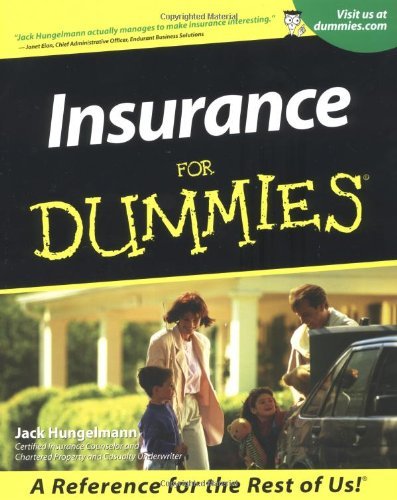
Insurance for Dummies: Hungelmann, Jack
<strong>Manage life, health, and disability risks</strong> ― explore individual and group policies, understand Medicare basics, and evaluate long-term disability and long-term-care insurance ...
Check Price on AmazonPersonal property coverage (your stuff)
- What it is: Coverage for your belongings—furniture, clothes, electronics—if they’re damaged or stolen due to a covered peril (a named cause of loss), such as fire, smoke, theft, vandalism, wind or hail, certain types of water damage (sudden and accidental, like a burst pipe), and more.
- Example: A windstorm shatters your window and rain damages your TV and laptop. Your personal property coverage can help pay to replace them, minus your deductible (the amount you pay out of pocket before insurance pays the rest).
- Off-premises coverage: Your stuff is usually covered even when it’s not at home—like items stolen from your car or while you’re traveling—up to your policy limits and sublimits.
- Replacement Cost vs. Actual Cash Value (ACV): Replacement Cost pays what it costs to buy a new item of like kind and quality; ACV pays the depreciated value. Replacement Cost coverage usually costs a few dollars more per month but often makes a big difference at claim time.
- Sublimits to know: Jewelry, watches, firearms, cash, and certain collectibles usually have lower caps (for example, $1,500 for jewelry theft is common). If you have high-value items, consider scheduling (listing) them with their appraisals for broader coverage.
For a deeper dive into what’s covered and what’s not, see our explainer: Understanding Renters Insurance Coverage: What It Covers, How Much You Need, and How to File a Claim (/home-insurance/understanding-renters-insurance-coverage).
Liability protection (if you’re sued)
- What it is: Liability coverage helps if you accidentally cause injury to someone or damage to someone else’s property and are found responsible. It can cover legal defense and settlements up to your policy limit.
- Example: A guest slips on a wet floor in your kitchen and breaks a wrist. If you’re found liable, your renters policy can help pay medical costs and legal fees.
- Typical limits: $100,000 to $500,000. In most cases, $300,000 is a good starting point. Increasing liability limits is usually inexpensive compared to the protection it provides.
Medical payments to others
- What it is: A smaller, no-fault coverage that helps pay for minor injuries to guests on your premises—think urgent care co-pays—regardless of who was at fault.
- Typical limits: Often $1,000 to $5,000.
Additional Living Expenses (ALE), also called Loss of Use
- What it is: If a covered loss makes your place uninhabitable (say, a kitchen fire), ALE helps cover extra costs while you live elsewhere—hotel bills, increased food costs, laundry—above your normal living expenses.
- Tip: Keep receipts. This coverage reimburses the difference between your normal spend and the higher temporary costs.
Common optional endorsements (add-ons)
- Water backup of sewer or drain: Covers damage from water that backs up through sewers/drains or overflows from a sump pump—typically not covered otherwise. In Missouri’s heavy-rain seasons, this endorsement is often worth it.
- Scheduled personal property: Broader coverage and higher limits for jewelry, fine art, cameras, or musical instruments. Requires appraisals/receipts.
- Identity theft monitoring/coverage: Helps with costs related to identity fraud and recovery services.
- Earthquake coverage: Missouri sits near the New Madrid Seismic Zone. Earthquake isn’t typically included, but you can often add a contents-only earthquake endorsement.
- Replacement Cost on personal property: If not included by default, consider adding it.
Missouri-specific factors that affect coverage and price
Missouri has a unique risk profile. Here’s how that can influence your renters insurance needs and premium (the amount you pay for the policy).
Severe weather: tornadoes, hail, and windstorms
- Tornadoes and hail are common in Missouri. Most renters policies cover wind and hail, but check your deductible. Some insurers in high-risk counties use a separate wind/hail deductible (often a flat amount or a percentage of your personal property limit). Higher deductibles usually lower your premium but increase your out-of-pocket cost in a claim.
- Tip: Ask your agent if your policy has a separate wind/hail deductible and how it applies.
Heavy rain and water backup
- Sudden and accidental water damage (like a burst pipe) is typically covered. Groundwater or surface flooding is not. In areas with older infrastructure or frequent storms, the water backup endorsement is a smart add-on.
- Flooding: Not covered by standard renters insurance. If you live near rivers or flood-prone zones, consider a contents-only flood policy through the National Flood Insurance Program (NFIP). Rates vary.

Govee WiFi Water Leak Detector 3 Packs, Leak Alert with Remotely Email/APP Push and Sound Alarm, Smart Water Sensor with 100dB Adjustable Alarm, Suit for Home and Basement - Amazon.com
View on AmazonEarthquake potential
- Southeast Missouri sits near the New Madrid Seismic Zone. Earthquake damage to your belongings would not be covered without an endorsement or separate earthquake policy. The endorsement typically has a higher deductible.
Theft concerns in urban centers
- Theft rates vary by neighborhood. If you live in a dense area of St. Louis or Kansas City, expect theft risk to be a pricing factor. A monitored alarm system, deadbolts, or living in a controlled-entry building can sometimes earn discounts.
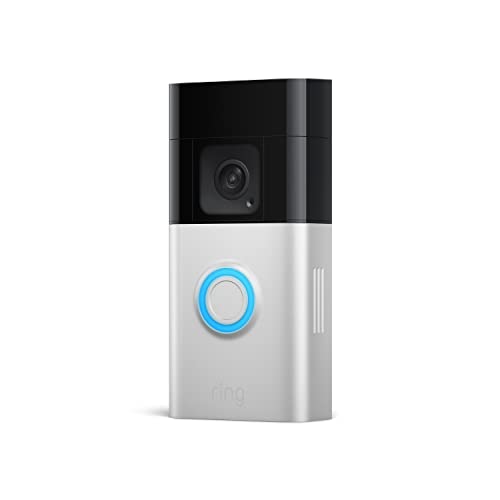
Battery Doorbell Plus | Video Doorbell Camera | Amazon
View on AmazonApartment vs. house rentals
- Apartments often have better fire protection (sprinklers, alarms), which can help rates. House rentals might have older roofs/plumbing or be farther from fire stations—factors that can nudge premiums up.
Pet liability and breed restrictions
- Dog bites are often covered by liability, but some insurers exclude or surcharge for certain breeds. Always disclose your pet. If your lease requires pet liability coverage, confirm the exact limit needed.
Landlord lease requirements
- Missouri doesn’t require renters insurance by law, but many landlords do. Typical lease requirements: proof of renters insurance, $100,000–$300,000 in liability, and listing the landlord as an “interested party” (they get policy notices). That is different from “additional insured,” which can create coverage for the landlord and is not usually appropriate for renters policies.
Credit-based insurance scores
- Missouri allows insurers to use credit-based insurance scores. Improving your credit typically helps lower premiums over time.
How renters insurance claims work in Missouri
You hope you never need it, but if you do, moving quickly and documenting everything helps.
What to do after a loss
- Make sure everyone is safe. If needed, call 911.
- Take steps to prevent further damage (called “mitigation”), like shutting off water or boarding a broken window, if safe to do so.
- For theft or vandalism, file a police report promptly and keep a copy.
- Document the damage: photos, videos, serial numbers, and receipts. A simple spreadsheet of your belongings helps.
- Notify your landlord or property manager as your lease requires.
- Contact your insurer as soon as practicable. Many carriers have 24/7 claim lines and mobile apps.
- Keep receipts for Additional Living Expenses if you need to relocate temporarily.
The claim process, step by step
- Claim intake: You’ll provide your policy number, date of loss, what happened, and an initial list of damaged items.
- Adjuster review: An adjuster may contact you, request documentation, or inspect damage.
- Proof of loss: You may be asked for a sworn statement of what was lost with values and supporting documents.
- Settlement: For personal property, you’ll typically receive payment minus your deductible and based on your coverage type (ACV or Replacement Cost). Replacement Cost often pays ACV first, then an additional payment after you replace the item.
- ALE reimbursement: Submit receipts showing your increased living costs. Insurers typically reimburse above your normal expenses, subject to policy limits and time frames.
How long do claims take?
Timelines vary by the complexity of the loss, documentation, and carrier workflows. Straightforward theft claims can resolve in days or weeks; larger fire or water claims can take longer. If you hit roadblocks, ask your adjuster for a timeline and required documents. You also have the right to escalate concerns to a supervisor. The Missouri Department of Commerce and Insurance oversees insurance in the state if you need consumer assistance.
How much does renters insurance cost in Missouri?
Rates vary by city, building type, coverage amounts, your deductible, your credit-based insurance score, and claims history. For a typical Missouri renter, policies often land between about $12 and $25 per month for $20,000–$30,000 in personal property coverage and $100,000–$300,000 in liability. Your price may be higher or lower based on your situation.
- Example: Say you’re a 30-year-old in Columbia with $25,000 in personal property, $300,000 liability, a $500 deductible, and Replacement Cost coverage. You might see quotes in the mid-teens per month from several carriers, but costs vary.
- Fast reality check: The quickest way to see what you would actually pay is to compare renters insurance quotes from 3–5 carriers. Start here: Renters Insurance: Compare Quotes & Get the Right Coverage Today (/home-insurance/renters-insurance-quotes-coverage).
Ways Missouri renters can save without cutting essential protection
- Bundle with auto insurance: Bundling renters and auto can deliver a sizable discount. If you also want to review your car coverage, here’s a Missouri-specific guide: Auto Insurance in Missouri: Rates, Requirements & How to Save (/auto-insurance/auto-insurance-missouri).
- Right-size your personal property limit: Use a quick inventory to avoid paying for more coverage than you need, but don’t underinsure. A two-bedroom typically needs more than $20,000.
- Choose a sensible deductible: Higher deductibles lower your premium, but set one you can actually afford in an emergency. Common deductibles range from $250 to $1,000.
- Add smart endorsements, skip the fluff: Water backup and Replacement Cost often provide strong value in Missouri. Skip add-ons you won’t use.
- Security and safety discounts: Deadbolts, monitored alarms, smoke detectors, and sprinkler systems can help.
- Claims-free and loyalty discounts: If you’ve been claims-free, ask about it. Some carriers also discount for paperless billing or paying in full.
- Mind your credit: Over time, improving your credit can help reduce your premium in states like Missouri that use credit-based insurance scores.
- Compare carriers annually: Prices move. Requote at renewal, especially after a move or life change.
CTA: Want to see real numbers in minutes? Compare renters insurance quotes from top carriers side by side: Renters Insurance: Compare Quotes & Get the Right Coverage Today (/home-insurance/renters-insurance-quotes-coverage).
What to look for when shopping for a Missouri renters policy
- Replacement Cost on personal property: Ask for it if it’s not built in.
- Adequate personal property limit: Base it on an inventory, not a guess. Don’t forget kitchenware, bedding, tools, and sporting gear.
- Strong liability limit: $300,000 is a smart baseline for most renters. Consider $500,000 if you host frequently or have a dog.
- Water backup endorsement: Particularly useful in older buildings or storm-prone areas.
- Earthquake option if you’re in southeast Missouri: Consider a contents-only earthquake add-on.
- Check sublimits: Jewelry/electronics caps can be low. Schedule high-value items.
- Understand your deductibles: Confirm if wind/hail has a separate deductible.
- Landlord language: Add your landlord as an “interested party” if required—don’t list them as “additional insured” unless the carrier agrees it’s appropriate.
- Roommates: Separate policies are usually cleaner. Sharing a policy can complicate claims and liability.
- Claim reputation and support: Look for responsive claim handling and clear communication.
If you want a step-by-step walkthrough of comparing policies, bookmark this guide: How to Find the Right Renters Insurance: Coverage, Costs, and Buying Tips (/home-insurance/how-to-find-renters-insurance).
Common questions from Missouri renters
Is renters insurance required in Missouri?
Not by state law. However, many Missouri landlords require it in the lease—often with a minimum liability limit (e.g., $100,000–$300,000) and proof of coverage.
How much renters insurance coverage is enough?
- Personal property: Total the cost to replace your belongings today, room by room. Studio apartments might need $15,000–$25,000; larger units often need $25,000–$50,000 or more. Adjust for high-value items.
- Liability: $300,000 is a common and affordable starting point; consider higher if you have assets to protect or a dog.
- Additional Living Expenses: Typically a separate limit; ensure it’s sufficient for a few weeks of hotels and meals in your area.
Does renters insurance cover flood damage in Missouri?
No. Standard renters insurance excludes flood. If you’re in a flood-prone area, consider a contents-only NFIP policy. Your renters policy can still cover wind-driven rain damage if a covered peril (like wind) creates an opening—check your policy specifics.
What about earthquakes from the New Madrid zone?
Not covered unless you add an earthquake endorsement or buy a separate policy. Deductibles for earthquake coverage are usually higher and may be a percentage of your contents limit.
Are my belongings covered in my car?
Yes, usually—personal property is covered off-premises for theft, up to your limits and sublimits. Your auto policy won’t cover personal items; your renters policy will, subject to the deductible. Keep in mind sublimits for certain items and the need for a police report.
I’m a student in Missouri—do I need my own policy?
- Dorms: If you’re a dependent student living in on-campus housing, your parents’ homeowners policy may extend limited coverage (often 10% of their personal property limit). Confirm distance and dependency requirements.
- Off-campus apartments: Get your own renters policy. It’s typically inexpensive and avoids complications with your parents’ coverage.
Will my dog be covered under liability?
Typically yes, but some carriers have breed restrictions or require disclosures. Always tell your insurer about your dog. Consider higher liability limits if you own a dog.
What’s the difference between ACV and Replacement Cost again?
Actual Cash Value pays the depreciated value of your items; Replacement Cost pays what it costs to buy new equivalents today. Replacement Cost usually costs a bit more but often pays out more in a claim.
Should roommates share one policy?
You can add a roommate as a named insured, but separate policies are usually cleaner for claims and privacy. If you share a policy, claims could affect both of your records and splitting claim payments can get messy.
Real-world Missouri scenarios
- Springfield hailstorm: Hail shatters a skylight and rain damages your guitar and desktop. With Replacement Cost coverage and a $500 deductible, you file a claim with photos and receipts. The insurer pays to replace your items (less the deductible). Water backup damage from overwhelmed drains would only be covered if you added the endorsement.
- St. Louis apartment fire: A kitchen fire forces you out for two weeks. Loss of Use covers your hotel and increased meal costs above your normal budget, while personal property coverage handles smoke-damaged furniture.
- Theft from car in Kansas City: A laptop is stolen from your backseat. Your renters policy covers it (subject to sublimits and your deductible). File a police report and submit the serial number.
A quick note on getting personalized advice
Every situation is different—your building, lease requirements, pet, and budget all matter. A licensed insurance agent can help fine-tune your coverage and explain trade-offs. If you prefer to shop on your own first, you can compare prices and coverage side by side here: Renters Insurance: Compare Quotes & Get the Right Coverage Today (/home-insurance/renters-insurance-quotes-coverage).
Your next step
The fastest way to see what you’d actually pay for renters insurance in Missouri is to compare quotes from 3–5 reputable carriers. Look for Replacement Cost coverage, add water backup if your plumbing is older or your area floods during storms, and set a deductible you can afford. If you want a quick refresher while you shop, keep this buyer’s guide handy: How to Find the Right Renters Insurance: Coverage, Costs, and Buying Tips (/home-insurance/how-to-find-renters-insurance).
Recommended Resources
Insurance for Dummies: Hungelmann, Jack
<strong>Manage life, health, and disability risks</strong> ― explore individual and group policies, understand Medicare basics, and evaluate long-term disability and long-term-care insurance ...
Govee WiFi Water Leak Detector 3 Packs, Leak Alert with Remotely Email/APP Push and Sound Alarm, Smart Water Sensor with 100dB Adjustable Alarm, Suit for Home and Basement - Amazon.com
Govee WiFi Water Leak Detector 3 Packs, <strong>Leak Alert with Remotely Email/APP Push and Sound Alarm, Smart Water Sensor with 100dB Adjustable Alarm, Suit for Home and Basement</strong> - Amazon.co
Battery Doorbell Plus | Video Doorbell Camera | Amazon
<strong>Battery Doorbell Plus</strong> shows you more so you’ll know what’s happening at your front door, and can interact with visitors, from wherever you are. See more of who stops by and check in o
Related Articles
- Home Insurance in Missouri: Coverage, Costs & Best Companies
- Renters Insurance in Mississippi: What It Covers, Costs, and How to Choose
- Renters Insurance in Montana: What It Covers, Costs, and Why It Matters
- Renters Insurance in Kansas: What It Covers, Costs, and How to Choose the Right Policy
- Auto Insurance in Missouri: Rates, Requirements & How to Save
- Renters Insurance in Nebraska: What It Covers, Costs, and How to Choose the Right Policy
- Renters Insurance in Illinois: What It Covers and How to Choose the Right Policy
- How to Find the Right Renters Insurance: Coverage, Costs, and Buying Tips