
Home Insurance in Louisiana: Coverage, Costs & Best Companies
You opened your renewal and your premium jumped—again. If you’re shopping for home insurance in Louisiana, you’re probably wondering what’s truly necessary, what it should cost in your parish, and how to keep coverage without overpaying. Let’s walk through what actually matters in Louisiana right now: the coverage you need, realistic price ranges, the hurricane and flood wrinkle, and how to compare quotes the smart way.
Home insurance in Louisiana: what it covers and what’s required
There’s no state law that forces you to carry homeowners insurance. But if you have a mortgage, your lender will require it to protect the home (their collateral). Even if you own your home outright, going bare in Louisiana’s storm-prone market is a risky bet.
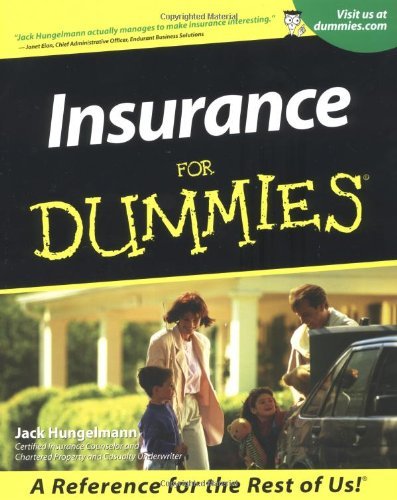
Insurance for Dummies: Hungelmann, Jack
<strong>Manage life, health, and disability risks</strong> ― explore individual and group policies, understand Medicare basics, and evaluate long-term disability and long-term-care insurance ...
Check Price on AmazonTypical Louisiana homeowners policies are HO‑3 forms (a standard package policy) and bundle these core parts:
- Dwelling coverage (Coverage A): pays to repair or rebuild the structure itself when a covered peril (a cause of loss listed in your policy) hits. Your dwelling limit should equal your home’s replacement cost—the estimated cost to rebuild at today’s prices, not what you paid for the house.
- Other structures (Coverage B): sheds, fences, detached garages—usually 10% of your dwelling limit.
- Personal property (Coverage C): your belongings. You can choose replacement cost (pays what it costs to buy new) or actual cash value (pays depreciated value—less). Replacement cost usually costs more but avoids big depreciation hits.
- Loss of use (Coverage D): also called additional living expenses—pays for a temporary place to live, meals, and related costs if your home is uninhabitable after a covered claim.
- Personal liability (Coverage E): covers you if you’re legally responsible for injuries or property damage to others. Many Louisianans carry $300,000 to $500,000. Consider an umbrella policy for extra protection.
- Medical payments (Coverage F): small amounts (often $1,000–$5,000) for minor injuries to guests, regardless of fault.
Important Louisiana add‑ons and wrinkles:
- Named storm or hurricane deductible: a special deductible (the amount you pay out of pocket before insurance kicks in) that applies when a storm is a tropical storm or hurricane named by the National Hurricane Center. It’s usually a percentage of your dwelling limit—commonly 2%–5%, sometimes higher near the coast. Example: with a $300,000 dwelling limit and 5% hurricane deductible, you’d pay the first $15,000 of hurricane damage.
- Wind/hail deductible: some policies use a wind/hail deductible for any wind event, not just named storms. Read your declarations page carefully to see which you have.
- Ordinance or law coverage: helps pay to rebuild to current codes if your older home doesn’t meet today’s standards. In Louisiana—where post‑storm rebuilds often trigger code upgrades—this is worth increasing beyond the default 10%.
- Water backup endorsement: covers damage from a backed‑up drain or sump pump (not included by default). Common and relatively inexpensive.
- Roof coverage type: some coastal policies shift to actual cash value (depreciated) for older roofs. Ask for replacement cost on roofs if available.
What’s not covered by standard home insurance in Louisiana:
- Flood: rising water from storm surge, river overflow, or heavy rain is excluded. You need a separate flood policy through the National Flood Insurance Program (NFIP) or a private flood insurer. If you’re in a high‑risk flood zone and have a mortgage, your lender will require flood insurance.
- Earth movement and subsidence: typically excluded. Limited endorsements may be available.
- Wear and tear, maintenance, and mold due to long‑term humidity or leaks: generally not covered. Sudden and accidental water damage may be covered, but long‑term moisture issues are not.
Want a deeper primer on what homeowners policies do and don’t cover? See our explainer: What Does Home Insurance Cover?
Average home insurance cost in Louisiana
Rates in Louisiana are among the highest in the country due to hurricane exposure and recent loss activity. Actual premiums vary widely by parish, distance to the coast, roof age and type, year built, your claims history, credit‑based insurance score (where allowed), and your chosen deductibles. Consider the ranges below directional, not promises. Quotes may be outside these bands—especially in coastal parishes.
Typical annual premium ranges in 2026 market conditions for a well‑maintained, primary residence with a 2% hurricane/named storm deductible and standard coverage features:
By home value (north/central Louisiana vs. southern/coastal parishes):
- $200,000 home: roughly $2,200–$4,200 (north/central) vs. $3,500–$6,500 (southern/coastal)
- $300,000 home: roughly $3,200–$6,000 (north/central) vs. $5,000–$9,000 (southern/coastal)
- $500,000 home: roughly $5,500–$10,000 (north/central) vs. $8,500–$15,000+ (southern/coastal)
By metro/parish (for a $300,000–$350,000 home):
- New Orleans/Jefferson/Orleans Parish: ~$5,500–$11,000
- Baton Rouge/East Baton Rouge: ~$3,500–$7,500
- Lafayette/Acadiana: ~$4,500–$9,000
- Lake Charles/Calcasieu/Cameron: ~$6,000–$12,000
- Houma–Thibodaux/Terrebonne–Lafourche: ~$6,500–$13,000
- Shreveport–Bossier/Monroe/Northeast LA: ~$2,500–$5,000
Two examples to make this concrete:
- Say your 1998, 2,000‑sq‑ft home in Baton Rouge has a 10‑year‑old shingle roof and no prior claims. With a 2% hurricane deductible and replacement cost for roof and contents, you might see quotes from about $3,200 to $6,200.
- Move that same home to Houma with a 15‑mile distance to open water and a 15‑year‑old roof, and many carriers either require a 5% named storm deductible or push roof coverage to actual cash value. Quotes could easily land between $6,500 and $11,000.
Again: these are not guarantees. The fastest way to see what you would actually pay is to compare quotes from 3–5 carriers on the same day with the same coverage settings.
Louisiana‑specific risks and coverage gaps to plan for
- Hurricanes and tropical storms: The big one. Wind, flying debris, and water intrusion are common. Your named storm or wind/hail deductible will drive your out‑of‑pocket cost. Higher deductibles lower premiums but mean you’re taking on more risk.
- Flooding (rain and surge): Standard home insurance excludes flood. Even if you’re outside a high‑risk FEMA zone, localized street flooding and extreme rainfall events happen. Pricing for NFIP policies varies by Risk Rating 2.0 factors such as elevation and distance to water; private flood can be competitive for some homes.
- Roof condition and age: Carriers price aggressively off roof age and material. A newer FORTIFIED roof (a roof built to the Insurance Institute for Business & Home Safety standard to better withstand high winds) can unlock meaningful discounts and more carrier options.
- Mold and humidity: Most policies limit mold coverage or exclude long‑term seepage. Quick mitigation after a storm matters.
- Short‑term rentals: Hosting in New Orleans or coastal towns? Standard homeowners policies often exclude business activity. Ask about a home‑sharing endorsement or a landlord/short‑term rental policy if you’re renting frequently.
Tip: Ask your agent about the Louisiana Fortify Homes–style grants or local mitigation programs that, when available, help offset roof upgrade costs. Program funding and eligibility change—check current availability with the state insurance department and your carrier.
How to compare Louisiana home insurance quotes
Here’s how to make apples‑to‑apples comparisons without missing hidden landmines:
- Match your dwelling limit to a realistic rebuild cost
- Replacement cost (the cost to rebuild today) is usually higher than your home’s market value. Ask for a replacement cost estimate and review the assumptions: square footage, construction type, roof material, and year built.
- Line up deductibles exactly
- All‑perils deductible: your standard deductible for most non‑wind claims—often $1,000–$5,000.
- Named storm/hurricane or wind/hail deductible: usually shown as a percentage (2%–10%). Make sure you’re comparing the same trigger (named storm vs. any wind/hail) and the same percentage, or your premiums will be incomparable.
- Insist on replacement cost where it matters
- Roof coverage: replacement cost on the roof is valuable in a wind‑prone state. If a carrier only offers actual cash value on older roofs, note the depreciation hit.
- Personal property: replacement cost coverage avoids painful depreciation if you ever suffer a loss.
- Add common Louisiana endorsements
- Water backup ($5,000–$25,000 limits are typical)
- Ordinance or law (often 25%–50% of dwelling is prudent for older homes)
- Increased special limits for jewelry, firearms, or collectibles if needed (schedule items for broader coverage).
- Check settlement and sublimits in the fine print
- Look for caps on screened enclosures, docks, or outbuildings—common near waterways.
- Verify wind‑driven rain language and whether interior water damage is covered when wind compromises the roof or openings.
- Ask about claims handling and catastrophe resources
- After a hurricane, does the insurer bring in mobile CAT units? Do they offer debris removal support? While you can’t guarantee performance, it’s fair to ask.
- Compare financial strength and availability
- Favor insurers with strong independent ratings and a sustained Louisiana presence. Availability changes quickly in coastal parishes.
Deeper dive on comparing coverage and limits? Our step‑by‑step overview can help: Home Insurance Guide 2026 — Compare Quotes, Coverage & Costs
Call‑to‑action: The fastest way to see your real number is to compare quotes from 3–5 carriers using the same dwelling limit and the same hurricane deductible. If you’re not sure how to set those, talk with a licensed agent who can price both 2% and 5% options so you can see the trade‑off.
Discounts and bundling opportunities for Louisiana homeowners
- Multi‑policy (home + auto): Bundling typically saves 10%–20%, sometimes more—varies by carrier and parish. If you drive in Louisiana, start by pricing the bundle. For auto shopping tips specific to the state, see: Auto Insurance in Louisiana: Rates, Requirements & How to Save
- New roof or FORTIFIED roof: Recent roofs—especially FORTIFIED—can unlock substantial wind mitigation credits.
- Wind mitigation features: Secondary water barriers, roof deck attachments, hip roof geometry, and opening protection (storm shutters, impact‑rated windows) often earn credits. Ask your agent whether a wind mitigation inspection could help.
- Protective devices: Central station fire/burglar alarms, monitored water leak sensors, and whole‑home shutoff valves.
- Claim‑free and loyalty: Remaining claim‑free for several years may reduce surcharges; some carriers offer tenure credits.
- Higher deductibles: Moving from 2% to 5% named storm deductibles can reduce premiums but increases your out‑of‑pocket risk. Price both.
- Pay‑in‑full, auto‑pay, paperless: Modest but easy savings.
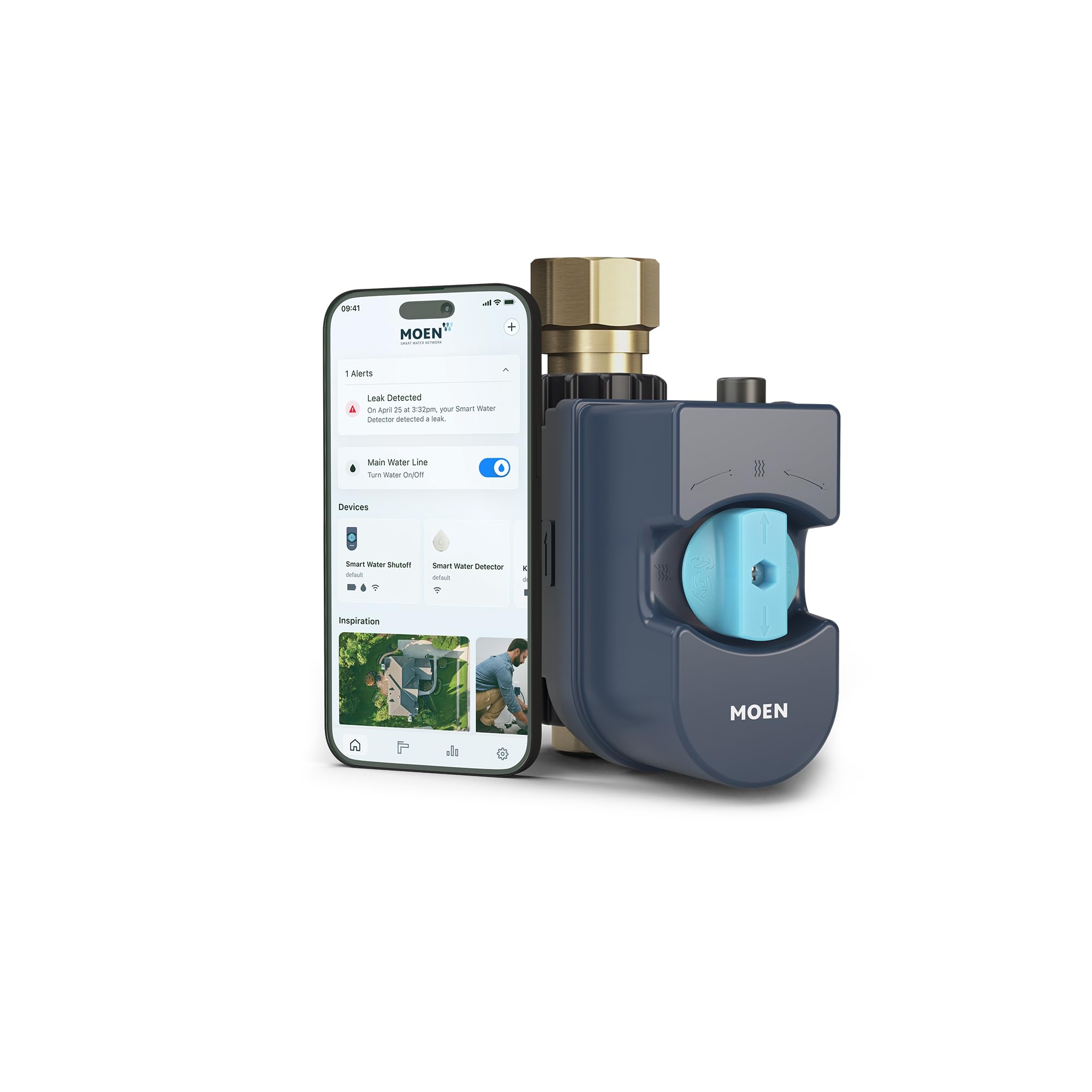
Moen Flo Smart Water Monitor and Automatic Shutoff Sensor, Wi-Fi Water Leak Detector for 3/4-Inch Diameter Pipe, 900-001 - Tub And Shower Faucets - Amazon.com
View on AmazonNote: Flood insurance is separate, but some carriers offer a modest discount on home if you also buy their private flood policy. It never hurts to ask.
How to file a home insurance claim in Louisiana
When a storm hits, speed and documentation protect your claim and your home.

Grizzly Tarps by B-Air 20' x 30' Large Multi-Purpose Waterproof Heavy Duty Poly Tarp with Grommets Every 36", 8x8 Weave, 5 Mil Thick, for Home, Boats, Cars, Camping, Protective Cover, Blue - Amazon.com
View on Amazon- Make emergency repairs to prevent further damage
- Tarp the roof, shut off water, board up openings. Keep receipts—these are part of your claim.
- Document everything
- Take wide and close‑up photos and videos before cleanup. Create a room‑by‑room list of damaged items with approximate purchase dates and values.
- Notify your insurer promptly
- Use the claims number or app. Ask for your claim number, your adjuster’s contact information, and your policy’s applicable deductible (e.g., 2% hurricane) and coverage triggers (named storm vs. wind/hail).
- Meet the adjuster and ask questions
- Walk them through all damage. Ask what’s covered, what documentation they still need, and the expected timeline. In most cases, insurers begin adjustment quickly after notice, but catastrophe volumes can cause delays.
- Know your payment flow
- You may receive an initial actual cash value payment, with the recoverable depreciation paid after repairs are completed (this is called a holdback).
- Choose licensed, insured contractors
- Be wary of door‑to‑door offers and signing an assignment of benefits (transfers your claim rights) without understanding the implications.
- If flood caused the damage
- File a separate flood claim with NFIP or your private flood carrier. Deadlines and documentation differ; prompt notice matters.
If you feel a claim isn’t handled properly, you can escalate within the insurer and also contact the Louisiana Department of Insurance for guidance. A licensed public adjuster or an attorney can be options in complex disputes, but start by working with your carrier and agent.
Best home insurance companies in Louisiana: how to pick
Carrier availability changes fast in coastal states, so the “best” company is the one that actively writes in your parish, offers the coverage you need (including a reasonable named storm deductible and replacement cost on the roof), prices fairly for your home’s specifics, and has the financial strength to be there after the next storm.
What to look for when choosing:
- Financial strength: Independent ratings (like AM Best) and reinsurance programs that support catastrophe claims.
- Coverage flexibility: Replacement cost on dwelling, roof, and personal property; water backup options; ordinance or law at 25%–50%.
- Reasonable wind/hurricane terms: 2%–5% deductibles are common; higher may be required coastal. Understand the trigger (named storm vs. any wind/hail).
- Roof friendliness: Clear guidance on older roofs and options to upgrade to replacement cost when you reroof.
- Catastrophe response: Mobile claim centers, direct‑deposit claim payments, contractor networks.
- Local expertise: Carriers that understand Louisiana building codes and mitigation credits.
For certain needs, different carriers shine:
- Military families: Companies serving active duty and veterans often offer strong service and competitive bundles.
- High‑value homes: Insurers that specialize in custom homes can offer broader coverage and higher special limits.
- Coastal/wind‑exposed homes: Regional carriers focused on hurricane risk may be more willing to write near the coast—but compare deductibles and roof terms closely.
- Last‑resort option: If you’re unable to find a private policy, Louisiana Citizens Property Insurance Corporation acts as the insurer of last resort. It’s typically more expensive and may have stricter terms, but it maintains coverage availability when the private market tightens.
Pro move: Get quotes from a mix of a large national carrier, a regional coastal specialist, and any company your neighbors on the same street use successfully. Market appetite can change block by block near the coast.
FAQ: common questions about Louisiana homeowners insurance
Is homeowners insurance required in Louisiana?
- Not by law, but lenders require it for mortgages. It’s also a prudent way to protect your largest asset.
Do I need flood insurance?
- If you’re in a high‑risk flood zone and have a mortgage, your lender will require flood insurance. Even outside high‑risk zones, many Louisiana homeowners buy flood coverage because standard home insurance excludes flood and heavy rain events are common.
What’s a named storm deductible, and how does it work?
- It’s a special deductible (often 2%–5% of your dwelling limit) that applies when your loss stems from a storm named by the National Hurricane Center. It replaces your standard deductible for that event. Some policies use a wind/hail deductible for any wind event—check your declarations page.
Why are rates so high right now?
- Recent hurricane seasons, higher rebuilding costs, reinsurance expenses (insurance for insurers), and roof‑related claim severity have pushed premiums up. Louisiana’s coastal exposure concentrates risk, which affects pricing.
Can I lower my premium without gutting coverage?
- Often yes: bundle home and auto, install a monitored alarm, consider a FORTIFIED roof when you reroof, raise your all‑perils deductible modestly (while keeping a named storm deductible you can afford), and avoid small claims that trigger surcharges.
Does my policy cover mold?
- Most policies limit mold coverage or exclude damage from long‑term leaks and humidity. Sudden and accidental water damage may be covered; fast mitigation is critical. Ask about optional limited mold endorsements.
Will my dog, trampoline, or pool affect eligibility?
- Sometimes. Certain breeds and liability exposures may require higher liability limits or lead to exclusions. Always disclose to avoid claim issues later.
What if no one will write my home?
- Ask a broker who works with multiple carriers, including regional coastal specialists. If you still can’t find a policy, Louisiana Citizens is the insurer of last resort.
Does my credit affect my homeowners rate?
- In Louisiana, many insurers use a credit‑based insurance score. Better scores can mean lower premiums, though underwriting considers many factors.
Your next step
- Get quotes from 3–5 insurers on the same day with the same dwelling limit, roof coverage type, and the same named storm deductible. Small setting changes can swing premiums by thousands.
- Ask a licensed Louisiana agent to price both 2% and 5% named storm deductible options and to include water backup and ordinance or law at 25%–50%.
- If you’re within 12–24 months of a roof replacement, price scenarios with a FORTIFIED roof—potential savings can be significant over the policy’s life.
Friendly reminder: Insurance is personal. A licensed agent who knows Louisiana’s market can help tailor coverage and surface carrier‑specific credits you might miss online.
Call‑to‑action: Ready to see real numbers? Compare personalized home insurance quotes in Louisiana from a handful of carriers side by side—the quickest way to find solid coverage at a fair price, without surprises at claim time.
Recommended Resources
Insurance for Dummies: Hungelmann, Jack
<strong>Manage life, health, and disability risks</strong> ― explore individual and group policies, understand Medicare basics, and evaluate long-term disability and long-term-care insurance ...
Moen Flo Smart Water Monitor and Automatic Shutoff Sensor, Wi-Fi Water Leak Detector for 3/4-Inch Diameter Pipe, 900-001 - Tub And Shower Faucets - Amazon.com
Moen Flo Smart Water Monitor and Automatic Shutoff Sensor, <strong>Wi-Fi Water Leak Detector for 3/4-Inch Diameter Pipe</strong>, 900-001 - Tub And Shower Faucets - Amazon.com
Grizzly Tarps by B-Air 20' x 30' Large Multi-Purpose Waterproof Heavy Duty Poly Tarp with Grommets Every 36", 8x8 Weave, 5 Mil Thick, for Home, Boats, Cars, Camping, Protective Cover, Blue - Amazon.com
Grizzly Tarps by B-Air 20' x 30' <strong>Large Multi-Purpose Waterproof Heavy Duty Poly Tarp with Grommets Every 36", 8x8 Weave, 5 Mil Thick, for Home, Boats, Cars, Camping, Protective
Related Articles
- Auto Insurance in Louisiana: Rates, Requirements & How to Save
- Renters Insurance in Louisiana: What It Covers, Costs, and Why It Matters
- Home Insurance in Hawaii: Coverage, Costs & Best Companies
- Health Insurance in Louisiana: Plans, Costs & How to Enroll
- Home Insurance in Kentucky: Coverage, Costs & Best Companies
- Home Insurance in Mississippi: Coverage, Costs & Best Companies
- Home Insurance in Oregon: Coverage, Costs & Best Companies
- Home Insurance in Arkansas: Coverage, Costs & Best Companies