
Health Insurance in Louisiana: Plans, Costs & How to Enroll
You’re trying to figure out health insurance in Louisiana and the prices and plan names all blur together. Is Marketplace coverage your best bet? Do you qualify for Medicaid? And what will you actually pay each month? Here’s what really matters so you can choose confidently.
Health insurance options in Louisiana: marketplace, Medicaid, employer, and private
Louisiana residents typically get coverage in four main ways. Each path has different costs, networks, and rules.
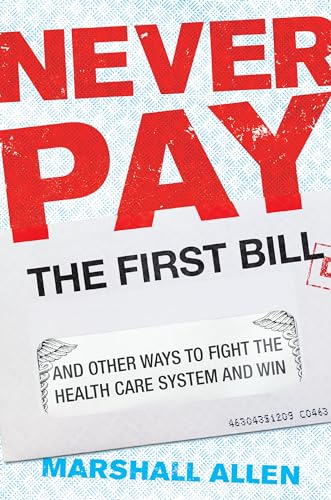
Never Pay the First Bill: And Other Ways to Fight the Health Care System and Win: Allen, Marshall
Drawing on 15 years of investigating the health care industry, reporter Marshall Allen <strong>shows how companies and individuals have managed to force medical providers to play fair, and shows how y
Check Price on Amazon- HealthCare.gov Marketplace (the ACA exchange): The online shop for individual and family plans if you don’t have job-based coverage. These plans must cover essential health benefits (things like hospitalization, prescriptions, maternity, and mental health) and can’t deny you for preexisting conditions. Most people who buy here qualify for federal premium tax credits (dollar-for-dollar help that lowers your monthly premium) and cost-sharing reductions (extra help that lowers deductibles and copays on Silver plans) based on income and household size.
- Medicaid (Healthy Louisiana): Public coverage for people with lower incomes, children, pregnant people, and some people with disabilities. Louisiana expanded Medicaid, so many adults qualify if their income is up to 138% of the federal poverty level (FPL). Enrollment is open year-round.
- Employer-sponsored plans: If you or your spouse has access through work, this is often the simplest route. Your employer typically pays a portion of the premium. Note: If the employee’s self-only premium is considered “affordable” under federal rules, your family may not qualify for Marketplace subsidies—even if family coverage at work is pricey. This is called the “family glitch fix,” which now allows more families to qualify for help if the employer’s family premium is not affordable.
- Private/off-exchange plans: Some insurers also sell individual plans off the Marketplace. These must follow the same ACA rules, but you cannot use federal subsidies off-exchange. Only choose this route if you know you won’t qualify for financial help and you’ve compared networks carefully.
Short-term health plans are also sold in some places, but they’re not ACA-compliant. They can exclude preexisting conditions and skip key benefits. Federal rules now limit them to short durations in most cases. If you need temporary coverage, double-check what’s not covered before you buy.
Availability of specific insurers and networks varies by parish and year. On the Marketplace, you’ll typically see a mix of HMO and EPO networks (managed-care styles that often require you to stay in-network to get coverage, except for emergencies). PPOs (broader networks with some out-of-network coverage) are less common and usually cost more.
Average health insurance premiums in Louisiana by plan type and age
Let’s level-set expectations. Unsubsidized premiums (the “full price” before any tax credits) vary by parish, insurer, and plan metal level:
- Bronze: Lower monthly premium, higher out-of-pocket costs when you get care
- Silver: Middle ground; the only tier that unlocks cost-sharing reductions if you qualify
- Gold: Higher premium, lower out-of-pocket costs when you get care
Typical full-price ranges many Louisiana shoppers see (illustrative, will vary by location and year):
- Age 27: Bronze $250–$400; Silver $320–$480; Gold $420–$600 per month
- Age 40: Bronze $330–$500; Silver $430–$650; Gold $550–$800 per month
- Age 60: Bronze $700–$1,050; Silver $900–$1,350; Gold $1,150–$1,600 per month
Important: Most Marketplace enrollees don’t pay the full price. If you qualify for premium tax credits (based on FPL and household size), your net cost can drop a lot—sometimes even to $0 for a Bronze plan. Under current federal rules (extended through 2025), subsidies are more generous and available to many households above 400% FPL if the benchmark plan would otherwise cost more than about 8.5% of household income.
Real-world scenarios (estimates only; your costs will differ):
- Say you’re a 35-year-old single non-smoker in Orleans Parish earning $38,000 (around 250% FPL). You may qualify for a monthly subsidy that could bring a midrange Silver plan down to roughly $100–$200 per month, and you might also qualify for modest cost-sharing reductions that lower your deductible (the amount you pay before insurance starts sharing costs) and your out-of-pocket maximum (the cap on how much you’ll pay in a year for covered, in-network care).
- A family of four in Lafayette with $75,000 in income (about 275% FPL) could see a benchmark Silver plan net out around $300–$500 per month after subsidies, depending on ages, plan choice, and parish.
Age rating matters. Marketplace premiums increase with age (within federal limits, generally not more than 3:1 from youngest adults to older adults). Tobacco use also increases premiums in most cases.
The fastest way to see what you would actually pay is to compare quotes from 3–5 carriers and check plan details side-by-side on HealthCare.gov. A licensed agent or navigator can help you run the numbers at no cost.
Louisiana Medicaid eligibility and enrollment
Louisiana expanded Medicaid in 2016, which opened coverage to many more adults. Medicaid in Louisiana is branded Healthy Louisiana and is delivered through managed care plans.
Who typically qualifies:
- Adults ages 19–64 with household income up to 138% FPL
- Children often qualify at higher income levels
- Pregnant people usually qualify at higher income thresholds than other adults
- People with certain disabilities or who receive Supplemental Security Income (SSI)
Keys to know:
- Enrollment is open year-round. If you think you’re eligible, apply anytime—there’s no need to wait for open enrollment.
- Income limits change annually with the federal poverty guidelines. Check the latest Louisiana Medicaid income chart or apply to find out.
- If you’re eligible for Medicaid, you won’t get Marketplace subsidies for the same months. Medicaid typically has minimal or no premiums and very low copays.
- If you have access to job-based insurance but your income makes you Medicaid-eligible, you can still enroll in Medicaid. In some cases, Louisiana’s Health Insurance Premium Payment (HIPP) program may reimburse your employer plan premiums if it’s cost-effective for the state. Ask Healthy Louisiana about HIPP when you apply.
How to apply:
- Online via Healthy Louisiana or through the Louisiana Department of Health
- By phone, mail, or in person at a local office
- If you’re unsure which program fits, submit one application; the system will evaluate you for Medicaid and, if not eligible, you can be routed to Marketplace options
Louisiana health insurance marketplace: open enrollment and special periods
Louisiana uses the federal Marketplace at HealthCare.gov.
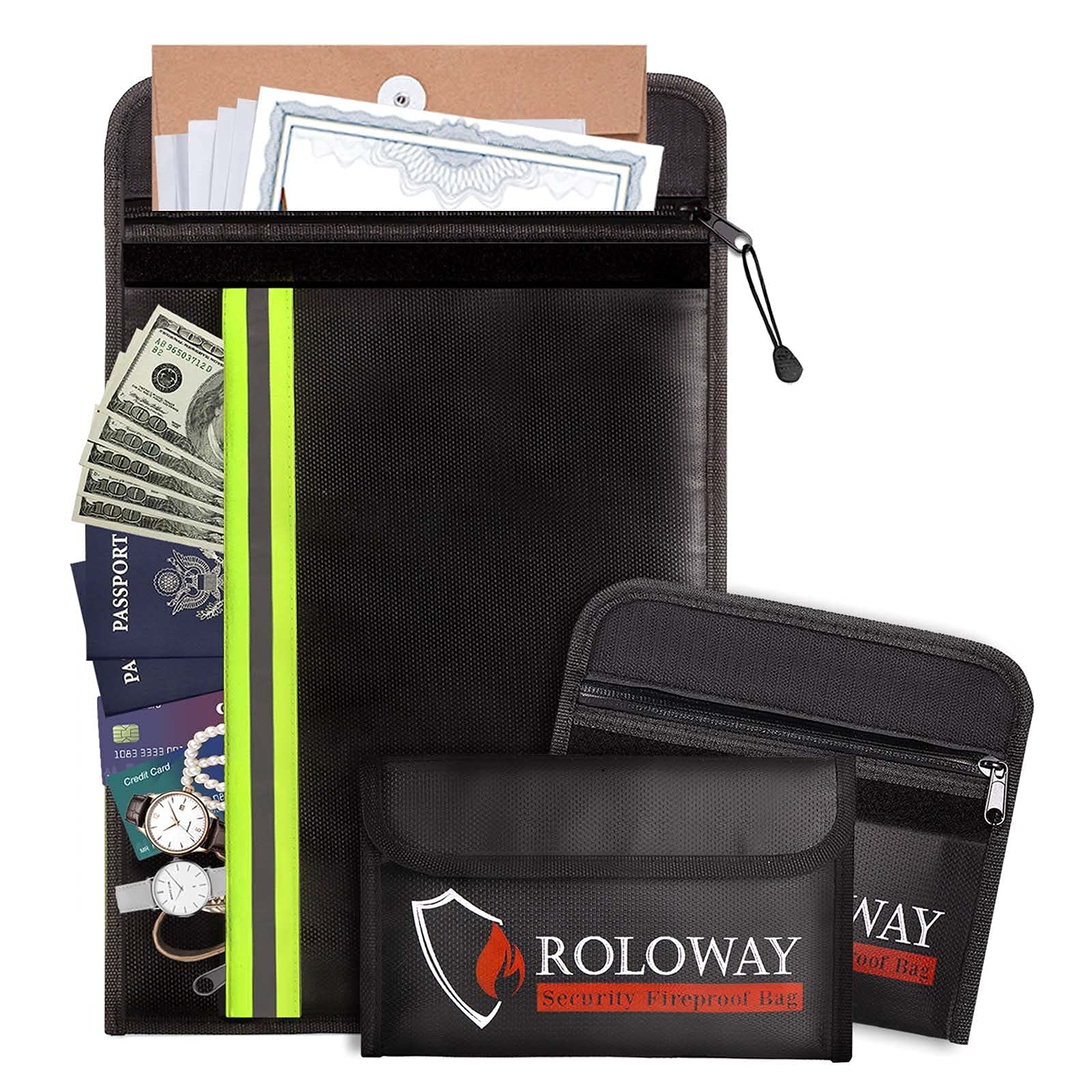
ROLOWAY Fireproof Document Bag (15 x 11 inch) with 2 ...
View on Amazon- Open Enrollment: Typically runs November 1 to January 15. If you want coverage starting January 1, enroll by mid-December; enrollments completed from mid-December to January 15 usually start February 1. Dates can shift slightly each year—always confirm on HealthCare.gov.
- Special Enrollment Periods (SEPs): You can enroll outside Open Enrollment if you have a qualifying life event. Common QLEs include losing other coverage, moving to a new parish or state, getting married, having a baby, adopting a child, or gaining lawful status. You generally have 60 days before or after the event to enroll.
- Effective dates: If you enroll by the 15th of the month, your coverage usually starts the first of the next month. Enrolling after the 15th often starts the following month.
Tip: Keep an eye out for any federal announcements of extended SEPs (they happen occasionally). And if you’re transitioning off Medicaid, you typically get a special window to sign up for Marketplace coverage.
How to compare and choose the best health plan in Louisiana
Here’s how to cut through the noise and pick a plan that actually works for you.
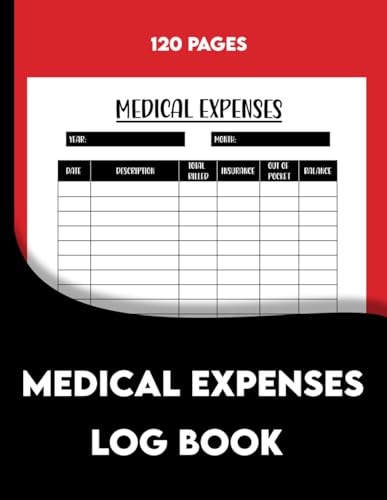
Medical Expense Log: A Tracker for Keeping Track of Your Medical Spending, Bills, and Payment All in One Place | Health Expense Organizer: Media, Tylissa A.: Amazon.com
View on Amazon- Start with your doctors and prescriptions
- Provider network: Check whether your primary care doctor, OB/GYN, and key specialists are in-network. With HMO and EPO plans, out-of-network care is usually not covered except for emergencies.
- Hospitals: Make sure major hospitals you’d use are in-network, especially if you live in a rural parish or along the coast where choices can be limited.
- Prescriptions: Look up your medications on the plan’s formulary (the list of covered drugs, arranged by cost tiers). Watch for prior authorization and step therapy rules.
- Match the plan metal to your expected care
- Bronze: If you’re healthy and mainly want protection from big bills, a Bronze plan’s lower premium might make sense. Just be prepared for a higher deductible (the out-of-pocket amount you pay before the plan starts paying) and higher coinsurance (the percentage you pay for services after the deductible).
- Silver: If you qualify for cost-sharing reductions (generally up to 250% FPL), a Silver plan is almost always a better value because it lowers your deductible, copays (fixed dollar amounts for services), and out-of-pocket maximum.
- Gold: If you expect ongoing care—therapies, brand-name drugs, or frequent specialist visits—Gold’s higher premium can pencil out because your costs at the point of care are lower.
- Focus on the real bottom line: your likely annual cost
- Add the annual premium + likely out-of-pocket costs based on your expected use. A slightly higher premium can be cheaper overall if it cuts your deductible or has better copays for the services you use most.
- Look at the out-of-pocket maximum (MOOP). This is the most you’d pay in a year for covered, in-network care. Lower MOOPs protect you in a bad year.
- Check plan extras that actually matter
- Virtual care: Many Louisiana plans offer $0 or low-cost telehealth. That can save time and money.
- Mental health: Confirm in-network therapists and psychiatrists. By law, mental health must be covered like medical/surgical care, but networks vary.
- Referrals: Some HMOs require a referral to see a specialist; EPOs often don’t. Know the rules to avoid surprise bills.
- Get multiple quotes and screenshots
- Insurers change prices and networks by parish every year. Compare at least 3–5 plans that include your doctors. Save PDF copies of Summary of Benefits and Coverage (SBC) and provider search results in case links change later.
Quick example decision:
- You’re a 42-year-old in Baton Rouge with a preferred primary doctor and a weekly inhaler. Bronze looks cheap at $380/month but has a $7,500 deductible and your inhaler is Tier 3 with 40% coinsurance. A Silver at $470/month has a $2,500 deductible and a flat $40 inhaler copay. If you know you’ll fill that inhaler all year and see your doctor twice, the Silver likely wins on total cost and predictability.
Note: A licensed agent or navigator can walk you through all of this at no cost to you. They’re paid by insurers or funded by federal grants—not by raising your premium.
Louisiana-specific subsidies and financial assistance
- Federal premium tax credits: Available through HealthCare.gov based on income and family size. Under current rules (in effect through 2025), no one buying on-exchange should pay more than about 8.5% of household income for the benchmark Silver plan, and many pay less.
- Cost-sharing reductions (CSRs): If your income is roughly 100%–250% FPL and you choose a Silver plan, CSRs can lower your deductible, copays, and out-of-pocket maximum significantly.
- Louisiana Medicaid and CHIP: Robust options if your income is within limits. Children often qualify even when adults in the household do not.
- HIPP (Health Insurance Premium Payment): Louisiana may help pay employer plan premiums for Medicaid-eligible members if it’s cost-effective. Ask Healthy Louisiana about HIPP during your Medicaid application or renewal.
- State-funded premium subsidies: Louisiana does not currently add its own state premium subsidies on top of federal help. Your financial assistance primarily comes from federal tax credits and CSRs.
- Safety-net care: Federally Qualified Health Centers (FQHCs), parish health units, and hospital financial assistance programs can help with reduced-cost services regardless of insurance status.
CTA: Want a quick, apples-to-apples view of your options? The fastest way to see what you’d actually pay is to compare quotes from 3–5 Louisiana carriers on HealthCare.gov or with a licensed local agent.
FAQ: common questions about Louisiana health insurance
What is the Louisiana Marketplace and where do I enroll?
- Louisiana uses the federal Marketplace at HealthCare.gov. You can preview plans and prices, see your subsidy, and enroll online, by phone, or with in-person help.
When is Open Enrollment in Louisiana?
- Typically November 1 to January 15. Enroll by mid-December for January 1 coverage; mid-December to January 15 enrollments usually start February 1. Always verify dates each year.
Can I switch plans outside Open Enrollment?
- Yes, if you have a qualifying life event (QLE) like losing other coverage, moving, getting married, or having a baby. You usually have 60 days to enroll. Medicaid and CHIP allow year-round enrollment.
How do subsidies work?
- When you apply, HealthCare.gov estimates your premium tax credit based on your projected annual income. You can apply that credit to your monthly premium. At tax time, you reconcile the amount based on your actual income. If your income changes during the year, update your Marketplace application to keep your subsidy accurate.
Do plans cover care outside Louisiana?
- Emergency care is covered anywhere in the U.S. For non-emergency care, HMO and EPO plans generally won’t cover out-of-network providers. If you travel frequently, check the plan’s national network or consider a broader network option if available.
Are adult dental and vision included?
- Pediatric dental and vision are included with ACA-compliant plans. Adult dental and vision are typically separate add-ons. Some carriers offer dental/vision riders; you can also buy stand-alone policies.
Are short-term health plans a good idea in Louisiana?
- They can fill brief gaps, but they aren’t ACA-compliant. They often exclude preexisting conditions, maternity, mental health, and many prescriptions, and they cap benefits. Federal rules limit their duration in most cases. Read the fine print closely if you consider one.
What if I lose Medicaid?
- You’ll usually get a Special Enrollment Period to enroll in a Marketplace plan. Watch your mail for renewal notices, update your contact info with Medicaid, and act quickly to avoid a gap in coverage.
What if my doctor isn’t in-network on any Marketplace plan?
- Ask your doctor which Marketplace carriers they accept and whether they plan to join any in the coming plan year. If staying with that doctor is crucial, you may need to compare off-exchange options (no subsidies) or consider whether switching providers makes sense given the cost difference.
Is COBRA my only option if I leave my job?
- No. You can choose COBRA (continuation of your employer plan, typically up to 18 months) or a Marketplace plan. Losing job-based coverage qualifies you for a Special Enrollment Period. Compare COBRA’s full premium (plus up to a 2% admin fee) against subsidized Marketplace plans.
Can undocumented immigrants get coverage?
- They can’t buy subsidized Marketplace plans, but they can buy full-price plans off-exchange in some cases and can receive emergency Medicaid for life-threatening emergencies. Community health centers may offer low-cost care regardless of status.
Related resources for Louisiana households
Insurance needs often stack—health, home, and auto. If you’re budgeting across the board, you may also find these local guides useful:
- See typical car insurance rules and savings tips: Auto Insurance in Louisiana: Rates, Requirements & How to Save
- Compare home coverage basics and storm-related considerations: Home Insurance in Louisiana: Coverage, Costs & Best Companies
Your next step
- If your income might qualify you for Medicaid, apply to Healthy Louisiana today—enrollment is year-round.
- Otherwise, visit HealthCare.gov, enter your household info, and compare at least 3–5 plans that include your doctors and prescriptions. Look at total annual cost, not just the premium.
- Prefer personal help? Talk with a licensed Louisiana agent or a certified navigator. There’s no extra cost, and they can help you avoid common pitfalls like out-of-network surprises.
Second CTA: Get personalized quotes and check your subsidy in minutes. Comparing a handful of plans is the quickest way to see your real price for health insurance in Louisiana.
Compliance note: Examples and ranges in this guide are illustrative. Actual plan availability, benefits, and costs vary by parish, household details, insurer, and year. For advice on your specific situation, consult a licensed health insurance agent or navigator.
Recommended Resources
Never Pay the First Bill: And Other Ways to Fight the Health Care System and Win: Allen, Marshall
Drawing on 15 years of investigating the health care industry, reporter Marshall Allen <strong>shows how companies and individuals have managed to force medical providers to play fair, and shows how y
Medical Expense Log: A Tracker for Keeping Track of Your Medical Spending, Bills, and Payment All in One Place | Health Expense Organizer: Media, Tylissa A.: Amazon.com
This medical expense log is <strong>a useful tool for tracking your healthcare expenses in one convenient place</strong>. You can use it to record the date, amount, and purpose of each payment you mak
ROLOWAY Fireproof Document Bag (15 x 11 inch) with 2 ...
Discover document organizers with fireproof and waterproof protection. Choose from multiple styles designed for home, office, and travel security needs.
Related Articles
- Health Insurance in Mississippi: Plans, Costs & How to Enroll
- Health Insurance in Missouri: Plans, Costs & How to Enroll
- Health Insurance in Nebraska: Plans, Costs & How to Enroll
- Health Insurance in Arkansas: Plans, Costs & How to Enroll
- Home Insurance in Louisiana: Coverage, Costs & Best Companies
- Health Insurance in Kentucky: Plans, Costs & How to Enroll
- Health Insurance in Florida: Plans, Costs & How to Enroll
- Health Insurance in Maine: Plans, Costs & How to Enroll