
Renters Insurance in Idaho: What It Covers, What It Costs, and How to Choose the Right Policy
You’re renting in Boise, Coeur d’Alene, Idaho Falls—or getting a place near campus—and you want to know if renters insurance in Idaho is worth it and what it actually costs. Short answer: typically yes, and usually far less than you think. Here’s what renters insurance in Idaho covers, how pricing works, and exactly how to pick the right policy without overpaying.
What is renters insurance in Idaho?
Renters insurance in Idaho is a policy that protects your belongings and your finances when bad luck hits. It’s designed for tenants (not landlords) and typically includes three core protections:
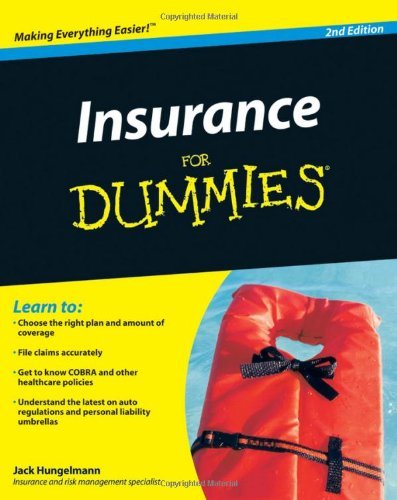
Insurance For Dummies?: Hungelmann, Jack
Whether you’re a homeowner or ... need on: ... Author Jack Hungelmann <strong>uses his twenty-five years of experience in the insurance industry to make buying insurance as simple as possible</strong>
Check Price on AmazonPersonal property coverage
This pays to repair or replace your stuff—furniture, clothes, electronics—if it’s damaged or stolen due to covered events like fire, smoke, theft, vandalism, certain types of water damage (like a burst pipe or overflow), or wind and hail. Most policies also cover your things when they’re temporarily outside your home—say your laptop is stolen from your car—usually with some limits.
- Replacement Cost Value (RCV) vs. Actual Cash Value (ACV): RCV pays what it costs to buy a new item of similar kind/quality; ACV pays the depreciated value (what your used item is worth today). RCV typically costs a few dollars more per month but is what most people prefer because it avoids painful depreciation deductions.
For a deeper dive into what’s included and excluded, see What Does Renters Insurance Cover? (/home-insurance/what-does-renters-insurance-cover)
Liability coverage
Liability coverage protects you if you accidentally cause bodily injury or property damage to others. Example: your dog knocks someone over and they break a wrist, or a candle sparks a fire that damages your unit and the neighbor’s. Liability helps pay for medical bills, repairs, and legal defense if you’re sued—up to your policy limit. Standard limits start around $100,000, but many Idaho renters choose $300,000 or $500,000 because the cost difference is typically small.
Loss of use (additional living expenses)
If a covered claim (like a kitchen fire) makes your rental uninhabitable, loss of use helps pay for a hotel or short-term rental, plus extra costs like meals, laundry, or pet boarding—so you’re not paying rent and hotel bills at the same time.
What renters insurance doesn’t cover
- Flooding from rivers, lakes, or flash floods (you’d need a separate flood insurance policy for contents)
- Earth movement (earthquakes, landslides)—some insurers offer an endorsement or separate policy
- Wear and tear or maintenance issues (like mold from long-term leaks)
- Pest damage (mice, bedbugs)
- Your roommate’s stuff (unless named on your policy)
Why Idaho renters may need this policy
Idaho is generally considered a lower-risk state for insurance, but “low risk” doesn’t mean “no risk.” Here are common situations where renters insurance in Idaho proves its value:

Govee WiFi Water Leak Detector 3 Packs, Leak Alert with Remotely Email/APP Push and Sound Alarm, Smart Water Sensor with 100dB Adjustable Alarm, Suit for Home and Basement - Amazon.com
View on Amazon- Fire and smoke: Cooking fires are a top cause of renter claims nationwide. If your Boise apartment has a grease fire, personal property coverage helps replace damaged items, and loss of use pays for a hotel if needed.
- Water damage: Winter freezes can burst pipes in older buildings from Pocatello to Coeur d’Alene. Water from the unit above can ruin your furniture and electronics—covered if sudden and accidental.
- Theft: Bicycle and package theft around college areas (Boise State, Idaho State, University of Idaho in Moscow) and urban centers can be a headache. Renters insurance covers stolen bikes and electronics, often even when off-premises (subject to policy limits and sub-limits).
- Liability claims: A guest slips on your icy front step or your dog causes an injury at a park. Liability coverage helps with medical bills and legal defense—without draining your savings.
- Landlord requirements: Many Idaho landlords now require proof of renters insurance with minimum liability limits. Even if not required, it’s a relatively inexpensive way to protect your stuff and your savings.
If you’re a student or recent grad, you might also find this useful: Renters Insurance for College Students — Coverage, Cost & How to Buy (/home-insurance/renters-insurance-college-students)
What affects renters insurance rates in Idaho
Renters insurance in Idaho is typically affordable—often in the $10–$20 per month range for basic coverage—but rates vary by person and property. Here’s what moves the price up or down:
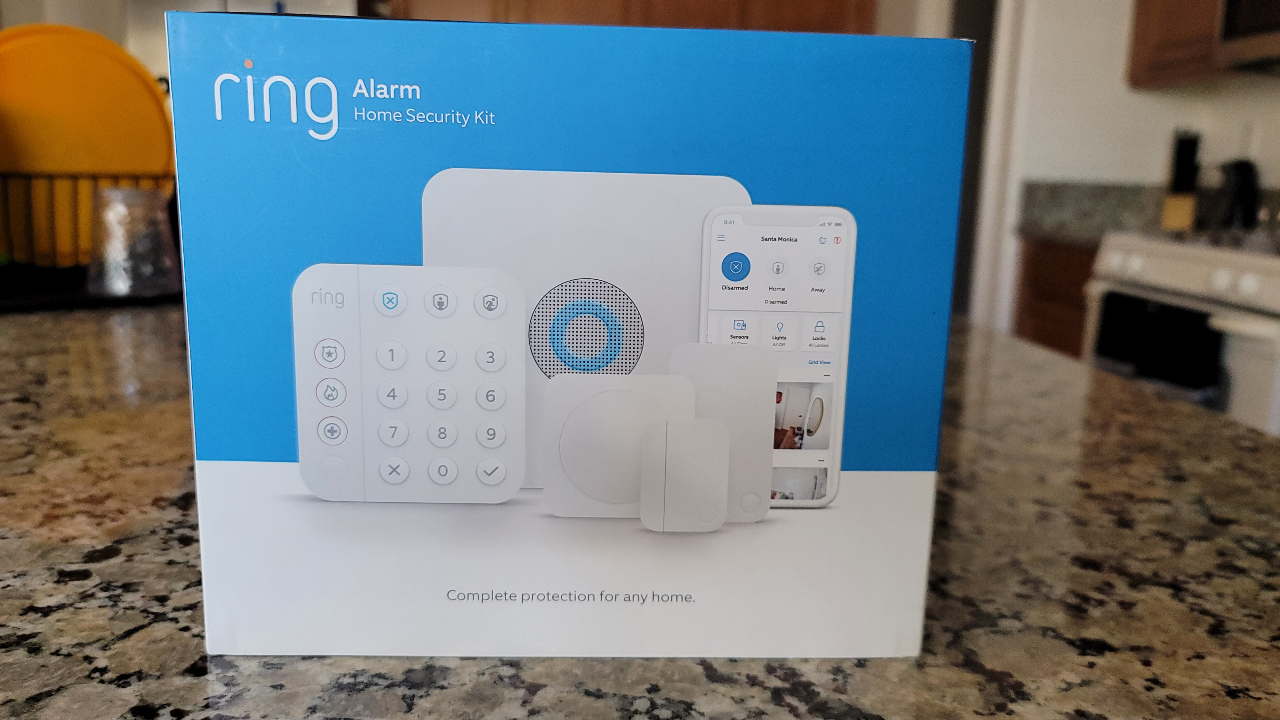
Ring Alarm 8-piece kit (2nd Gen) – home security system
View on Amazon- Location and building type: Premiums can be slightly higher in denser areas with more theft claims or in older buildings with outdated wiring/plumbing. Newer, secured buildings may lower your rate.
- Coverage amounts and add-ons: More personal property coverage, higher liability limits, and endorsements (like water backup or scheduled jewelry) increase cost.
- Deductible: Your deductible is what you pay out of pocket before insurance kicks in. Common options are $250, $500, or $1,000. Higher deductible = lower premium.
- Claims history: Prior claims in the last 3–5 years can raise your rate.
- Credit-based insurance score: Idaho allows insurers to use credit-based insurance scores in most cases. Strong credit typically helps you qualify for lower rates.
- Security and safety features: Deadbolts, monitored alarms, sprinklers, and smoke detectors often earn discounts.
- Bundling: Pairing renters and auto with the same company usually yields a meaningful discount.
- Pets: Some carriers restrict or surcharge certain dog breeds for liability.
Real-world price examples (illustrative only)
These are sample scenarios to help you ballpark—actual quotes will vary by insurer, building, and your profile.
- Boise, 1-bedroom apartment: $25,000 personal property, $300,000 liability, $500 deductible. Typical quotes: about $11–$17/month.
- Coeur d’Alene, shared rental house: $40,000 personal property, $300,000 liability, $500 deductible, add water backup endorsement. Typical quotes: about $14–$22/month.
- Idaho Falls, studio: $20,000 personal property, $300,000 liability, $1,000 deductible. Typical quotes: about $9–$14/month.
Curious about averages and what drives them? Learn more here: How Much Is Renters Insurance? Average Costs, Factors & Real Examples (/home-insurance/how-much-is-renters-insurance)
Key policy details Idaho renters should compare
When you compare quotes, look beyond the monthly price. These details determine how well your policy works on claim day.
Replacement cost vs. actual cash value
- Replacement Cost Value (RCV): Pays what it costs to buy new items of like kind/quality today.
- Actual Cash Value (ACV): Pays the depreciated value of your items (often much lower).
RCV is the smarter pick for most renters. If your five-year-old TV is stolen, ACV might pay a fraction of a new one; RCV aims to replace it with a similar new model.
Coverage limits and sub-limits
Policies include overall limits (e.g., $30,000 for personal property) and smaller “sub-limits” on certain categories—often for theft. Common sub-limits include:
- Jewelry and watches: often $1,000–$2,500 total for theft
- Bicycles: sometimes $500–$1,500
- Cameras and musical instruments: varies widely
- Cash: typically $200
If you own high-value items, you can add a scheduled personal property endorsement (also called “scheduling” or a rider) to list specific valuables—like an engagement ring—for their appraised value, often with no deductible.
For a deeper walkthrough of insuring pricey items, see: Renters Insurance for High-Value Items: What to Insure, How to Cover It, and When to Schedule (/home-insurance/renters-insurance-high-value-items-guide-scheduling-coverage)
Important exclusions and optional endorsements
- Flood: Not covered. Consider a separate flood contents policy if you’re near rivers or flood-prone zones.
- Earthquake: Excluded by most renters policies. Some carriers offer an earthquake endorsement or stand-alone policy.
- Water backup of sewers/drains: Often excluded unless you add a water backup endorsement (a common add-on in older Idaho neighborhoods).
- Identity theft/personal cyber: Optional add-on that may help with remediation costs.
- Business property and side gigs: Policies often cap business equipment at low amounts (like $2,500 on-premises, $500 off-premises). You may need an endorsement or separate policy if you run a small business from home.
- Roommates: Most policies only cover named insureds. Your roommate generally needs their own policy unless your insurer allows both of you to be named (and you both agree).
Liability choices that matter
- Liability limit: Many renters start at $100,000, but $300,000 or $500,000 typically adds just a few dollars a month and better protects your assets and future wages.
- Medical payments to others: Pays small medical bills if someone is hurt in your home, regardless of fault (often $1,000–$5,000). Not a substitute for liability, but a helpful goodwill coverage.
How to choose the right coverage amount in Idaho
Here’s a practical way to avoid being underinsured—or overpaying—for renters insurance in Idaho.
1) Estimate your personal property
- Walk room-to-room and list big items (furniture, electronics, bikes, musical instruments, kitchen gear) and rough values.
- Don’t forget what’s in closets and storage.
- Typical ranges we see:
- Studio/1-bedroom: $20,000–$30,000
- 2-bedroom: $30,000–$50,000
- 3-bedroom or shared house: $50,000–$75,000+
Photos or a quick video inventory on your phone can make claims easier.
2) Decide on RCV vs. ACV
Most Idaho renters prefer replacement cost, especially if you own newer electronics or furniture you don’t want depreciated.
3) Pick a deductible you can actually afford
If money is tight, a $1,000 deductible may keep premiums low but could make small claims not worth filing. A $500 deductible is a common middle ground.
4) Choose higher liability if you can
Liability is cheap for the protection it buys. If you have savings, future earnings, or host guests often, $300,000–$500,000 is usually a better fit.
5) Add endorsements that match your risks
- Water backup if you’re in an older building or basement-level unit
- Scheduled jewelry if you have an engagement ring or watch worth a few thousand dollars
- Extra coverage for bikes, cameras, or instruments if you ride, film, or gig often
How to compare renters insurance in Idaho (and actually save)
The fastest way to see what you’d actually pay is to compare quotes from 3–5 carriers. Here’s a checklist to make apples-to-apples comparisons:
- Match coverage across quotes: same personal property limit, liability limit, deductible, and RCV vs. ACV.
- Ask about sub-limits on items you care about (jewelry, bikes, electronics) and the cost to raise them or schedule items.
- Add the same endorsements to each quote (e.g., water backup, identity theft, earthquake if available).
- Stack discounts: bundle with auto, install monitored alarms, set up autopay, go paperless, ask about claim-free and loyalty savings.
- Verify financial strength and claims reputation: Strong carriers matter when you need help fast.
- Confirm landlord requirements: Some landlords want to be listed as an “additional interest” so they’re notified if the policy lapses.
- Review exclusions and limits: Especially water damage scenarios, pet liability, and any short-term rental restrictions if you occasionally host.
Helpful deep-dive on coverage details: What Does Renters Insurance Cover? (/home-insurance/what-does-renters-insurance-cover)
CTA: Want real numbers for your situation? Spend 5 minutes and compare renters quotes from at least three Idaho-friendly insurers. It’s the quickest way to pinpoint your best price-to-coverage fit.
Idaho-specific questions we get a lot
Is renters insurance required in Idaho?
Not by state law. But many landlords and property managers require proof of coverage with a minimum liability limit. Even when not required, it’s a low-cost way to protect your stuff and your savings.
Does renters insurance cover wildfire smoke?
Yes—fire and smoke are typically covered perils. If a wildfire or smoke damages your belongings or makes your rental uninhabitable, your policy can help. Keep in mind: smoke from wildfires vs. long-term smoke/odor issues can be handled differently by insurers; take photos and file promptly.
Am I covered if water leaks from the upstairs unit?
Sudden and accidental water damage from plumbing is typically covered for your belongings. Groundwater flooding is not; consider separate flood insurance if that’s a risk where you live.
Will my policy cover my stuff in my car or storage unit?
Usually yes, up to your personal property limit and subject to off-premises sub-limits (often 10% of your property limit). Theft from cars is common—document everything and keep receipts where possible.
What about college students in dorms or off-campus housing?
If you live in a dorm, some parents’ homeowners policies extend a limited amount of coverage to a full-time student. If you rent off-campus, you likely need your own policy. Check out: Renters Insurance for College Students — Coverage, Cost & How to Buy (/home-insurance/renters-insurance-college-students)
What to look for when choosing an Idaho renters policy
- Replacement cost on personal property (not ACV)
- At least $300,000 liability if you can swing it
- Water backup endorsement if you’re in older plumbing or a basement unit
- Adequate limits for bikes, cameras, and instruments—or schedule them
- Realistic deductible (what you’re comfortable paying out of pocket)
- Strong discounts, especially bundling with auto
- Clear loss-of-use coverage for temporary housing
For more on high-value items and scheduling, see: Renters Insurance for High-Value Items: What to Insure, How to Cover It, and When to Schedule (/home-insurance/renters-insurance-high-value-items-guide-scheduling-coverage)
Quick Idaho scenarios to sanity-check your coverage
- You’re a 35-year-old non-smoker in Boise renting a 1-bedroom with $30,000 of stuff. With $300,000 liability and a $500 deductible on an RCV policy, many carriers quote roughly $12–$18/month. Rates vary by insurer, building age, and your credit-based insurance score.
- You share a 3-bedroom house in Moscow near campus with two roommates. You each need your own policy unless the insurer allows all roommates to be named. If you own a $3,500 bike, ask to raise the bike limit or schedule it.
- You live in a basement unit in Idaho Falls. Strongly consider water backup coverage and check that your loss-of-use limit is enough for several weeks of temporary housing if needed.
A note on claims and getting paid faster
- Document belongings now (photos, serial numbers, receipts if available).
- After a loss, take photos/videos immediately and prevent further damage if safe.
- File your claim promptly and keep all repair or purchase receipts.
- For theft, file a police report—it’s often required.
Ready to check your price?
The smartest next step is simple: compare renters insurance quotes from 3–5 carriers. Matching the same limits, deductible, and replacement cost setting across quotes will reveal your best value quickly. If you want help fine-tuning coverage or understanding exclusions, a licensed Idaho agent can review your situation and make personalized recommendations.
Helpful explainer if you’re still weighing costs: How Much Is Renters Insurance? Average Costs, Factors & Real Examples (/home-insurance/how-much-is-renters-insurance)
This guide is for general education. Policies vary by insurer and individual circumstances, and coverage is always subject to terms, conditions, and exclusions in your policy. If you have unique risks or high-value items, talk with a licensed agent for tailored advice.
Recommended Resources
Insurance For Dummies?: Hungelmann, Jack
Whether you’re a homeowner or ... need on: ... Author Jack Hungelmann <strong>uses his twenty-five years of experience in the insurance industry to make buying insurance as simple as possible</strong>
Govee WiFi Water Leak Detector 3 Packs, Leak Alert with Remotely Email/APP Push and Sound Alarm, Smart Water Sensor with 100dB Adjustable Alarm, Suit for Home and Basement - Amazon.com
Govee WiFi Water Leak Detector 3 Packs, <strong>Leak Alert with Remotely Email/APP Push and Sound Alarm, Smart Water Sensor with 100dB Adjustable Alarm, Suit for Home and Basement</strong> - Amazon.co
Ring Alarm 8-piece kit (2nd Gen) – home security system
<strong>24/7 Professional Monitoring</strong> If a break-in or emergency is detected, we’ll request emergency response.² <strong>24/7 Professional Monitoring</strong> · If a break-in or emergency is d
Related Articles
- Home Insurance in Idaho: Coverage, Costs & Best Companies
- Auto Insurance in Idaho: Rates, Requirements & How to Save
- Renters Insurance in Montana: What It Covers, Costs, and Why It Matters
- Life Insurance in Idaho: What Residents Need to Know
- Renters Insurance in Nevada: What It Covers and How to Choose the Right Policy
- Health Insurance in Idaho: Plans, Costs & How to Enroll
- Renters Insurance in Nebraska: What It Covers, Costs, and How to Choose the Right Policy
- Renters Insurance in Mississippi: What It Covers, Costs, and How to Choose