
Auto Insurance in Idaho: Rates, Requirements & How to Save
You’re shopping for auto insurance in Idaho and keep seeing different prices, coverages, and buzzwords. What actually matters for drivers here, and what’s a fair rate? Here’s a clear, Idaho-focused guide so you can choose with confidence and keep more money in your pocket.
1) Idaho auto insurance requirements and minimum coverage
Idaho is an at-fault state, which means the driver who is legally responsible for a crash uses their liability insurance to pay for others’ injuries and property damage. Here are the minimum auto insurance requirements in Idaho as of this writing (always verify current limits with your insurer or the Idaho Transportation Department):
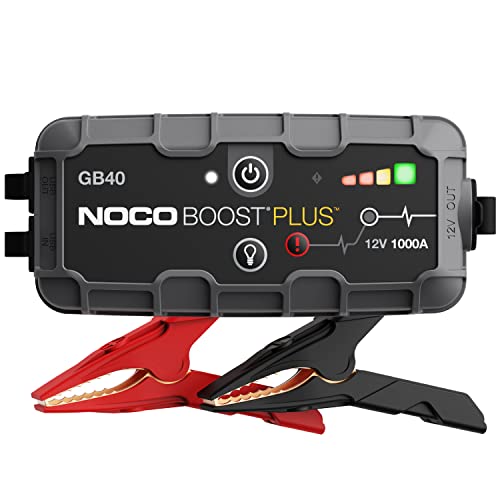
NOCO Boost GB40: 1000A UltraSafe Jump Starter – 12V ...
View on Amazon- Bodily injury liability: $25,000 per person and $50,000 per accident. This pays for other people’s medical costs when you’re at fault.
- Property damage liability: $15,000 per accident. This pays to repair or replace other people’s vehicles or property you damage.
Insurers must also offer uninsured/underinsured motorist (UM/UIM) coverage—protection if you’re hit by a driver with no insurance or not enough insurance—but you can reject it in writing. UM/UIM can be a financial lifesaver because it steps in to cover your injuries when the other driver can’t.
Optional coverages most Idaho drivers consider:
- Collision coverage: Pays to repair or replace your car after a crash with another vehicle or object, minus your deductible (the amount you pay out of pocket before insurance pays).
- Comprehensive coverage: Pays for non-crash damage like theft, vandalism, hail, wildlife strikes, and broken glass, minus your deductible.
- Medical payments (MedPay): Helps pay medical bills for you and your passengers regardless of fault.
- Rental reimbursement: Helps pay for a rental car while yours is in the shop after a covered claim.
- Roadside assistance: Tows, jump-starts, tire changes—handy if you have long stretches between towns.
Pro tip: If you have a loan or lease, your lender will typically require collision and comprehensive (sometimes called “full coverage,” though that’s not an official term).
If you want a refresher on how each coverage works, see Understanding Auto Insurance Coverage Types (/auto-insurance/understanding-auto-insurance-coverage-types).
What most Idaho drivers actually carry
- Minimum limits keep your policy legal, but they can run out fast. A newer SUV and some medical care can exceed $15,000 in property damage and $25,000 in medical bills quickly.
- Many Idaho families choose at least 100/300/50 in liability limits ($100,000 per person/$300,000 per accident for injuries and $50,000 for property damage) to shield savings and home equity. You can often raise limits for a modest increase in premium (your price for insurance).
Proof of insurance and penalties
- Idaho uses electronic verification. Driving without insurance can lead to fines, license/registration suspension, and an SR-22 filing requirement. An SR-22 is a form your insurer files to prove you’re carrying at least the state minimum after certain violations (like a DUI or driving uninsured). It’s not a kind of insurance, but it can increase your premium.
2) Average car insurance rates in Idaho by age, vehicle, and driving record
Idaho is typically one of the more affordable states for car insurance—often 15% to 30% below the national average—thanks to lower population density and generally lower claim costs. That said, your price depends on your unique profile. Here are illustrative ranges based on common Idaho driver scenarios. These are not quotes—your actual rate will vary by insurer, location, and details.
By age (good driver, clean record, typical commuter mileage):
- 18-year-old: Minimum coverage $180–350/month; full coverage (liability + comp/collision) $300–550/month
- 25-year-old: Minimum $80–150/month; full coverage $150–260/month
- 35- to 45-year-old: Minimum $60–110/month; full coverage $120–200/month
- 60-year-old: Minimum $55–95/month; full coverage $110–190/month
By vehicle (35-year-old, clean record):
- Older paid-off sedan: Minimum $55–95/month; full coverage $110–170/month
- Newer midsize SUV: Minimum $65–110/month; full coverage $140–220/month
- Half-ton pickup (common in Idaho): Minimum $65–115/month; full coverage $140–230/month
- EV or luxury model: Minimum $80–140/month; full coverage $180–320/month (parts/repairs can be pricier)
By driving record (35-year-old, full coverage):
- Clean record: $120–200/month
- One speeding ticket (minor): $150–250/month
- At-fault property-damage crash: $170–300/month
- DUI: $220–450+/month plus potential SR-22 filing
Note: “Full coverage” is shorthand for adding comprehensive and collision to your required liability. Deductibles matter—higher deductibles usually mean lower premiums, but more out-of-pocket at claim time.
3) Factors that affect Idaho auto insurance premiums
Insurers in Idaho price risk using many variables. The big ones:
- Location (your garaging ZIP code): Busy areas like Boise and Meridian may see higher rates than rural counties due to more crash and theft frequency. Wildfire, hail, and wildlife strike patterns can affect comprehensive rates in certain regions.
- Driving history: Tickets, at-fault crashes, and DUIs typically raise rates for three to five years with many carriers.
- Vehicle type and repair costs: Newer or higher-value vehicles, trucks with expensive trim, and vehicles with pricey parts drive premiums up.
- Annual mileage and commute: More time on I-84 or US-20/26 means more exposure to loss and usually higher premiums.
- Coverage and deductibles: Higher liability limits and lower deductibles cost more. Dropping collision/comprehensive on an older car can cut costs but increases your risk.
- Credit-based insurance score: Idaho allows insurers to consider credit-based insurance scores (not the same as a lending credit score). Better insurance credit generally qualifies for better rates.
- Age, gender, and marital status: Insurers may consider these in Idaho, with young drivers paying the most due to inexperience.
- Continuous insurance: Gaps in coverage often lead to surcharges.
- Discounts and telematics: Safe-driver programs that track braking, speed, and time of day can lower premiums if your driving habits are low risk.
What insurers don’t always tell you
- After a claim, shopping around can soften the impact—different companies rate prior claims very differently.
- Small comprehensive claims (like a single windshield chip) may not raise your rate with some carriers, but multiple glass or animal-strike claims in a short window sometimes do. Ask your agent how your insurer treats minor comp claims.
4) How to compare and get the cheapest auto insurance in Idaho
If you’re serious about saving, here’s the playbook that typically works best for Idaho drivers.
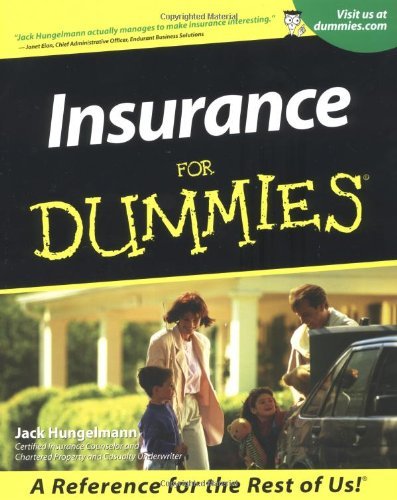
Insurance for Dummies: Hungelmann, Jack
<strong>Manage life, health, and disability risks</strong> ― explore individual and group policies, understand Medicare basics, and evaluate long-term disability and long-term-care insurance ...
Check Price on AmazonStep 1: Pick your coverage target
- Decide on liability limits that actually protect you (many households choose at least 100/300/50). If you can’t afford to pay out-of-pocket to fix or replace your car, keep collision and comprehensive.
- Choose deductibles you can realistically cover tomorrow. A $1,000 deductible usually costs less than $500, but make sure you could pay it after a deer strike or hailstorm.
Step 2: Get quotes from 3–5 carriers—apples to apples
- Use the exact same liability limits, deductibles, and optional coverages on every quote. That way you’re comparing price, not a different product.
- Include all household drivers and vehicle safety features (automatic emergency braking, anti-theft) that can earn discounts.
Step 3: Ask about telematics and low-mileage options
- Many Idaho drivers rack up highway miles. But if you work from home or mostly drive in-town, a usage-based or pay-per-mile program can help. These programs use a phone app or device to measure driving and mileage; safe, low-mileage drivers often see 5%–30% savings.
Step 4: Check the service side
- Claims satisfaction scores, local repair network access, and Idaho glass-claim handling matter. A slightly pricier policy can be worth it for faster, simpler claims.
Step 5: Re-shop after life changes
- Move to a new ZIP code? Pay off a vehicle? Teen added or removed? Re-quote. You can often save by updating your policy at renewal.
What to look for when comparing
- Total annual premium and fees (some carriers add monthly billing fees)
- Liability limits and deductibles are identical between quotes
- Accident forgiveness, disappearing deductible, or new car replacement options (explain each when offered)
- Rental reimbursement limits that fit Idaho repair timelines
- Windshield and glass coverage options (full glass endorsements are sometimes available through certain carriers)
Quick next step: The fastest way to see what you would actually pay is to compare personalized quotes from multiple companies. Start with Car Insurance Quotes: Compare Rates & Get Personalized Quotes Fast (/auto-insurance/car-insurance-quotes-compare-rates) and then skim Car Insurance: Compare Quotes & Save on Coverage Today (/articles/car-insurance-compare-quotes-save) for side-by-side shopping tips.
Prefer a human? A licensed local agent can help tailor coverage and find discounts you might miss online.
5) Idaho-specific discounts and savings opportunities
Insurers file different discounts in each state. In Idaho, you’ll typically find:
- Multi-policy (bundle) and multi-car: Combine auto with home, renters, or condo to save—often 10%–25% depending on the carrier.
- Safe driver and telematics: Clean records qualify; usage-based programs can add to it if your driving habits score well.
- Good student and distant student: Teens or college drivers with a B average (or higher) and those living far from home without a car can lower costs.
- Mature driver/defensive driving course: Many insurers offer a discount when older drivers complete an approved course. Ask your carrier which Idaho programs qualify and how long the savings last.
- Homeowner discount: Even if your home isn’t insured with the same company, simply owning a home can reduce your auto rates with some carriers.
- Safety features and anti-theft: Airbags, anti-lock brakes, immobilizers, and tracking systems can help.
- Low mileage or commute: If you primarily drive around town rather than long highway commutes, ask about mileage bands.
- Farm or business use specifics: If your truck is used primarily on farm property or for limited business use, disclose details—some carriers rate that differently and it can help.
Smart premium moves that fit Idaho driving
- Consider higher deductibles if you have savings set aside—just balance it against frequent gravel and wildlife risks in some regions.
- If your car is older and paid off, run the math on dropping collision or comprehensive. If the annual cost of coverage exceeds 10% of the car’s cash value, you might be over-insuring.
- If windshield chips are common on your routes, ask about special glass coverage options and how they affect premiums and claims.
Want more cost-cutting tactics? See Cheap Auto Insurance: How to Lower Your Premiums & Get Quotes (/auto-insurance/cheap-auto-insurance-lower-premiums-get-quotes).
6) Filing a claim in Idaho: what to expect
After a crash, here’s the typical path in an at-fault state like Idaho.
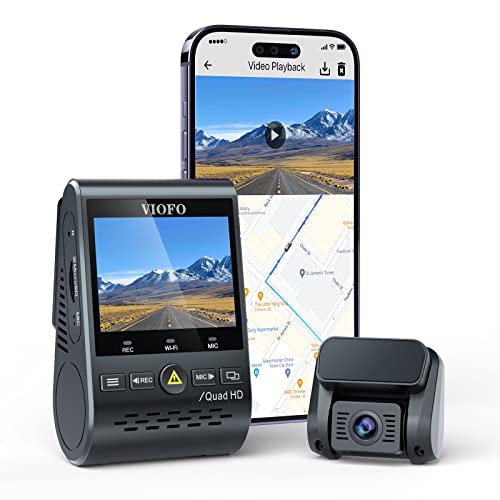
VIOFO Dual Dash Cam, 2K 1440P 60fps+1080P 30fps Front and Rear Dash Camera with Wi-Fi GPS, Parking Mode, Emergency Recording, Super Capacitor, Motion Detection (A129 Plus Duo) : Electronics
View on AmazonRight after the incident
- Check for injuries and call 911 if needed.
- Exchange information and take photos (vehicles, location, plates, insurance cards, and any visible damage or road conditions).
- If there are injuries, a hit-and-run, or significant damage, request a police report. Your insurer will likely ask for the report number.
Choosing where to file
- First-party claim: File with your insurer if you carry collision or MedPay. This can be faster; your company may subrogate (seek reimbursement) from the at-fault driver later.
- Third-party claim: File against the other driver’s insurer if they’re at fault. You won’t pay a deductible, but the process can take longer while fault is investigated.
Fault and Idaho’s comparative negligence rule
- Idaho uses modified comparative negligence. If you’re partly at fault, your payout can be reduced by your percentage of fault. If you’re 50% or more at fault, you typically can’t collect from the other driver’s liability coverage.
Repair, total loss, and rentals
- You can usually choose your repair shop, though some carriers have preferred networks with guarantees.
- If your car is a total loss, your insurer pays actual cash value (ACV), which is the vehicle’s market value minus depreciation—not the price you paid.
- Rental reimbursement only applies if you bought that optional coverage and only up to daily/total limits.
Timing and records
- Keep receipts and a written log of all claim conversations.
- Idaho has statutes of limitations for injury and property damage claims (often around two years), but timelines vary—ask your insurer and, if injuries are involved, consider consulting an attorney.
Not sure whether to file? A licensed agent can walk through the math—small claims might cost you a surcharge that outweighs the benefit, depending on your insurer’s rules.
7) FAQ: common questions about Idaho car insurance
What is the minimum car insurance in Idaho?
- At least 25/50/15 in liability: $25,000 bodily injury per person, $50,000 per accident, and $15,000 property damage. Insurers must offer UM/UIM, but you can reject it in writing.
Is Idaho a no-fault state?
- No. Idaho is an at-fault state. The at-fault driver’s liability coverage pays for injuries and damage to others up to policy limits.
How much does car insurance cost in Idaho?
- Many clean-record drivers see full-coverage quotes in the $120–$200/month range and minimum coverage around $60–$110/month. Teen drivers, DUIs, newer/luxury vehicles, and long commutes can push rates higher. Your price will vary by company and personal details.
Do I need SR-22 insurance in Idaho?
- If it’s required (after certain violations or driving without insurance), your insurer files an SR-22 form with the state to prove you’re carrying at least the minimum coverage. The filing typically lasts 1–3 years and often increases your rate.
Does Idaho allow electronic proof of insurance?
- In most cases, yes—Idaho generally accepts digital ID cards during traffic stops. Still, it’s smart to keep a paper card in the glove box in case your phone dies.
Do I need UM/UIM in Idaho?
- It’s not required if you reject it in writing, but it’s strongly worth considering. If you’re hit by an uninsured or underinsured driver, UM/UIM can pay for your injuries up to your chosen limits.
What’s the best way to lower my Idaho car insurance bill?
- Compare quotes from 3–5 carriers using identical limits and deductibles, ask about telematics, bundle home and auto, raise deductibles you can afford, and revisit comp/collision on older cars.
I’m moving to Idaho—do I need a new policy?
- Typically yes. You’ll want an Idaho-rated policy with an Idaho address and VIN garaging. There’s usually a short window to update your license and registration after establishing residency; check the Idaho Transportation Department for current timelines.
Next smart step: Get a few side-by-side quotes to see your real price. Start here: Car Insurance Quotes: Compare Rates & Get Personalized Quotes Fast (/auto-insurance/car-insurance-quotes-compare-rates). Then fine-tune coverages with Understanding Auto Insurance Coverage Types (/auto-insurance/understanding-auto-insurance-coverage-types).
A quick note on advice
- Insurance is personal. For tailored guidance—especially if you’ve had tickets, recent claims, or need an SR-22—speak with a licensed Idaho agent. They can help you right-size coverage and spot discounts unique to your situation.
Recommended Resources
Insurance for Dummies: Hungelmann, Jack
<strong>Manage life, health, and disability risks</strong> ― explore individual and group policies, understand Medicare basics, and evaluate long-term disability and long-term-care insurance ...
VIOFO Dual Dash Cam, 2K 1440P 60fps+1080P 30fps Front and Rear Dash Camera with Wi-Fi GPS, Parking Mode, Emergency Recording, Super Capacitor, Motion Detection (A129 Plus Duo) : Electronics
Buy VIOFO Dual Dash Cam, 2K 1440P 60fps+1080P 30fps Front and Rear Dash Camera with <strong>Wi-Fi GPS, Parking Mode</strong>, Emergency Recording, Super Capacitor, Motion Detection (A129 Plus Duo): On
NOCO Boost GB40: 1000A UltraSafe Jump Starter – 12V ...
Find portable jump starters for emergency preparedness. Browse options with intelligent protection systems and extended battery life.
Related Articles
- Home Insurance in Idaho: Coverage, Costs & Best Companies
- Life Insurance in Idaho: What Residents Need to Know
- Health Insurance in Idaho: Plans, Costs & How to Enroll
- Renters Insurance in Idaho: What It Covers, What It Costs, and How to Choose the Right Policy
- Auto Insurance in Iowa: Rates, Requirements & How to Save
- Auto Insurance in Montana: Rates, Requirements & How to Save
- Auto Insurance in Indiana: Rates, Requirements & How to Save
- Auto Insurance in Wyoming: Rates, Requirements & How to Save