
Home Insurance for Vacant Homes: How to Protect Empty Properties and Avoid Coverage Gaps
You have a house sitting empty—maybe you moved out, you’re in a long renovation, or you’re handling an estate—and you’re wondering if your current policy will cover it. Here’s the short answer: home insurance for vacant homes works differently than a standard homeowners policy, and there are real coverage gaps if you don’t handle vacancy the right way. This guide breaks down what “vacant” actually means, how insurers treat empty houses, your coverage options, and the steps that typically lower risk and cost.
Note: Insurance rules vary by state and insurer. Use this as a roadmap, then confirm specifics with a licensed agent.
Home insurance for vacant homes: what “vacant” actually means
Insurers draw a line between two terms that sound similar but carry big coverage consequences:
Insurance for Dummies: Hungelmann, Jack
<strong>Manage life, health, and disability risks</strong> ― explore individual and group policies, understand Medicare basics, and evaluate long-term disability and long-term-care insurance ...
Check Price on Amazon- Vacant: The home is empty of people and largely empty of furniture and personal property. It’s not being lived in and not set up to be lived in. Vacant is the higher-risk status.
- Unoccupied: The home still has furniture and the utilities may be on, but no one is currently staying there. Think snowbirds gone for the season or a brief gap between move-out and move-in.
Most policies attach a time limit to extended absences. Common thresholds are 30, 60, or 90 days, depending on your insurer and state. After that window, a “vacancy clause” often kicks in. That clause may restrict or exclude certain losses when the home is vacant (or, in some cases, unoccupied beyond the limit).
Why this matters: Once a property crosses the insurer’s vacancy threshold, losses like vandalism, theft, or certain types of water damage may be excluded under a standard policy. If you own an empty house for longer than your policy allows, talk to your insurer or agent before the clock runs out.
If you’re unsure what your base policy normally covers in an occupied home, start with this explainer: What Does Home Insurance Cover?
Why standard homeowners policies often exclude vacant-property losses
Vacant homes are riskier. No one is there to spot a small leak before it becomes a major water loss, to shoo away trespassers, or to call the fire department quickly. Because of that higher risk, many homeowners policies (often called HO-3, the most common form) limit coverage after a set vacancy period.
Typical impacts of a vacancy clause (your policy wording governs):
- Theft and vandalism may be excluded after 30–60 days of vacancy.
- Damage from freezing pipes might be excluded unless you maintain heat or properly shut off and drain the system.
- Glass breakage and sprinkler leakage might be excluded after the vacancy threshold.
- Liability coverage (your protection if someone gets hurt on the property) sometimes shrinks or requires a separate solution, depending on the policy.
Real talk: You could pay premiums, file a claim after a break-in at a vacant house, and get denied because the home was vacant under the policy’s definition. That’s why home insurance for vacant homes usually requires a different policy type or a specific endorsement (an add‑on that changes coverage).
If you need a refresher on the basics of homeowners insurance terms, you can also visit: Homeowners Insurance: A Complete Guide to Coverage, Costs & Quotes
Your coverage options for a vacant property
You have a few paths. The right choice depends on how long the home will be empty, whether it’s furnished, and what you’re doing with it (selling, renovating, between tenants, or long-term vacant).
1) Vacancy endorsement or permit (add‑on to an existing policy)
What it is: An endorsement (a written change to your policy) that acknowledges the property will be vacant and restores some coverage that would otherwise be excluded by the vacancy clause.
What it usually covers: It varies. Some endorsements bring back vandalism coverage; others don’t. Some may still exclude theft. Insurers might impose higher deductibles or require security measures.
When to use: Short, defined vacancy windows—say, 60 to 180 days—when your insurer is willing to amend your existing policy. It’s often the quickest route if your current carrier offers it.
Watch for: Exactly which perils are covered; conditions you must meet (regular inspections, maintaining heat, water shutoff); and any premium surcharge.
2) Vacant-home policy (standalone)
What it is: A dedicated policy built for vacant properties. It can be written for primary homes, second homes, or investment properties that are empty.
What it usually covers: Fire, lightning, wind, hail, explosion are typically included. Vandalism/theft may be optional. Liability can be included or added. Coverage is often “named perils” (only the perils listed are covered) rather than “all risk” (broader coverage), but some vacant policies can be more comprehensive at a higher cost.
When to use: Longer vacancies, properties in transition (estate, foreclosure, extended sale listing), or when your current carrier won’t modify your homeowners policy.
Watch for: Whether vandalism and theft are included or excluded; water damage terms (especially frozen pipes); liability limits; minimum policy terms (commonly 3, 6, or 12 months).
3) Dwelling fire policy (DP-1, DP-2, DP-3) tailored for vacancy
What it is: A “dwelling fire” policy is a flexible property policy used for rental or non-owner-occupied homes. Forms vary:
- DP-1: Basic form, named perils, often actual cash value (pays depreciated value) unless you add replacement cost.
- DP-2: Broader named perils (often adds burst pipe, falling objects), and may allow replacement cost.
- DP-3: Often an “all risk” form for the structure, subject to exclusions, typically the broadest of the three.
When to use: Between tenants, during moderate renovations, or anytime a homeowners policy won’t fit. Many insurers can add a vacancy permit to a DP policy to keep or restore vandalism coverage beyond 30–60 days.
Watch for: Whether vandalism/theft are included; how water damage from freezing is treated; whether personal property coverage is included (often limited) and whether liability is part of the package or separate.
4) Builder’s risk policy (for significant renovations)
What it is: Coverage designed for homes under renovation or construction. It protects the structure and materials during the build.
When to use: If walls are open, systems are being replaced, or you have contractors on site. Many standard and vacant policies exclude major construction.
Watch for: Theft coverage for materials, permissions for occupant access, and who’s named insured (you, the contractor, or both). You may still need separate premises liability.
5) Liability-only solutions (when property coverage is secured elsewhere)
If a lender force-places property coverage (they buy a policy to protect their interest), you may still want premises liability (your legal exposure if someone is injured on site). Some insurers or specialty markets offer stand-alone liability for vacant land or structures. Talk to a licensed agent about compatible options for your situation.
What’s typically covered—and what isn’t—when a house is vacant
Policies differ, but here’s how coverage often shifts once a property is considered vacant. Always confirm in writing with your agent.
Often covered (with the right policy/endorsement):
- Fire and smoke
- Lightning, explosion
- Wind and hail (coastal or wildfire-prone areas may have restrictions)
- Sudden, accidental water damage not related to long-term leakage (varies widely)
- Liability for bodily injury on the premises (if included)
Often excluded or limited on vacant homes:
- Vandalism and malicious mischief (commonly excluded after 30–60 days unless you buy it back)
- Theft of personal property or building materials
- Water damage from frozen pipes if you don’t maintain heat or properly winterize
- Long-term leakage or seepage
- Glass breakage after vacancy thresholds on some forms
Pro tip: If you’re keeping appliances or staging furniture in a vacant home, clarify whether personal property is covered, to what limit, and which perils apply.
Risks, underwriting factors, and what drives price
Why vacant homes cost more to insure:
- Higher claim frequency and severity: No one discovers issues quickly.
- Target for vandalism, theft, and squatting.
- Weather and maintenance losses get worse when unnoticed.
Underwriting questions you’ll likely be asked:
- How long will the home be vacant? Is there a firm date for occupancy or sale?
- Why is it vacant (estate, renovation, between tenants, extended travel)?
- What’s the property’s condition (roof, wiring, plumbing, age of systems)? Any prior losses?
- What protections are in place (monitored alarm, water sensors, cameras, deadbolts, lighting)?
- Are utilities on? Is heat maintained in cold weather? Is the water shut off and drained?
- Any hazards present (pool without a fence, broken windows/doors, unsecured outbuildings)?
- How often will someone inspect the property, and who?
Insurer inspections: Many carriers will inspect a vacant property before binding or shortly after. They may require locks on all doors, secure windows, lawn/snow maintenance, and removal of obvious hazards.
Typical cost range: Vacant-home policies often run higher than standard homeowners—commonly 1.5x to 3x, depending on state, location, and protections. For example, a home with a $300,000 rebuild cost might see a 6–12 month vacant policy anywhere from roughly $1,000 to $3,500+ in many areas, but prices vary widely by risk factors, coverage selections, and insurer appetite. The fastest way to see what you would actually pay is to compare quotes from 3–5 carriers.
How to make a vacant home more insurable (and cheaper)
- Install a monitored security system (central station monitoring). Many insurers require or discount for this.
- Add smart sensors: water leak detectors, low-temperature monitors, and cameras. Keep alert logs.
- Winterize: Maintain heat to at least the insurer’s minimum or shut off and drain water lines. Keep written proof of service.
- Secure entries: Solid deadbolts, window locks, and consider tempered glass film. Avoid obvious “boarded up” visuals unless necessary—use professional-grade solutions if you must board.
- Light it right: Exterior motion lights, interior timers to mimic occupancy.
- Maintain curb appeal: Mow, remove snow, collect mail and packages, and keep blinds consistent. Neglect invites trespass.
- Document inspections: Visit at a set frequency (weekly or biweekly is common). Log date/time, take photos, and note conditions. Some insurers will require this.
- Manage hazards: Fence and lock pools, remove trampolines, clear brush, and store flammables safely.
- Keep utilities safe: If utilities remain on, show active management (thermostat records, plumber’s winterization receipt). If off, document shutoff and drain-down.
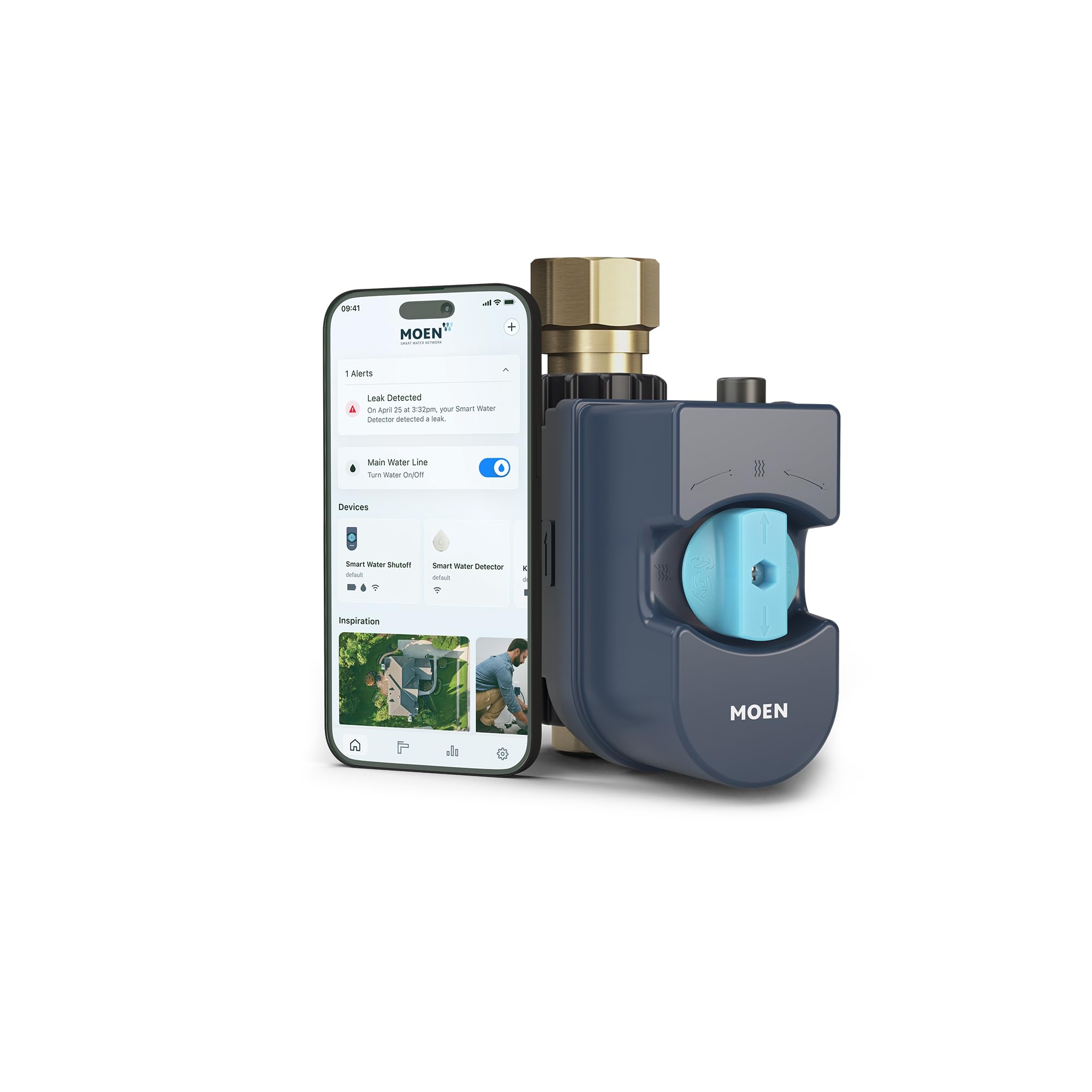
Moen Flo Smart Water Monitor and Automatic Shutoff Sensor, Wi-Fi Water Leak Detector for 3/4-Inch Diameter Pipe, 900-001 - Tub And Shower Faucets - Amazon.com
Moen Flo Smart Water Monitor and Automatic Shutoff Sensor, <strong>Wi-Fi Water Leak Detector for 3/4-Inch Diameter Pipe</strong>, 900-001 - Tub And Shower Faucets - Amazon.com
Check Price on Amazon
SimpliSafe 9 Piece Wireless Home Security System w/HD Camera - Optional 24/7 Professional Monitoring - No Contract - Compatible with Alexa and Google Assistant : Electronics
View on AmazonWhat to look for and how to compare quotes
When you price home insurance for vacant homes, focus on more than premium. Compare these specifics line by line:
Coverage and perils
- Does the policy include vandalism and theft when vacant, or are they excluded? Can you add them back?
- How does it treat water damage from frozen pipes? What are the heat/winterization conditions?
- Are you getting named-perils DP-1/DP-2 or broader DP-3 coverage? Is replacement cost included on the dwelling?
- What personal property (if any) is covered, and to what limit?
- Is liability included? At what limit? Any exclusions for certain hazards (e.g., pools, dogs, contractors)?
Policy mechanics
- What is the vacancy definition and time threshold in the policy?
- Are there inspection requirements or warranties (promises you must keep, like weekly checks)?
- Minimum term: 3, 6, or 12 months? Is there a short-rate penalty for early cancellation if the home sells?
- Deductibles and special deductibles (wind/hail, named storm, wildfire zones).
- Conditions to keep coverage active (alarm monitoring, heat on, water off).
Claims and support
- How to file a claim and what documentation is required (inspection logs, police reports, sensor records)?
- Any restrictions on materials theft during renovation? If renovating, should you move to builder’s risk instead?
If you like structured questions to bring to a conversation, these are a great companion: Must‑Ask Questions About Home Insurance: What Every Homeowner Should Ask
Key questions to ask your agent
- What does my policy consider “vacant” versus “unoccupied,” and when do exclusions start?
- Can I add a vacancy endorsement to my current policy? If so, which perils are restored and at what cost?
- If I switch to a vacant-home or DP policy, how do vandalism, theft, and frozen pipe losses work?
- What documentation do you need from me (inspection logs, photos, police reports) to support a claim?
- If my plans change and the home sells sooner, can I cancel and get a prorated refund?
- Do you recommend builder’s risk if I open walls or upgrade systems?
- Should I handle premises liability separately if property coverage is force-placed by a lender?
Real-world scenarios
Estate home on the market: Your parent’s house is empty of furniture and listed for sale. Expect your current homeowners policy to exclude certain losses after 30–60 days. A 6-month vacant-home policy with vandalism included and a monitored alarm is typically the safer route. Keep weekly inspection logs and thermostat records in winter.
Between tenants for 45–75 days: You have a rental turning over. Ask your insurer for a vacancy endorsement or a DP policy with a vacancy permit. Clarify vandalism/theft coverage during the gap and maintain utilities as required. Some carriers demand an inspection schedule.
Major renovation: You bought a fixer-upper and will open walls and replace plumbing. A builder’s risk policy may fit better than a vacant-home or DP policy. Confirm theft coverage for materials and who is named insured (you and/or the contractor). Keep premises liability in place.
Claims readiness: documentation and inspection needs
If something happens at a vacant home, you’ll often be asked for more proof than a typical occupied-home claim. Be prepared to share:
- Dated interior/exterior photos before and after the loss
- Inspection logs with dates, times, and findings
- Service receipts (winterization, alarm install, plumbing, heating maintenance)
- Alarm/sensor activity logs
- Police report numbers for theft or vandalism claims
- Real estate listing records or contractor agreements to confirm the home’s status
Pro tip: Email inspection logs to yourself or store them in the cloud as you go. Time-stamped records reduce disputes about when damage occurred.
When to hire a specialist (agent or property manager)
Consider a specialist if any of these apply:
Long vacancy (6+ months), prior losses, or hard-to-insure locations (coastal, wildfire, high-crime)
Foreclosure, estate, or probate situations with multiple decision-makers
Significant renovations, especially structural or systems work
Pool or other attractive nuisances that raise liability risk
You live far away and can’t perform or document regular inspections
A property manager or caretaker service can provide scheduled checks, photo logs, and vendor coordination—often worth the cost when it keeps coverage intact and claims clean.
Smart next step: compare quotes the right way
The fastest way to see what you would actually pay is to compare quotes from 3–5 carriers that actively write home insurance for vacant homes. Ask each one to price the same coverage limits, perils (including vandalism/theft if you want them), deductibles, and inspection requirements so you can make a clean apples-to-apples comparison.
If you want a refresher on how to gather and compare quotes effectively, start here: Home Insurance Guide 2026 — Compare Quotes, Coverage & Costs
One more reminder: Speak with a licensed agent for personalized advice. They can translate policy wording, surface carriers that accept your specific vacancy, and flag requirements that keep coverage in force.
Bottom line and your action plan
- Confirm your current policy’s vacancy clause and timeline in writing.
- Decide which path fits: vacancy endorsement, vacant-home policy, DP policy with vacancy permit, or builder’s risk.
- Implement risk controls: monitored alarm, winterization, inspections, and documentation.
- Compare quotes from 3–5 carriers for the same specs.
- Keep records tidy so if you have a claim, you’re ready.
If your property is already empty or will be soon, start quotes today and set your inspection routine on the calendar. Small steps now can prevent big, uncovered losses later.
Recommended Resources
Insurance for Dummies: Hungelmann, Jack
<strong>Manage life, health, and disability risks</strong> ― explore individual and group policies, understand Medicare basics, and evaluate long-term disability and long-term-care insurance ...
SimpliSafe 9 Piece Wireless Home Security System w/HD Camera - Optional 24/7 Professional Monitoring - No Contract - Compatible with Alexa and Google Assistant : Electronics
Buy <strong>SimpliSafe 9 Piece Wireless Home Security System w/HD Camera - Optional 24/7 Professional Monitoring - No Contract - Compatible with Alexa and Google Assistant</strong>: Home Security Syst
Moen Flo Smart Water Monitor and Automatic Shutoff Sensor, Wi-Fi Water Leak Detector for 3/4-Inch Diameter Pipe, 900-001 - Tub And Shower Faucets - Amazon.com
Moen Flo Smart Water Monitor and Automatic Shutoff Sensor, <strong>Wi-Fi Water Leak Detector for 3/4-Inch Diameter Pipe</strong>, 900-001 - Tub And Shower Faucets - Amazon.com
Related Articles
- Vacation Rental Insurance Options: Coverage Types, Gaps, and How to Choose
- Must‑Ask Questions About Home Insurance: What Every Homeowner Should Ask
- Home Insurance vs Renters Insurance: Key Differences, Real-World Examples, and Which One You Need
- What Does Home Insurance Cover?
- Home Insurance in Hawaii: Coverage, Costs & Best Companies
- Best Home Insurance for New Homeowners: Top Picks, Costs, and What to Look For
- Mortgage vs Home Insurance — What Every Homebuyer Needs to Know
- Best Home Insurance for Renters: Compare Coverage, Cost & Top Picks