
Vacation Rental Insurance Options: Coverage Types, Gaps, and How to Choose
You’ve got guests on the calendar and a property you love. But one question keeps nagging: what insurance do you actually need for a short‑term rental? Vacation rental insurance is not the same as standard homeowners or landlord coverage, and the gaps can be expensive. Here’s what actually matters when choosing the right protection for your place.
Core vacation rental insurance options (and who they fit)
Different policies are designed for different uses. The first step is matching your situation to the right base policy, then filling gaps with endorsements (policy add‑ons) or separate coverage.
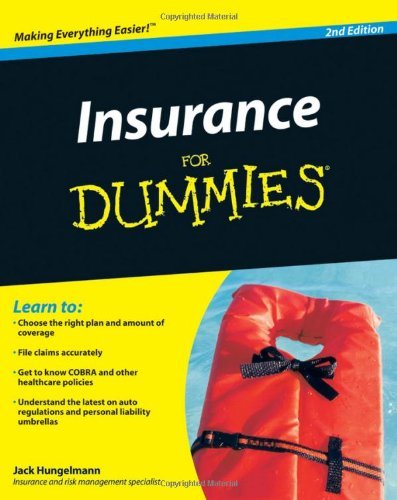
Insurance For Dummies?: Hungelmann, Jack
Whether you’re a homeowner or ... need on: ... Author Jack Hungelmann <strong>uses his twenty-five years of experience in the insurance industry to make buying insurance as simple as possible</strong>
Check Price on Amazon1) Standard homeowners insurance (for primary homes with occasional hosting)
A homeowners policy (often called HO‑3 or HO‑5) is designed for owner‑occupied homes. It typically covers:
- Dwelling (the structure itself)
- Personal property (your belongings)
- Personal liability (if someone is injured and alleges you’re at fault)
- Loss of use/additional living expenses (pays for you to live elsewhere if a covered loss makes the home uninhabitable)
Big catch: most homeowners policies have a business activity exclusion (they won’t cover losses arising from business use). Frequent short‑term rentals are usually considered a business. Some insurers offer a “home‑sharing” or “short‑term rental” endorsement that narrows this exclusion for hosts who occasionally rent a room or their whole home.
Where it fits: Hosts who rent infrequently (for example, a few weekends a year) and live in the home full‑time, and whose insurer offers a home‑sharing endorsement.
Common gaps:
- Guest‑caused damage may be limited or excluded.
- Theft by a guest is often excluded.
- Loss of rental income (business interruption) is usually not included.
Example: You rent your primary home six weekends a year. A guest leaves a candle burning and a small fire damages the living room. Without a home‑sharing endorsement, your insurer could point to the business exclusion. With the right endorsement, the dwelling damage may be covered, but lost bookings during repairs likely are not.
Useful refresher on what a standard homeowners policy does (and doesn’t) cover: What Does Home Insurance Cover?
2) Landlord/dwelling policy (for long‑term tenants, not usually STRs)
A landlord policy (often called a DP‑3) is built for long‑term rentals. It typically covers:
- Dwelling
- Landlord’s furnishings/appliances (limited contents)
- Landlord liability
- Loss of rents (lost income when a covered claim makes the unit uninhabitable)
Where it fits: Traditional long‑term rentals (12‑month leases). Many DP policies exclude short‑term rentals or require specific underwriting approval.
Common gaps for STRs:
- Short‑term or transient occupancy may be excluded.
- Guest‑caused damage and theft are often limited.
Example: You switch your year‑long lease to weekend bookings without telling your insurer. A water line bursts during a guest stay. The insurer could deny the claim if the policy excludes transient rentals.
3) Short‑term rental/host endorsements and “home‑sharing” packages
Many insurers now offer short‑term rental endorsements (policy add‑ons) for homeowners who host regularly. These can extend coverage for:
- Guest‑caused damage to your property
- Some theft by a guest
- Liability arising from short‑term rental activities
- Sometimes limited loss of rental income after a covered loss
Where it fits: Primary homes or second homes used for recurring but not full‑time short‑term rentals, when the same insurer will endorse the base policy.
Common gaps:
- Sub‑limits for theft or malicious damage
- Exclusions for certain amenities (pools, docks, trampolines)
- Loss of income only if a covered peril occurs (not for cancellations, pandemics, or local bans)
Example: You have a home‑sharing endorsement. A guest’s kid breaks your smart TV and damages the hardwood floor. The endorsement may cover repairs minus your deductible (the amount you pay out of pocket before insurance kicks in), but not the two weekends of lost bookings while you refinish the floor.
4) Platform “host protection” and guarantees (helpful, but not insurance for you)
Platforms like Airbnb and Vrbo advertise host protections. Read the fine print:
- These are not a substitute for your own policy.
- Coverage is typically secondary (after your insurance), with exclusions for things like wear and tear, fine art, cash, some pets, and intentional acts.
- “Guarantees” are not regulated insurance policies and can change or deny payment per platform rules.
Where it fits: A backstop—not your primary plan. Assume gaps.
Example: An unauthorized party trashes your condo and neighbors claim nuisance. Platform protection may reimburse some damage after a review, but fines, lost income, and liability to neighbors can fall on you.
5) Commercial vacation rental policies (for full‑time or multi‑property operations)
These are purpose‑built for professional hosting. They typically offer:
- Building and contents coverage
- Commercial general liability (CGL) with higher limits
- Business income/loss of rental income (pays your net lost rents during repairs after a covered claim)
- Options for equipment breakdown (for HVAC/appliances), ordinance or law (code upgrades), and more
Where it fits: Dedicated vacation homes, multiple listings, or owners who rely on rental income.
Common gaps:
- Exclusions for certain activities (boats, jet skis, events) unless specifically added
- Sublimits for theft by a guest or malicious damage without an endorsement
Example: You rent a beach house 200 nights a year. A kitchen fire forces a two‑month closure at peak season. A commercial policy with business income coverage can help replace lost bookings based on your financial records and typical occupancy.
Want a deeper primer on homeowners foundations before layering STR coverage? See our plain‑English guide: Homeowners Insurance: A Complete Guide to Coverage, Costs & Quotes
Liability risks unique to vacation rentals—and smart coverage moves
Short‑term rentals add risks beyond typical home use. Here’s how to think about them and the coverage to consider.
Guest injury on premises
- Risk: Slip on a wet deck, trip on loose stairs, or cut from broken glass.
- Coverage to consider: Personal or commercial liability (covers bodily injury/property damage you’re legally responsible for), plus medical payments to others (no‑fault medical coverage, often $1,000–$5,000 per person; many hosts choose $5,000–$10,000 where available).
- Recommended limits: Many hosts carry at least $500,000 personal liability; $1,000,000 is common when available. For bigger assets or riskier amenities (pool, hot tub, dock), consider a personal umbrella policy (extra liability that sits on top of your home/auto limits) of $1–$5 million. Umbrella policies typically require minimum underlying limits.
Property damage caused by guests
- Risk: Broken furniture, ruined floors, kitchen fires, or malicious damage.
- Coverage to consider: Short‑term rental endorsements, guest damage riders, or commercial forms that explicitly cover guest‑caused damage and theft by a guest. Security deposits are not insurance and often fall short.
Parties and nuisance claims
- Risk: Unauthorized events leading to neighbor complaints, HOA fines, or municipal penalties.
- Coverage reality: Fines/penalties are typically excluded. Some policies offer “host liquor liability” (covers liability arising from serving alcohol in a social setting), but commercial alcohol service is almost always excluded.
- What helps: Clear house rules, noise monitoring (within local laws), and a zero‑tolerance party policy. Don’t expect insurance to absorb fines.
Pets and animal liability
- Risk: Dog bites or property damage.
- Coverage to consider: Animal liability endorsement (covers injuries caused by a pet). Note that many policies exclude certain breeds or any animals owned by guests. If you allow pets, confirm what’s covered and what isn’t.
Subletting and unauthorized guests
- Risk: Booked guest invites others, uses property against rules, or re‑lists your place.
- Coverage reality: Intentional acts and contractual disputes are usually excluded. Some commercial policies can include limited coverage for squatting or eviction expenses—ask specifically.
Common exclusions—and endorsements to close the gaps
Knowing what’s not covered is half the battle. Watch for these frequent exclusions and the add‑ons that can help.
- Business activity exclusion: Renting is a business; get a short‑term rental/home‑sharing endorsement or a commercial vacation rental policy.
- Theft by a guest and intentional acts: Often excluded without a specific endorsement for guest/tenant theft or malicious damage.
- Pet damage: Usually excluded. Consider an animal liability endorsement and clarify whether guest‑owned pets are included.
- Bed bugs, vermin, mold: Typically excluded. Some specialty policies offer limited bed bug remediation or mold coverage—expect tight sublimits.
- Pools, spas, trampolines, docks, boats: May require safety measures or separate endorsements; some risks are excluded outright.
- Water/sewer backup: Often excluded unless you add a water backup endorsement (covers damage from backed‑up drains or sump overflow).
- Equipment breakdown: An endorsement that can cover sudden failure of HVAC, boilers, and major appliances (separate from wear and tear).
- Service line coverage: Covers underground pipes/wires from the street to your home—often excluded otherwise.
- Ordinance or law: Pays for code‑required upgrades during covered repairs.
- Loss of income triggers: Business income/loss of rents applies only when a covered peril (like fire) shuts you down. Cancellations, pandemics, strikes, or government shutdowns are typically excluded unless a policy explicitly says otherwise.
Pro tip: Ask for the endorsement forms, not just summaries. Look for concrete language like “theft by a guest” or “loss of rents due to direct physical loss by a covered peril.”
Cost drivers and practical ways to lower risk (and premiums)
What you pay varies widely by state, property type, and insurer appetite. Typical drivers include:
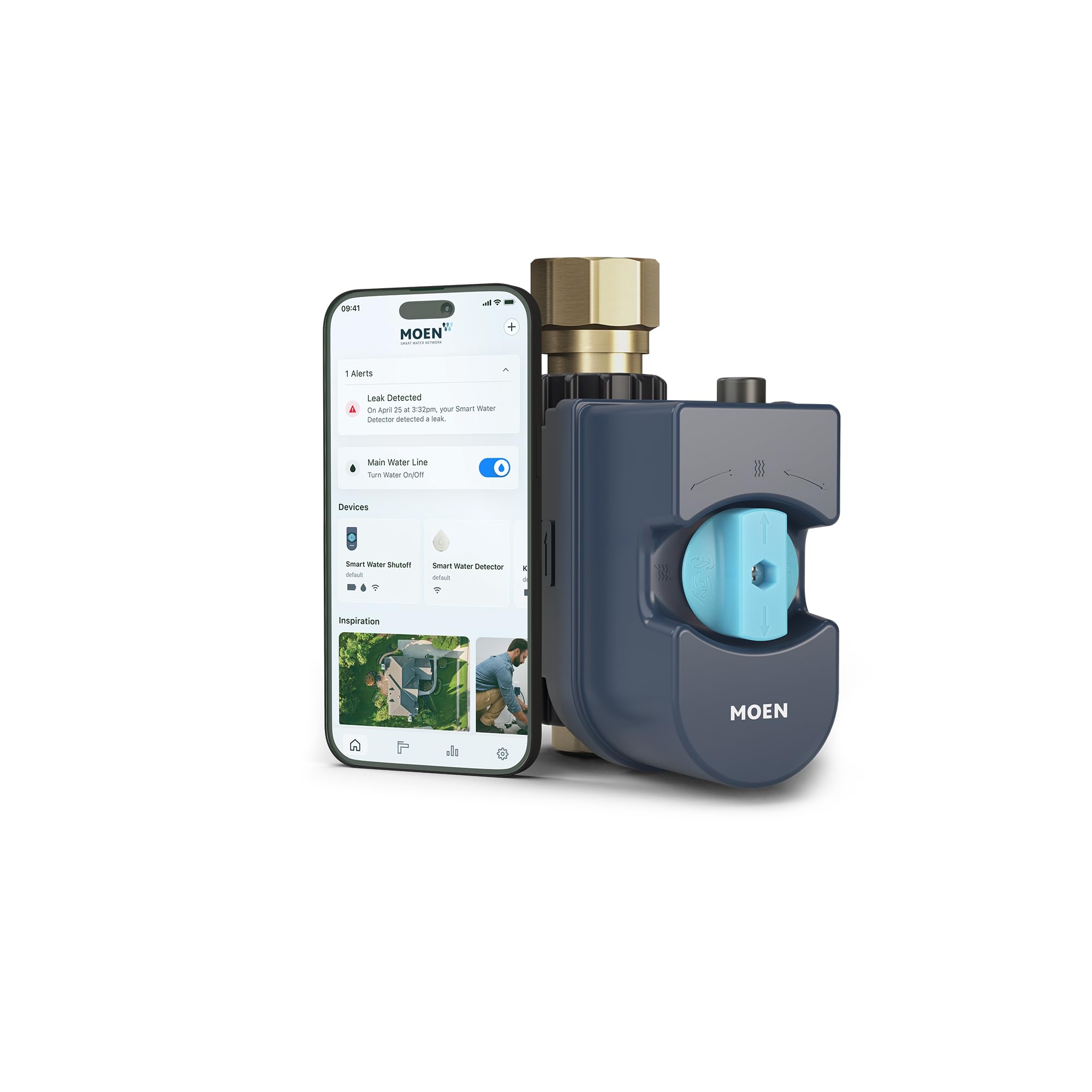
Moen Flo Smart Water Monitor and Automatic Shutoff Sensor, Wi-Fi Water Leak Detector for 3/4-Inch Diameter Pipe, 900-001 - Tub And Shower Faucets - Amazon.com
View on Amazon
Kidde Hardwired Smoke & Carbon Monoxide Detector, Battery Backup, Interconnectable, LED Warning Light Indicators - Amazon.com
View on Amazon- Occupancy levels: More guest nights usually mean higher exposure and higher premiums.
- Location risks: Coastal wind/hail, hurricanes, wildfire zones, flood risk (flood is a separate policy), and local crime rates.
- Property details: Rebuild cost, roof age, wiring/plumbing updates, and distance to a hydrant or fire station.
- Amenities: Pools, hot tubs, fireplaces, docks, and steep stairs add liability.
- Claims history: Prior water or liability claims can raise rates.
- Screening and rules: ID checks, age minimums, and no‑party policies often earn underwriter goodwill.
- Local regulations: Permits and compliance reduce the odds of regulatory headaches (which insurance rarely covers).
Steps that typically help reduce risk and may earn credits:
- Install interconnected smoke and CO detectors, fire extinguishers on every level, and a monitored alarm.
- Add smart leak sensors with auto‑shutoff on main water lines in freeze‑prone areas.
- Fence pools with self‑closing, self‑latching gates; add pool alarms and clear depth signage.
- Use smart locks with unique guest codes; log entries automatically.
- Add outdoor lighting and non‑slip treads on stairs and decks.
- Provide a clear house manual: emergency contacts, breaker panels, water shutoff, fireplace rules.
- Use noise monitoring devices (where legal) and make your no‑party rule explicit in the listing and rental agreement.
- Require government ID and a signed rental agreement for off‑platform bookings.
- Schedule regular professional maintenance (HVAC service, gutter cleaning, dryer vent checks) and document it.
- Consider higher deductibles to lower premiums, but only to levels you can comfortably pay out of pocket.
- Bundle with other policies (auto, umbrella) if available for multi‑policy discounts.
If you’re still pricing the basics of home coverage, our buyer’s guide can help frame expectations before you add STR endorsements: Home Insurance Guide 2026 — Compare Quotes, Coverage & Costs
How loss of rental income works—and how to file a smoother claim
Loss of income/business interruption basics
- What it is: Coverage that replaces your net lost rental income when a covered peril (like fire or wind) makes the property uninhabitable.
- How it’s calculated: Typically based on your historical occupancy, average daily rate, upcoming bookings, and seasonal norms. Insurers may request booking calendars, bank statements, and tax returns.
- Waiting period: Some policies include a waiting period (for example, 72 hours) before loss of income starts.
- Period of restoration: Payments continue until reasonable repairs are completed or you reach the policy limit/time limit.
- Civil authority and utility service: Some policies include limited coverage if a government order blocks access after nearby damage, or if off‑premises utility failure causes loss—often sublimited and tightly defined.
- Not covered: Cancellations due to epidemics, fear of travel, or local regulations are generally excluded unless a policy explicitly says otherwise.
Claims documentation checklist
Create a “claims binder” before you ever need it:
- Pre‑loss photos/video walkthrough of every room and key systems.
- Inventory of furnishings, décor, and appliances with purchase dates and receipts when possible.
- Maintenance logs and invoices (roof, HVAC, plumbing, safety devices).
- Booking calendars, statements from platforms, bank deposits, and recent tax returns.
- Copies of permits, inspection reports, and your house rules/rental agreement.
- After a loss: timestamped photos, police report for theft or vandalism, mitigation receipts (board‑up, water extraction), and contractor estimates.
Claims tips that save time and stress
- Report promptly to your insurer (not just the platform) and follow their guidance on mitigation.
- Don’t discard damaged items until the adjuster sees them or you document thoroughly.
- Keep communication with guests professional; avoid admitting fault.
- Track all extra expenses and lost bookings tied to the covered loss.
- For liability incidents, forward any legal papers to your insurer immediately.
How to compare vacation rental insurance (what to look for)
When quotes start rolling in, here’s how to compare apples to apples:
- Policy type fit: Is it a homeowners policy with a short‑term rental endorsement, a landlord form, or a true commercial vacation rental policy? Pick the right foundation first.
- Liability limits: Aim for at least $500,000; many hosts choose $1,000,000. Check if defense costs are inside or outside the limit (outside is better).
- Guest‑caused damage and theft: Is it covered? At what sublimit? Any proof requirements beyond a police report?
- Loss of income: Is “loss of rents/business income” included? What triggers payment? What’s the maximum monthly and total limit? Any waiting period?
- Water damage: Any specific exclusions or sublimits for water discharge, seepage, or sewer backup? Consider adding water backup coverage.
- Amenities and special exposures: Are pool/hot tub, dock, fireplace, or bikes covered? Any age restrictions for guests?
- Exclusions that matter: Animals, bed bugs, mold, intentional acts, events/parties, liquor—know before you buy.
- Claims reputation and financial strength: Look for carriers rated A‑ or better by AM Best and with 24/7 claims support.
- Flexibility for growth: Can you add more properties later? Are multi‑property schedules available?
- Price vs. value: Compare deductibles, sublimits, and endorsements—not just the headline premium.
The fastest way to see what you would actually pay is to compare quotes from 3–5 carriers that regularly insure short‑term rentals. If you’re benchmarking home policy options first, our curated list can help: Best Home Insurance 2026: Top Picks, How to Choose & Get Quotes
Real‑world pricing examples (ballparks—not promises)
Actual costs vary by state, insurer, home value, and risk profile, but hosts typically see:
- Occasional home‑sharing endorsement: Often an incremental cost added to a homeowners policy.
- Dedicated STR endorsement on a second home: A noticeable bump over a standard home policy in the same area, reflecting business use.
- Commercial vacation rental policy: Higher than homeowners, but it bundles proper liability and loss of income—often the best fit for full‑time STRs.
Say you own a 3‑bedroom cabin in Tennessee, rent 150 nights a year, and have a hot tub. A carrier comfortable with STRs might quote liability at $1M with business income coverage; another may require fenced access, specific maintenance logs, and a higher deductible. Comparing both helps surface requirements you can meet to lower cost.
Quick FAQs hosts ask
- Do I need flood insurance? Flood (water rising from outside) is excluded under most property policies. If you’re in a flood zone—or even near a creek—consider a separate flood policy.
- Will my HOA master policy cover my condo STR? The HOA policy typically covers the building shell and common areas, not your unit’s interior or your liability. You still need your own coverage.
- Are platform damage waivers enough? No. They’re limited, subject to platform rules, and may not cover your biggest exposures like liability or lost income.
Your next step
- If you rent only occasionally, ask your current home insurer about a short‑term rental or home‑sharing endorsement.
- If you rent regularly or depend on the income, request quotes for purpose‑built vacation rental policies with $1M liability and explicit business income coverage.
- The fastest way to check real pricing is to compare quotes from 3–5 experienced STR carriers or work with an independent agent who can shop the market for you.
A licensed agent can help tailor coverage to your property, location, and hosting style. If you’re still grounding yourself in home insurance fundamentals or want to gather quotes, these resources are a solid starting point:
- Home Insurance Guide 2026 — Compare Quotes, Coverage & Costs
- Homeowners Insurance: A Complete Guide to Coverage, Costs & Quotes
Stay proactive: document your property, tighten house rules, and choose coverage that actually reflects how you host. Your future self—and your balance sheet—will thank you.
Recommended Resources
Insurance For Dummies?: Hungelmann, Jack
Whether you’re a homeowner or ... need on: ... Author Jack Hungelmann <strong>uses his twenty-five years of experience in the insurance industry to make buying insurance as simple as possible</strong>
Kidde Hardwired Smoke & Carbon Monoxide Detector, Battery Backup, Interconnectable, LED Warning Light Indicators - Amazon.com
The Kidde Smoke & Carbon Monoxide Detector, Hardwired Interconnect Combination Smoke & CO Alarm with Battery Backup & Voice Alert, model KN-COSM-IBA, is <strong>an AC-wired, ionization ala
Moen Flo Smart Water Monitor and Automatic Shutoff Sensor, Wi-Fi Water Leak Detector for 3/4-Inch Diameter Pipe, 900-001 - Tub And Shower Faucets - Amazon.com
Moen Flo Smart Water Monitor and Automatic Shutoff Sensor, <strong>Wi-Fi Water Leak Detector for 3/4-Inch Diameter Pipe</strong>, 900-001 - Tub And Shower Faucets - Amazon.com
Related Articles
- Home Insurance for Vacant Homes: How to Protect Empty Properties and Avoid Coverage Gaps
- How to Choose the Right Travel Insurance: A Practical Guide to Coverage, Cost, and Claims
- How to Find the Right Renters Insurance: Coverage, Costs, and Buying Tips
- Why Travel Insurance Matters: Risks, Coverage That Counts, and How to Choose
- Finding the Right Renters Insurance: How to Choose Coverage, Save Money, and Protect Your Belongings
- Home Insurance vs Renters Insurance: Key Differences, Real-World Examples, and Which One You Need
- What Does Renters Insurance Cover? Coverage, Limits, Exclusions & Add‑Ons Explained
- Understanding Renters Insurance Coverage: What It Covers, How Much You Need, and How to File a Claim