
Home Insurance Deductibles Explained: How They Work and How to Choose
You just looked at your quote and saw a $1,000, $2,500, or even a percentage listed as your deductible. Is that normal? What does it really mean on claim day? This guide breaks down home insurance deductibles (the amount you pay out of pocket before insurance pays) in plain English so you can choose confidently—and avoid costly surprises.
We will cover how home insurance deductibles work across different claim types, the tradeoff between deductible and premium, how to choose a number that fits your budget and risk, and smart strategies to keep costs down without overexposing yourself.
What is a home insurance deductible?
A home insurance deductible is the part of a covered loss you pay before your insurer pays the rest, up to your policy limits. Think of it as your skin in the game. You set your deductible when you buy or renew your policy, and it applies per claim (per occurrence), not per item.
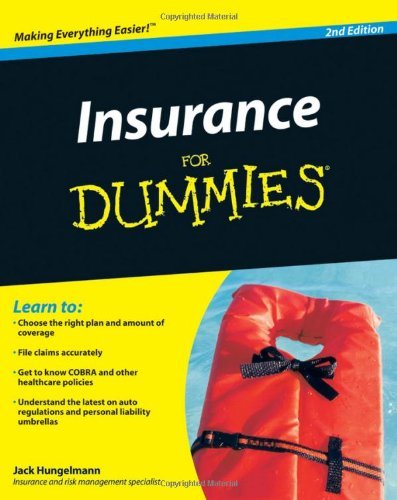
Insurance For Dummies?: Hungelmann, Jack
Whether you’re a homeowner or ... need on: ... Author Jack Hungelmann <strong>uses his twenty-five years of experience in the insurance industry to make buying insurance as simple as possible</strong>
Check Price on AmazonTwo big flavors of home insurance deductibles show up in homeowners policies:
- Fixed-dollar deductible: A flat amount like $500, $1,000, or $2,500 that applies to most covered property claims. If you have $10,000 in covered water damage and a $1,000 deductible, the insurer typically pays $9,000.
- Percentage deductible: A percentage of your dwelling coverage (Coverage A). If your home is insured for $400,000 and you have a 2% wind or hurricane deductible, your out-of-pocket for a covered event is $8,000. Percentage deductibles are common for wind/hail, named storm, or hurricane risks depending on your state.
A few policy structure terms you will see:
- Named-peril vs. all-risk (open perils): A named-peril policy lists exactly which causes of loss are covered (like fire, theft, wind). An all-risk policy covers any cause of loss unless it is excluded. Your deductible applies only to covered losses. If a peril is excluded (like flood in a standard homeowners policy), there is no payout regardless of deductible.
- AOP (All Other Perils) deductible: The standard fixed-dollar deductible that applies to most non-catastrophe claims—fire, non-storm water damage, theft, etc. When you see AOP, read it as “the regular deductible.”
Important: Flood and earthquake are typically not covered by standard homeowners policies. If you buy separate flood or earthquake insurance, those policies have their own, separate deductibles.
For a refresher on what your home policy does and does not cover, see What Does Home Insurance Cover? (/home-insurance/what-does-home-insurance-cover)
How home insurance deductibles apply to different claims
Deductibles are applied per claim (per occurrence). Here is how that plays out in common scenarios:
- Fire in the kitchen: You have $18,000 in damage and a $1,000 AOP deductible. You pay the first $1,000; the insurer typically pays $17,000, subject to limits and depreciation rules if applicable.
- Wind/hail damage with a special deductible: Your policy has a 2% wind/hail deductible and a $1,000 AOP deductible. A severe hailstorm causes $12,000 in roof damage. Because the hail peril has a separate percentage deductible, that 2% applies instead of the $1,000 AOP. If your dwelling limit is $400,000, your deductible is $8,000. Insurer typically pays $4,000.
- Hurricane or named-storm deductible: In many coastal states, a hurricane or named-storm deductible applies only when a storm meets a specific trigger (for example, a National Hurricane Center hurricane warning in your county, or when the storm is designated and makes landfall). Triggers vary by state and insurer; always check your policy.
- Loss of use (additional living expenses): In many policies, your deductible does not apply to loss of use coverage (the part that pays for a hotel or rental if a covered claim makes your home uninhabitable). But this varies by insurer and state—confirm with your agent.
- One event, multiple damages: If wind breaks a window and rain soaks your floors, that is typically one occurrence and one deductible. If you have separate deductibles (AOP and wind/hail), the highest applicable deductible for that one occurrence usually applies. Again, policy language rules.
If you want a broader foundation on coverages alongside deductibles, check out Homeowners Insurance: A Complete Guide to Coverage, Costs & Quotes (/home-insurance/homeowners-insurance-guide-coverage-costs-quotes)
Deductible vs. premium: the real tradeoff
There is a direct tradeoff: higher deductible, lower premium; lower deductible, higher premium. Why? You are agreeing to shoulder more of small and medium losses, so the insurer charges less each year. The trick is finding the point where your annual savings justify the extra risk you are taking on.
Here is the math you actually need.
Example 1: $1,000 vs. $2,500 deductible on a typical AOP
- Quote A: $1,000 deductible; premium $1,800/year
- Quote B: $2,500 deductible; premium $1,560/year
- Savings: $240/year with the higher deductible
- Break‑even time: $1,500 extra out-of-pocket ($2,500 minus $1,000) ÷ $240/year ≈ 6.25 years
What this means: If you go more than about 6 years without an AOP claim, the $2,500 deductible typically comes out ahead. If you have a $2,000 covered loss in year 2, you would pay more out of pocket ($2,500 vs. $1,000), and the $240/year premium savings would not make up the difference yet.
Rule of thumb: Only raise your AOP deductible to a level you could comfortably pay tomorrow from savings.
Example 2: Percentage hurricane deductible on a $400,000 home
- Coverage A (dwelling limit): $400,000
- Hurricane deductible: 2% = $8,000
- Covered hurricane damage: $15,000 to roof and siding
- Payout math: $15,000 − $8,000 = $7,000 from the insurer
If you could buy back the hurricane deductible to 1% (an endorsement some insurers offer) for, say, $180/year, is it worth it?
- Extra premium: $180/year
- Deductible reduction: $4,000 less out of pocket if a triggered storm hits
- Break‑even: One covered hurricane claim in the next 22 years would justify the buyback purely on math ($4,000 ÷ $180 ≈ 22). In a high-risk coastal area where severe storms are more frequent, paying for the lower percentage may be sensible. Far inland, it may not be.
Your numbers will vary by insurer and state, but this shows how to think about it.
How to choose the right deductible (What to look for)
Here is what actually matters when choosing your deductible:
- Emergency savings: Pick a deductible you could pay today without taking on debt. A $2,500 AOP deductible makes sense only if you have at least that much in a readily available emergency fund.
- Risk exposure where you live:
- Coastal states often have separate hurricane or named-storm deductibles.
- Great Plains and mountain states see frequent wind/hail.
- High-crime areas increase theft/vandalism risk.
- Older roofs or aging plumbing elevate claim odds. If your exposure is higher, a lower deductible (or buying back a lower percentage for wind/hail) may help you sleep at night.
- Home value and repair costs: Higher dwelling limits make percentage deductibles bigger in dollars. A 2% deductible on $800,000 is $16,000; on $250,000 it is $5,000. Also consider local labor and material costs—repairs can be pricier in some regions.
- Mortgage/lender requirements: Some lenders cap your AOP deductible or your percentage deductible. If you are refinancing or switching carriers, confirm your lender’s rules before you bind coverage.
- Claim frequency and your tolerance for small losses: If you are the “fix it yourself” type and rarely claim, a higher AOP deductible can keep premiums lean. If you would want insurance help for moderate losses (say, $3,000–$5,000), lean lower.
- Roof coverage terms: Separate from deductible, some policies cover older roofs at actual cash value (depreciated value) rather than replacement cost. That can be a bigger out-of-pocket hit than the deductible itself. Ask how your roof is covered.
Pro tip: The fastest way to see exactly how deductible levels change your price is to compare quotes from 3–5 carriers side by side. Carriers file different rates and offer different deductible options, so the sweet spot is not the same everywhere. If savings are modest, keeping a lower deductible may be worth it.
Want help lowering your overall costs without simply raising your deductible? See How to Find the Cheapest Homeowners Insurance (Get Quotes & Save) (/home-insurance/cheapest-homeowners-insurance)
Practical strategies to manage deductible impact
You have more levers than just “raise the deductible.” Try these first.
1) Lower premium without touching your deductible
- Bundle home and auto: Carriers typically discount both policies when you bundle.
- Protective devices: Central station fire and burglar alarms, water leak sensors, and automatic shut‑off valves can earn discounts and prevent claims in the first place.
- Roof and mitigation upgrades: Impact‑resistant shingles, secondary water barrier, hurricane clips/straps, or a new roof can dramatically cut wind/hail premiums depending on your state.
- Maintenance matters: Replace supply lines, update old electrical panels, add smoke/CO detectors, and fix small leaks early.
- Shop around: Rates and deductible credits vary widely by insurer and ZIP code. Quote annually if your area has seen big weather losses.
- Credit-based insurance score: In most states, better credit tends to mean better rates. Paying bills on time and keeping utilization low can help over time.

First Alert BRK SC9120B-12 Hardwired Smoke and Carbon Monoxide (CO) Detector with Battery Backup, 12-Pack - Amazon.com
View on Amazon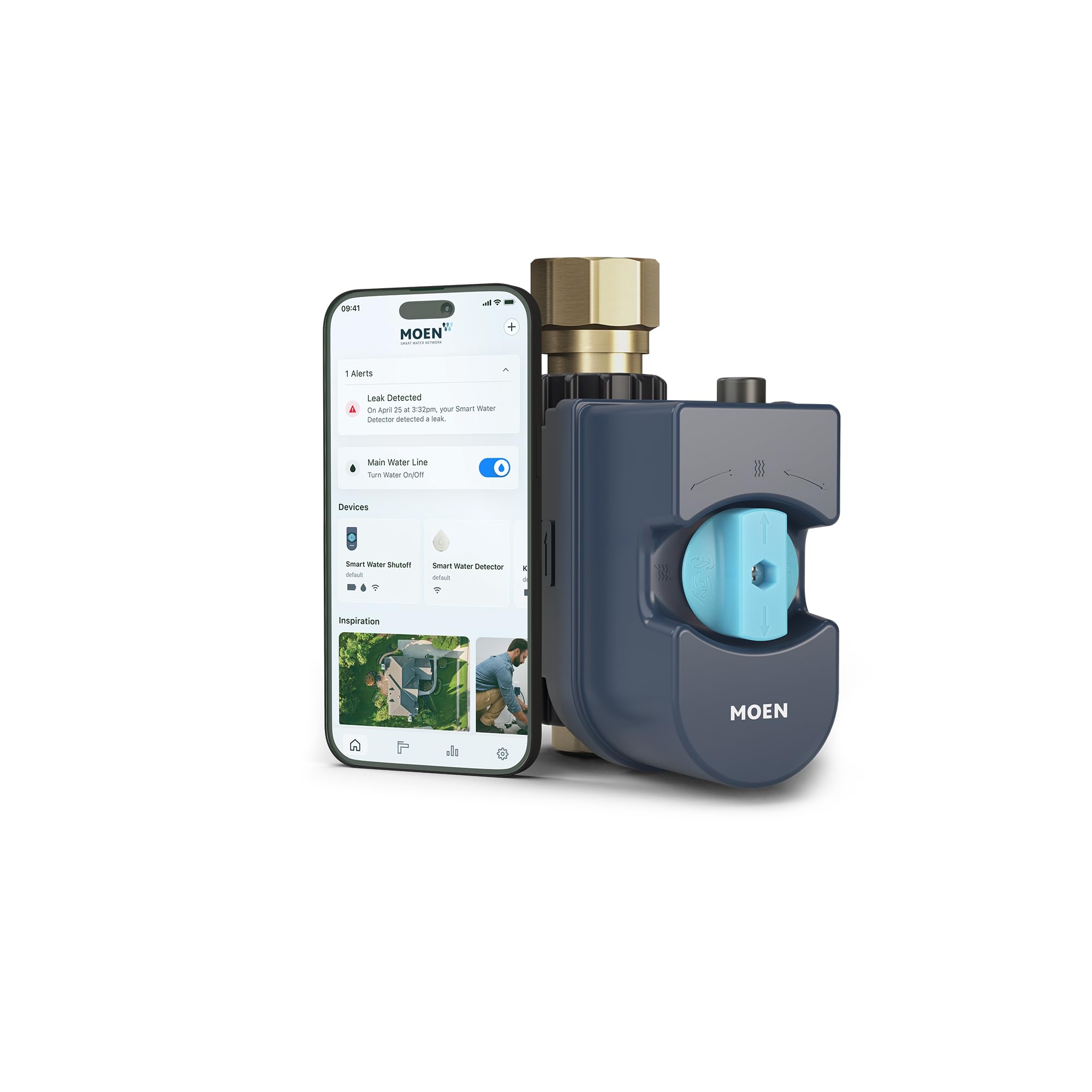
Moen Flo Smart Water Monitor and Automatic Shutoff Sensor, Wi-Fi Water Leak Detector for 3/4-Inch Diameter Pipe, 900-001 - Tub And Shower Faucets - Amazon.com
View on Amazon2) Deductible assistance options (ask your agent)
Insurers offer endorsements (add-ons to your policy) that can reduce deductible pain. Not every carrier or state has these, so ask:
- Deductible reduction or waiver: Some policies waive the deductible for large losses (for example, if the loss exceeds a percentage of Coverage A) or for a total loss. Others reduce your deductible over claim‑free years (a “vanishing deductible”).
- Hurricane or wind deductibles “buyback”: Pay more premium to reduce a 2% deductible to 1% or a flat dollar amount. Common in coastal states.
- Equipment breakdown or service line coverage: These add-ons have their own small deductibles and cover losses your base policy does not—like a failed HVAC compressor or a broken underground utility line—potentially keeping you from tapping your AOP deductible for related issues.
- Condo owners (loss assessment coverage): Can help with assessments your association charges after a covered loss; some endorsements help with the association’s master policy deductible. Read terms carefully.
Important: “Contractor will waive your deductible” is a red flag. In many states, that is illegal or considered insurance fraud. If a contractor offers to “eat” your deductible, find another contractor and notify your insurer or agent.
3) Build a dedicated home emergency fund
If you prefer a higher deductible to save on premium, park at least that amount—ideally one to two times your AOP deductible—in an emergency savings account. That way, you are covered whether the loss is $900 (you will likely self-pay) or $7,000 (you can pay the deductible comfortably and let insurance handle the rest).
4) When should you file a claim?
- Do a quick estimate first: If repairs look close to or below your deductible, it often makes sense to self-pay to preserve your claims‑free discount and avoid a surcharge on future premiums. Even one small claim can raise rates for three to five years in many cases.
- Talk to your agent before filing: Asking your carrier directly about a potential claim can sometimes be logged as an inquiry. A licensed agent can walk you through coverage and estimated costs before you decide to file.
- Document everything: If you do file, take photos/videos, prevent further damage, keep receipts, and get reputable estimates. That smooths the process and helps avoid disputes.
For a checklist of smart policy questions (including how deductibles apply), see Must‑Ask Questions About Home Insurance: What Every Homeowner Should Ask (/home-insurance/must-ask-questions-about-home-insurance)
FAQs and common pitfalls about home insurance deductibles
- Is the deductible taken per coverage or once per loss? Typically once per occurrence. You do not pay separate deductibles for the roof and the interior from the same storm. If a special deductible applies (like wind/hail), the highest applicable deductible for that loss usually applies.
- Are percentage deductibles based on the claim amount or the dwelling limit? Usually on your dwelling limit (Coverage A), not the size of the claim. A small hail loss could still trigger a large out-of-pocket if you have a percentage deductible.
- Do deductibles apply to liability claims? No. Liability coverage (injury to others or their property) typically has no deductible.
- What about loss of use (additional living expenses)? In many policies, no deductible applies to loss of use, but confirm your policy language.
- Will raising my deductible hurt me at mortgage renewal? Lenders usually focus on whether your deductible meets their maximum allowed and that you have adequate coverage limits. If you increase it, make sure it still meets your lender’s rules.
- How do deductibles affect my claims history? The deductible does not appear on your claims history, but filing a claim does. Multiple or frequent claims can increase your premium or make switching carriers harder, which is why it can be smart to self-pay small losses.
How to compare deductible options across quotes
When you collect quotes, line them up apples-to-apples:
- Match coverage limits: Dwelling, personal property, liability, and loss of use should be equivalent.
- Note every deductible: AOP, wind/hail, hurricane/named storm, and any special deductibles. Confirm whether personal property has a different deductible (it typically does not, but verify).
- Ask about roof settlement: Replacement cost vs. actual cash value on the roof makes a big difference.
- Confirm triggers: How and when do special deductibles trigger in your state?
- Price out alternatives: Get quotes for two AOP levels (for example, $1,000 and $2,500) and two wind/hail levels (2% vs. 1%) to find your best cost/comfort tradeoff.
Need a step‑by‑step on comparing providers and pulling multiple quotes? Start here: How to Find the Cheapest Homeowners Insurance (Get Quotes & Save) (/home-insurance/cheapest-homeowners-insurance)
Real‑world examples to bring it home
- Midwest hail, newer roof: You are in Colorado with a $500,000 dwelling limit and a 2% wind/hail deductible ($10,000). A spring storm causes $11,500 in roof damage. Because the wind/hail deductible applies, the insurer pays about $1,500. If you can afford it, buying back to 1% ($5,000) could be valuable in a hail‑heavy ZIP code. If that buyback costs $200/year, one medium storm in the next 25 years would make it worthwhile on pure math—and sooner if storms are frequent.
- Non‑coastal water leak: You are in Ohio with a $1,000 AOP deductible. A failed supply line floods your laundry room, causing $6,800 in covered damage. You pay $1,000; insurer pays $5,800. If raising your AOP to $2,500 only saves $90/year, the break‑even is nearly 17 years, so the higher deductible likely is not worth it.
- Coastal named storm: You are in Florida with $350,000 Coverage A and a 2% named‑storm deductible ($7,000). Tropical Storm‑turned‑Hurricane causes $9,500 in covered damage when the storm is officially in effect per your policy’s trigger. Payout is about $2,500. If your insurer offers a 1% buyback for $160/year, that is a $3,500 difference in a single event.
If you live in a coastal or catastrophe‑prone state, it is especially important to understand how special deductibles trigger and apply. For broader state‑specific context and carrier options, our regional guides can help you compare.
A quick word on coverage and exclusions
Deductibles only matter for covered losses. Standard homeowners insurance does not cover flood or earthquake; you need separate policies for those, and they carry their own deductibles. If you are unsure what your base policy covers, get familiar with it here: What Does Home Insurance Cover? (/home-insurance/what-does-home-insurance-cover)
Your next step: pressure‑test your deductible with real quotes
You are choosing between paying more now or potentially more later. The smart move is to run the numbers using real quotes in your ZIP code.
- Gather 3–5 quotes with at least two AOP deductible options and, if applicable, two wind/hail or hurricane options.
- Use the simple break‑even math from above to see what fits your budget and risk tolerance.
- Ask a licensed agent to review the fine print—especially special deductible triggers and roof settlement terms—before you bind coverage.
The fastest way to see what you would actually pay is to compare quotes from multiple carriers. If you want a guided path to lower costs without overexposing yourself, read How to Find the Cheapest Homeowners Insurance (Get Quotes & Save) (/home-insurance/cheapest-homeowners-insurance)
Note: Insurance pricing and deductibles vary by state, insurer, home features, and your claims history. Examples here are illustrations, not guarantees. When in doubt, speak with a licensed agent who can tailor recommendations to your situation and lender requirements.
Recommended Resources
Insurance For Dummies?: Hungelmann, Jack
Whether you’re a homeowner or ... need on: ... Author Jack Hungelmann <strong>uses his twenty-five years of experience in the insurance industry to make buying insurance as simple as possible</strong>
Moen Flo Smart Water Monitor and Automatic Shutoff Sensor, Wi-Fi Water Leak Detector for 3/4-Inch Diameter Pipe, 900-001 - Tub And Shower Faucets - Amazon.com
Moen Flo Smart Water Monitor and Automatic Shutoff Sensor, <strong>Wi-Fi Water Leak Detector for 3/4-Inch Diameter Pipe</strong>, 900-001 - Tub And Shower Faucets - Amazon.com
First Alert BRK SC9120B-12 Hardwired Smoke and Carbon Monoxide (CO) Detector with Battery Backup, 12-Pack - Amazon.com
The First Alert SC9120B Hardwired Combination Ionization Smoke and Carbon Monoxide Alarm with Battery Backup <strong>delivers both smoke and carbon monoxide detection in a single unit</strong>. This 1
Related Articles
- Best Home Insurance 2026: Top Picks, How to Choose & Get Quotes
- How Much Is Homeowners Insurance? Average Costs, By State & How to Save
- Health Insurance Tax Deductions: What You Can Deduct, How to Calculate It, and How to Claim It
- Home Insurance Claims Process: What to Expect, How to File, and How to Get Paid Faster
- Insurance Companies Explained: How They Work and How to Choose
- Home Insurance in Florida: Quotes, Costs & Hurricane Tips
- Home Insurance in Texas: Coverage, Costs & Best Companies
- Home Insurance in Arizona: Coverage, Costs & Best Companies