
Home Insurance Claims Process: What to Expect, How to File, and How to Get Paid Faster
You’ve got damage, stress is high, and the clock is ticking. Here’s the honest take: the home insurance claims process can be smooth if you know the steps, the paperwork to gather, and the gotchas to avoid. This guide walks you through how to file a claim, typical timelines, how payouts are calculated, and how to keep things moving so you get paid faster.
Along the way, we’ll explain the terms insurers use (in plain English) and share emails and templates you can copy. If you’re also wondering what your policy actually covers, see our primer: What Does Home Insurance Cover?
How Home Insurance Claims Work: Coverage, Limits, Deductibles, and Payout Methods
Before you file, it helps to know how insurers decide what they’ll pay. A few core concepts drive most outcomes.
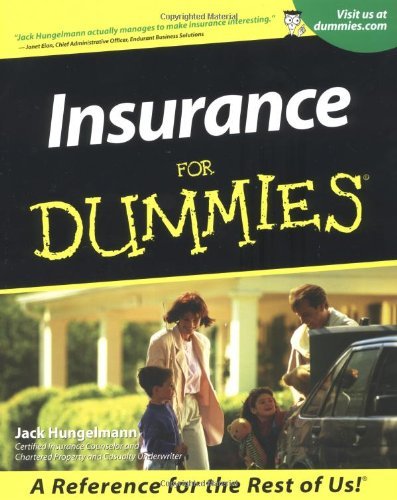
Insurance for Dummies: Hungelmann, Jack
<strong>Manage life, health, and disability risks</strong> ― explore individual and group policies, understand Medicare basics, and evaluate long-term disability and long-term-care insurance ...
Check Price on AmazonCommon claim types
- Fire and smoke: Typically covered for the home itself (your dwelling) and your belongings. Smoke damage can be extensive even without flames.
- Wind and hail: Roof, siding, windows, fences. Some policies have special wind/hail deductibles (a higher amount you must pay before insurance pays)
- Water: Sudden and accidental leaks (like a burst pipe) are generally covered; long-term seepage or flood (rising water from outside) usually are not. Sewer or drain backup typically requires an add-on endorsement.
- Theft and vandalism: Usually covered for belongings, but limits apply to certain categories like jewelry or firearms unless you schedule them (list them separately with specific limits).
- Liability: If someone is hurt on your property and claims you’re at fault, liability coverage can pay for legal defense and settlements, up to your limit.
For a deeper breakdown of what’s included and what’s not, scan: What Does Home Insurance Cover?
Coverage limits and sublimits
- Coverage A (Dwelling): The structure of your home.
- Coverage B (Other Structures): Fences, sheds, detached garages—typically 10% of Coverage A, but this varies.
- Coverage C (Personal Property): Your belongings—furniture, clothes, electronics. Often 50–70% of Coverage A.
- Coverage D (Loss of Use or Additional Living Expenses, ALE): Pays for temporary housing and extra costs if your home is uninhabitable.
Within those limits, there are sublimits—smaller caps for specific items. Common examples: jewelry, watches, furs, cash, firearms, trailers, business property. If you own high-value items, consider scheduling them or increasing limits.
Your deductible (what you pay first)
A deductible is the amount you pay out of pocket before the insurer pays. It’s often a flat dollar amount (like $1,000). Some perils—especially wind/hail or hurricane—may use a percentage deductible (for example 1–5% of your dwelling limit). A 2% wind deductible on a $350,000 home is $7,000. You won’t receive money unless your covered damage exceeds the deductible.
ACV vs. Replacement Cost (how payouts are calculated)
- ACV (Actual Cash Value): Replacement cost minus depreciation (age/wear). Think “yard-sale value.”
- RCV (Replacement Cost Value): The cost to replace with new materials of like kind and quality, without depreciation.
Many policies pay ACV first, then release “recoverable depreciation” after you complete repairs and submit final invoices—so keep every receipt. If your policy is ACV-only for certain items (common with roofs in hail-prone areas), you won’t get depreciation back.
Quick example: wind-damaged roof
- Estimate to replace roof: $12,000
- Policy: Replacement cost with a $2,000 deductible
- Initial ACV payment: $12,000 (RCV) - $3,000 (depreciation) - $2,000 (deductible) = $7,000
- After repairs, you submit the contractor’s paid invoice. Insurer releases $3,000 recoverable depreciation.
- Total from insurer: $10,000; you pay your $2,000 deductible.
Numbers vary by policy and inspection findings, but this shows how depreciation and deductibles interact.
Step-by-Step Home Insurance Claims Process: From Emergency Fixes to Final Payment
Here’s the practical workflow most homeowners follow. Timelines can stretch after catastrophes or depending on your state’s rules.
1) Stay safe and mitigate damage
- Turn off water, gas, or electricity if needed. Call 911 for active hazards.
- Prevent more damage (your “duty to mitigate”). Examples: tarp a roof, shut off the water main, board up a broken window. Keep receipts—these emergency costs are typically covered.
- For significant water damage, professional mitigation within 24–48 hours helps prevent mold.
2) Take photos, video, and notes immediately
- Capture wide shots and close-ups. Pan each room slowly.
- Photograph make/model/serial numbers where possible.
- Don’t discard damaged items until the adjuster sees them (or you get written approval). If you must toss items for health/safety, keep photos and a list.
3) Notify your insurer and get a claim number
- Call the claims line or use the insurer’s app/site. Share the date/time, what happened, and whether the home is livable.
- Ask: Do you have preferred emergency vendors? Is there a separate wind/hail or hurricane deductible? What documents are needed first?
- You’ll receive a claim number and typically a point of contact (adjuster) within a few days—faster during business hours.
4) Secure temporary housing if needed (ALE)
- If your home is uninhabitable, ask about Additional Living Expenses (ALE). Keep every receipt—hotel, meals beyond your normal grocery spend, pet boarding, laundry.
- ALE usually pays the “increase” above normal costs, up to your limit and for a reasonable period.
5) File your detailed claim
- Provide a description of the loss, a list of damaged items, and any emergency service invoices.
- Some claims require a sworn proof of loss (a signed statement of what you’re claiming). Ask your adjuster about deadlines.
6) Adjuster inspection and scope of damage
- An adjuster will inspect the property (in person or virtual) to assess cause, extent, and pricing.
- Walk the adjuster through all damage you found. Share your photos, measurements, and any contractor opinions. This helps shape the “scope of work” (the written list of what must be repaired or replaced).
7) Contractor estimates and scope alignment
- Get 2–3 licensed, insured contractor estimates. Make sure each estimate clearly lists materials, quantities, and code-required items.
- If the insurer’s scope is missing items (for example, matching siding or code upgrades), request a revision or a “supplement” with documentation.
8) Settlement options and first payment
- ACV vs. RCV: Many policies issue an initial ACV payment. You can recover depreciation after repairs with paid invoices.
- Mortgage clause: If you have a mortgage, the check may list your lender. Ask your lender’s claim department for their endorsement process so funds aren’t delayed.
- Cash-out: You can sometimes take the ACV payment without doing the work, but you typically forfeit recoverable depreciation (and unresolved damage can cause future issues).
9) Repairs, supplements, and final payment
- During repairs, contractors may uncover hidden damage. Your contractor can submit a supplement with photos and an updated estimate.
- After work is complete, submit final invoices to release recoverable depreciation and any approved supplements.
Typical timelines (your state may differ)
- Acknowledgment: Many states require insurers to acknowledge your claim within about 10–15 days.
- Decision/payment: Commonly 30–45 days after you submit all requested information or a proof of loss.
- Catastrophes: Expect longer timelines due to volume. Keep everything in writing and follow up regularly.
If you’re evaluating whether your current insurer handles claims well, comparing a few top carriers is smart. The fastest way to see real differences (and your likely price) is to compare quotes from 3–5 companies. Our overview can help you shortlist options: Best Home Insurance 2026: Top Picks, How to Choose & Get Quotes
Documentation and Evidence Checklist (Plus Copy‑Paste Templates)
Strong documentation speeds everything up and reduces disputes. Use this checklist and templates.
Claim documentation checklist
- Photos and video of all damage (interior and exterior)
- Itemized inventory of damaged personal property with age, brand, model, and approximate purchase price
- Serial numbers for electronics/appliances if available
- Receipts for emergency mitigation, temporary housing, meals (ALE), and materials
- Contractor estimates (2–3) with detailed scope and pricing
- Moisture readings, lab tests (if applicable), or city/code inspector notes
- Correspondence log: date, who you spoke with, what was said, next steps
- Proof of loss form (if requested) and any notarization
- Mortgage lender claim packet (endorsement requirements, overnight address)

Klein Tools ET140 Pinless Moisture Meter for Non- ...
View on AmazonTemplate: Claim statement of what happened
Copy, edit, and send in an email or upload to your claim portal.
Subject: Claim #________ – Statement of Loss

Date of loss: [MM/DD/YYYY]
Location: [Property address]

Summary: On [date] at approximately [time], we discovered [describe event: e.g., water leaking from the upstairs bathroom supply line]. We immediately [actions taken: turned off main water, contacted plumber, began water mitigation].

Damage observed: [List rooms/areas and items affected]. Attached are photos/videos, the plumber’s invoice, and the mitigation company’s report.

Home is [habitable/uninhabitable]. We are incurring additional living expenses for [hotel/meals]. Receipts attached.

Please advise on any additional documents needed or next steps for inspection and estimate review.

Name
Phone
Email
Template: Contractor estimate request
Send this to 2–3 licensed contractors to get apples-to-apples bids.
Subject: Request for Detailed Insurance Repair Estimate

Hello [Contractor Name],

I’m seeking a detailed estimate for insurance repairs at [address]. Please include:
- Scope by room/area with quantities (sq. ft., linear ft.)
- Material specifications (brand/grade), labor, overhead/profit
- Code-required items (permits, flashing, drip edge, ventilation, GFCI/AFI upgrades, etc.)
- Lead/asbestos testing if applicable and disposal fees
- Photos and a timeline for completion

I’ll share the insurer’s scope for reference. Thank you!

Name
Phone
Template: Professional but firm follow‑up to your adjuster
Subject: Claim #________ – Status Update and Outstanding Items

Hi [Adjuster Name],

Thank you for your help. To keep things moving, could you please confirm:
1) Status of the estimate review and any outstanding documents you need from me
2) Whether a supplement is required for [missing item]
3) Expected timeline for the next payment

I’ve reattached photos, invoices, and the contractor estimate for convenience. Appreciate your guidance.

Best,
[Your Name]
Working With Adjusters and Contractors: Pitfalls and Pro Tips
Common pitfalls that slow or reduce payments
- Guessing during recorded statements: Share facts and what you observed. If you don’t know, say so.
- Throwing away damaged items too early: Keep them (or thorough photos) until the adjuster confirms.
- Signing an “assignment of benefits” (AOB) without understanding: In some states, this transfers your claim rights to a contractor. That can cause loss of control and disputes. Consider instead a standard work authorization and let the insurer pay you.
- Paying large deposits: For big jobs, deposits are common, but avoid paying more than necessary up front. Use milestone payments and get lien releases from subs.
- Accepting a vague scope: Insist on a clear, itemized scope before work begins—what’s being replaced, with what materials, and why.
Pro tips that keep claims on track
- Keep a claim diary: Dates, names, promises, next steps. Follow up by email to create a paper trail.
- Ask about code upgrades coverage (often called Ordinance or Law): If your home must be brought up to code, this coverage can pay for required upgrades—within limits.
- Matching: If part of your roof, siding, or flooring is damaged, ask how the policy handles matching for color/pattern.
- Reinspection: If hidden damage appears, request a reinspection with photos and contractor notes.
- Moisture and air-quality checks: For water claims, ask for moisture readings and, if necessary, mold remediation protocols that meet industry standards.
- Preferred vendors vs. your contractor: Insurers often have networks. Using them can speed approvals, but you’re not required to. Choose whoever you trust—just confirm licensing, insurance, and warranty.
If you’re shopping with an eye on claims service, compare carriers’ reputations and policy features before you buy. Start with our quick walkthrough: Home Insurance Guide 2026 — Compare Quotes, Coverage & Costs
Disputes, Denials, and Your Options
Even well-documented claims can hit bumps. Here’s how to respond constructively.
Common reasons for partial or full denials
- Excluded peril: Flood (rising water), earth movement, wear and tear, or long-term leaks are typical exclusions.
- Late reporting or lack of mitigation: Waiting too long or not preventing further damage can hurt your claim.
- Insufficient documentation: Missing photos, invoices, or proof of ownership can stall or reduce payment.
Ask for a written denial or partial denial that cites the exact policy language and facts relied upon.
How to appeal and escalate
- Clarify scope vs. coverage: If the insurer accepts coverage but disagrees on cost/scope, ask for a supervised reinspection with your contractor.
- Provide additional evidence: Photos, city inspector notices, engineer reports, or manufacturer specs can sway outcomes.
- Supervisor review: Request a manager or desk examiner review. Keep communications professional and in writing.
Appraisal, mediation, and complaints
- Appraisal clause: Many policies allow appraisal to resolve the amount of loss (not coverage disputes). Each side hires an appraiser; they choose an umpire. Costs are typically split. Useful when you agree on coverage but disagree on price/scope.
- Mediation: Some states offer free or low-cost mediation for property claims—especially after catastrophes.
- Department of Insurance (DOI) complaint: If timelines slip or you believe the policy is misapplied, you can file a complaint. This often prompts a review.
When to hire help
- Public adjuster: A licensed professional who represents you (not the insurer). Fees typically range from ~5–20% of the claim, depending on your state and the loss size. Consider for complex, high-dollar, or stalled claims.
- Attorney: For coverage denials, bad-faith concerns, or complex liability issues, consult an attorney who specializes in property insurance. Some work on contingency; ask about fees upfront.
Will this claim raise my premium?
- Claims go on your CLUE (Comprehensive Loss Underwriting Exchange) report and can affect premiums for about 3–5 years, depending on your state and insurer.
- Frequency matters: Two small claims in a short period can impact your rates more than one larger, weather-related claim.
- Claim types matter: Non-weather water losses often have a bigger effect than wind/hail in some regions.
- Nonrenewal risk: Multiple claims or severe losses can lead to nonrenewal, though states may limit when and how this happens.
Preventive moves and policy tune‑ups
- Maintenance: Replace roof when near end of life, clean gutters, trim trees, maintain caulking and flashing, service HVAC and water heaters.
- Water protection: Install smart leak detectors, auto‑shutoff valves, and sump pumps with battery backup.
- Security: Deadbolts, monitored alarms, and cameras help deter theft (and sometimes earn discounts).
- Documentation: Keep an updated home inventory (photos + spreadsheet or an app). Store it in the cloud.
- Policy adjustments: Consider endorsements for sewer backup, equipment breakdown, ordinance or law, and higher limits for valuables.

Govee WiFi Water Leak Detector 3 Packs, Leak Alert with Remotely Email/APP Push and Sound Alarm, Smart Water Sensor with 100dB Adjustable Alarm, Suit for Home and Basement - Amazon.com
View on AmazonWant a quick policy checkup? Use our question list to spot coverage gaps before a loss: Must‑Ask Questions About Home Insurance: What Every Homeowner Should Ask
What to Look For in a Policy If You Care About Smooth Claims
- Replacement cost on dwelling and personal property (not ACV-only), if available
- Reasonable deductibles—watch for separate wind/hail or hurricane percentages
- Strong Additional Living Expense (ALE) limits if you’d need housing during repairs
- Ordinance or Law coverage for building code upgrades
- Clear treatment of matching materials (roof, siding, flooring)
- Known for good claims service in your region (read recent, local reviews)
If your current carrier falls short on these, the smartest next step is to compare quotes from 3–5 companies and look beyond price to claims support and coverage features. Start here: Best Home Insurance 2026: Top Picks, How to Choose & Get Quotes
Quick FAQs
- How long do I have to file? Policies vary, but you typically must report losses promptly. Ask your adjuster about any proof‑of‑loss deadlines.
- Can I choose my own contractor? Yes, in most cases. Insurer networks are optional.
- Will the insurer pay my contractor directly? Sometimes. Many issue checks to you (and your mortgage company). Ask what’s fastest in your case.
- What if damage costs less than my deductible? You can still report the event for recordkeeping, but think about premium impacts. Small, frequent claims can raise rates.
Need Personalized Guidance?
Every claim has quirks—local codes, policy wording, and your home’s materials. Speaking with a licensed agent or a trusted contractor can help you avoid missteps. If you’re unsure whether to file, or you want a second opinion on coverage, a quick agent consult is worth it.
Ready to see how different carriers would treat your situation and what you’d actually pay? The fastest way is to compare quotes from 3–5 insurers side by side. You’ll spot better coverage for your needs—and often sharper pricing—within minutes.
Recommended Resources
Insurance for Dummies: Hungelmann, Jack
<strong>Manage life, health, and disability risks</strong> ― explore individual and group policies, understand Medicare basics, and evaluate long-term disability and long-term-care insurance ...
Klein Tools ET140 Pinless Moisture Meter for Non- ...
Prevent costly water damage with professional-grade moisture meters. <strong>Detect hidden moisture in walls, floors, and more with advanced, non-invasive technology</strong>.
Govee WiFi Water Leak Detector 3 Packs, Leak Alert with Remotely Email/APP Push and Sound Alarm, Smart Water Sensor with 100dB Adjustable Alarm, Suit for Home and Basement - Amazon.com
Govee WiFi Water Leak Detector 3 Packs, <strong>Leak Alert with Remotely Email/APP Push and Sound Alarm, Smart Water Sensor with 100dB Adjustable Alarm, Suit for Home and Basement</strong> - Amazon.co
Related Articles
- How to File a Home Insurance Claim: A Practical Guide to Filing, Documentation, and Getting Paid
- How to File an Insurance Claim: What to Do, What to Document, and What to Expect
- How to File a Car Insurance Claim: What to Do, What to Submit, and How to Get a Fair Payout
- How to File a Car Insurance Claim: When to File, What to Document, and How to Navigate the Claims Process
- Pet Insurance Claims: What to Gather, How to File, and How to Handle Denials
- How to File a Pet Insurance Claim: Documents, Submission Steps & How to Avoid Denials
- Home Insurance Deductibles Explained: How They Work and How to Choose
- Must‑Ask Questions About Home Insurance: What Every Homeowner Should Ask