
Best Insurance Companies 2026 — Top Picks & How to Choose
You’re trying to figure out which names you can trust. The best insurance companies aren’t just the ones with catchy ads — they’re the carriers that show up when it counts, price fairly for your situation, and make claims less painful. If you’re searching for the best insurance companies for 2026, here’s what actually matters and how to compare options without getting lost in the fine print.
How we ranked the best insurance companies (methodology & data sources)
We look for insurers that balance price, stability, and service. Our 2026 picks come from a blend of independent data and hands-on testing:
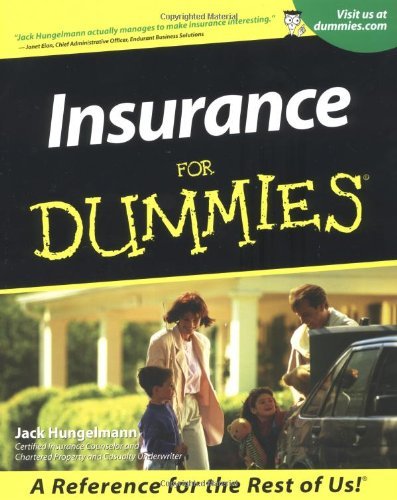
Insurance for Dummies: Hungelmann, Jack
<strong>Manage life, health, and disability risks</strong> ― explore individual and group policies, understand Medicare basics, and evaluate long-term disability and long-term-care insurance ...
Check Price on Amazon- Financial strength: We prioritize carriers rated A- (Excellent) or better by AM Best, an independent agency that evaluates an insurer’s ability to pay claims.
- Customer satisfaction: We consider J.D. Power studies (auto, home, life, renters) for service and claims experience.
- Complaint volume: We review the NAIC complaint index, which compares a company’s share of customer complaints to its market share. Lower than 1.00 means fewer complaints than expected.
- Pricing competitiveness: We analyze public rate filings (depending on your state), third-party rate studies, and run sample quotes across common profiles. Rates vary by individual factors.
- Coverage & discounts: Breadth of coverage options, meaningful discounts, and modern features like telematics (a usage-based program that tracks driving to potentially lower premiums) and digital claims.
- Availability & eligibility: How many states the carrier writes in and any eligibility restrictions (for example, USAA is limited to military families and their eligible relatives).
- Editorial testing: We evaluate quote flows, policy docs, and claims resources to assess transparency and ease of use.
No rating system is perfect, and the “best” for one person may not be best for another. Treat these picks as a starting shortlist, then compare quotes to see how each one prices your exact risk profile.
Top overall insurance companies for 2026 — at-a-glance winners
- Best overall (multi-line strength + service): State Farm — broad availability, strong financials, and consistently competitive for many driver and homeowner profiles.
- Best for military families: USAA — top-tier service and pricing for eligible members; availability limited to military communities.
- Best claims experience (home/auto): Amica Mutual — excellent reputation for claims handling and customer communication.
- Best for low-cost auto (many profiles): GEICO — typically aggressive auto pricing; service and claims are solid but vary by region.
- Best for high-risk or nonstandard drivers: Progressive — flexible underwriting (the rules companies use to accept or price a policy) and telematics programs that can help some drivers.
- Best for high-value homes and valuables: Chubb — exceptional coverage depth and specialized claims support for complex property.
- Best regional service value: Erie Insurance — standout satisfaction and pricing where available (limited footprint).
- Best for bundled savings (auto + home): Travelers — robust package discounts and optional endorsements (add-on coverage you can buy for specific needs).
- Best digital-first renters experience: Lemonade — fast quotes and app-first claims; strongest fit for simple needs.
Best insurance companies by product
Best auto insurance companies
- State Farm — Great overall value, strong agent network, broad discount list.
- GEICO — Often among the lowest rates for good drivers; easy online experience.
- Progressive — Especially competitive for drivers with tickets/accidents or unique vehicles.
- USAA — Excellent for service and price if you’re eligible.
- Erie Insurance — Excellent claims reputation and pricing in its service areas.
- Auto-Owners — Strong for bundling with home; highly rated claims.
- Travelers — Solid coverage options, good for multi-policy discounts.
For deeper auto comparisons, see how two giants stack up: Progressive vs State Farm: Which Auto Insurer Is Best for You?
Best home insurance companies
- Amica Mutual — Consistently high claims satisfaction and flexible coverage.
- State Farm — Broad availability and competitive rates in many states.
- Travelers — Strong endorsements and bundling options.
- Nationwide — Good coverage features and discount lineup.
- Chubb — Best-in-class for high-value homes and complex risks.
- Erie Insurance — Excellent value where available.
- Auto-Owners — Strong local agent support and package pricing.

First Alert SMCO210, 10-Year Sealed Battery Combination Smoke & Carbon Monoxide Alarm with Slim Profile Design, 1-Pack : Industrial & Scientific
View on AmazonWant a broader market view? Start here: Best Home Insurance 2026: Top Picks, How to Choose & Get Quotes
Best life insurance companies
- MassMutual — Strong financials; competitive for permanent life (coverage that can last your whole life with a cash value component).
- Northwestern Mutual — Excellent for personalized planning and whole life.
- Guardian — Strong for high face amounts and disability add-ons.
- Banner Life — Often among the most affordable term life (coverage for a set period, like 20 or 30 years).
- Protective — Frequently competitive term pricing and flexible conversion options.
- Pacific Life — Wide product range; good for laddering strategies (buying multiple terms to match needs over time).
- Haven Life (issued by MassMutual) — Streamlined digital term quotes.
- Mutual of Omaha — Good options for simplified underwriting.
Shopping term life? We’ve done the legwork: Best Term Life Insurance Companies (2026): Top Picks & How to Choose
Best renters insurance companies
- State Farm — Low premiums and strong personal property coverage.
- Lemonade — Fast online purchase and claims for simple policies.
- USAA — Great for military families; includes earthquake/flood on base (eligibility rules apply).
- Allstate — Easy bundling with auto; solid coverage options.
- Nationwide — Competitive endorsements and discounts.
Best pet insurance companies
- Trupanion — Pays vets directly at checkout (at participating clinics); unlimited options.
- Healthy Paws — Simple plan design and strong coverage for major issues.
- Embrace — Customizable reimbursements and wellness options.
- Figo — Strong tech features; good annual coverage choices.
- Nationwide — Broad plan variety; wellness add-ons.
Compare popular providers side by side: Best Pet Insurance 2026: Compare Plans for Dogs & Cats
Best health insurance companies (ACA marketplace and beyond)
- Blue Cross Blue Shield (various state plans) — Broad networks in many states; plan quality varies.
- Kaiser Permanente — Highly rated HMO care model (in-network coordinated care) where available.
- UnitedHealthcare — Large networks; strong for employer plans and some marketplace areas.
- Cigna Healthcare — Competitive Silver/Gold marketplace options in select states.
- Molina, Ambetter (by Centene), and Oscar — Often budget-friendly marketplace plans; check networks and customer service.
Health plans are heavily state-specific. Use Healthcare.gov or your state exchange to see real options and subsidies (income-based premium help).
What each company is best for — cost, claims service, discounts, availability
Here’s a quick guide to where leading carriers shine. Availability and results vary by state and personal profile.
- State Farm — Best for broad availability, agent support, and balanced price/service across auto and home.
- GEICO — Best for drivers who prioritize low premiums and a fully digital experience.
- Progressive — Best for drivers with tickets, rideshare endorsements, and telematics savings potential.
- USAA — Best for eligible military families seeking top service and pricing across auto, home, and renters.
- Amica Mutual — Best for homeowners who value high-touch claims service and clear communication.
- Travelers — Best for bundlers who want flexible endorsements and stable pricing.
- Nationwide — Best for homeowners wanting strong coverage features and discount variety.
- Chubb — Best for high-value homes, valuables, and specialized claims restoration.
- Erie Insurance — Best for customers in its footprint who want standout service and value.
- Auto-Owners — Best for customers who prefer local agents and strong package policies.
- Lemonade — Best for renters who want a fast, app-first experience.
- MassMutual/Guardian/Northwestern Mutual — Best for permanent life and advanced planning, with strong financials.
- Banner Life/Protective/Haven Life — Best for affordable term life and fast underwriting.
- Trupanion/Healthy Paws/Embrace — Best for comprehensive pet coverage with straightforward claims.
If you’re new to how carriers operate, this primer helps you shop smarter: Insurance Companies Explained: How They Work and How to Choose
How to compare quotes: a step-by-step checklist
The fastest way to see what you would actually pay is to compare quotes from 3–5 carriers with the same coverage details. Here’s the playbook:
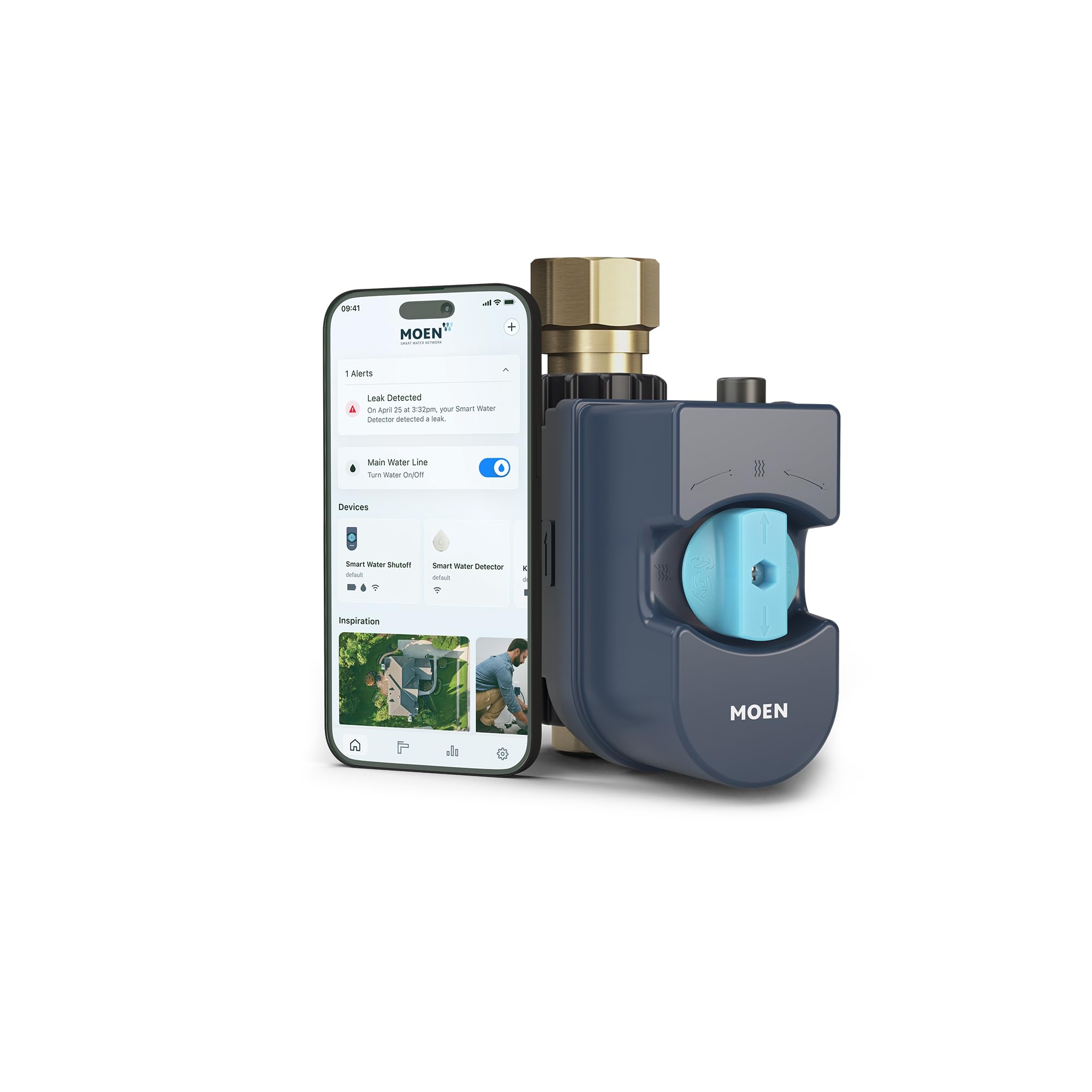
Moen Flo Smart Water Monitor and Automatic Shutoff Sensor, Wi-Fi Water Leak Detector for 3/4-Inch Diameter Pipe, 900-001 - Tub And Shower Faucets - Amazon.com
View on Amazon- Define your baseline coverage
- Auto: Consider at least 100/300/100 liability limits (that’s bodily injury per person/per accident and property damage). Add comprehensive and collision for newer cars. Pick a deductible (the amount you pay out of pocket before insurance pays) you can afford — $500 or $1,000 are common.
- Home: Set your dwelling limit (what it would cost to rebuild your home, not its market value). Choose a deductible that balances premium and out-of-pocket risk. Ask about extended replacement cost and ordinance or law coverage (pays to bring repairs up to current building codes).
- Renters: Inventory your belongings to estimate personal property coverage and choose liability (commonly $300,000) for injuries or damage you cause.
- Life: Choose term length and face amount (the payout to your beneficiaries). Many families target 10–15x annual income plus debts and childcare/college goals.
- Pet: Decide on annual limit, reimbursement percent, and deductible. Check waiting periods (the time after purchase before coverage starts) for accidents/illnesses.
- Match apples to apples
- Keep deductibles, limits, and endorsements identical across quotes. Even small differences can swing prices.
- Gather the right info
- Drivers, vehicle VINs, mileage, prior claims, safety features, home construction details, your medical disclosures for life quotes, and pet age/breed/medical history.
- Ask about discounts you actually qualify for
- Examples: multi-policy, safe driver, telematics, good student, paid-in-full, protective devices (smoke alarms, water shutoff sensors), claim-free, HOA or affinity groups.
- Check what’s excluded or capped
- Flood and earthquake usually require separate policies. For pet/health, look for bilateral condition exclusions (both knees/hips), hereditary/ breed restrictions, and dental/vision carve-outs.
- Vet financial strength and complaints
- Confirm AM Best rating (A- or better is typical for strong carriers). Review NAIC complaint index for red flags.
- Preview the claims experience
- Can you file by app/phone 24/7? Are there preferred repair networks or direct-pay options? What documentation is required?
- Keep proof
- Save quote PDFs and coverage pages so you can compare line by line.
- Don’t cancel early
- Never cancel an existing policy until the new one is issued and active. Gaps can be costly and create underwriting headaches later.
Real-world example: Say you’re a 35-year-old non-smoker in Texas looking for $500,000 of 20-year term life. You’d compare quotes from 3–5 top term carriers (for example, Banner Life, Protective, Pacific Life, Haven Life), ensure the same term and riders (optional add-ons like an accelerated death benefit), then confirm AM Best ratings and policy conversion options. Actual rates vary by health, medications, and underwriting class, so it pays to compare.
State-specific considerations & regulatory resources
Insurance is regulated at the state level, which is why the “best” company and price in one state may not be the same in another.
- Auto: Some states are no-fault (you carry personal injury protection, or PIP, which pays your medical bills regardless of fault). Minimum limits and uninsured motorist rules vary.
- Home: Catastrophe exposure (hurricanes, wildfires, hail) influences availability, deductibles, and required mitigation. Wind/hail or named-storm deductibles (a percentage of your dwelling coverage) are common in coastal states.
- Health: Marketplace plans, networks, and subsidies differ by state. Some states run their own exchanges.
- Life: Policy forms and “free look” periods (time to cancel for a full refund) vary; typically 10–30 days.
Helpful consumer resources
- NAIC Consumer Resources: https://content.naic.org/consumer — complaint tools and state contacts.
- State Insurance Department Directory: https://content.naic.org/state-insurance-departments — find your state DOI to check licenses, file a complaint, or verify rate filings.
- Healthcare.gov: https://www.healthcare.gov — see ACA plan options and income-based subsidies.
Tip: Before you buy, look up your prospective insurer on your state DOI site to confirm they’re licensed in your state and to review complaint trends.
Common mistakes when choosing an insurer (and how to avoid them)
- Shopping on price alone: The cheapest quote isn’t a deal if claims are slow or coverage is thin. Balance cost, coverage, and complaints.
- Mismatched quotes: Comparing different deductibles or limits makes it impossible to pick the true value. Standardize first.
- Underinsuring liability: Medical costs and lawsuits add up quickly. For auto, many people step up to 100/300/100 or higher; for home/renters, consider $300,000–$500,000 in personal liability.
- Assuming “full coverage” means the same thing everywhere: It doesn’t. Always check the declarations page (the summary of your coverage, limits, and deductibles) for specifics.
- Not disclosing drivers or business use: Omitting information can lead to denied claims or policy cancellation.
- Ignoring exclusions and sublimits: Jewelry, water backup, and certain dog breeds may need endorsements or separate coverage.
- Canceling before the new policy is active: Always line up effective dates to avoid lapses.
- Skipping financial strength checks: Favor A- or better AM Best ratings when possible.
- Forgetting about service after the sale: Claims access, local agents, and repair networks matter when something goes wrong.
Get quotes & next steps — how to request competitive rates
- Quick win: Compare quotes from 3–5 carriers with identical coverage details. This is the fastest way to see your real price for 2026.
- Bundle smartly: Ask about auto + home or renters + auto bundles. Many carriers offer 10–20% multi-policy savings, depending on your state and profile.
- Use telematics if you’re a safe driver: Usage-based programs can cut auto premiums for low-mileage or gentle driving habits.
- Re-shop at life events: New car, move, teen driver, marriage, improving credit (where legally allowed to use) — all can change your rate.
- Talk to a licensed agent or broker: An independent agent can bring you quotes from multiple insurers and help explain differences in plain English.
CTA: Ready to see real numbers? Gather your details (drivers, vehicles, prior claims, desired limits), then request quotes from at least three of the top carriers on your shortlist. If you prefer guidance, speak with a licensed agent to fine-tune coverage and uncover discounts you might miss online.
Need help picking specific life insurers? Start with our expert picks: Best Term Life Insurance Companies (2026): Top Picks & How to Choose
A quick note: Rates and availability change frequently and depend on your state, credit/insurance score (where permitted), claims history, vehicles, home construction, health profile, and more. No article can guarantee a specific rate — but a disciplined compare-then-confirm approach reliably finds solid value.
Recommended Resources
Insurance for Dummies: Hungelmann, Jack
<strong>Manage life, health, and disability risks</strong> ― explore individual and group policies, understand Medicare basics, and evaluate long-term disability and long-term-care insurance ...
First Alert SMCO210, 10-Year Sealed Battery Combination Smoke & Carbon Monoxide Alarm with Slim Profile Design, 1-Pack : Industrial & Scientific
Amazon.com: <strong>First Alert SMCO210</strong>, 10-Year Sealed Battery Combination Smoke & Carbon Monoxide Alarm with Slim Profile Design, 1-Pack : Industrial & Scientific
Moen Flo Smart Water Monitor and Automatic Shutoff Sensor, Wi-Fi Water Leak Detector for 3/4-Inch Diameter Pipe, 900-001 - Tub And Shower Faucets - Amazon.com
Moen Flo Smart Water Monitor and Automatic Shutoff Sensor, <strong>Wi-Fi Water Leak Detector for 3/4-Inch Diameter Pipe</strong>, 900-001 - Tub And Shower Faucets - Amazon.com
Related Articles
- Best Term Life Insurance Companies (2026): Top Picks & How to Choose
- Best Home Insurance 2026: Top Picks, How to Choose & Get Quotes
- Best Life Insurance: Top Picks & How to Choose (2026 Guide)
- Best Homeowners Insurance in California (2026): Top Picks & How to Choose
- Top-Rated Travel Insurance Companies Compared: Which Plan Is Right for Your Trip?
- Insurance Companies Explained: How They Work and How to Choose
- Best Car Insurance for Seniors: Top Companies, Coverage Needs & How to Save
- Best Pet Insurance 2026: Compare Plans for Dogs & Cats