
Health Insurance in Indiana: Plans, Costs & How to Enroll
You’re shopping for health insurance in Indiana and the quotes feel all over the place. What should you actually expect to pay, and which plan type makes sense for your family? Here’s a clear, Indiana-focused guide so you can compare options with confidence, understand what affects your price, and enroll without surprises.
Tip: If health insurance jargon is new for you, keep this quick glossary handy as you read:
- Premium: your monthly payment to keep coverage active
- Deductible: what you pay out of pocket before insurance starts sharing costs
- Copay: a flat dollar amount you pay at the time of care (for example, $25 for a doctor visit)
- Coinsurance: the percentage you pay after the deductible (for example, 20% of a hospital bill)
- Out-of-pocket maximum (OOP max): the most you’ll pay in a plan year for covered, in-network care before the plan pays 100%
If you want a deeper primer on terms and plan types, see our Health Insurance Basics: Plans, Terms, and How to Choose.
Health insurance in Indiana: your main options
Indiana residents typically get coverage through one of these paths:
1) Employer-sponsored coverage
Most Hoosiers get health insurance through work. Employers negotiate group plans and subsidize part of the premium, so your paycheck deduction is usually lower than buying on your own. If your employer plan is considered “affordable” under IRS rules (this threshold changes slightly each year), you generally won’t qualify for federal premium tax credits on the marketplace. If the plan is not affordable for you (including your dependents under the post-2023 “family glitch” fix), you may qualify for marketplace subsidies even if you’re offered job-based coverage.
When employer coverage ends (layoff, reduction of hours, loss of dependent status), you’ll get a Special Enrollment Period (SEP) to switch to marketplace coverage or you can consider COBRA. COBRA keeps the same plan but you pay the full premium, which is often expensive.
2) The ACA marketplace (HealthCare.gov)
Indiana uses the federal marketplace at HealthCare.gov. These are Affordable Care Act (ACA)-compliant plans, which means they must cover essential health benefits (like maternity, mental health, and prescriptions), can’t deny you for preexisting conditions, and cap your out-of-pocket costs each year.
- Metal tiers: Bronze, Silver, and Gold describe cost-sharing, not quality. Bronze usually has the lowest premium but the highest deductible. Gold is the opposite. Silver is the only tier that unlocks cost-sharing reductions (extra discounts on deductibles and copays) if your income qualifies.
- Subsidies: Most marketplace enrollees qualify for federal premium tax credits that lower monthly premiums. Many people are surprised at how affordable a Silver plan becomes after subsidies, especially if income is moderate.
3) Indiana Medicaid programs
Indiana expanded Medicaid, so more low-income adults can qualify. Key programs include:
- Healthy Indiana Plan (HIP): Coverage for low-income adults, typically up to 138% of the federal poverty level (FPL). HIP may involve small monthly contributions and offers comprehensive benefits. Program details can change, so check current rules when you apply.
- Hoosier Healthwise (HHW): Coverage for children and many pregnant women. Kids can qualify at higher income thresholds than adults.
- Hoosier Care Connect: Managed care for aged, blind, or disabled members who qualify.
You can apply for Indiana Medicaid directly with the state or get screened through HealthCare.gov. If you qualify, you can enroll year-round.
4) Private, off-exchange plans
You can buy ACA-compliant plans directly from an insurer or a broker instead of the marketplace (“off-exchange”). These can be useful if you don’t qualify for subsidies, but you’ll miss out on any premium tax credits.
Short-term health plans are also sold in Indiana, but they’re not ACA-compliant. They often exclude preexisting conditions, can cap benefits, and may not cover key services like maternity or mental health. They can be a temporary safety net, but read the fine print closely and don’t assume they work like major medical insurance.
Medicare note: If you’re 65+ or have certain disabilities, you may qualify for Medicare. You can still use this guide to evaluate networks and costs, but Medicare has its own timelines and rules.
Average health insurance premiums in Indiana by plan type and age
Let’s set expectations. Premiums in Indiana vary by county, age, tobacco status, plan tier, and insurer. The examples below are unsubsidized (full price) and meant to be directional — real quotes depend on your exact situation and the specific plan design.
Typical monthly premiums before subsidies in many Indiana counties:
Bronze plans (lowest monthly, highest deductible)
- Age 21: around $220–$350
- Age 35: around $260–$400
- Age 45: around $320–$500
- Age 60: around $600–$900+
Silver plans (middle ground; only tier with cost-sharing reductions if eligible)
- Age 21: around $250–$400
- Age 35: around $320–$520
- Age 45: around $390–$650
- Age 60: around $800–$1,300+
Gold plans (higher monthly, lower deductible)
- Age 21: around $320–$500
- Age 35: around $420–$650
- Age 45: around $520–$800
- Age 60: around $1,000–$1,500+
Examples to make it real:
- Single 35-year-old non-smoker in Marion County looking at a Silver plan: it’s common to see sticker prices in the $350–$520 range before subsidies. If your income is, say, $38,000, a federal tax credit could bring your net monthly premium down significantly, often into the low-to-mid $200s for a Silver plan with a decent network.
- Family of four (two adults, two kids) in Allen County considering a Silver plan: pre-subsidy totals might land around $950–$1,500 per month depending on plan and network. With a household income around $75,000, many families qualify for meaningful help that can trim premiums by hundreds per month. Actual savings vary widely by county and income.
Two reminders that matter in Indiana:
- Your county matters. Networks and competition vary by region, which affects pricing.
- Subsidies are powerful. Most marketplace shoppers don’t pay the sticker price. The fastest way to see your real number is to compare actual quotes with your household details.
Indiana Medicaid eligibility and enrollment
Indiana has several Medicaid pathways. Eligibility is based on income, household size, and other factors like disability, pregnancy, or age. Highlights:
- Healthy Indiana Plan (HIP): For many adults ages 19–64 with incomes up to roughly 138% FPL. HIP typically includes primary care, hospital, mental health, and prescriptions. Some members make small monthly contributions; missing them can change your benefit level, so stay on top of invoices and notices.
- Hoosier Healthwise (HHW): For children and many pregnant women. Kids can often qualify at higher income levels than adults, and there may be minimal or no premiums.
- Hoosier Care Connect: For aged, blind, or disabled members who qualify for Medicaid but not Medicare, delivered through managed care plans.
How to apply
- Online with Indiana’s Family and Social Services Administration (FSSA) or by phone or in person at a local DFR (Division of Family Resources) office.
- Through HealthCare.gov, which can route your application to the state if you appear eligible.
- Enrollment is open year-round for Medicaid/CHIP. If you’re denied or your income is too high, you’ll likely be directed to marketplace options and may get a Special Enrollment Period if you lost Medicaid recently.
What to have ready when you apply
- ID and Social Security numbers (if available)
- Proof of Indiana residency
- Recent pay stubs or other income proof
- Immigration documents (if applicable)
If you received a redetermination notice and lost Medicaid, you have a 60-day Special Enrollment Period to sign up for marketplace coverage. Many people miss this window — mark your calendar.
Indiana health insurance marketplace: open enrollment and special periods
Open Enrollment Period (OEP)
- Indiana uses HealthCare.gov, and open enrollment typically runs from November 1 through January 15. Deadlines can shift slightly each year, so always check the current dates.
- Enroll by mid-December for coverage that usually starts January 1. Enroll after that (but before OEP ends), and your start date is typically February 1.
Special Enrollment Periods (SEPs) You can enroll outside OEP if you have a qualifying life event, such as:
- Loss of coverage (Medicaid ending, aging off a parent’s plan, losing employer coverage)
- Moving to a new county in Indiana or from out of state
- Marriage, birth, or adoption
- Significant income change that newly qualifies you for savings
Depending on federal rules in effect, lower-income households (often under 150% FPL) may have expanded opportunities to enroll in a Silver plan with enhanced savings outside standard OEP. Check the current-year rules on HealthCare.gov or with a licensed agent.
Coverage start dates during SEPs are usually the first of the month after you enroll, but timing can depend on when you pick a plan and submit documents.
How to compare and choose the best health plan in Indiana
Here is what actually matters when choosing a plan in Indiana.
- Network fit — your doctors and hospitals
- In-network means the provider has contracted rates with your plan; you’ll pay less. Out-of-network means you’ll usually pay more or everything, depending on the plan.
- Check your must-have systems first. In many Indiana regions, people look for access to groups like IU Health, Ascension St. Vincent, Community Health Network, Parkview, Franciscan Health, and regional hospitals. Plans can differ a lot by county.
- HMO vs. PPO vs. EPO: HMOs typically require you to stay in-network and may need referrals; PPOs usually allow some out-of-network coverage; EPOs sit in the middle — no referrals, but no out-of-network benefits except emergencies.
- Total yearly cost — not just the premium
- Add up: premium + likely copays + the possibility you hit your deductible and coinsurance.
- Deductible: what you must pay before the plan shares costs. Lower premiums often mean higher deductibles.
- Coinsurance: the percentage you pay after the deductible (for example, 20%).
- Out-of-pocket max: your financial backstop if you have a bad year. A plan with a lower OOP max can be worth a slightly higher premium.
- Prescriptions and chronic care
- Check your plan’s formulary (the covered drug list) for each medication. Look at tier placement and prior authorization rules.
- If you see a specialist regularly, verify they’re in-network and whether a referral is required.
- Metal tier and cost-sharing reductions (CSR)
- If your income qualifies, a Silver plan with CSR can dramatically reduce your deductible and copays. Many Hoosiers find Silver is the best value once subsidies are applied.
- HSA eligibility
- High-deductible health plans (HDHPs) let you use a Health Savings Account (HSA). HSAs have federal tax advantages, and funds roll over year to year. Make sure the plan is labeled HSA-compatible if that’s your goal.
- Plan quality and customer service
- Look at complaint trends, ease of getting referrals/authorizations, and digital tools. Ask friends or a local agent about real-world experiences in your county.
Real-world scenarios
- You’re a 35-year-old in Indianapolis who sees a primary care doctor twice a year and fills a generic prescription. A mid-priced Silver HMO that includes your doctor’s group and has predictable copays could be more cost-effective than a cheaper Bronze plan with a very high deductible.
- You’re a 57-year-old in Evansville managing diabetes. A Gold plan with lower specialist and brand-name drug costs may save money over the year, even with a higher monthly premium.
- You have kids in sports in Fort Wayne. Look at urgent care and ER copays, the OOP max, and whether nearby hospitals are in-network. A slightly higher premium could be worth it for lower surprise bills after an injury.
Want a refresher on terms while you compare? See Health Insurance Basics: Plans, Terms, and How to Choose.
Indiana-specific subsidies and financial assistance
What help is available in Indiana?
- Federal premium tax credits: Available through HealthCare.gov based on your estimated household income and size. These lower your monthly premium. You reconcile them at tax time, so estimate income carefully and update it during the year if it changes.
- Cost-sharing reductions (CSR): Extra savings that lower deductibles, copays, and out-of-pocket maximums on Silver plans if your income qualifies. You must pick a Silver plan to get CSR.
- Medicaid and CHIP (Hoosier Healthwise): If you qualify based on income and other criteria, coverage can be very low-cost or no-cost.
- State-funded premium subsidies: Unlike some states, Indiana does not currently offer additional state-funded premium subsidies on top of federal help. Most assistance for marketplace plans is federal.
- Local help and navigators: Community health centers, hospitals, and nonprofit groups in Indiana often have certified navigators who can help you apply for Medicaid or marketplace coverage for free. If you’re transitioning off Medicaid or confused by documents, a navigator can be a lifesaver.
Example of how savings might look
- A single 40-year-old in Lake County with income of $32,000 may qualify for a premium tax credit that drops a mid-range Silver plan’s monthly cost substantially from the sticker price. If their income were $22,000 instead, they might qualify for Medicaid instead of marketplace coverage. Your results will vary — the only way to know is to run quotes with your actual numbers.
Compliance note: The examples above are illustrative. Actual eligibility and savings depend on your household size, income, county, plan selection, and the year’s federal rules.
How to enroll in an Indiana health plan
- Marketplace (HealthCare.gov): Create an account, enter your household details and estimated income, compare plans, and enroll. You’ll see premium tax credits applied in real time.
- With a licensed agent or navigator: Independent brokers can show multiple carriers and help you compare networks and costs at no extra charge to you. Navigators can help with Medicaid applications and marketplace enrollments.
- For employer plans: Follow your HR enrollment window or qualifying life event process.
What to gather before you start
- Names, dates of birth, and Social Security numbers (if available) for everyone in the household
- Home address and county
- Estimated household income for the coverage year (include all household members on your tax return)
- List of prescriptions and preferred doctors/facilities
Pro move: The fastest way to see what you would actually pay is to compare quotes from 3–5 carriers side by side. Enter your doctors and medications, and look at the total yearly cost — not just the premium.
FAQ: common questions about Indiana health insurance
What is the cheapest health insurance in Indiana?
- It depends on your income and county. For many people, a subsidized Silver plan ends up cheaper overall than a bare-bones Bronze plan because of lower deductibles and copays. If you qualify for Medicaid, that’s typically the lowest-cost option.
Can I get health insurance outside Open Enrollment?
- Yes, if you have a qualifying life event (loss of coverage, move, marriage, birth/adoption, certain income changes). Medicaid and CHIP applications are open year-round.
Does Indiana have catastrophic plans?
- Yes. Catastrophic plans are available to people under 30 or those with a hardship exemption. They have low premiums and very high deductibles, and they don’t qualify for cost-sharing reduction savings.
Are preexisting conditions covered?
- Yes. ACA-compliant marketplace and most employer plans must cover preexisting conditions and can’t charge you more because of them.
What about dental and vision?
- Pediatric dental and vision are included in ACA-compliant plans. Adult dental and vision are usually optional add-ons or separate policies.
When does coverage start after I enroll?
- During Open Enrollment, enroll by mid-December for January 1 coverage in most cases. During a Special Enrollment Period, coverage typically starts the first of the month after you enroll, but it can vary based on when you select a plan and submit any required documents.
Do I have to pay back subsidies?
- Maybe. Premium tax credits are based on your estimated income. If you earn more than you estimated, you may owe some back at tax time; if you earn less, you may get more. Update your application if your income changes.
I’m not a U.S. citizen. Can I get coverage?
- Many lawfully present immigrants qualify for marketplace coverage and subsidies. Eligibility for Medicaid varies by status. Emergency services are covered regardless of immigration status.
Are short-term plans a good idea?
- They can be a temporary bridge but are not ACA-compliant. They can exclude preexisting conditions and key benefits. Read the limitations carefully and don’t expect them to work like comprehensive insurance.
Where can I get unbiased help?
- Licensed agents and certified navigators in Indiana can walk you through options at no cost to you. They can also help if you’ve received confusing Medicaid renewal or marketplace verification notices.
—
Looking for a quick foundations refresher as you compare plans? Visit Health Insurance Basics: Plans, Terms, and How to Choose.
Your next step
- Make a quick list of your doctors, hospitals, and medications.
- Decide what matters more this year: lowest monthly premium or lower costs when you get care.
- Check real quotes with your household income — including Silver plan options with cost-sharing reductions if you might qualify.
- If you’re losing Medicaid or job-based coverage, act quickly to use your Special Enrollment Period.
Ready to see your options? The smartest next move is to compare quotes from 3–5 carriers side by side. It’s the fastest way to see what you would actually pay and which network includes your doctors. If you want one-on-one guidance, talk with a licensed Indiana agent who can tailor recommendations to your county and budget.
Compliance reminder: Insurance availability and pricing change regularly. All examples here are estimates. Your actual costs will vary based on your age, tobacco use, plan, county, and household income. A licensed agent can provide personalized advice for your situation.
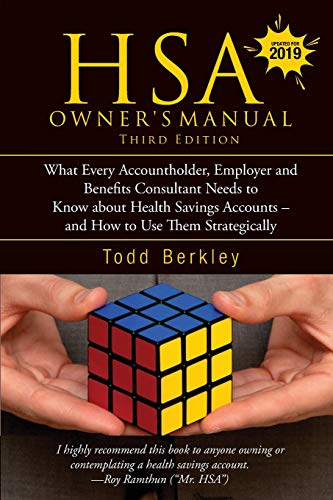
HSA Owners Manual, Third Edition: What Every Accountholder, Employer and Benefits Consultant Needs to Know about Health Savings Accounts – and How to Use them Strategically: Berkley, Todd
This book isthe owner’s manual that did not come with your HSA. If you followthe advice in this book, you’ll keep your HSA in compliancewith current HSA rules and regulations. You’ll also learn abouts
Check Price on Amazon
ThinkTex Accordion File Organizer, 12 - Pocket Expanding File Folders for Paper Receipts, Bills & Taxes Organizer, Letter/A4 Size Document Holder for School, Office, Home with tabs-Pinkish Purple
View on Amazon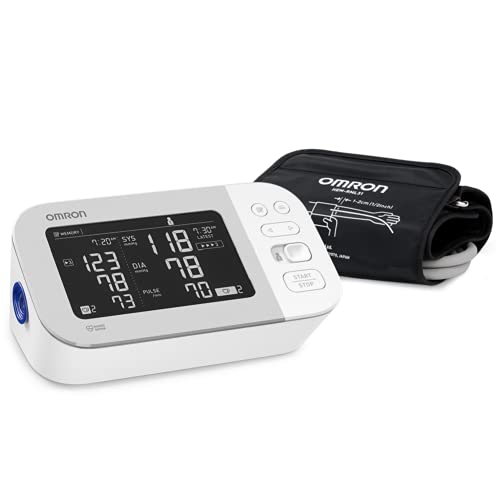
OMRON Platinum Blood Pressure Monitor, Upper Arm Cuff, Digital Bluetooth Blood Pressure Machine, Stores Up To 200 Readings for Two Users (100 readings each) : Everything Else
View on AmazonRecommended Resources
HSA Owners Manual, Third Edition: What Every Accountholder, Employer and Benefits Consultant Needs to Know about Health Savings Accounts – and How to Use them Strategically: Berkley, Todd
This book isthe owner’s manual that did not come with your HSA. If you followthe advice in this book, you’ll keep your HSA in compliancewith current HSA rules and regulations. You’ll also learn abouts
ThinkTex Accordion File Organizer, 12 - Pocket Expanding File Folders for Paper Receipts, Bills & Taxes Organizer, Letter/A4 Size Document Holder for School, Office, Home with tabs-Pinkish Purple
... <strong>EcoStash Accordion File Organizer</strong>, 12-Pocket Wheat Straw Expanding File Folder, Portable Monthly Bill & Tax Receipt Organizer, Letter/A4 Size Document Holder with Colorful Tab
OMRON Platinum Blood Pressure Monitor, Upper Arm Cuff, Digital Bluetooth Blood Pressure Machine, Stores Up To 200 Readings for Two Users (100 readings each) : Everything Else
The OMRON Platinum Upper Arm Monitor, complete with D-Ring cuff, <strong>provides unlimited memory, stores 200 total blood pressure readings for 2 users</strong>, works with the free OMRON Connect app
Related Articles
- Health Insurance in Illinois: Plans, Costs & How to Enroll
- Home Insurance in Indiana: Coverage, Costs & Best Companies
- Auto Insurance in Indiana: Rates, Requirements & How to Save
- Life Insurance in Indiana: What Residents Need to Know
- Health Insurance in Pennsylvania: Plans, Costs & How to Enroll
- Health Insurance in Nebraska: Plans, Costs & How to Enroll
- Health Insurance in Iowa: Plans, Costs & How to Enroll
- Health Insurance in Minnesota: Plans, Costs & How to Enroll