
Umbrella Insurance Guide: Do You Need Extra Liability Coverage?
You’re wondering if umbrella insurance is worth it. Maybe you’ve got a teen driver, a rental property, or you run a small business that’s growing fast. Here’s the simple version: umbrella insurance adds an extra layer of liability protection above your existing policies. If a big claim blows past your auto or home limits, the umbrella can step in so that one lawsuit doesn’t derail your savings or your business.
This guide breaks down how umbrella insurance works, what it does and doesn’t cover, who needs it, how much to buy, and what it typically costs. We’ll also show you how to compare quotes the smart way.
What is umbrella insurance and how does it work?
Umbrella insurance is extra liability coverage that sits on top of your underlying policies—usually auto, homeowners, renters, boat, or general liability for a business. Think of it as a safety net for worst‑case scenarios.
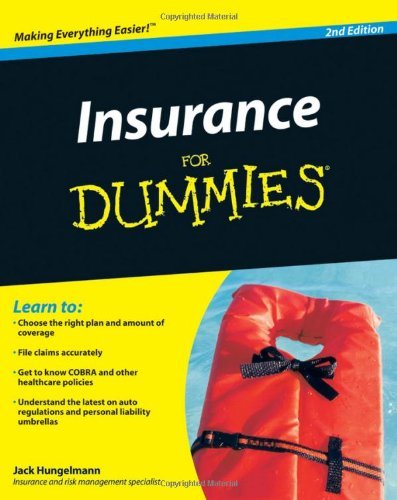
Insurance For Dummies?: Hungelmann, Jack
Whether you’re a homeowner or ... need on: ... Author Jack Hungelmann <strong>uses his twenty-five years of experience in the insurance industry to make buying insurance as simple as possible</strong>
Check Price on Amazon- Liability coverage means your insurer pays for injuries or damage you’re legally responsible for, plus legal defense (your lawyer and court costs), up to your policy limit.
- Underlying policy means the base policy that responds first—like your auto or homeowners policy.
How it works, in plain English:
- A covered accident happens. Example: You cause a multi‑car crash and the injured party’s medical bills and lost wages total $700,000.
- Your underlying policy pays first. If your auto policy has $250,000 per person/$500,000 per accident liability limits, it pays up to those amounts.
- The umbrella policy pays next. If costs exceed the underlying limits (say, by $200,000), your umbrella can step in up to its own limit (often $1–$5 million).
Two terms you’ll hear:
- Per occurrence limit: the most the policy pays for a single claim (a single accident or event).
- Aggregate limit: the most the policy pays in total during the policy period (usually one year). Commercial umbrellas almost always have both; personal umbrellas typically focus on per occurrence because the underlying policies have aggregates.
Some umbrellas also provide “drop‑down” coverage—limited protection for certain personal injury claims (like libel or slander) that your underlying policy might not cover. When that happens, a self‑insured retention (SIR) may apply—an amount you pay out of pocket (often $250–$1,000) before the umbrella responds when there’s no underlying policy for that type of claim.
What umbrella insurance covers — and what it doesn’t
Most umbrella policies cover:
- Bodily injury liability: injuries you cause to others (for example, a guest falls at your home or a driver is hurt in a crash you caused).
- Property damage liability: damage to someone else’s property (for example, you crash into a storefront or your child causes a fire that spreads to another unit).
- Personal injury (in many personal umbrellas): claims like libel, slander, or defamation—check your policy because definitions vary by insurer.
- Legal defense: attorney fees and court costs, often paid in addition to (outside) policy limits—though this varies by policy; ask whether defense costs are inside or outside the limit.
Common exclusions (things typically not covered):
- Your own injuries or property: umbrella is liability‑only, not health or property insurance.
- Intentional acts: harm you cause on purpose is excluded.
- Professional services: errors at work require professional liability (also called E&O, or errors and omissions) for individuals and businesses.
- Employment and workers’ compensation: a separate workers’ compensation policy applies for employees.
- Business activities under a personal umbrella: most personal umbrellas exclude business‑related liability unless explicitly endorsed. If you own a business, see commercial umbrellas below.
- Contractual liability: liability you assume in a contract is often limited or excluded unless covered by the underlying policy.
- Punitive or exemplary damages: sometimes excluded and, in many states, not insurable. Availability varies by state and carrier.
- Certain vehicles and watercraft: if you own boats, ATVs, or recreational vehicles, you may need underlying policies in place for the umbrella to apply.
Helpful cross‑checks:
- For what your home policy covers today (so you can see what the umbrella would sit above), review: What Does Home Insurance Cover? (/home-insurance/what-does-home-insurance-cover)
- For baseline auto liability options (so you know your underlying), see: Understanding Auto Insurance Coverage Types (/auto-insurance/understanding-auto-insurance-coverage-types)
If you’re ever lost in the lingo, keep this handy: Insurance Glossary: Key Terms You Need to Know (/auto-insurance/insurance-glossary)
Personal vs. commercial umbrella insurance (key differences for business owners)
Personal umbrella
- Protects your personal assets when claims exceed the limits of your personal auto, homeowners, renters, or recreational policies.
- Often includes personal injury coverage (like libel/slender) and worldwide coverage for personal activities.
- Typically requires certain minimum underlying limits—for example, many carriers require auto liability of $250,000/$500,000/$100,000 (BI per person/BI per accident/property damage) and $300,000 in personal liability on your home—requirements vary by carrier and state.
Commercial umbrella (sometimes called a commercial excess liability policy)
- Adds limits above your business policies—general liability, commercial auto, and employer’s liability (the liability portion of workers’ comp under “stop gap” in some states). Some are true umbrellas with broader terms; others are excess policies that strictly “follow form” (match the underlying policy’s terms).
- Often required by contracts, landlords, or vendors (for example, a mall lease may mandate a $5M limit).
- Excludes professional liability, directors & officers (D&O), cyber, and employment practices liability (EPLI)—you need separate policies for these.
- Can schedule multiple underlying policies across entities; your broker will help align all the pieces.
If you’re a sole proprietor or gig worker, be careful: many personal umbrellas exclude claims arising from business activities. If customers come to your home office or you drive for business, ask about a commercial umbrella or endorsements that properly cover those exposures.
Who needs umbrella insurance? Risk factors and real‑world scenarios
You might benefit from umbrella insurance if you have:
- Teen or high‑mileage drivers in the household
- Significant savings, investments, or home equity
- A swimming pool, trampoline, dog with a bite history, or frequent hosting
- Boats, ATVs, or rental properties
- Volunteer roles on boards or community associations (D&O still recommended for board service)
- A public profile or active social media presence (libel/slander exposure)
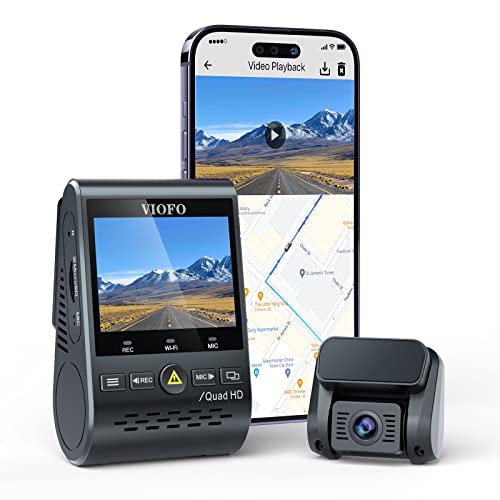
VIOFO Dual Dash Cam, 2K 1440P 60fps+1080P 30fps Front and Rear Dash Camera with Wi-Fi GPS, Parking Mode, Emergency Recording, Super Capacitor, Motion Detection (A129 Plus Duo) : Electronics
View on AmazonReal‑world examples
- The serious auto crash: Your 17‑year‑old rear‑ends an SUV, causing multiple injuries. Total costs hit $1.2M. Your auto policy pays $500K; a $1M umbrella covers the remaining $700K (up to its limit). Without the umbrella, your wages and savings are at risk.
- The backyard injury: A neighbor’s child is injured on your trampoline. Medical bills and settlement total $900K. Your homeowners liability pays $300K; umbrella pays the rest.
- The rental property claim: A tenant’s guest trips on a loose stair and suffers a traumatic brain injury. Your landlord policy pays its $1M limit. The excess $2M settlement draws on your $3M personal umbrella.
- The business slip‑and‑fall: A customer slips in your store, suffers a spinal injury, and sues. Your general liability limit of $1M per occurrence is exhausted; your $4M commercial umbrella covers additional damages and defense.
Umbrella insurance is about severity risk—low probability, high dollar events. If a worst‑case claim could exceed your existing limits, an umbrella is the relatively affordable way to close that gap.
How much umbrella insurance should you buy? A quick, practical calculator
There’s no one‑size‑fits‑all number, but here’s a commonsense approach most families and small businesses use.
Step 1: Add up what’s at stake today
- Personal: home equity + savings + investments + other assets.
- Business: cash + receivables + equipment + inventory + projected profit you’d want to protect.
Step 2: Consider future earnings at risk
- A judgment can, in some cases, go after future wages. A simple rule is 3–5 years of gross income (pick the higher end if you work in a high‑risk field or high‑income role).
Step 3: Consider your risk factors
- Teen drivers, rentals, pools, boats, or a litigious venue (busy retail, nightlife) tilt you toward higher limits.
Step 4: Match to a limit
- Under $500K in assets and no special risks: $1–$2M can be reasonable.
- $500K–$2M in assets or one higher‑risk factor (teen driver, rental, pool): $2–$5M.
- $2M+ in assets, multiple risk factors, or public profile: $5M+ where available.
- Business owners: start with the largest contract/lease requirement, then compare it to a realistic worst‑case claim (for example, severe injury or multi‑vehicle crash with a business vehicle). Many small businesses carry $2–$5M; higher‑hazard operations often buy $10M+ in layered excess.
Quick example
- Say you have $300K home equity, $200K in savings/investments, and earn $120K. You choose 4 years of income ($480K). Total at risk: ~$980K. With a teen driver, you might lean toward a $2M umbrella to create cushion above a large auto claim.
Always check your contract requirements (leases, client agreements) and the availability of higher limits in your state.
Costs, discounts, and how rates vary by state
Typical personal umbrella cost
- Often $150–$400 per year for the first $1M, then $75–$200 per additional $1M. Rates vary by your state, driving history, home/rental exposures, and number of drivers.
Typical commercial umbrella cost
- Often $500–$1,500 per $1M for small, lower‑hazard businesses; higher for fleets, construction, hospitality, or past claims. Pricing depends on revenue, payroll, vehicle count, operations, and venue (where you operate).
What drives price up or down
- Drivers and violations: teen drivers, DUIs, or multiple at‑fault crashes increase personal umbrella costs.
- Underlying limits: higher base auto/home limits can lower the umbrella rate (you’re absorbing more risk before the umbrella attaches).
- Property risk factors: pools, trampolines, aggressive‑breed dog histories, and short‑term rentals can raise cost or trigger exclusions.
- For businesses: number and type of vehicles, subcontractor controls, certificates/hold‑harmless agreements, venue capacity, and claims history.
State‑level notes
- Litigation environment: States with higher claim severity and attorney involvement—often including Florida, Louisiana, California, and New York—typically see higher umbrella premiums.
- Punitive damages: Some states limit or prohibit insurance coverage for punitive damages. Even where allowed, many carriers exclude them.
- Uninsured/Underinsured Motorist (UM/UIM) umbrellas: Availability varies widely by state and carrier. In some states, you can add UM/UIM to your umbrella to protect your household if an at‑fault driver has low limits; in others, it may be unavailable.
- Minimum underlying limits: These are generally carrier rules, not state laws, but requirements can differ by state and insurer. Many personal umbrellas require auto liability of at least $250K/$500K and $300K for home liability.
Discounts and ways to save
- Bundle with your home/auto or business package.
- Maintain clean driving records (and driver training for teens).
- Increase underlying limits on auto and home; ask how that impacts the umbrella price.
- Add risk controls: pool fences, dog training, written safety programs, fleet telematics (for businesses).
If you’re re‑evaluating your auto limits while shopping umbrellas, you can compare car insurance quotes here: Car Insurance Quotes: Compare Rates & Get Personalized Quotes Fast (/auto-insurance/car-insurance-quotes-compare-rates)
What to look for when comparing umbrella policies
Use this checklist when you’re evaluating options:
- True umbrella vs. excess liability: Does it add any broader coverage (drop‑down) or only follow the underlying policies word‑for‑word?
- Defense costs: Paid outside the limit (better) or inside the limit (defense erodes your total available coverage)?
- Personal injury coverage: Does it include libel/slander/defamation? Any social‑media exclusions?
- Business exclusions: If you have side‑income or rental properties, confirm what’s covered and what needs a commercial policy.
- UM/UIM availability on personal umbrellas: Ask if it’s offered in your state and how it coordinates with your auto UM/UIM.
- Minimum underlying requirements: Make sure your current auto/home/GL meet them—otherwise, a gap can leave you self‑insured.
- Worldwide coverage and jurisdiction: Useful if you travel or do business out of state.
- Financial strength: Look for carriers with strong independent ratings and a solid claims reputation.
How to buy umbrella insurance and get quotes (step‑by‑step)
The fastest way to see what you would actually pay is to compare quotes from 3–5 carriers. Here’s how to make that shopping process smooth and accurate.
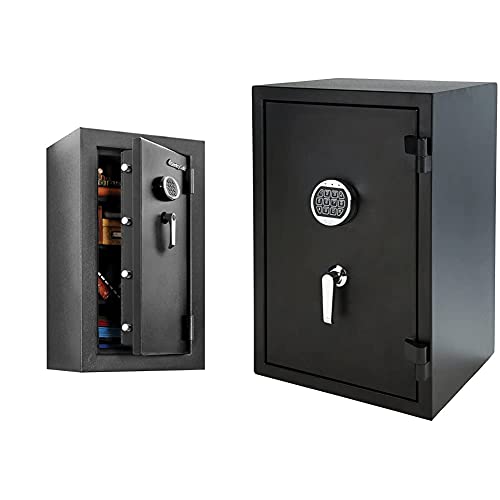
SentrySafe Waterproof and Fireproof Alloy Steel Digital Safe Box for Home with Code Button Keypad, 1.23 Cubic Feet, 17.8 x 16.3 x 19.3 Inches (exterior), SFW123GDC - Gun Safes And Cabinets - Amazon.com
View on Amazon- Make a quick risk inventory
- Personal: drivers, vehicles, tickets/accidents, home features (pool/trampoline), pets, rentals, boats/ATVs, social‑media/public profile.
- Business: revenue, payroll, locations, vehicles, operations, subcontractors, contracts/leases with limit requirements.
- Confirm your underlying limits
- Personal: many umbrellas require auto 250/500/100 and home liability at $300K or more—ask your agent what your carrier requires.
- Commercial: confirm GL (often $1M per occurrence/$2M aggregate), auto ($1M CSL—combined single limit), and employer’s liability (typical $1M) if applicable.
- Decide on a target umbrella limit
- Use the quick calculator above and any contract requirements you must meet.
- Gather documents
- Declarations pages (the first page of each policy that lists your coverages and limits) for your auto, home, renters, boat, landlord, and business policies.
- Driver lists and loss runs (claims history) for business.
- Shop and compare
- Request quotes from multiple carriers. Keep the umbrella limit the same across quotes so you’re comparing apples to apples.
- Ask for two options: with and without UM/UIM on personal umbrellas (if available), and confirm defense‑outside‑limits if possible.
- Close gaps before binding
- If the insurer requires higher underlying limits, adjust your auto/home or business policies so the umbrella will respond properly. For context on underlying auto options, see Understanding Auto Insurance Coverage Types (/auto-insurance/understanding-auto-insurance-coverage-types)
- Bind and keep everything aligned
- Set renewal dates to line up, and review limits annually or when life changes (new driver, new property, bigger contracts).
Prefer help? A licensed agent can look at your risk picture and pull multiple umbrella quotes at once. If you’re a business owner, tell the agent about any contract or lease insurance requirements so they can tailor limits and certificates from the start.
Call‑to‑action: Ready to price it out? Comparing 3–5 umbrella quotes is the quickest way to see your real cost and options. Bring your current policy declarations and we’ll help you spot gaps before you buy.
Frequently asked questions about umbrella insurance
Does umbrella insurance have a deductible?
- Not usually in the traditional sense. But if the umbrella provides drop‑down coverage for something not covered by an underlying policy, a self‑insured retention (SIR) may apply—often $250–$1,000.
Is umbrella insurance the same as excess liability?
- Not exactly. Excess liability typically follows the terms of the underlying policy with no broader coverage. A true umbrella may offer some broader protections (like personal injury) in addition to higher limits. Ask which you’re getting.
Can I stack umbrellas to double my coverage?
- You don’t “stack” two umbrellas side‑by‑side. You can, however, layer coverage—an umbrella followed by an additional excess policy above it—coordinated by one broker across your underlying policies.
Does an umbrella cover me if I run a side business from home?
- Usually not under a personal umbrella. Business activities are commonly excluded. You may need a business policy plus a commercial umbrella.
How do umbrella claims work?
- If a claim looks like it could exceed your underlying policy, notify both your primary insurer and the umbrella carrier. The underlying carrier typically defends and pays first. If limits are exhausted, the umbrella pays next. Ask whether defense costs are inside or outside the umbrella limit.
Will the umbrella cover libel or slander on social media?
- Many personal umbrellas include personal injury coverage that can apply to libel and slander. Read the definition carefully and watch for exclusions related to business or advertising activities.
What minimum underlying limits are required?
- Requirements vary by insurer and state. Personal umbrellas often require auto 250/500/100 and home liability $300K+. Commercial umbrellas often require GL $1M per occurrence/$2M aggregate and business auto $1M CSL. Your agent can confirm exact thresholds.
Can I get uninsured/underinsured motorist (UM/UIM) on an umbrella?
- Sometimes. It depends on the insurer and your state. Where offered, UM/UIM on the umbrella can provide valuable extra protection if you’re hit by a driver with low limits.
A quick note on your home and auto foundations
Umbrella insurance is only as good as the policies beneath it. Make sure your base coverages are solid and meet the umbrella’s requirements. These refreshers can help:
- What Does Home Insurance Cover? (/home-insurance/what-does-home-insurance-cover)
- Understanding Auto Insurance Coverage Types (/auto-insurance/understanding-auto-insurance-coverage-types)
Also helpful if terms get fuzzy: Insurance Glossary: Key Terms You Need to Know (/auto-insurance/insurance-glossary)
Your next step
If a single lawsuit could outstrip your current limits, umbrella insurance is a straightforward way to add meaningful protection—for families and for businesses. The best next step is simple: compare quotes from 3–5 carriers and see how pricing and coverage line up for your situation. Rates vary by state, carrier, and your specific risk profile.
Need help deciding on a limit or aligning your home/auto or business policies with an umbrella? Speak with a licensed agent. They can help you right‑size your underlying limits, find UM/UIM options in your state where available, and spot exclusions that matter to your life or operations.
Call‑to‑action: Get personalized umbrella quotes today. Ten minutes with your current policy info can save you costly gaps later.
Recommended Resources
Insurance For Dummies?: Hungelmann, Jack
Whether you’re a homeowner or ... need on: ... Author Jack Hungelmann <strong>uses his twenty-five years of experience in the insurance industry to make buying insurance as simple as possible</strong>
VIOFO Dual Dash Cam, 2K 1440P 60fps+1080P 30fps Front and Rear Dash Camera with Wi-Fi GPS, Parking Mode, Emergency Recording, Super Capacitor, Motion Detection (A129 Plus Duo) : Electronics
Buy VIOFO Dual Dash Cam, 2K 1440P 60fps+1080P 30fps Front and Rear Dash Camera with <strong>Wi-Fi GPS, Parking Mode</strong>, Emergency Recording, Super Capacitor, Motion Detection (A129 Plus Duo): On
SentrySafe Waterproof and Fireproof Alloy Steel Digital Safe Box for Home with Code Button Keypad, 1.23 Cubic Feet, 17.8 x 16.3 x 19.3 Inches (exterior), SFW123GDC - Gun Safes And Cabinets - Amazon.com
<strong>SentrySafe Medium Gray Fireproof Safe and Waterproof Safe Box with Dial Combination, Home Security for Money, Documents, or other Valuables</strong>, 1.23 Cubic Feet, SFW123DSB
Related Articles
- What Is Umbrella Insurance? A Simple Guide to Extra Liability Coverage
- Understanding Business Liability Insurance: What It Covers, Who Needs It, and How to Choose
- Small Business Insurance Options: What to Know and How to Choose
- How Much Car Insurance Do I Need? A Practical Guide to Choosing Coverage
- Best Insurance Policies for Small Businesses: Essential Coverage, Costs, and How to Choose
- What Is Liability Insurance? Types, Coverage, and Who Needs It
- Understanding Renters Insurance Coverage: What It Covers, How Much You Need, and How to File a Claim
- Business Insurance Types Explained: What Each Policy Covers and How to Choose