
Cheapest Car Insurance in Georgia: Compare Low Rates & Get Quotes
You just got a car insurance quote in Georgia and the number feels high. Is that normal, and who really has the cheapest car insurance in Georgia for drivers like you? Here’s what actually matters when choosing a low-cost policy that still protects you when it counts.
Note: Rates vary by driver and ZIP code. Examples below are illustrative, not guarantees or offers.
Cheapest car insurance in Georgia: quick answer
If you’re hunting for the cheapest car insurance in Georgia, the companies that most often show up with low quotes for many drivers are GEICO, State Farm, USAA (if you or your family have military ties), Progressive, and Nationwide. In many Georgia ZIP codes, a typical clean-driving 30–40-year-old might see:
- Minimum coverage: often around $60–$110 per month
- Full coverage (liability plus collision and comprehensive): often around $140–$220 per month
In metro Atlanta, premiums tend to run higher because of traffic density and claims frequency. The same driver might see $80–$140 per month for minimum coverage and $180–$260 for full coverage. Outside major metros, quotes typically trend lower.
The fastest way to see what you would actually pay is to compare quotes from 3–5 carriers on the same day with the same coverage settings.
How car insurance pricing works in Georgia (factors and state rules)
Georgia is an at-fault state, which means the driver who causes a crash is responsible for the damages. Insurers price your policy based on how risky you are to insure. Common factors include:

Garmin Dash Cam 47, 1080p and 140-degree FOV, Monitor Your Vehicle While Away w/New Connected Features, Voice Control, Compact and Discreet, Includes Memory Card : Electronics
View on Amazon
Your Credit Score: How to Improve the 3-Digit Number That Shapes Your Financial Future: Weston, Liz
Weston thoroughly covers brand-new laws and rules surrounding credit scoring ― including some surprising good news and some frightening new risks. Don’t settle for an out-of-date guide to credit scori
Check Price on Amazon- Driving record and claims: Tickets, at-fault accidents, or a DUI can raise your rate for 3–5 years. A long, clean record helps.
- Where you live and park: ZIP codes with more traffic, theft, or severe weather see higher rates.
- Vehicle type and value: Newer or higher-value cars cost more to repair or replace. Safety and anti-theft features can help.
- Annual mileage: More miles usually means higher risk. Low-mileage drivers may qualify for discounts.
- Coverage and deductibles: Higher liability limits and adding collision/comprehensive increase cost. Raising your deductible (the amount you pay out of pocket before insurance kicks in) can lower premiums.
- Credit-based insurance score: In Georgia, most insurers use a credit-based insurance score. Better scores typically mean lower rates. This score is not your FICO credit score but is based on similar credit factors.
- Age and household: Young and newly licensed drivers generally pay more. Multi-car and multi-driver households often get discounts.
- Telematics: Usage-based programs that track driving habits can offer meaningful savings for safe drivers.
Georgia also enforces continuous coverage. A lapse (even a few days) can trigger fees, license issues, and higher premiums. The Georgia Office of Commissioner of Insurance and Safety Fire oversees insurance rules and consumer protections in the state.
Georgia minimum coverage requirements (25/50/25) — and why many drivers buy more
Georgia’s minimum auto liability limits are often written as 25/50/25. That means:
- $25,000 bodily injury liability per person (injuries you cause to others)
- $50,000 bodily injury liability per accident (injuries to multiple people)
- $25,000 property damage liability per accident (damage you cause to someone else’s car or property)
What minimum coverage doesn’t include:
- Collision: Pays to repair or replace your car after a crash you cause
- Comprehensive: Covers non-crash events like theft, vandalism, hail, and animal strikes
- Medical payments (MedPay): Optional in Georgia; helps pay for medical costs for you and your passengers regardless of fault
- Uninsured/Underinsured Motorist (UM/UIM): Optional but highly recommended; helps if you’re hit by a driver with no insurance or too little insurance
Why consider more than 25/50/25? Medical bills and vehicle repair costs can easily exceed those limits. If you’re found at fault and your liability coverage runs out, you can be personally responsible for the rest. Many Georgia families choose 100/300/100 liability limits (or higher) plus UM/UIM at matching limits. If your car is financed or leased, your lender will require collision and comprehensive.
Top insurers that often offer the lowest rates in Georgia: what to expect
While the cheapest company for you depends on your profile and ZIP code, these carriers frequently price competitively in Georgia:
- GEICO: Often sharp for clean drivers and multi-car households. Strong online tools. Consider DriveEasy (its telematics program) if you drive smoothly and mostly off-peak.
- State Farm: Consistently competitive for a wide range of drivers, strong network of local agents. Drive Safe & Save can reward safe habits and lower mileage.
- USAA: Frequently among the lowest for active duty, veterans, and eligible family members. Known for service and competitive UM/UIM options. Eligibility required.
- Progressive: Flexible coverage, good for drivers with a mix of risk factors. Snapshot telematics can pay off if you avoid hard braking and late-night driving.
- Nationwide: Good for bundlers and families. SmartRide (telematics) and SmartMiles (pay-per-mile, availability varies) can be cost-savers for low-mileage drivers.
Tip: Quote at least one direct insurer (like GEICO or USAA if eligible) and one or two companies through an independent agent. Independent agents can pull multiple quotes and explain coverage trade-offs.
For more Georgia-specific context on rates and rules, see our guide: Auto Insurance in Georgia: Rates, Requirements & How to Save.
How to lower your Georgia car insurance premium: 10 actionable strategies
- Compare 3–5 quotes on the same day
- Prices change constantly. Lock your coverage choices first, then compare apples to apples across carriers.
- Right-size your coverage and deductibles
- If you carry collision and comprehensive, consider a $500–$1,000 deductible to cut cost. Do not drop important coverage you would need after a crash.
- Bundle home or renters with auto
- Multi-policy discounts can be significant in Georgia. If you own a home here, bundling your auto and home can save 10%–25% in many cases. Start here if you’re a homeowner: Home Insurance in Georgia: Coverage, Costs & Best Companies
- Improve your credit-based insurance score
- Paying bills on time and reducing credit utilization can, over time, improve your insurance score and lower rates.
- Try a telematics program
- Safe, low-mileage habits can earn discounts. Ask about trial periods and how driving is graded (hard braking, speeding, time of day).
- Use every discount you’re eligible for
- Good student, safe driver, defensive driving course, multi-car, paperless billing, autopay, and vehicle safety features. Ask specifically which you have and which you’re missing.
- Keep continuous coverage
- Avoid lapses by renewing on time. Even a short lapse can hike your premium and cause Georgia penalties.
- Reduce annual mileage
- If you’ve started working from home or carpooling, update your mileage. Some carriers offer low-mileage or commuter discounts.
- Consider pay-per-mile (if available)
- If you drive under 6,000–8,000 miles a year, ask about mileage-based plans. Availability varies by insurer and ZIP code.
- Re-shop after life changes
- Moving, buying a car, paying off a loan, or adding/removing drivers can shift your rate. It’s smart to re-shop every 6–12 months.
For more savings levers, see: Cheap Auto Insurance: How to Lower Your Premiums & Get Quotes
Step-by-step: how to compare quotes in Georgia
Here’s a simple way to get accurate, comparable quotes fast.
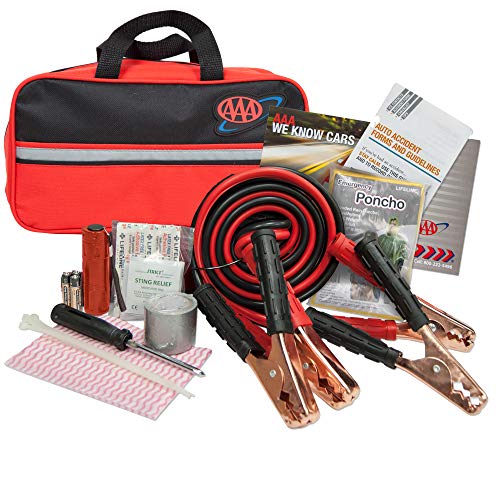
Lifeline AAA Premium Road Kit, 42 Piece Emergency Car Kit with Jumper Cables, Flashlight and First Aid Kit,4330AAA,Black : Everything Else
View on AmazonStep 1: Gather these details
- Driver’s license numbers for all household drivers
- Vehicle identification numbers (VINs)
- Garaging address and average annual mileage
- Your current policy’s declarations page (lists coverages and limits)
- Accident and ticket history (approximate dates)
- Lienholder/lease info if your car is financed
Step 2: Set your coverage targets (coverage checklist)
- Liability: Choose limits you can live with (e.g., 100/300/100). Higher limits protect your assets.
- Uninsured/Underinsured Motorist (UM/UIM): Consider matching your liability limits.
- Medical Payments (MedPay): $1,000–$10,000 is common; helps with out-of-pocket medical costs.
- Collision and Comprehensive: Required by lenders; pick deductibles you can actually afford today.
- Add-ons: Rental car reimbursement, roadside assistance, gap coverage for new/financed cars.
Step 3: Quote 3–5 carriers the same day
- Use identical limits and deductibles for each quote. Ask about all applicable discounts.
Step 4: Compare the results side by side
- Example layout you can copy into a note:
- Company A: $172/month; 100/300/100; UM 100/300; Comp/Coll $500 deductibles; telematics enrolled; rental included
- Company B: $186/month; 100/300/100; UM 100/300; Comp/Coll $1,000 deductibles; no telematics; roadside included
- Company C: $164/month; 100/300/100; UM rejected; Comp/Coll $500 deductibles; telematics trial; rental not included
Step 5: Weigh price, protection, and service
- Check claim satisfaction, local agent support, and financial strength (A.M. Best rating). A slightly higher premium can be worth it for stronger coverage and better claims help.
Consumer-friendly tip: Ask each insurer, “What would you change to reduce this premium by 10–15% without creating big coverage gaps?” Let them do the math.
Special cases: young drivers, new residents, low-income drivers, and military
Young drivers (teens and 20s)
- Add them to a parent’s policy if possible—it’s typically cheaper than a standalone policy.
- Use good student and driver training discounts. Georgia defensive driving courses approved by the state can help reduce premiums with many carriers.
- Telematics can pay off for careful young drivers. Avoid late-night driving and phone use while driving—both often hurt telematics scores.
- Learn more here: Cheapest Car Insurance for Young Drivers: How to Cut Your Rates
New Georgia residents
- Georgia requires at least 25/50/25 liability before you register your car. Get a Georgia policy active, then cancel your old state policy to avoid a lapse.
- Update your garaging address, mileage, and lienholder info. Some discounts (like garage safety) depend on accurate address data.
Low-income drivers
- Georgia doesn’t have a state-run low-income auto program. Consider higher deductibles, liability-only on older cars you could afford to repair/replace, telematics, and pay-per-mile options if you drive infrequently.
- Ask about payment schedules and autopay discounts. Avoid lapses at all costs—lapses raise rates.
Military members and families
- If you’re eligible, USAA often prices very competitively in Georgia and offers strong claims support.
- Ask about deployment or storage discounts if your vehicle will be garaged and not driven for extended periods.
FAQ and next steps
Is the minimum coverage enough in Georgia?
- It satisfies the law but may not protect your assets. Medical bills and vehicle repair costs can exceed 25/50/25 quickly. Many drivers choose 100/300/100 and add UM/UIM.
How often should I shop my policy?
- Typically every 6–12 months, or after life changes (move, new car, improved credit-based insurance score) or when tickets/accidents age past 36 months.
What documents do I need to get quotes?
- Driver’s license, VINs, current policy declarations page, garaging address, and approximate mileage. If financed, have your lender’s info.
Does Georgia require SR-22 after a DUI?
- In many cases, yes—an SR-22 (a proof of financial responsibility filing) is required to reinstate driving privileges. Expect higher premiums for several years.
Will a defensive driving course lower my rate?
- Often. Many Georgia insurers offer a discount for approved courses, especially for mature drivers and those with minor violations.
What’s the quickest way to find the cheapest car insurance in Georgia?
- Compare quotes from 3–5 carriers, keep coverage settings identical, and ask each insurer to identify safe savings moves (like telematics or bundling) before you cut important coverage.
Consult a licensed agent
- If you’re unsure about limits or which endorsements you need, a licensed Georgia agent can help tailor coverage to your budget and risk. They can also explain how state rules apply to your situation.
Ready to see your price?
- The smartest next step is to compare rates from at least three insurers today. Have your driver’s license, VIN, and current policy handy—most quotes take about 10 minutes. If you own a home or renters policy, price a bundle as well for potential extra savings.
Helpful Georgia resources
- For broader context on state rules and savings strategies: Auto Insurance in Georgia: Rates, Requirements & How to Save
Recommended Resources
Your Credit Score: How to Improve the 3-Digit Number That Shapes Your Financial Future: Weston, Liz
Weston thoroughly covers brand-new laws and rules surrounding credit scoring ― including some surprising good news and some frightening new risks. Don’t settle for an out-of-date guide to credit scori
Garmin Dash Cam 47, 1080p and 140-degree FOV, Monitor Your Vehicle While Away w/New Connected Features, Voice Control, Compact and Discreet, Includes Memory Card : Electronics
Wide 140-degree lens records 1080p ... online Vault to view and share later · <strong>The Parking Guard feature monitors activity around your parked vehicle and alerts if an incident is detected</stro
Lifeline AAA Premium Road Kit, 42 Piece Emergency Car Kit with Jumper Cables, Flashlight and First Aid Kit,4330AAA,Black : Everything Else
Amazon.com: <strong>Lifeline AAA Premium Road Kit</strong>, 42 Piece Emergency Car Kit with Jumper Cables, Flashlight and First Aid Kit,4330AAA,Black : Everything Else
Related Articles
- Auto Insurance in Georgia: Rates, Requirements & How to Save
- Home Insurance in Georgia: Coverage, Costs & Best Companies
- Health Insurance in Georgia: Plans, Costs & How to Enroll
- Life Insurance in Georgia: What Residents Should Know Before Buying
- Cheapest Car Insurance in Texas: Compare Rates & Get Quotes Today
- Cheapest Car Insurance in Florida: Compare Quotes & Save
- Cheapest Car Insurance for Young Drivers: How to Cut Your Rates
- Best Car Insurance for New Drivers: Top Picks & How to Save