
Root Insurance Review 2026: Rates, Pros & Cons, and Who Should Buy
You’re eyeing Root for auto coverage and wondering if the app-based “test drive” actually saves you money — or if it’s just another gimmick. This Root Insurance review cuts through the hype so you know how pricing works, what coverage you can get, real‑world pros and cons, and who Root tends to fit.
What is Root Insurance?
Root is a mobile‑first auto insurer that prices your policy primarily on how you drive, using telematics (phone sensors that measure driving behavior like braking and phone use). Instead of quoting you off basic info alone, Root typically asks you to complete a short “test drive” period in the app. Your driving score then heavily influences your premium.
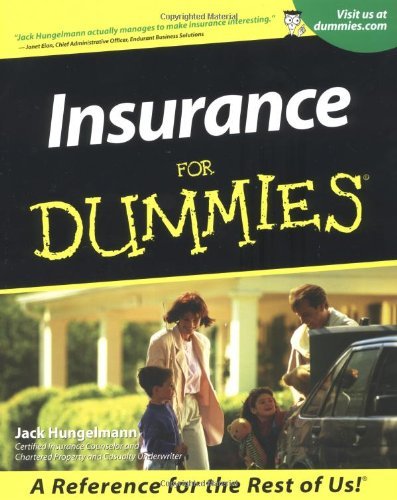
Insurance for Dummies: Hungelmann, Jack
<strong>Manage life, health, and disability risks</strong> ― explore individual and group policies, understand Medicare basics, and evaluate long-term disability and long-term-care insurance ...
Check Price on Amazon- Availability: Root operates in many, but not all, states. Availability can change as insurers update filings and expand or pause in certain markets. The fastest way to confirm is to enter your ZIP code in the Root app. Some states restrict how telematics can be used for pricing; in those places, Root may be limited or not available.
- Products: Primarily auto insurance. Renters or other lines may be offered in select states, sometimes via partners. If you want large multi‑policy bundles (like home + auto), a traditional carrier may offer broader options.
Root Insurance Review: How Root’s Pricing Works
Root’s pricing leans on telematics. Here’s what that means in practice.
The test drive period
- Duration: Typically a few weeks of normal driving with the app running. Short trips still count.
- What’s measured: Hard braking and rapid acceleration, speeding relative to limits, cornering, time of day (late‑night miles can cost more), and phone screen motion (a proxy for distraction). Telematics means your phone collects this data while you drive — you’ll want to keep location and motion permissions enabled.
- After the test: Root calculates a score and offers a quote. In most cases, your price won’t change mid‑term, but your renewal can go up or down based on later driving, accidents, tickets, and broader rate changes in your state.

iOttie Easy One Touch Signature Dashboard & Windshield Universal Car Mount Phone Holder Desk Stand with Suction Cup Base and Telescopic Arm for iPhone, Samsung, Google, More Smartphones : Cell Phones & Accessories
View on AmazonOther rating factors still matter
Even though the test drive is central, insurers also consider:
- Your vehicle (repair costs, safety features), annual mileage, and garaging ZIP
- Driving record (accidents, violations), prior insurance history, and any lapses
- Age and years licensed
- Credit‑based insurance score (in most states; not used where prohibited)
- Coverage and deductible choices
No insurer can promise a discount just for signing up. With Root, the “safe‑driver savings” are typically baked into your base price rather than shown as a separate discount line item.
Privacy and opt‑outs
- Data use: Telematics data is used for underwriting, rating, and sometimes claims investigation. Root’s privacy policy outlines what’s collected and how it’s stored.
- Opting out: If you don’t want to share driving data, you likely won’t be eligible for a Root quote. If you disable permissions mid‑term, you may lose access to certain pricing benefits and could see changes at renewal, depending on your state’s rules.
Coverage Options, Limits & Add‑Ons
Root generally offers the same core auto coverages you’ll find elsewhere. Here’s what to expect and what to look for.
Core coverages
- Liability: Bodily injury and property damage liability cover injuries and damage you cause to others. Choose limits that protect your assets — many drivers opt for at least $100,000/$300,000/$100,000 (100/300/100), though higher is prudent if you own a home or have savings.
- Uninsured/Underinsured Motorist (UM/UIM): Pays if you’re hit by a driver with no or too little insurance. Limits usually mirror your liability selections; in some states, UM property damage (UMPD) is separate.
- Medical Payments (MedPay) or Personal Injury Protection (PIP): Helps with medical bills regardless of fault. PIP is broader and mandatory in some no‑fault states.
- Collision: Repairs your car after a crash, minus your deductible (the amount you pay out of pocket before insurance kicks in). Required by lenders on financed vehicles.
- Comprehensive: Covers non‑collision losses like theft, hail, fire, and animal strikes, also subject to a deductible.
Common add‑ons (availability varies by state)
- Rental car reimbursement: Helps pay for a rental while your car is in the shop after a covered claim.
- Roadside assistance: Towing, battery, lockout, flat tire. Some app‑based insurers include a basic version; others offer it as an add‑on.
- Glass coverage: May offer lower deductibles for windshield repairs.
- Rideshare endorsement: Extends certain coverages when you’re driving for apps like Uber/Lyft, where offered.
- SR‑22/FR‑44 filings: Proof of financial responsibility some states require after certain violations. Insurers often charge a small filing fee; not available in all states.
What to look for in a Root policy
- Match coverage apples‑to‑apples when comparing to other quotes (same limits and deductibles).
- Verify if roadside or rental is included or extra — it varies.
- If you commute late at night or drive a lot on weekends, ask how time‑of‑day miles affect your score.
- Check lienholder requirements if your car is financed; most require comp/collision and specific deductibles.
Typical Rates & Sample Quotes
Rates vary by driver, state rules, and how you score on the test drive. Use these examples as directional ranges — not promises. Your price will be different.
Sample monthly premiums for full coverage policies (comp/collision with $500 deductibles, 100/300/100 liability) after a “good” telematics score:
- 30‑year‑old, clean record, Ohio: $85–$150 per month
- 35‑year‑old, clean record, Texas: $110–$190 per month
- 22‑year‑old, clean record, Arizona: $160–$320 per month
- 40‑year‑old, one recent at‑fault accident, Colorado: $210–$400 per month
- 50‑year‑old, clean record, Illinois: $95–$170 per month
Minimum‑coverage only policies can be significantly cheaper, but you’re taking on more risk. In higher‑cost states or dense urban ZIPs, expect the high end (or above) of these bands. If your driving score shows frequent hard braking, late‑night trips, or phone use, your quote can land higher even with a clean record.
Where do these ranges come from? Typical drivers report numbers in this ballpark through third‑party quote snapshots and state rate filings for similar risk profiles. Insurers also adjust rates several times a year due to repair inflation, medical costs, and weather losses, so use ranges as a compass, not a price tag.
Important: Some states are simply expensive to insure a car, regardless of the company. If your ZIP has high crash or theft rates, your price may be elevated even with an excellent telematics score.
Discounts, Fees & What Affects Your Price
Discounts and savings opportunities
Because Root leans on driving behavior, traditional “list of discounts” may be shorter than with legacy carriers. Still, you may see:
- Safe driving (baked into your base rate via telematics)
- Multi‑car discount
- Pay‑in‑full and autopay/paperless savings
- Vehicle safety features (automatic emergency braking, anti‑theft), where applicable
Rates vary by state. Some states limit how certain factors can be used; others allow more leeway. If you’re shopping, compare quotes from 3–5 carriers to see whether Root’s telematics benefit beats multi‑policy or loyalty discounts elsewhere.
Fees and potential surcharges
- State taxes and fees: Added to every policy; not controlled by insurers.
- Installment fees: Often a few dollars per monthly payment if you don’t pay in full.
- Policy or underwriting fees: Some insurers include small policy fees; check your declarations page.
- SR‑22/FR‑44 filing fee: If required by your state.
- Surcharges: At‑fault accidents, major violations (DUIs), frequent comprehensive claims (like repeated glass losses), high‑risk vehicles, and coverage lapses can all raise your premium.
What moves your Root price most
- Your telematics score, especially hard braking, phone distraction, and late‑night miles
- Your garaging ZIP and annual mileage
- Your selected coverage limits and deductibles
- Your recent claims and tickets
Claims Experience & Customer Service
Filing a claim with Root
- App‑first process: You can usually file in the app, upload photos, and track status.
- Photo estimates and preferred shops: Many digital carriers use photo estimating and a recommended repair network; you can typically choose your own licensed shop, but guarantees may differ if you go outside the network.
- Rental and towing: Only apply if you purchased those options (or if your state mandates certain benefits). Verify limits before you need them.
- Total losses and gap: If your car is totaled, payout is typically actual cash value (ACV). Gap coverage (if needed) usually comes from your lender or a separate policy unless Root offers it in your state.

Garmin Dash Cam Mini 2, Tiny Size, 1080p and 140-degree FOV, Monitor Your Vehicle While Away w/New Connected Features, Voice Control - 010-02504-00 : Electronics
View on AmazonWhat do ratings and complaints say?
- J.D. Power: Root often isn’t included in every regional J.D. Power Auto Insurance study due to market share thresholds. When a carrier isn’t rated, it doesn’t necessarily mean poor service — it may just be smaller in that region.
- State Department of Insurance (DOI) complaint index: This is your most apples‑to‑apples view. Look up “YourState insurance complaint index auto” and find the annual report. A score above 1.00 means more complaints than expected for that company’s size; below 1.00 means fewer than expected.
- Common themes consumers mention with app‑based insurers: Fast digital service and easy ID cards when things are simple; frustration when a photo estimate is lower than the shop’s bill, or when rates rise at renewal. Those issues aren’t unique to Root, but they’re worth asking about.
Tip: Before you buy, call the claims number listed in the app to see average hold times, ask whether they coordinate rentals up front, and whether they pay shops directly or reimburse you.
Pros & Cons — Who Should Consider Root
Where Root tends to shine
- You’re a consistently careful driver and don’t mind sharing driving data
- You mainly drive daytime, avoid hard braking, and limit phone use while driving
- You prefer a quick, app‑first experience and digital ID cards
- You’re a one‑ or two‑car household that doesn’t need large multi‑policy bundles
Potential dealbreakers
- You’re privacy‑sensitive or don’t want a telematics test drive
- You often drive late at night or in heavy stop‑and‑go traffic where braking is unavoidable
- You need broad bundling (home, umbrella, classic cars) or specialized endorsements not offered
- Your phone frequently runs out of battery or you share a car among multiple drivers who won’t all use the app
Bottom line on fit
If your driving habits are truly low‑risk and you’re comfortable with telematics, Root can be competitive. If you want to bundle home and auto with big discounts, or you drive in conditions that score poorly (late nights, dense urban traffic), compare Root against traditional carriers that offer optional telematics rather than mandatory.
Curious about other app‑based options? See how another digital‑first carrier approaches pricing and claims in our Lemonade auto review: Lemonade Insurance Review: Coverage, Cost & Claims Guide.
How to Compare Quotes & Get a Root Quote
Make an apples‑to‑apples comparison
- Decide on coverage first: For most drivers, at least 100/300/100 liability with UM/UIM and comp/collision if you rely on your car.
- Pick deductibles you could truly afford tomorrow ($500–$1,000 are common).
- Keep limits and deductibles identical when you pull quotes from 3–5 carriers.
- Note each company’s telematics requirement vs. optional program — mandatory can be great for safe drivers, but optional lets you opt out later without switching carriers.
What you’ll need for any auto quote (Root included)
- Names, dates of birth, and license numbers for all drivers
- Vehicle info (VIN if possible), ownership/leasing details, and mileage
- Garaging address and how you use each car (commute, pleasure, business)
- Prior insurance details and any claims/violations in the last 3–5 years
- Lienholder information if your car is financed
Step‑by‑step: Getting a Root quote
- Download the Root app and enter your ZIP to confirm availability.
- Enable location and motion permissions; start the test drive period.
- Drive normally for the suggested period; avoid phone use while driving.
- Get your quote and adjust coverages/deductibles to your needs.
- Add rental/roadside if desired; confirm drivers and lienholders.
- Choose pay‑in‑full or monthly and bind coverage. Verify ID cards in your app.
- Keep the app installed; future renewals may consider ongoing driving data.
Call‑to‑action: The fastest way to know what you’d actually pay is to compare real quotes side‑by‑side. Grab a Root quote, then match the same coverages with at least two traditional carriers and one other app‑based insurer. If Root wins on price and coverage, great — if not, you’ve spent 15–20 minutes to save hundreds.
Real‑World Examples
- Example 1: You’re a 35‑year‑old non‑smoker in Texas with a 12‑mile daytime commute, no tickets, a 2019 Camry, and you rarely touch your phone while driving. After a strong test drive, you might see full coverage quotes in the $110–$170/month range from telematics‑heavy insurers like Root, depending on your ZIP and limits. A traditional carrier without telematics may come in around $140–$210/month for the same coverage. Rates vary.
- Example 2: You’re 22 in Arizona with a clean record but frequent late‑night restaurant shifts. Telematics may flag late‑night miles, landing you closer to $200–$320/month for full coverage. A traditional carrier offering a good‑student discount but no telematics might be similar or slightly higher. Comparing both is essential.
A quick note on advice
Insurance is regulated state‑by‑state, and your situation is unique. A brief conversation with a licensed agent can surface state‑specific rules (like UM/UIM quirks, PIP requirements, or telematics limits) that change the math. Consider talking to an agent after you pull a few quotes to pressure‑test your coverage choices.
Your next step
- Get a Root quote through the app to see how your driving scores.
- Pull 2–4 matching quotes from other carriers (one big national, one regional, and one more digital‑first). Keep limits the same.
- Choose the best combo of coverage you trust and a price that feels fair.
If you’re ready, compare now — real quotes beat guesswork every time.
Recommended Resources
Insurance for Dummies: Hungelmann, Jack
<strong>Manage life, health, and disability risks</strong> ― explore individual and group policies, understand Medicare basics, and evaluate long-term disability and long-term-care insurance ...
iOttie Easy One Touch Signature Dashboard & Windshield Universal Car Mount Phone Holder Desk Stand with Suction Cup Base and Telescopic Arm for iPhone, Samsung, Google, More Smartphones : Cell Phones & Accessories
The Easy One Touch 5 Dash and Windshield Mount is <strong>the next generation top car mount in the U.S.</strong> Featuring the Patented Easy One Touch Mechanism, you can lock and release smartphones q
Garmin Dash Cam Mini 2, Tiny Size, 1080p and 140-degree FOV, Monitor Your Vehicle While Away w/New Connected Features, Voice Control - 010-02504-00 : Electronics
Buy Garmin Dash Cam Mini 2, <strong>Tiny Size, 1080p and 140-degree FOV, Monitor Your Vehicle While Away w/New Connected Features, Voice Control</strong> - 010-02504-00: On-Dash Cameras - Amazon.com ✓
Related Articles
- Lemonade Insurance Review: Coverage, Cost & Claims Guide
- Auto Insurance for New Drivers: Coverage, Costs, and Smart Ways to Save
- Auto Insurance in South Dakota: Rates, Requirements & How to Save
- Auto Insurance for High‑Risk Drivers: Finding Coverage, Cutting Costs, and Rebuilding Your Record
- Auto Insurance in Idaho: Rates, Requirements & How to Save
- Auto Insurance in Wisconsin: Rates, Requirements & How to Save
- Best Home Insurance 2026: Top Picks, How to Choose & Get Quotes
- Auto Insurance in North Carolina: Rates, Requirements & How to Save