
Lemonade Insurance Review: Coverage, Cost & Claims Guide
You’re considering Lemonade and want honest answers: Is the coverage solid? Are the prices really that low? How fast are claims? This Lemonade insurance review cuts through the marketing and shows how Lemonade actually works—coverage by product, typical costs, claims experience, and how to compare it to your other options.
Lemonade Insurance Review: What Lemonade Is—and How It’s Different
Lemonade is a tech-forward insurer offering homeowners, condo, renters, pet, and term life insurance (via a partner), with car insurance available in select states. The company is known for its app-first experience, fast quotes, and an “instant” claims process for many small losses. It’s also a Public Benefit Corporation and directs leftover premium to nonprofits through its annual Giveback program.
How Lemonade says its model works:
- You pay a premium (the amount you pay for insurance each month or year). Lemonade takes a fixed fee from that premium to run the business.
- The rest is used to pay claims and buy reinsurance (insurance for insurers to help cover large losses).
- Any leftover after claims and expenses may be donated to charities you choose during signup.
What this means for you: The experience is very app-driven and quick. But at the end of the day, your policy is still a standard contract with limits, exclusions (what’s not covered), and a deductible (the amount you pay out of pocket before insurance pays).
Availability and state notes:
- Lemonade products aren’t available in every state. Availability and policy forms vary by state law.
- In catastrophe-prone areas (wildfire, hurricane, hail), carriers—including Lemonade—may use special deductibles (like a 1–5% wind or hurricane deductible) and higher rates, or pause new business during crises.
What Lemonade Sells: Coverage by Product
Here’s what you get—and what’s usually excluded—by product. Always read your declarations page (the summary of your coverage, limits, and deductibles) and the full policy.
Renters Insurance
Typically includes:
- Personal property coverage: Your stuff (furniture, clothes, electronics) against named perils like fire, theft, smoke, vandalism, and certain water damage.
- Personal liability: If you accidentally injure someone or damage their property and are legally responsible.
- Medical payments to others: Small medical bills for guests injured at your place, regardless of fault.
- Loss of use: Hotel or extra living costs if a covered loss makes your home uninhabitable.
Common exclusions and limits:
- Flood (rising water from outside) and earthquake are not covered—you’d need separate policies.
- Wear and tear, pests, and mold are typically excluded or very limited.
- Sublimits (smaller caps within your total limit) often apply to jewelry, bikes, cash, fine art—schedule high-value items to fully cover them.
Good to know: Lemonade often includes replacement cost coverage for personal property (pays to replace with new items of similar kind/quality), not actual cash value (ACV, which deducts depreciation). Verify this in your quote.
Homeowners (HO-3) and Condo (HO-6)
Typically includes:
- Dwelling (for homeowners): The structure of your home.
- Other structures: Fences, sheds.
- Personal property: Your belongings.
- Personal liability and medical payments to others.
- Loss of use/additional living expenses.
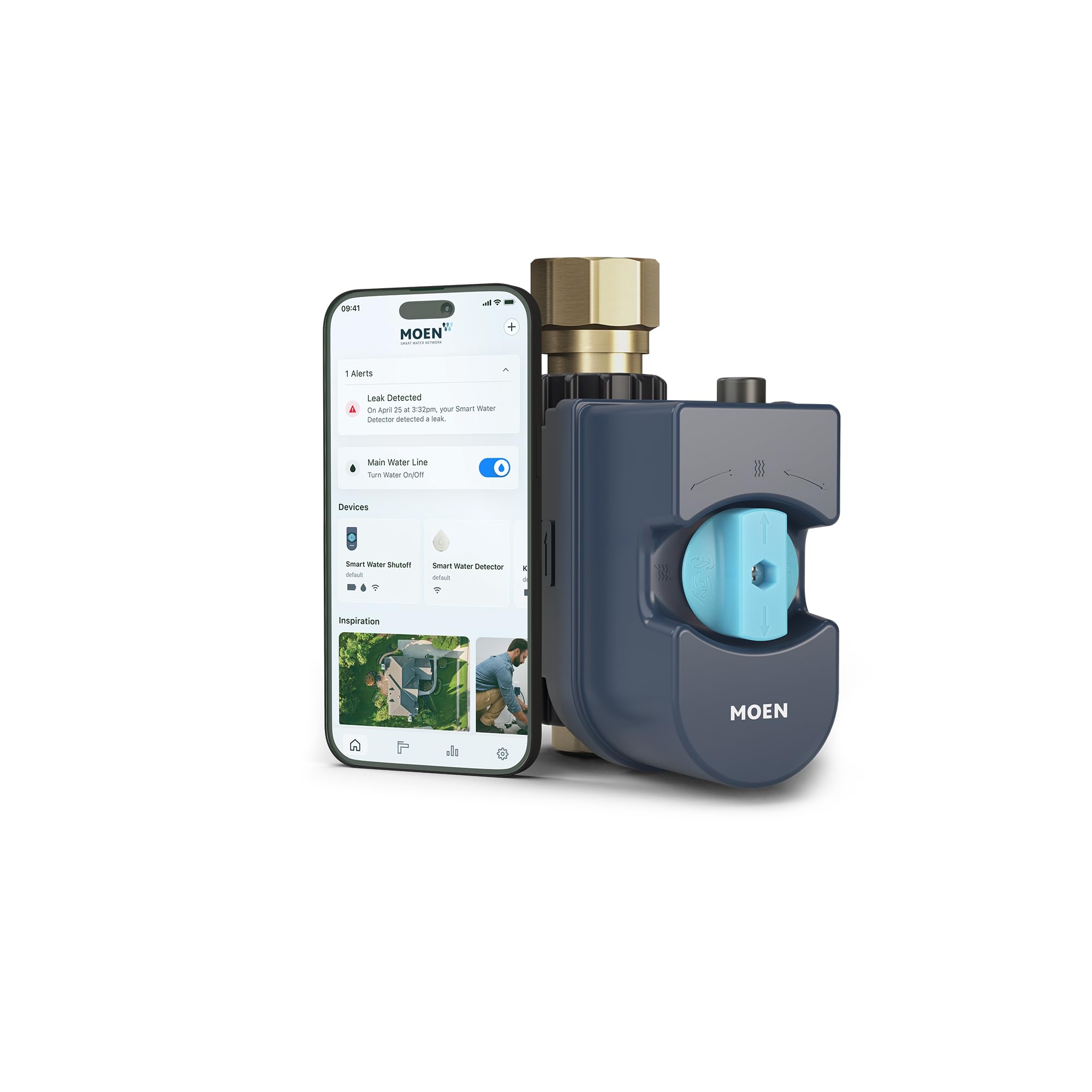
Moen Flo Smart Water Monitor and Automatic Shutoff Sensor, Wi-Fi Water Leak Detector for 3/4-Inch Diameter Pipe, 900-001 - Tub And Shower Faucets - Amazon.com
View on AmazonOptional add-ons (endorsements, meaning extra coverage you can buy):
- Scheduled personal property (jewelry, cameras, bikes) often with no deductible.
- Water backup (coverage if a drain or sump pump backs up and causes damage).
- Equipment breakdown, fine art, increased mold limits—varies by state.
- For condo owners, look for loss assessment coverage (helps when your HOA assesses you after a covered building loss).
Common exclusions:
- Flood, earthquake (separate policies needed), earth movement, neglect, wear and tear.
- In coastal areas, hurricane or wind/hail deductibles may apply as a percentage of your dwelling limit.
Replacement cost vs. ACV:
- Dwelling is typically insured at replacement cost (to rebuild). Personal property may be replacement cost—confirm in the quote and policy.
Pet Insurance (Dogs and Cats)
What’s usually offered:
- Accident & illness coverage: Diagnostics, procedures, medications for covered conditions.
- Optional wellness: Routine care like exams, vaccines.
Key terms to watch:
- Annual deductible: What you pay out of pocket each policy year before coverage starts.
- Coinsurance: Your share after the deductible (e.g., 20%).
- Annual limit: The most the policy will pay in a year.
- Waiting periods: A set time after purchase before certain claims are eligible.
Exclusions often include pre-existing conditions, breeding costs, and cosmetic procedures. Breed and age can influence price.
Term Life Insurance
Lemonade offers term life through a partner carrier with an online application and, in many cases, no medical exam. You choose the term length (how long coverage lasts) and face amount (the payout to your beneficiary if you pass away). As always, underwriting (the process of evaluating risk and setting your price) determines approval and rate.
If you’re new to life insurance and want a side-by-side of policy types and shopping steps, see our guide: Life Insurance: How to Choose the Right Policy and Get Quotes.
Car Insurance (Selected States)
Lemonade Car uses telematics (driving data from your phone) to price based on driving behavior, and offers EV-friendly features and select discounts where available. If you drive a Tesla with Full Self-Driving, check this: Lemonade Offers 50% Discount on Tesla Full Self-Driving Insurance. Availability is limited and state rules vary.
Pricing & Discounts: How Lemonade Sets Rates and What You Might Pay
Insurance pricing always depends on the details: home construction, location, claims history, credit-based insurance score (where allowed), deductible, coverage limits, pets/breeds, age/health for life insurance, and more. Lemonade is no different.
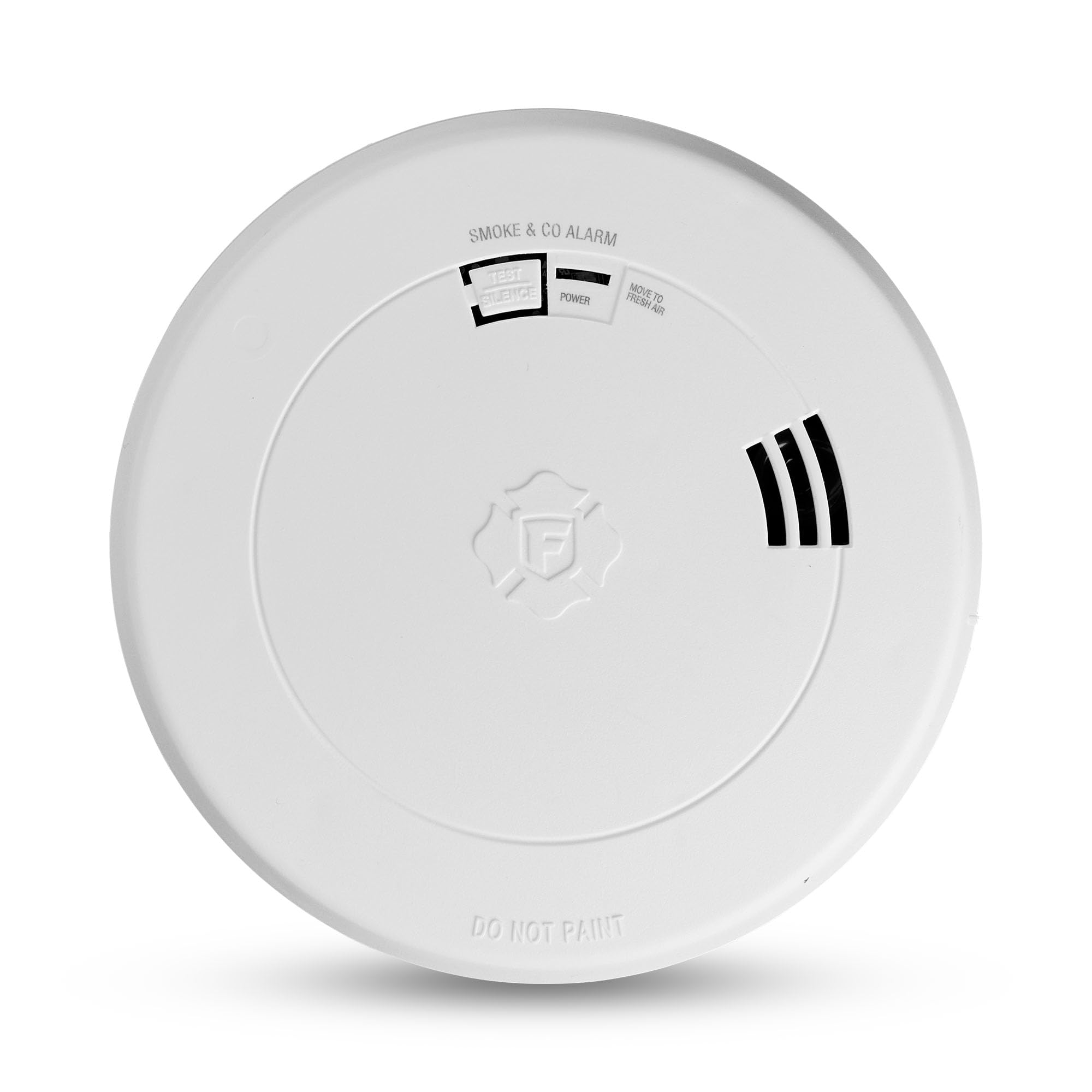
First Alert SMCO210, 10-Year Sealed Battery Combination Smoke & Carbon Monoxide Alarm with Slim Profile Design, 1-Pack : Industrial & Scientific
View on AmazonHow Lemonade approaches pricing:
- Digital distribution lowers overhead, which can help keep prices competitive in many markets.
- Telematics for car and behavior-informed underwriting data in select products can impact rates.
- Reinsurance helps manage catastrophe exposure—important in wildfire, hurricane, and hail regions, where rates can be higher.
Typical cost ranges (illustrative examples; your price will vary):
- Renters: Many shoppers report $10–$25 per month for $20,000–$30,000 personal property and $100,000–$300,000 liability in lower-risk areas. In major cities or higher-risk ZIP codes, it can be higher.
- Homeowners: Widely variable by state and home. A standard 1,800 sq. ft. home with $350,000 dwelling coverage in a moderate-risk suburb often sees $1,200–$2,400 annually across the market. Lemonade may quote inside or outside that range depending on roof age, claims, fire/wind exposure, and credits.
- Condo: Frequently between renters and homeowners pricing; common ranges are $25–$75 per month depending on the building and coverage selections.
- Pet: Roughly $20–$90 per month depending on species, breed, age, and chosen deductibles/limits.
- Term life: Market-wide, a healthy 30-year-old non-smoker might see about $15–$25 per month for a 20-year, $250,000 policy; partner underwriting rules apply.
Discounts you might see with Lemonade (vary by state and product):
- Multi-policy: Bundle renters/home with pet or other Lemonade products.
- Protective devices: Smoke detectors, security systems.
- Claims-free history.
- Pay-in-full vs. monthly installment savings.
- For auto: telematics safe-driving discounts and EV-centric savings where available.
Quick price lever: Raising your deductible (the amount you pay before insurance pays) usually lowers your premium. Make sure the deductible is an amount you can comfortably pay if something goes wrong.
Helpful next step: The fastest way to see what you would actually pay is to compare quotes from 3–5 carriers for the same limits and deductibles. Start with a Lemonade quote, then check at least two established competitors in your state. For homeowners specifics and sample shopping checklists, see our Home Insurance Guide 2026 — Compare Quotes, Coverage & Costs.
Claims & Customer Service: What to Expect
Filing a claim with Lemonade is designed to be mobile-first.
How the process typically works:
- Open the Lemonade app or website and start a claim.
- Answer a few questions about what happened and what was damaged.
- Upload photos, receipts, and sometimes a short video statement. For theft, you may need a police report.
- Smaller, straightforward claims (like a stolen bike you scheduled) can be approved quickly—sometimes instantly—with payment sent to your bank. Larger or complex claims move to a human claims team.
Timelines to expect:
- Simple renters claims: sometimes minutes to a few days.
- Homeowners water or fire damage: often days to weeks, depending on inspections, contractor estimates, and cause of loss investigations.
- Catastrophe situations (hurricanes, wildfires): timelines across the industry often stretch due to volume.
Customer support: Lemonade’s chat- and app-centric support suits people who like self-service. You can still reach human adjusters on escalated claims. Availability can vary by time and incident severity.
About NAIC complaints and state regulators:
- The National Association of Insurance Commissioners (NAIC) tracks complaint ratios by company and line of business. A score of 1.0 is average; above 1.0 indicates more complaints than expected for the company’s size.
- Complaint levels can vary year to year and by product (home vs. renters vs. pet). Before buying, it’s smart to check the most recent NAIC complaint index for “Lemonade Insurance Company” in your state and line of business.
- You can also review your state Department of Insurance’s consumer complaint portal to see patterns and any regulatory actions.
Pros and Cons: Is Lemonade a Good Fit for You?
Pros:
- Fast, easy online quotes and app-based claims; instant payouts on many small losses.
- Competitive renters and pet pricing in many ZIP codes.
- Clear add-ons for high-value items, water backup, and other common gaps.
- Giveback program and Public Benefit Corporation structure appeal to mission-driven shoppers.
- Bundling across Lemonade products can simplify billing and may reduce cost.
Cons:
- Not available everywhere; certain high-risk states or ZIPs may have limited options or higher deductibles.
- App-first service isn’t everyone’s style; complex home losses still take time and coordination.
- Coverage limits and sublimits can be tight if you don’t customize—especially for jewelry, bikes, collectibles, and business property.
- Car insurance availability is limited; telematics requires smartphone participation and may affect privacy preferences.
Best fit:
- Renters who want quick coverage and are comfortable managing insurance on their phone.
- Homeowners and condo owners with newer roofs and moderate-risk locations looking for a simple, modern policy.
- Pet parents who want an easy claims experience and clear wellness options.
Consider alternatives if:
- You live in a catastrophe-prone area needing highly customized coverage or special deductibles.
- You prefer agent-led advice with in-person support.
- You need umbrella insurance (extra liability beyond your home/auto). Lemonade offers high liability limits on home/renters, but if you need more, consider an umbrella policy—start with our Umbrella Insurance Guide: Do You Need Extra Liability Coverage?.
How to Compare Quotes: What to Check (and Who to Compare)
When you compare Lemonade to other insurers, line up the details side by side.

Insurance For Dummies?: Hungelmann, Jack
Whether you’re a homeowner or ... need on: ... Author Jack Hungelmann <strong>uses his twenty-five years of experience in the insurance industry to make buying insurance as simple as possible</strong>
Check Price on AmazonKey items to match:
- Coverage limits: For home, check Dwelling (Coverage A), Personal Property (Coverage C), Liability, and Loss of Use. For renters, focus on Personal Property and Liability.
- Deductible: Higher deductible = lower premium, but more out of pocket at claim time. Pick a number you can afford.
- Replacement cost vs. ACV: Replacement cost pays to replace with new; ACV deducts depreciation. For personal property, RCV is usually worth the extra price.
- Endorsements: Schedule jewelry/bikes, add water backup, increase special limits, add loss assessment (condo), raise mold limits where needed.
- Exclusions and special deductibles: Watch for wind/hail or hurricane percentage deductibles and water-related exclusions.
- Service and claims: Read recent reviews for your state and check NAIC complaint data.
Direct competitors to consider:
- Renters: State Farm, Allstate, Progressive/ASL, Travelers, and regional carriers.
- Homeowners/Condo: State Farm, Allstate, Travelers, Nationwide, Erie (regional), and strong local mutuals where available.
- Pet: Trupanion, Healthy Paws, Nationwide, ASPCA, Embrace.
- Life: Fabric by Gerber Life, Bestow, Ladder, and established carriers via marketplaces. If you’re weighing term options beyond Lemonade’s partner, see Life Insurance: How to Choose the Right Policy and Get Quotes.
Shopping tip: Run the same configuration with each carrier—same limits, same deductible, same endorsements—so your price comparisons are apples-to-apples.
How to Get a Quote from Lemonade (Step-by-Step)
You can quote on the app or website. Plan on 5–10 minutes for most products.
- Choose your product: Renters, Homeowners, Condo, Pet, Life, or Car (where available).
- Enter basic details: Address, home type or pet info, your contact info, and any prior claims.
- Set your limits: For renters, pick personal property (e.g., $20,000–$50,000) and liability (often $100,000–$500,000). For home, confirm Dwelling (often estimated based on rebuild cost tools—adjust if needed), Personal Property, and Loss of Use.
- Pick your deductible: Common options are $250–$2,500. Higher lowers your premium, but increases what you’ll pay if you file a claim.
- Add endorsements: Schedule jewelry/bikes, add water backup, adjust special limits, or add pet wellness. For condo, consider loss assessment.
- Review special deductibles: In some states, wind/hail or hurricane deductibles apply as a percentage of your dwelling limit.
- Confirm details: Mortgagee information for homeowners/condo, beneficiaries for life insurance, vet records for pet.
- Set your start date and payment preference: Monthly or annual (pay-in-full usually costs less).
- Purchase and save docs: You’ll get a declarations page and policy forms—download them for your records.
Smart move: Get a Lemonade quote, then compare it to at least two other carriers for the same coverage. The fastest way to see where Lemonade lands for you is to line up multiple real quotes today.
Bottom Line and Next Steps
Lemonade does the basics well—especially for renters, many condo owners, and pet parents who want a clean, digital experience and fast small-claim handling. Homeowners in moderate-risk areas may find competitive pricing and straightforward endorsements. As always, availability and pricing vary widely by state, home features, and your personal profile.
Your next steps:
- Get a Lemonade quote for the product you need.
- Pull 2–4 comparison quotes with the same limits and deductibles.
- Decide on must-have endorsements (jewelry scheduling, water backup, loss assessment).
- If you need more liability than a home or renters policy provides, explore an umbrella policy: Umbrella Insurance Guide: Do You Need Extra Liability Coverage?
- For homeowners shopping the broader market, use our checklist and examples in the Home Insurance Guide 2026 — Compare Quotes, Coverage & Costs.
If you prefer personal guidance, a licensed agent can walk through your home details, coverage gaps, and state-specific rules to help you tailor the right setup. Rates and eligibility always depend on your individual circumstances, and policy terms vary by state and insurer.
Recommended Resources
Insurance For Dummies?: Hungelmann, Jack
Whether you’re a homeowner or ... need on: ... Author Jack Hungelmann <strong>uses his twenty-five years of experience in the insurance industry to make buying insurance as simple as possible</strong>
First Alert SMCO210, 10-Year Sealed Battery Combination Smoke & Carbon Monoxide Alarm with Slim Profile Design, 1-Pack : Industrial & Scientific
Amazon.com: <strong>First Alert SMCO210</strong>, 10-Year Sealed Battery Combination Smoke & Carbon Monoxide Alarm with Slim Profile Design, 1-Pack : Industrial & Scientific
Moen Flo Smart Water Monitor and Automatic Shutoff Sensor, Wi-Fi Water Leak Detector for 3/4-Inch Diameter Pipe, 900-001 - Tub And Shower Faucets - Amazon.com
Moen Flo Smart Water Monitor and Automatic Shutoff Sensor, <strong>Wi-Fi Water Leak Detector for 3/4-Inch Diameter Pipe</strong>, 900-001 - Tub And Shower Faucets - Amazon.com
Related Articles
- Lemonade Offers 50% Discount on Tesla Full Self-Driving Insurance
- Term Life Insurance: Complete Guide to Coverage, Cost & Getting Quotes
- Home Insurance in Maine: Coverage, Costs & Best Companies
- Insurance Companies Explained: How They Work and How to Choose
- Home Insurance in Louisiana: Coverage, Costs & Best Companies
- Home Insurance Guide 2026 — Compare Quotes, Coverage & Costs
- Home Insurance in Idaho: Coverage, Costs & Best Companies
- Home Insurance in Michigan: Coverage, Costs & Best Companies