
Top-Rated Travel Insurance Companies Compared: Which Plan Is Right for Your Trip?
You want strong protection without overpaying, and you keep seeing lists of “best” plans. So which top-rated travel insurance companies actually deliver great coverage, fair pricing, and responsive claims service? Here’s a clear, side‑by‑side way to think about it.
This guide compares top-rated travel insurance companies on core coverage (trip cancellation, emergency medical, evacuation, baggage), typical policy limits and exclusions, pricing ranges, reliability, and the best fits for common traveler profiles. Because rates vary by age, trip cost, destination, and trip length, use these ranges as directional — not promises.
How we chose the top-rated travel insurance companies
We focus on providers widely available to U.S. travelers with strong financial backing and a track record of paying legitimate claims.
- Financial strength and stability: Backed by insurers with solid AM Best ratings (an independent measure of an insurance company’s ability to pay claims)
- Breadth and clarity of coverage: Robust trip cancellation/interruption, emergency medical, and evacuation limits — plus optional upgrades like CFAR (Cancel For Any Reason)
- Value and plan flexibility: Multiple tiers, reasonable per‑day pricing, and family‑friendly rules
- Claims experience: Transparent documentation requirements, typical claim timelines, and helpful support channels
We reviewed well‑known brands including Allianz Travel, Travel Guard (AIG), AXA Assistance USA, Generali Global Assistance, Travelex, Seven Corners, IMG (iTravelInsured), World Nomads, GeoBlue, and Berkshire Hathaway Travel Protection. No single company is “best” for everyone; the right choice depends on your trip and health profile.
Top-rated travel insurance companies: coverage comparison
Here’s what actually matters when comparing core protections and the typical ranges you’ll see. Insurance terms decoded along the way.
- Trip cancellation: Reimburses prepaid, nonrefundable trip costs if you cancel for covered reasons (for example, illness, injury, weather, or jury duty). Typical limit: up to 100% of insured trip cost.
- Trip interruption: Reimburses the unused portion of your trip plus extra costs to get home if you must cut it short for covered reasons. Typical limit: 125%–150% of insured trip cost.
- Emergency medical: Pays for medically necessary care during your trip. Typical single‑trip limits range from $50,000–$500,000. “Primary” medical (the plan pays first) typically means faster claims than “secondary” (your health plan pays first).
- Medical evacuation: Pays to transport you to the nearest adequate facility or back home when medically necessary. Typical limits: $250,000–$1,000,000.
- Baggage loss/delay: Covers lost/stolen baggage and essentials during delays. Typical loss limits: $500–$3,000 per person; delay benefits often $100–$200 per day after a 6–24 hour wait.
Common exclusions to watch for: pre‑existing medical conditions (unless a waiver applies), risky/adventure sports, epidemics/pandemics unless specifically covered, and travel against government advisories. Read the policy wording; definitions matter.
Below are high‑level strengths you’ll typically find by company. Always confirm your specific plan’s coverage.
- Allianz Travel: Strong all‑around coverage with popular OneTrip plans and annual multi‑trip options. Many plans include primary medical; OneTrip Prime often allows kids to be covered at no additional cost when traveling with a parent. Well‑known for broad trip cancellation triggers and easy digital tools. Underwritten by highly rated insurers.
- Travel Guard (AIG): Versatile tiers (Essential, Preferred, Deluxe) with optional CFAR. Good medical/evacuation limits at higher tiers and solid concierge/travel assistance services. Backed by AIG‑affiliated carriers with strong AM Best ratings.
- AXA Assistance USA: Competitive medical and evacuation limits, Schengen‑friendly proof of coverage, and optional CFAR on certain tiers. Financially strong backing via AXA/Nationwide‑affiliated insurers.
- Generali Global Assistance: Balanced plans with useful extras (e.g., trip delay meals/hotel allowances). Good customer resources and 24/7 travel support. Solid AM Best‑rated underwriting.
- Travelex: Family‑friendly — select plans often include kids under 17 at no extra cost when traveling with an insured adult. Competitive pricing at Standard level; strong medical/evacuation at higher tiers. Frequently primary medical. Underwritten by Berkshire Hathaway‑affiliated insurers.
- Seven Corners: Flexible plan options, including medical‑only and student/visitor variants. Good pick for travelers wanting customizable coverage or long‑duration trips. Backed by well‑rated underwriters.
- IMG (iTravelInsured): Strong for international medical benefits and evacuation; offers travel medical and comprehensive plans. Good fit for longer international travel or travelers wanting higher medical caps. Underwritten by AM Best‑rated carriers.
- World Nomads: Designed with adventure in mind — covers many (not all) adventure sports. Two plan tiers with generally higher medical limits than basic competitors; great for backpackers and activity‑heavy trips. Underwriting partners hold strong financial ratings.
- GeoBlue: Excellent for international medical coverage, especially if you want a plan tied to the Blue Cross Blue Shield network. Great evacuation benefits. Best for medical‑centric protection rather than cancellation‑heavy needs. AM Best‑rated underwriting.
- Berkshire Hathaway Travel Protection: Fast digital claims experience, strong emergency medical/evacuation on premium tiers, and innovative flight disruption coverage on select plans. Backed by Berkshire Hathaway companies with A++ financial strength.
Tip: If your main concern is the medical side, look for “primary” medical coverage and evacuation limits of at least $250,000 for international trips. If your prepaid costs are high, prioritize trip cancellation/interruption matching your full nonrefundable amount.
Pricing and value: what travel insurance really costs
Travel insurance pricing typically ranges from 4%–10% of your insured trip cost for comprehensive single‑trip plans. You’ll pay toward the lower end for younger travelers, domestic trips, and basic tiers — and toward the higher end for older travelers, high trip costs, international destinations, and premium tiers.
Typical sample ranges (illustrative only; actual quotes vary):
- Weekend domestic getaway, $800 prepaid costs, age 35: about $15–$35 for a basic plan; $40–$75 for mid‑tier with stronger medical and delay benefits.
- 7‑day international trip, $3,000 prepaid, age 40: about $80–$150 for basic; $140–$260 for mid‑tier; $220–$380 for premium with higher medical/evac/CFAR add‑ons.
- 14‑day international family trip (2 adults 40, 2 kids), $8,000 prepaid: roughly $180–$380 basic; $320–$650 mid‑tier; $500–$900 premium. Some plans include kids at no extra cost.
- Annual multi‑trip plans for frequent travelers: commonly $150–$500+ per adult per year, depending on trip length caps and medical limits.
Deductibles: Many comprehensive plans have a $0 deductible for emergency medical, though some travel medical plans (especially long‑stay) may offer deductible choices (e.g., $0–$250) to reduce premiums.
Plan tiers: Most brands offer three tiers —
- Basic: Lower cancellation/medical limits; fewer extras. Good for budget or domestic trips.
- Mid‑tier: Higher medical/evacuation limits, better delay/baggage, sometimes primary medical.
- Premium: Highest caps, CFAR option, better pre‑existing condition waiver windows, and extras like higher per‑item baggage limits.
Cost‑versus‑benefit tradeoff: If your prepaid trip costs are small but you’re heading overseas, it often makes sense to prioritize medical/evacuation (high limits, primary coverage) over top‑tier cancellation. If your trip cost is high but you’re staying in the U.S., robust cancellation/interruption may be the smarter focus.
Want more ways to keep costs in check? See our guide to smart savings without skimping on critical protection: Affordable Travel Insurance for Travelers: Get Smart Coverage Without Overpaying.
Reliability and service: how to judge claims support
What you care about: Will they be there when something goes wrong?
- AM Best financial strength: Look for underwriters rated A‑ (Excellent) or better. Many top travel insurers are backed by A to A++ carriers.
- J.D. Power and other customer satisfaction studies: Helpful directional data, but keep in mind satisfaction is influenced by whether a claim was covered — which depends on the policy’s rules, not just service quality.
- Claims acceptance rates: Most insurers don’t publish acceptance rates. Legitimate, well‑documented claims for covered reasons are typically paid. Denials usually stem from exclusions (e.g., pre‑existing conditions not waived, uncovered reasons, missed documentation).
- Average claim timelines: Straightforward claims (e.g., doctor visit reimbursement with clear receipts) are often resolved in 2–4 weeks; complex medical evacuations or high‑dollar interruptions can take 30–60 days or more.
- Common customer complaints: Surprises about exclusions, delays due to missing paperwork, or confusion about “covered reasons” vs. CFAR. Avoid these by reading the plan’s definitions, calling the insurer before care if possible, and submitting complete documentation.
Pro move: Program the 24/7 assistance number in your phone and call early when problems start (missed connection, new illness, theft). Assistance teams can pre‑approve care, arrange direct billing, and document the incident — all of which speed claims.
Best picks by traveler type and scenario
No one plan is perfect for everyone. Here’s where each top‑rated travel insurance company often shines. Always confirm your exact plan’s coverage, limits, and exclusions.

Adventure Medical Kit Ultralight/Watertight Medical Kit .5 - Up to 2 People, Up to 2 Days - Includes Bandages, Blister Essentials & More - Perfect for Hiking, Biking & Climbing
View on AmazonFrequent travelers (3+ trips/year):
- Allianz (AllTrips annual), AXA Assistance USA annual options, GeoBlue Trekker (medical‑focused), Berkshire Hathaway Travel Protection annual tiers
- Why: Convenience, per‑trip administrative savings, and medical/evac coverage that “travels with you.” Check maximum trip length per journey (often 30–90 days).
Seniors (especially 65+):
- Travelex, Travel Guard (AIG), Generali, and GeoBlue for medical‑centric needs
- Why: Plans that offer pre‑existing condition waivers when you buy soon after your first trip payment (often 10–21 days), strong evacuation limits, and clear claims support. Verify Medicare coverage abroad (often minimal) and look for primary medical.
Adventure travelers and remote destinations:
- World Nomads, IMG (iTravelInsured), Seven Corners
- Why: Broader activity coverage across hiking, diving, skiing, or other sports. Confirm your specific activity is covered (and any altitude/depth limits). Target evacuation limits of $500,000–$1,000,000 for remote areas.
Families with kids:
- Travelex and Allianz frequently stand out for child‑coverage perks and straightforward claims on everyday mishaps (ear infections, delays, lost gear). Check per‑item baggage caps for strollers/carseats and whether kids are covered at no extra cost on select plans.
- Planning a family trip? Compare what matters for parents in our guide: Best Travel Insurance for Families — Compare Coverage, Costs & Top Picks.
International medical focus (less prepaid trip risk):
- GeoBlue, IMG, Seven Corners medical‑only or lean comprehensive plans
- Why: Higher medical/evac limits and global provider networks. Great if you book flexible lodging/air and don’t need large cancellation benefits.
Domestic U.S. trips with high prepaid costs:
- Allianz, Travel Guard, Generali, AXA
- Why: Strong cancellation/interruption benefits, decent delay coverage, and user‑friendly claims portals.
Budget hunters:
- Seven Corners basic tiers, Tin Leg and other aggregator‑found value plans, and mid‑tier Travelex/AXA when on sale
- Why: Solid core protection at a lower premium. Confirm medical limits are adequate and whether medical is primary.
Students traveling abroad? Coverage needs and budgets differ. Start here: Affordable Travel Insurance for Students: Find the Right Coverage Without Overpaying.
How to compare top-rated travel insurance companies (what to look for)
Use this checklist to compare 3–5 quotes side by side — it’s the fastest way to see real prices and tradeoffs.
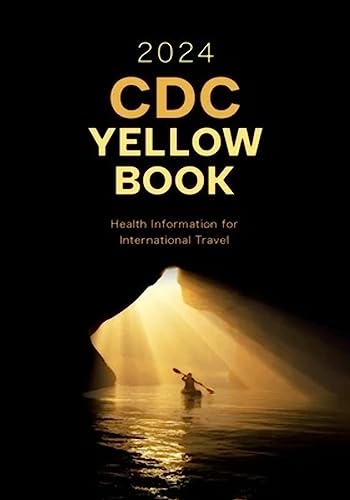
CDC Yellow Book 2024
FEATURED IN THIS EDITION: · Precautions for international travelers during the coronavirus disease 2019 (COVID-19) pandemic, including links to updated information on related CDC and US government web
Check Price on Amazon- Trip cancellation/interruption: Do covered reasons match your risks? Work requirements, illness of a family member, severe weather? If uncertain, consider CFAR (Cancel For Any Reason), which typically reimburses 50%–75% of trip cost if you cancel for a reason not otherwise covered, when purchased within the required window and you cancel within the specified timeframe.
- Pre‑existing condition waiver: If you have a health history, look for a waiver. You usually must buy within 10–21 days of your first trip payment and be medically able to travel when you purchase. Check the plan’s “lookback period” (the time insurers review your medical records for pre‑existing conditions, often 60–180 days).
- Emergency medical and evacuation limits: For international travel, target at least $100,000 medical and $250,000 evacuation; more for remote or high‑cost destinations. Prefer primary medical when available.
- Travel delay and missed connection: Look for benefit per day and total caps. Frequent connectors should prioritize higher limits and shorter waiting periods (e.g., benefits kicking in after 6–12 hours vs. 24 hours).
- Baggage coverage details: Note per‑item caps (often $250–$500), special limits for electronics/jewelry, and documentation requirements (police or carrier reports).
- Sports and activities: Verify your exact activity is covered. Some plans exclude mountaineering above certain elevations, scuba beyond specific depths, or off‑piste skiing.
- Country‑specific requirements: Schengen visas or certain destinations may require a minimum medical limit and proof of coverage.
- Primary vs. secondary medical: Primary pays first and often faster. Secondary requires you to file with your health insurer first.
- 24/7 assistance quality: You want a responsive assistance line that can arrange care, direct bill hospitals when possible, and coordinate evacuations.
Still have questions about what’s covered? Check our quick FAQ: Travel Insurance: Common Questions Answered.
Real‑world examples: what coverage looks like in practice
Example 1: 35‑year‑old non‑smoker, Texas, $3,000 Italy trip, 8 days. Priorities: medical/evac, some cancellation.
- Typical pick: Mid‑tier plan from Allianz, AXA, or Travelex with $100,000–$250,000 medical and $500,000–$1,000,000 evacuation, 100% cancellation and 150% interruption.
- Expected premium range: About $120–$220 depending on tier and options. CFAR add‑on may add 40%–60% to the base premium.
Example 2: Family of four, 7‑day Disney trip, $6,500 prepaid, domestic flights.
- Typical pick: Family‑friendly plan (Travelex or Allianz) with no‑cost child coverage, strong trip interruption (150%) and solid delay (e.g., $200/day).
- Expected premium range: Roughly $220–$450 depending on medical limits and perks.
Example 3: 68‑year‑old traveler, 14‑day Japan tour, $7,000 prepaid, blood pressure managed with medication.
- Typical pick: Travel Guard, Generali, or GeoBlue/IMG with high medical/evac limits and a pre‑existing condition waiver (buy within the plan’s required window). Prefer primary medical.
- Expected premium range: Approximately $380–$800 based on age, limits, and CFAR.
Note: These are illustrative and not guarantees. Your actual price depends on age, state, trip cost/length, destination, plan tier, and add‑ons.
Quick buying guidance and common pitfalls
- Buy early: If you want the pre‑existing condition waiver or CFAR, purchase within the plan’s time window (often 10–21 days from your first trip payment).
- Insure the full nonrefundable amount: Underinsuring can reduce cancellation/interruption payouts proportionally.
- Document everything: Save receipts, medical notes, carrier delay letters, and police or property reports. Missing paperwork slows or jeopardizes claims.
- Call assistance first (when possible): For hospitalizations, evacuations, or costly changes, your insurer’s assistance team can pre‑approve and coordinate benefits.
- Mind the definitions: “Family member,” “covered illness,” or “weather” can be defined differently across plans.
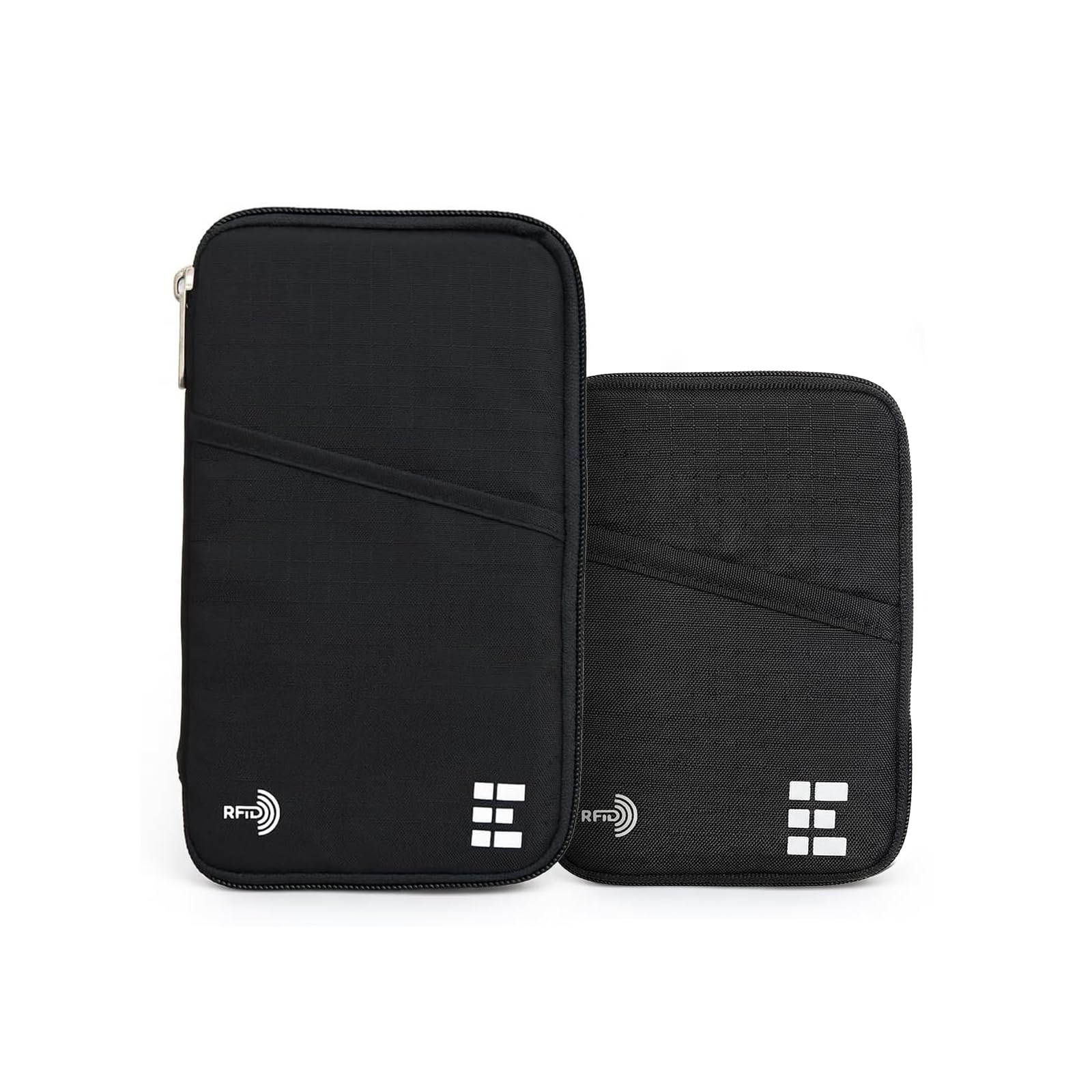
Amazon.com | Zero Grid RFID Family Passport Holder for up to 6 Passports, Large Zippered Wallet for Men & Women, Fits Cards, Cash, ID, Sim Card, AirTag; Premium & Compact Travel Document Holder - Midnight Black | Passport Wallets
View on AmazonReady to see your real price?
The smartest next step is to compare quotes from 3–5 top‑rated carriers for your exact trip details. It’s the fastest way to see what you’d actually pay, which benefits change the price, and whether CFAR or higher medical limits are worth it for your itinerary. Quotes are free, and you can usually buy online in minutes.
If you’re traveling with kids or extended family, start with family‑friendly plans and price out a mid‑tier option — it often hits the sweet spot of value and protection.
A note on personalized advice
Travel insurance is regulated at the state level and policy terms vary. For complex medical histories, adventure activities, or long‑duration travel, consider speaking with a licensed insurance agent who can review your situation and explain differences between plans before you buy.
The bottom line: pick the plan that fits your trip
- International and remote: Favor higher medical/evacuation and primary coverage.
- High prepaid costs: Prioritize full‑amount cancellation/interruption and consider CFAR.
- Families and seniors: Look for pre‑existing condition waivers, kid‑coverage perks, and easy claims support.
- Frequent flyers: Consider annual plans with per‑trip length that matches your travel pattern.
Last step: Compare a few quotes side by side, then choose the plan that cleanly matches your risks and budget. You’ll travel with more confidence — and fewer surprises.
Recommended Resources
CDC Yellow Book 2024
FEATURED IN THIS EDITION: · Precautions for international travelers during the coronavirus disease 2019 (COVID-19) pandemic, including links to updated information on related CDC and US government web
Amazon.com | Zero Grid RFID Family Passport Holder for up to 6 Passports, Large Zippered Wallet for Men & Women, Fits Cards, Cash, ID, Sim Card, AirTag; Premium & Compact Travel Document Holder - Midnight Black | Passport Wallets
RFID Protection: Wallet <strong>includes 7 RFID blocking sleeves to help protect passports and cards from unauthorized scans while traveling domestically or internationally</strong>.
Adventure Medical Kit Ultralight/Watertight Medical Kit .5 - Up to 2 People, Up to 2 Days - Includes Bandages, Blister Essentials & More - Perfect for Hiking, Biking & Climbing
Buy Adventure Medical Kit Ultralight/Watertight Medical Kit .5 - Up to 2 People, Up to 2 Days - Includes Bandages, Blister Essentials & More - Perfect for Hiking, Biking & Climbing on Amazon.c
Related Articles
- Affordable Travel Insurance for Travelers: Get Smart Coverage Without Overpaying
- Best Travel Insurance for Families — Compare Coverage, Costs & Top Picks
- How to Choose the Right Travel Insurance: A Practical Guide to Coverage, Cost, and Claims
- Affordable Travel Insurance Options: How to Find Budget Coverage That Still Protects You
- Types of Travel Insurance Policies — Which One Is Right for Your Trip?
- How to Save on Travel Insurance: Smart Ways to Cut Premiums Without Losing Essential Coverage
- Affordable Travel Insurance for Students: Find the Right Coverage Without Overpaying
- Best Insurance Companies 2026 — Top Picks & How to Choose