
Best Pet Insurance 2026: Compare Plans for Dogs & Cats
You want the best pet insurance, but quotes and coverage terms can feel like alphabet soup. Here’s the plain-English version of what actually matters, which companies typically rise to the top, and how to compare plans for your dog or cat without overpaying. The fastest path to real numbers is to compare quotes side by side, but this guide will get you grounded before you click “buy.”
Quick take — Best pet insurance at a glance
Here are our top picks and who they’re typically best for. Your pet, your state, and your budget will sway the results, so use this as a smart starting point — not a guarantee.
- Best overall: Embrace — Broad accident/illness coverage, strong dental illness coverage, and a unique vanishing deductible (your deductible — the amount you pay out of pocket before insurance pays — drops $50 each year you don’t have a claim). Solid value across breeds and ages.
- Best budget: Lemonade — Frequently low premiums, app-first claims, and fast reimbursements in many cases. Great for value hunters willing to manage everything digitally. Availability and options vary by state.
- Best for seniors: ASPCA Pet Health Insurance — No upper age limit for enrollment in most cases, plus accident-only choices if illness coverage gets too pricey for older pets.
- Best for dogs: Trupanion — 90% reimbursement (the percentage of vet bills the insurer pays after your deductible) with no payout caps and optional direct pay to many vets. Often pricier, but compelling for high-cost dog breeds.
- Best for cats: Figo — Competitive cat pricing, flexible reimbursement options, and handy 24/7 tele-vet features. Strong choice for indoor cats where you want solid coverage at a good price.
- Best for wellness/dental: Fetch — Notable dental coverage (dental illness for all teeth, not just canines/incisors, subject to policy terms) and robust accident/illness benefits. Good if oral care matters to you.
Want to see your actual price? Compare plans and get personalized quotes in minutes: Pet Insurance: Compare Plans, Coverage & Get a Quote
Top pet insurance plans
Embrace — Best overall
Why it stands out:
- Broad accident/illness coverage including hereditary conditions (genetic issues like hip dysplasia), chronic conditions (ongoing illnesses like allergies), and dental illness up to your annual limit.
- Vanishing deductible lowers what you pay out of pocket in claim-free years.
- Multiple reimbursement choices (often 70%, 80%, 90%) and annual max options (commonly $5,000 to unlimited, depending on state).
Consider it if:
- You want balanced coverage, flexible plan design, and solid dental protection.
Keep in mind:
- Rates rise as pets age and can be higher for large or brachycephalic (short-nosed) breeds.
Typical monthly cost examples (estimates; your price will vary):
- 2-year-old mixed-breed dog: $35–$60 for a mid-tier plan
- 2-year-old domestic shorthair cat: $18–$30 for a mid-tier plan
Lemonade — Best budget
Why it stands out:
- Frequently among the lowest premiums in many states for dogs and cats.
- App-based onboarding and claims, with fast reimbursements for straightforward claims.
- Optional wellness add-ons in many locations.
Consider it if:
- You want a digital-first experience and a shot at the lowest price.
Keep in mind:
- Availability, add-ons, and waiting periods vary by state. Some vet exam fees (the charge just for being seen) may require add-ons.
Typical monthly cost examples (estimates; your price will vary):
- 1-year-old Labrador Retriever: $30–$55 (mid-tier)
- 1-year-old cat: $15–$25 (mid-tier)
ASPCA Pet Health Insurance — Best for seniors
Why it stands out:
- Typically no upper age limit for enrollment; accident-only options can keep coverage affordable for older pets.
- Coverage for hereditary and chronic conditions after waiting periods, subject to policy terms.
- Flexible annual limits and reimbursement choices.
Consider it if:
- Your dog or cat is older, or you want the option to scale back to accident-only to control costs.
Keep in mind:
- Illness coverage for seniors can still be pricey; accident-only is cheaper but excludes illnesses (conditions like diabetes or kidney disease).
Typical monthly cost examples (estimates; your price will vary):
- 10-year-old dog (accident/illness): $70–$130 depending on breed and location
- 10-year-old cat (accident/illness): $35–$70
- Accident-only can be materially cheaper for both
Trupanion — Best for dogs
Why it stands out:
- 90% reimbursement, no annual or lifetime caps — valuable for high-cost surgeries (like cruciate ligament tears or foreign body removal).
- Vet direct pay at many clinics, which can reduce your upfront out-of-pocket.
- Simple plan design; fewer knobs to turn means fewer surprises.
Consider it if:
- You have a breed prone to expensive issues (e.g., French Bulldog, German Shepherd, Golden Retriever) or you want to cap your downside on big bills.
Keep in mind:
- Premiums are often higher than competitors; limited ability to change key levers beyond deductible.
Typical monthly cost examples (estimates; your price will vary):
- 2-year-old Golden Retriever: $70–$130
- 2-year-old French Bulldog: $90–$170
If you’re comparing dog-specific options, see our guide: Best Pet Insurance for Dogs: Compare Top Providers, Costs, and How to Choose the Right Plan
Figo — Best for cats
Why it stands out:
- Competitive cat pricing in many ZIP codes.
- Flexible reimbursement choices (often 70%, 80%, 90%; 100% in some states) and optional wellness features.
- Useful app features, including access to live vet chat in many plans.
Consider it if:
- You want strong value and modern features for indoor or mixed-lifestyle cats.
Keep in mind:
- Waiting periods and plan options vary by state; 100% reimbursement isn’t available everywhere.
Typical monthly cost examples (estimates; your price will vary):
- 1-year-old domestic shorthair: $14–$24
- 5-year-old domestic longhair: $18–$35
Shopping for cat-specific savings? Start here: Affordable Cat Insurance: How to Find the Cheapest Quality Coverage for Your Feline
Fetch — Best for wellness/dental focus
Why it stands out:
- Notable dental illness coverage (covers every adult tooth, subject to terms and annual limits; routine cleanings typically require a wellness add-on when available).
- Good overall accident/illness benefits and coverage for behavioral issues and alternative therapies in many states.
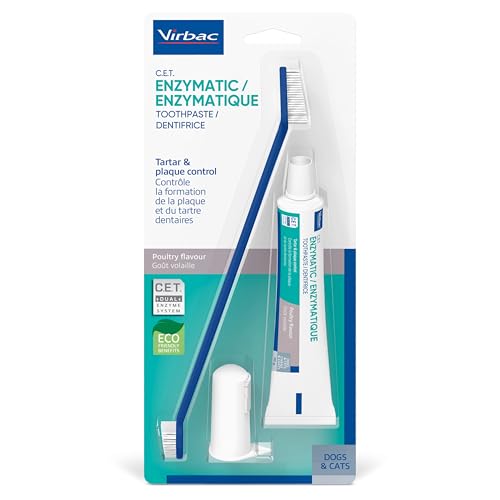
Virbac C.E.T. Oral Hygiene Kit for Cats and Dogs | 3 Piece Set with Dual Ended Toothbrush, Fingerbrush, and Poultry Flavor 2.5 oz tube of Toothpaste | Remove Plaque & Tartar Buildup : Pet Toothbrushes : Pet Supplies
View on AmazonConsider it if:
- You care a lot about dental disease coverage and want a robust accident/illness core.
Keep in mind:
- Dental coverage still hinges on routine care requirements (e.g., annual exams/cleanings) spelled out in your policy.
Typical monthly cost examples (estimates; your price will vary):
- 3-year-old mixed-breed dog: $40–$75
- 3-year-old cat: $20–$35
Honorable mentions:
- Healthy Paws — Known for simple, broad coverage (age limits may apply for new enrollment).
- Pets Best — Customizable plans with lower budget options.
- MetLife — Multi-pet and employer discounts in many cases; fast enrollment.
- Nationwide — Comprehensive options and wellness combos in some states; availability varies.
How pet insurance works
At a high level, pet insurance reimburses you for covered vet bills when your pet gets hurt or sick. Here’s how the moving parts fit together.

The First-Aid Companion for Dogs & Cats (Prevention Pets)
Open The First-Aid Companion for Dogs and Cats by Amy D. Shojai and learn: * <strong>Basic first-aid techniques, such as cleaning a wound, making a splint, and performing CPR-- step-by-step!</strong>
Check Price on AmazonCoverage types
- Accident-only: Covers injuries (like fractures, ingestion of a sock) but not illnesses (like ear infections or cancer). Cheapest option; good for older pets when illness plans are too expensive.
- Accident & illness: Covers injuries plus illnesses after waiting periods. This is the most common choice for meaningful protection.
- Wellness add-ons: Preventive care (annual exams, vaccines, flea/heartworm prevention). Wellness is usually not “insurance” — it’s a prepaid budget for routine care; it won’t cover emergencies.
Key levers you choose
- Deductible: The amount you pay out of pocket before the insurer reimburses. Annual deductibles (you pay it once per policy year) are most common; some carriers use per-incident deductibles (you pay for each new condition). Higher deductibles usually lower your monthly premium.
- Reimbursement rate: The insurer’s share of the bill after deductible — usually 70%, 80%, or 90%. A lower reimbursement rate lowers your premium but raises your share of each claim.
- Annual coverage limit: The max the insurer pays in a policy year (e.g., $5,000, $10,000, or unlimited). Unlimited reduces the risk of hitting a cap but costs more.
Waiting periods (the time before coverage kicks in)
- Accidents: Typically 1–3 days.
- Illnesses: Typically 14 days.
- Orthopedic issues (like cruciate ligament tears) and hip dysplasia: Often have longer waits (e.g., 6 months), sometimes with early-exam waivers. This varies widely by carrier and state.
What’s commonly covered
- Emergencies (toxins, foreign objects, injuries)
- Illnesses (vomiting/diarrhea, infections, diabetes, cancer)
- Hereditary/congenital issues (if not pre-existing and after waiting periods)
- Diagnostics (X-rays, ultrasounds, lab tests)
- Treatments (surgery, hospitalization, prescription meds)
- Some therapies (acupuncture, chiropractic) and behavioral treatment — policy- and state-specific
What’s commonly excluded
- Pre-existing conditions (anything showing signs or symptoms before your policy starts or during waiting periods)
- Routine/preventive care unless you add wellness
- Cosmetic procedures and breeding/pregnancy-related costs
- Experimental treatments
Real-world example
- Your 2-year-old Lab tears a cruciate ligament. The surgery plus rehab costs $4,000. With an 80% reimbursement and a $500 annual deductible, your out-of-pocket is: first you pay the $500 deductible, then 20% of the remaining $3,500 = $700. Total you pay: $1,200. Insurance reimburses about $2,800. If you’d chosen a $250 deductible and 90% reimbursement, you’d pay less on claims but more each month.
What to compare before you buy
Use this checklist to cut through the marketing.
- Pre-existing condition rules: Look for how “curable conditions” are handled (e.g., many carriers will cover a resolved ear infection after 180 days symptom-free). Anything present before the policy or during waiting periods is typically excluded.
- Orthopedic/hip dysplasia rules: Knee injuries and hip dysplasia can have special waits and exam requirements. Ask about any bilateral condition clause (if the left knee tears, is the right knee excluded as pre-existing?).
- Dental: Distinguish between dental accident (tooth fracture) vs. dental illness (periodontal disease). Many plans exclude dental illness unless spelled out.
- Exam fees: Some policies exclude the vet exam fee (the charge just for being seen); that can add up. Check if it’s covered or needs an add-on.
- Prescription foods and supplements: Usually excluded unless therapeutic and explicitly covered.
- Behavioral care and alternative therapies: Coverage varies and can be capped.
- Annual/lifetime limits: Unlimited costs more but avoids cap anxiety; $5k–$15k annual limits can be a sweet spot for many pets.
- Reimbursement model: Percentage of invoice vs. a benefit schedule (fixed amounts per condition). Most top carriers use percentage-of-invoice, which is simpler.
- Deductible type: Annual (easier to understand) vs. per-incident (can be costly for frequent, unrelated issues but can favor big one-off problems).
- Age rules: Some carriers won’t start new illness coverage for very old pets; others will. Accident-only is often available at any age.
- Discounts: Multi-pet (often 5–10%), paying annually, employer/association perks. Stack what you can.
Ready to see real prices where you live? Start with 3–5 quotes — it’s the fastest way to see how carriers treat your pet’s breed and age: Pet Insurance: Compare Plans, Coverage & Get a Quote
Estimated costs and sample quotes
These ballpark ranges come from 2026 sample quote checks across popular carriers and public filings. Your price will vary by pet, postal code, plan settings, and underwriting updates.
By species and age (mid-tier accident/illness plan, 80% reimbursement, $500 deductible, $10k annual max when available):
- Dogs
- Puppy (8–12 weeks): $25–$45/month
- 1–2 years: $30–$70/month
- 5–6 years: $45–$95/month
- 8–10 years: $70–$140+/month
- Cats
- Kitten (8–12 weeks): $12–$22/month
- 1–2 years: $15–$35/month
- 5–6 years: $20–$45/month
- 10+ years: $30–$70+/month
Breed snapshots (illustrative, 2-year-old, same plan settings as above):
- Dogs
- French Bulldog: $65–$150
- Golden Retriever: $50–$110
- German Shepherd: $55–$120
- Mixed-breed (40–60 lbs): $35–$80
- Cats
- Domestic shorthair: $15–$30
- Ragdoll/Maine Coon: $20–$40
Savings scenarios you can actually use
- Raise your deductible: Moving from $250 to $500 or $750 can lower premiums 10–30% in many cases.
- Lower reimbursement: Dropping from 90% to 80% (or 70%) can shave another 10–20%, but budget for a larger slice of each claim.
- Choose a reasonable annual max: Many families find $10k is a practical sweet spot vs. unlimited. If you want unlimited, get quotes both ways.
- Consider accident-only for seniors: When illness premiums spike, accident-only keeps emergency coverage for fractures, toxins, and traumas at a fraction of the cost.
- Stack discounts: Multi-pet (often 5–10%), paying annually, and employer/association perks when offered.
Note on exotic pets: Dogs and cats dominate the market, but coverage for birds, reptiles, and small mammals exists through a few providers. If Polly or your bearded dragon is part of the family, read this first: Exotic Pet Insurance: What Owners Need to Know About Coverage, Costs, and Choosing a Policy
How we chose — methodology and regulatory notes
Our ratings blend price, coverage depth, flexibility, and real-world usability. Specifically, we scored carriers on:
- Coverage breadth: Accident/illness scope, hereditary/congenital conditions, chronic illness, cancer care, dental illness vs. accident-only, behavioral treatment, and alternative therapies.
- Value: Typical pricing relative to coverage, plus availability of discounts and meaningful plan levers (deductibles, reimbursement, annual maxes).
- Claims experience: Turnaround times, app/portal usability, direct vet pay options, and customer satisfaction signals where available.
- Limits and exclusions: Clarity and fairness of pre-existing condition definitions, orthopedic/hip dysplasia rules, bilateral condition clauses, and benefit schedules vs. percentage-of-invoice models.
- Flexibility for seniors: Age limits for new enrollment, accident-only options, and how rates typically trend by age and breed.
- Dental and wellness: Whether dental disease is covered (not just injuries) and the practicality of wellness add-ons.
We also consider regulatory context. Many states are adopting versions of the NAIC Pet Insurance Model Law, which strengthens disclosures around pre-existing conditions, waiting periods, and consumer rights. Depending on your state:
- You may get a “free look” period (often 30 days) to cancel for a full refund if you haven’t filed a claim.
- Insurers must clearly disclose waiting periods, exclusions, and how pre-existing conditions are defined.
- You can check complaint records and licensing status with your state’s Department of Insurance.
If something in a policy feels unclear, ask the carrier to confirm in writing, save the email, and consider speaking with a licensed agent for help interpreting the fine print in your state.
FAQs, claims tips, and next steps
Common questions
- Is pet insurance worth it? If paying a surprise $2,000–$6,000 vet bill would strain your budget, insurance is a safety net. You’re trading a known monthly cost for protection against big, unpredictable expenses. The math works best for breeds prone to costly issues and for owners who prefer budget certainty.
- Are pre-existing conditions ever covered? Typically no. Some carriers cover “curable” issues once symptom-free for a set window (often 180 days). The specifics are in your policy.
- Can I use any vet? Most pet insurance is reimbursement-based and lets you visit any licensed vet, including specialists and ER clinics. Trupanion’s direct pay is available at many clinics but not all.
- How fast are claims paid? Simple claims can be reimbursed in days; complex ones take longer. Direct pay (when available) can reduce your upfront burden.
- Does wellness make sense? If you want help budgeting for routine care, it’s convenient. It usually won’t “save” money versus paying your vet directly, but it can keep you consistent with preventive care.

Adventure Medical Kits Me & My Dog Medical Kit - Human & Canine First Aid Essentials - Includes Cold Pack, SOL Emergency Blanket, Splinter Picker & More : Pet Supplies
View on AmazonClaims tips that save headaches
- Get detailed invoices and medical notes: Claims teams need diagnosis codes or clear descriptions of what happened and when symptoms started.
- File promptly: Many policies have filing windows (e.g., 90 days). Don’t let that lapse.
- Ask about pre-approvals: For big procedures, some carriers will pre-review a treatment plan so you know what’s covered.
- Keep records of wellness: If dental illness coverage requires annual exams/cleanings, document them to avoid denials.
- Explore direct pay: If your vet supports it (e.g., Trupanion), it can reduce your upfront costs.
Your next step
- The smartest way to see what you’d actually pay — and which carrier likes your pet’s breed and age — is to compare 3–5 quotes with the same settings (deductible, reimbursement, annual max), then tweak one setting at a time to see the trade-offs. Start here: Pet Insurance: Compare Plans, Coverage & Get a Quote
A quick note on advice
- We’re big on DIY tools, but if you want personalized help, a licensed agent can unpack state-specific rules, explain policy language, and pressure-test edge cases. Your vet is also a goldmine for breed-specific risk and treatment cost realities.
Bottom line: The “best pet insurance” is the one that balances price, coverage, and claims experience for your specific pet. Use the picks above as a map, then let quotes — and each policy’s fine print — guide your final choice.
Recommended Resources
The First-Aid Companion for Dogs & Cats (Prevention Pets)
Open The First-Aid Companion for Dogs and Cats by Amy D. Shojai and learn: * <strong>Basic first-aid techniques, such as cleaning a wound, making a splint, and performing CPR-- step-by-step!</strong>
Adventure Medical Kits Me & My Dog Medical Kit - Human & Canine First Aid Essentials - Includes Cold Pack, SOL Emergency Blanket, Splinter Picker & More : Pet Supplies
Emergency Equipment: <strong>Featuring an emergency cold pack and a SOL emergency blanket</strong>, the adventure dog medical kit is ready to assist in treating shock and injuries on the go · Practica
Virbac C.E.T. Oral Hygiene Kit for Cats and Dogs | 3 Piece Set with Dual Ended Toothbrush, Fingerbrush, and Poultry Flavor 2.5 oz tube of Toothpaste | Remove Plaque & Tartar Buildup : Pet Toothbrushes : Pet Supplies
Full content visible, double tap to read brief content. ... CET Dental Hygiene Kits <strong>includes a double sided toothbrush for all sizes of pets, Finger toothbrush and CET Poultry Toothpaste</stro
Related Articles
- Best Pet Insurance for Dogs: Compare Top Providers, Costs, and How to Choose the Right Plan
- Pet Insurance: Compare Plans, Coverage & Get a Quote
- Affordable Cat Insurance: How to Find the Cheapest Quality Coverage for Your Feline
- Pet Insurance with Wellness Coverage: What It Covers, Costs, and How to Choose
- Financial Planning for Pet Insurance: Budgeting, Comparing Coverage, and Protecting Your Savings
- Exotic Pet Insurance: What Owners Need to Know About Coverage, Costs, and Choosing a Policy
- Pet Insurance Claims: What to Gather, How to File, and How to Handle Denials
- Best Insurance Companies 2026 — Top Picks & How to Choose