
Health Insurance in Michigan: Plans, Costs & How to Enroll
You’re shopping for health insurance in Michigan and want straight answers: Which plans are available, what will it actually cost, and how do you enroll without missing something important? Here’s what matters, in plain English, with Michigan-specific details so you can pick confidently.
Health insurance in Michigan: your main options
Michigan residents typically get coverage through one of these routes:
- The ACA marketplace (HealthCare.gov) – individual and family plans you buy yourself. These are sometimes called “Obamacare” plans and must cover essential health benefits, preexisting conditions, and free preventive care.
- Medicaid/Healthy Michigan Plan – free or low-cost coverage if your income is limited. Medicaid eligibility depends on household size and income.
- Employer-sponsored coverage – plans offered at work. Your employer pays part of the premium in most cases.
- Medicare – for most people 65+ and certain individuals with disabilities. If you’re eligible for Medicare, marketplace plans aren’t for you.
- Private off-marketplace or short-term plans – non-ACA plans exist, but they can exclude preexisting conditions and skip key benefits. In most cases, a marketplace plan with a subsidy is a better deal and better protection.
Common insurers you’ll see on Michigan’s marketplace (availability varies by county) include Priority Health, Blue Care Network (BCN), HAP (Health Alliance Plan), McLaren, and Ambetter from Meridian. Networks and pricing differ by region—what’s affordable in Detroit may look different in Grand Rapids, Lansing, or the Upper Peninsula.
Average health insurance premiums in Michigan by plan type and age
Here’s what people really want to know: what does it cost? Before subsidies (tax credits that lower your monthly bill), recent Michigan rate filings suggest the following ballpark monthly premiums for a single 40-year-old non-smoker:
- Bronze plans (lower premiums, higher deductibles): typically $280–$380/month
- Silver plans (mid-range premiums, moderate deductibles): typically $350–$460/month
- Gold plans (higher premiums, lower deductibles): typically $420–$550/month
Age matters under the ACA’s age-rating rules (insurers can charge older adults up to 3x more than younger adults):
- A 21-year-old typically pays about 25–30% less than a 40-year-old
- A 60-year-old may pay around 2x what a 40-year-old pays
Important definitions as you compare costs:
- Deductible: the amount you pay out of pocket before insurance starts covering most non-preventive care.
- Copay: a flat fee (for example, $30) you pay for a service like a doctor visit.
- Coinsurance: a percentage you pay (for example, 20%) after you meet the deductible.
- Out-of-pocket maximum (OOP max): the most you’ll pay in a year for covered, in-network care. After you hit this, the plan pays 100% for the rest of the year.
Now, the game-changer: most Michigan shoppers qualify for federal subsidies on HealthCare.gov. After subsidies, many people see premiums far below the sticker price—often under $100/month, and sometimes even $0 for Bronze or low-cost Silver if income is modest. Your final price depends on income, household size, your county, tobacco status, and the plan you pick.
Two quick Michigan examples (for illustration only; real quotes vary):
- Single, 28, non-smoker in Kent County earning $28,000/year (about 190% of the federal poverty level, or FPL): often qualifies for a sizable premium tax credit and strong cost-sharing reductions on a Silver plan. Net premium commonly under $75/month with a lower deductible than normal Silver.
- Couple, both 60, non-smokers in Wayne County with $55,000 household income: despite higher base premiums due to age, the tax credit caps how much of income they spend on the benchmark Silver plan, often making coverage far more affordable than the list price suggests.
Rates change annually and vary widely by county and insurer. The fastest way to see what you would actually pay is to compare quotes from 3–5 carriers for your ZIP code.
Michigan Medicaid eligibility and enrollment
Michigan expanded Medicaid under the Healthy Michigan Plan (HMP). For many adults ages 19–64, HMP covers you if your household income is up to 138% of the FPL (that’s roughly the federal guideline plus a standard 5% disregard). There’s no asset test in most cases. Coverage typically includes doctor visits, hospital care, prescriptions, mental health, and more, with little to no premiums.
- Children and teens may qualify for Medicaid or MIChild (Michigan’s Children’s Health Insurance Program) at higher income levels than adults. MIChild usually has very low monthly premiums and comprehensive benefits.
- Pregnant people typically qualify at higher income thresholds and receive robust prenatal and postpartum coverage.
How to apply: You can apply year-round through MI Bridges (the state benefits portal) or with help from local agencies. If you’re approved, coverage can start retroactively in some cases to help with recent medical bills. If your income changes later, report it right away—eligibility can go up or down during the year.
Tip: If your income is just a bit too high for Medicaid, you may still get a $0 or very low-cost marketplace plan thanks to premium tax credits.
Michigan health insurance marketplace: open enrollment and special periods
Michigan uses the federal marketplace at HealthCare.gov.
Open Enrollment (most years):
- November 1 to January 15
- Enroll by December 15 for coverage starting January 1
- Enroll December 16–January 15 for coverage starting February 1
Special Enrollment Periods (SEPs): You can enroll outside Open Enrollment if you have a qualifying life event, such as:
- Losing other qualifying coverage (for example, aging off a parent’s plan at 26, job loss)
- Moving to Michigan or moving within Michigan to a new rating area
- Marriage or divorce
- Having a baby or adopting
There’s also an ongoing low-income SEP on HealthCare.gov in many years for households up to 150% FPL who qualify for premium tax credits—meaning you can sign up year-round. Rules can change, so always check your current eligibility.
Medicaid and MIChild are open for enrollment all year.
Catastrophic plans: If you’re under 30 or qualify for a hardship exemption, you can consider a catastrophic plan (very low premium, very high deductible). These cover essential benefits and three primary care visits before the deductible, but most people who qualify for subsidies will get better value from a Bronze or Silver plan.
Short-term plans in Michigan: These can be sold in Michigan but are not ACA-compliant. They often exclude preexisting conditions, may cap benefits, and can deny claims for technicalities. For most shoppers, an ACA marketplace plan is safer and usually more affordable after subsidies.
How to compare and choose the best health plan in Michigan
Here’s the checklist our team uses when helping Michigan families pick a plan.
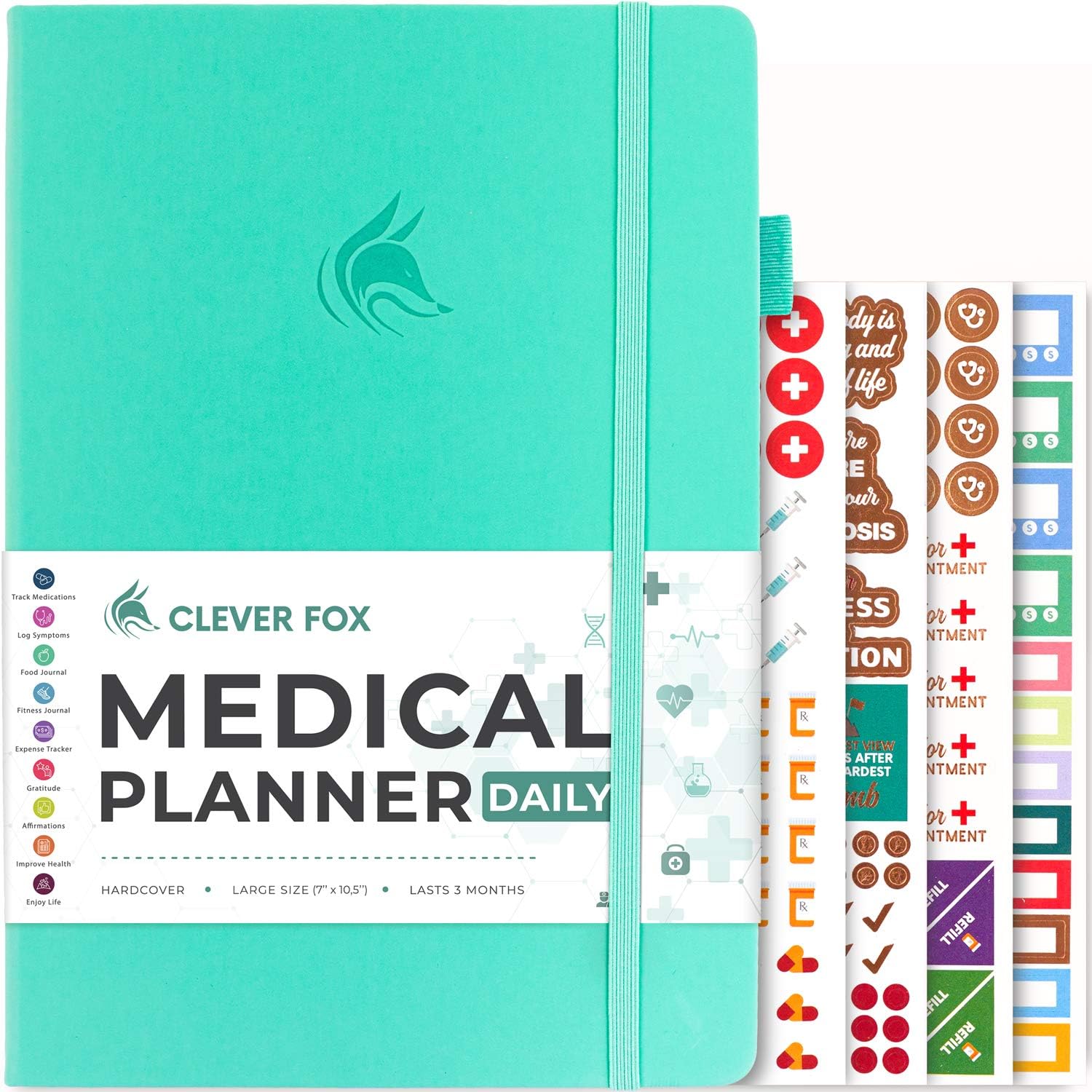
Clever Fox Medical Planner Daily – Health Diary Notebook, Wellness Journal & Self-Care Logbook, Lasts 3 Months, 7x10.5″ (Light Pink)
View on Amazon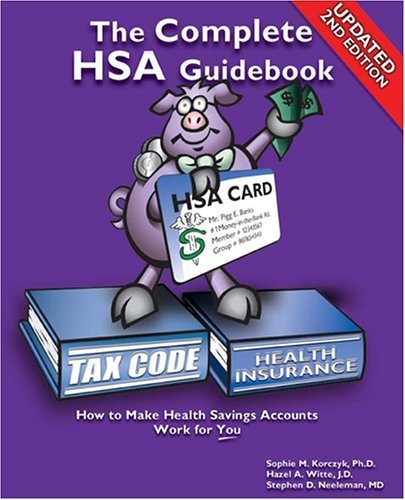
The Complete HSA Guidebook (Updated Second Edition): MD Stephen D. Neeleman
Industry experts are hailing The Guidebook as the first quality publication of its kind and a necessary resource to help accelerate the adoption of HSAs. HealthEquity's CEO and co-founder Stephen
Check Price on Amazon- Start with your doctors and hospitals
- Network: The list of doctors and hospitals that take your plan. HMO (Health Maintenance Organization) networks require you to stay in-network and often need referrals. PPO (Preferred Provider Organization) plans allow some out-of-network coverage, usually at higher cost. EPO (Exclusive Provider Organization) sits in between—no referrals, but typically no out-of-network coverage except emergencies.
- Action step: Make a list of your providers and check each plan’s directory before you enroll. In southeast Michigan, one plan might include your hospital system, while a west Michigan plan might not.
- Check your prescriptions
- Formulary: The plan’s list of covered drugs and how they’re tiered. Prior authorization or step therapy may apply.
- Action step: Look up each medication, its tier (which affects copays), and any restrictions.
- Compare total yearly costs—not just the premium
- Deductible: What you pay before the plan starts paying most costs.
- Copays/coinsurance: What you pay when you see a doctor or fill a prescription.
- Out-of-pocket maximum: Your worst-case scenario for covered, in-network care in a year.
- Tip: Add up your expected visits, meds, and procedures. A Gold plan may look pricey but could win if you have regular care. A healthy 30-year-old who sees a doctor twice a year may be fine with a lower-premium Bronze.
- Consider metal tiers and cost-sharing reductions (CSRs)
- Metal tiers reflect average cost split: Bronze (about 60% paid by insurer), Silver (70%), Gold (80%), Platinum (90%). Your actual costs vary.
- CSRs: Extra discounts that shrink deductibles and copays if your income is up to 250% FPL, but only if you choose a Silver plan. Under 200% FPL, the discounts are especially strong.
- Look at extras that matter
- Telehealth: Many plans include low-cost virtual visits.
- Mental health: Confirm in-network therapists and psychiatrists.
- Pediatric dental/vision: Included for kids on ACA plans; adults can add standalone dental/vision.
- HSA eligibility: High-deductible health plans (HDHPs) let you use a health savings account—tax-advantaged money for medical expenses. Make sure the plan is labeled HSA-eligible before opening or contributing to an HSA.
- Don’t forget the fine print
- Referrals: Some HMOs require a primary care referral to see specialists.
- Out-of-network: EPOs and HMOs usually don’t cover it (except emergencies). PPOs may cover a portion, but costs can be high.
- Prior authorization: Some services need plan approval first.
Want personalized help? A licensed agent can walk you through quotes at no extra cost to you. It’s smart to confirm your doctors, prescriptions, and any planned procedures before you click “enroll.”
Call-to-action: The fastest way to see what you would actually pay is to compare quotes from 3–5 carriers for your Michigan ZIP code. Get personalized quotes now to find your best fit.
Michigan-specific subsidies and financial assistance
Good news: Michigan participates fully in federal marketplace subsidies. As of the latest updates, the Inflation Reduction Act extends enhanced subsidies through at least 2025, keeping premiums lower for many households. Here’s what to know:
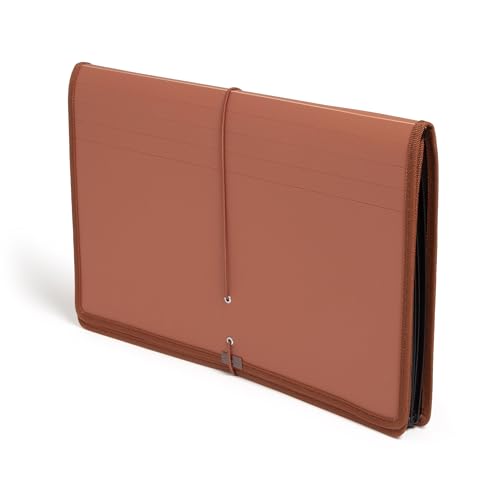
Smead Tuff Premium Poly Wallet, Accordion File Organizer for File Folders, Letter Size, 5-1/4 inch Expansion, Office Supplies, Document Organizer (73788)
View on Amazon- Advance Premium Tax Credits (APTC): A monthly discount based on your household income and size. It caps what you pay for the benchmark Silver plan as a percentage of your income. If you pick a cheaper plan than the benchmark, your price may drop even more.
- No upper income cutoff (for now): While older rules capped APTC at 400% FPL, current rules allow tax credits above that if the benchmark plan would cost more than about 8.5% of your income. This helps many near-retirees and small business owners.
- Cost-Sharing Reductions (CSRs): Extra help that lowers deductibles, copays, and out-of-pocket maximums for incomes up to 250% FPL—but only on Silver plans.
Does Michigan add its own state subsidy? Unlike a few states, Michigan does not currently offer additional state-funded premium subsidies. Your savings flow from federal APTC and CSR programs plus Medicaid/MIChild if you qualify.
Other help that may apply:
- Community health centers and hospital financial assistance programs can reduce costs for eligible residents.
- American Indians and Alaska Natives enrolled in a federally recognized tribe may qualify for special cost-sharing benefits on marketplace plans.
Important: If you take APTC during the year, you must file a federal tax return to reconcile it. Report income changes promptly so your tax credit stays accurate.
FAQ: common questions about Michigan health insurance
What is the deadline to enroll in a Michigan marketplace plan?
- Typically November 1 to January 15 on HealthCare.gov. If you enroll by December 15, your coverage usually starts January 1. Certain life events qualify you for a Special Enrollment Period any time of year.
Is there a penalty for not having health insurance in Michigan?
- No. Michigan does not have a state individual mandate, and the federal penalty is $0. That said, going uninsured is risky—one ER visit can cost more than a year of premiums.
What if I move to Michigan or switch counties within the state?
- Moving to Michigan (or to a new rating area within Michigan) usually triggers a Special Enrollment Period. You typically must have had qualifying coverage before the move to use this SEP—there are exceptions, so check your situation.
Do I qualify for Medicaid under the Healthy Michigan Plan?
- Adults 19–64 with incomes up to 138% FPL usually qualify. Children, teens, and pregnant people qualify at higher income levels. You can apply year-round through MI Bridges.
Are dental and vision included?
- For children on ACA plans, pediatric dental and vision are essential health benefits. For adults, you can buy separate dental/vision plans. Many Michigan carriers sell add-ons or standalone options.
Can I keep my doctors?
- Often, yes—if they’re in-network. Always verify your providers in the plan’s directory before enrolling. Networks are regional; a plan popular in Detroit may not include your Grand Rapids specialists, and vice versa.
How do subsidies work at tax time?
- If you received APTC, you’ll reconcile it on your tax return using Form 8962. If your actual income was higher than estimated, you may owe some of the credit back; if it was lower, you might get more credit.
What if I’m 26 and aging off my parents’ plan?
- That creates a Special Enrollment Period. You typically have 60 days before and after your coverage ends to pick a new plan on HealthCare.gov.
Can I use COBRA or Michigan’s state continuation?
- If you lose job-based coverage, federal COBRA lets you keep it up to 18 months if your employer has 20+ employees (you pay the full premium plus a small admin fee). Michigan also has state continuation rights for smaller employers; details vary. Before electing COBRA, compare marketplace plans with subsidies—you might pay less for similar or better coverage.
Does abortion or fertility care have to be covered?
- Coverage varies by plan and insurer. Some services may be covered, some excluded, and some covered with limits. Check the plan’s Evidence of Coverage and Michigan laws in effect the year you enroll.
What about the Upper Peninsula?
- Plan choices can be more limited and networks narrower in rural areas. Get quotes from multiple carriers and double-check that key hospitals and clinics are in-network.
I have a chronic condition—what should I prioritize?
- Look hard at the formulary for your medications, specialist networks, and the plan’s out-of-pocket maximum. A higher-premium Silver or Gold plan with lower cost sharing typically wins for ongoing care.
Note: For personalized guidance on your specific situation, speak with a licensed insurance agent or a local navigator. There’s no extra cost for expert help.
Call-to-action: Ready to see your real numbers? Compare Michigan health insurance quotes from several carriers to find your lowest price and best-fit network today.
Related resources for Michigan households:
- If you’re also reviewing home coverage, see our guide to Home Insurance in Michigan: Coverage, Costs & Best Companies
- Car shopping or renewing? Check our guide to Auto Insurance in Michigan: Rates, Requirements & How to Save
Next step: Gather your household income estimate, your doctors’ names, and your current prescriptions. Run quotes for your ZIP code, shortlist 2–3 plans, and then verify networks and drug coverage before you enroll. That sequence typically saves time and money—and avoids mid-year surprises.
Recommended Resources
The Complete HSA Guidebook (Updated Second Edition): MD Stephen D. Neeleman
Industry experts are hailing The Guidebook as the first quality publication of its kind and a necessary resource to help accelerate the adoption of HSAs. HealthEquity's CEO and co-founder Stephen
Clever Fox Medical Planner Daily – Health Diary Notebook, Wellness Journal & Self-Care Logbook, Lasts 3 Months, 7x10.5″ (Light Pink)
AN EASY WAY TO MONITOR YOUR HEALTH: Clever Fox Daily Medical Planner is <strong>an easy-to-use daily medical notebook</strong>, helpful for anyone dealing with a chronic condition or caring for sick,
Smead Tuff Premium Poly Wallet, Accordion File Organizer for File Folders, Letter Size, 5-1/4 inch Expansion, Office Supplies, Document Organizer (73788)
Ideal for law offices, medical practices, schools, or home organization, this wallet delivers exceptional durability and organization. Designed for efficiency and longevity, they make a perfect additi
Related Articles
- Health Insurance in Minnesota: Plans, Costs & How to Enroll
- Health Insurance in Mississippi: Plans, Costs & How to Enroll
- Home Insurance in Michigan: Coverage, Costs & Best Companies
- Health Insurance in Maine: Plans, Costs & How to Enroll
- Health Insurance in Ohio: Plans, Costs & How to Enroll
- Health Insurance in Missouri: Plans, Costs & How to Enroll
- Health Insurance in New Jersey: Plans, Costs & How to Enroll
- Health Insurance in Indiana: Plans, Costs & How to Enroll