
Best Car Insurance in Michigan: Top Companies, Rates & How to Save
You’re shopping for the best car insurance in Michigan and wondering: which company will actually treat me right—and what should I expect to pay? Here’s the straightforward answer: the “best” insurer depends on your coverage needs (especially your Personal Injury Protection, or PIP), your driving record, and where you live. Michigan’s unique no-fault system and 2020 PIP reform make choosing coverage more than a price check. This guide walks you through what matters, who tends to do well for Michigan drivers, and smart ways to cut costs without cutting corners.
Michigan car insurance basics: what every driver must know
Michigan is a no-fault state. That means your own policy helps cover your injuries after a crash, regardless of who caused it. A few terms you’ll see while shopping:
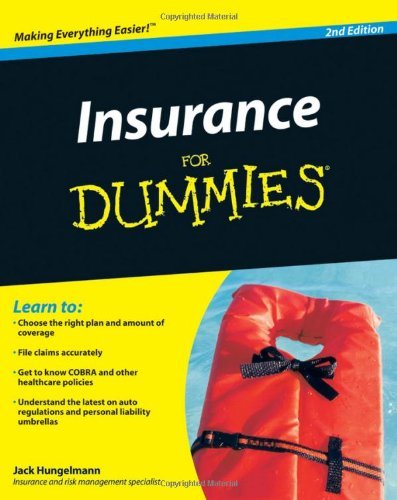
Insurance For Dummies?: Hungelmann, Jack
Whether you’re a homeowner or ... need on: ... Author Jack Hungelmann <strong>uses his twenty-five years of experience in the insurance industry to make buying insurance as simple as possible</strong>
Check Price on Amazon- Personal Injury Protection (PIP): the part of your policy that pays for your medical care and related benefits after an auto injury. After the 2020 reform, you can choose your PIP medical limit.
- Property Protection Insurance (PPI): covers up to $1 million if your car damages someone else’s property in Michigan (for example, a building or fence). This is unique to Michigan.
- Residual Bodily Injury and Property Damage Liability (BI/PD): helps protect your assets if you’re sued after a crash. Michigan drivers commonly see limits written like 50/100 (that’s $50,000 per person/$100,000 per accident for injuries), with higher limits strongly recommended. There’s also a small out-of-state property damage liability requirement.
- Limited Property Damage (a.k.a. “mini-tort”): optional coverage that can reimburse the other driver’s deductible when you’re more than 50% at fault, up to Michigan’s mini-tort limit (often up to $3,000). It’s inexpensive and useful.
PIP options after reform (effective July 1, 2020):
- Unlimited PIP medical benefits (the legacy option)
- $500,000
- $250,000
- $250,000 with certain PIP medical exclusions (when eligible household members have qualified health coverage)
- $50,000 (for Medicaid-eligible drivers who qualify)
- Opt-out of PIP medical (only if you—and in most cases your household—have qualified health coverage such as Medicare Parts A & B or employer coverage that meets specific rules)
Important: “Qualified health coverage” means health insurance that does not exclude auto injuries and has an annual individual deductible of $6,000 or less, or Medicare Parts A & B. Choosing a lower PIP limit can reduce your premium, but you’re taking on more medical risk. Confirm how your health plan covers auto injuries before adjusting PIP. If you’re comparing health plans, see our Michigan health guide: Health Insurance in Michigan: Plans, Costs & How to Enroll.
Other Michigan specifics:
- The Michigan Catastrophic Claims Association (MCCA) fee may apply if you carry unlimited PIP. The fee changes periodically statewide.
- SR-22 filings: Michigan may require an SR-22 (a certificate your insurer files with the state to prove you carry required coverage) after serious violations like a DUI or driving uninsured. Requirements vary—check with the Michigan Secretary of State or a licensed agent.
Want a deeper dive on the rules and ways to save? See our state guide: Auto Insurance in Michigan: Rates, Requirements & How to Save.
How we evaluated insurers for this list
We looked at factors that actually impact Michigan drivers day to day:
- Price competitiveness: rate comparisons across driver profiles, vehicles, and major Michigan metros
- Claims experience: third-party research and complaint levels, plus our consumer feedback review
- Customer service and policy management: quote experience, billing, mobile app/telematics
- Financial strength: AM Best ratings (A or better preferred), which speak to an insurer’s ability to pay claims
- Coverage flexibility in Michigan: strong PIP options, UM/UIM availability, collision choices (standard, broad, limited), and discounts
No single company wins for everyone. We highlight who tends to excel in common Michigan situations, and we flag trade-offs you should know before you buy.
Best car insurance in Michigan: our top picks
Note: We don’t accept payments for rankings. Recommendations are based on publicly available rate filings, sample quotes, and consumer/claims indicators. Your actual price will vary.
Best overall for value and claims: Auto-Owners Insurance Why it stands out: Michigan-based, consistently strong financials, and a reputation for fair claims handling. Offers a full set of coverages, multi-policy and safety discounts, and a telematics program for safe drivers. Often competitive for families and homeowners bundling policies.
Cheapest for many good drivers: GEICO and Progressive Why they stand out: Typically sharp prices for clean records and newer cars. Both offer strong online experiences and telematics-driven discounts. Progressive also tends to be flexible for drivers coming back from a lapse.
Best for young drivers and families with teens: State Farm Why it stands out: Good Student and driver training discounts, plus a telematics program that can help offset the high base rates for 16–24-year-olds. Local agent support can help tailor PIP choices and collision coverage for first-time buyers.
Best for high-risk/SR-22 needs: Progressive Why it stands out: Broad appetite for drivers with tickets, accidents, and certain major violations. Rates won’t be the lowest for everyone, but they often file SR-22s quickly and offer a path to reduce costs over time with telematics and accident forgiveness (when eligible).
Best regional options: Frankenmuth Insurance, Farm Bureau Insurance of Michigan, and AAA (The Auto Club Group) Why they stand out: Familiar with Michigan’s no-fault nuances, often competitive for homeowners who bundle. AAA membership perks and roadside assistance can add value if you use them.
Best for strong claims service: Auto-Owners Insurance Why it stands out: Track record of low complaint ratios and agent-supported claims. If you prioritize smooth repairs and responsive adjusters, Auto-Owners tends to shine, even if a few online-only competitors beat them on bare-bones price.
Tip: Insurers rotate discounts and appetite. The fastest way to see your real top three is to compare quotes from multiple carriers side by side. You can start here: Car Insurance Quotes: Compare Rates & Get Personalized Quotes Fast.
Average rates and sample quotes in Michigan
Let’s set expectations. Michigan rates vary widely by city, PIP level, vehicle, and your driving history. The examples below are not offers or guaranteed prices—they’re illustrative ranges based on recent market patterns we see in Michigan.
Profiles assume full coverage (liability, comprehensive and collision) with common deductibles, and PIP at $250,000 unless noted. Unlimited PIP generally costs more; $500,000 sits between unlimited and $250,000. Your results will differ.
Detroit, 35-year-old driver with a clean record, 2020 sedan Typical monthly range: $230–$380 with $250k PIP; $320–$480 with Unlimited PIP Notes: Detroit remains one of the most expensive U.S. cities for auto insurance, even after reform. Shopping across 5+ carriers can swing prices by hundreds per year.
Grand Rapids, 35-year-old driver with a clean record, 2020 sedan Typical monthly range: $140–$230 with $250k PIP; $200–$310 with Unlimited PIP Notes: Rates are usually lower than in Detroit. Bundling with home can be especially cost-effective here.
Ann Arbor, 35-year-old driver with a clean record, 2020 sedan Typical monthly range: $160–$260 with $250k PIP; $220–$340 with Unlimited PIP Notes: College-town garaging and traffic patterns can influence prices. Telematics discounts are common for lower-mileage drivers.
Detroit, 22-year-old driver, clean record, older compact car Typical monthly range: $280–$480 with $250k PIP; $360–$600 with Unlimited PIP Notes: Young drivers pay more almost everywhere. Good Student, driver training, and telematics are must-check discounts.
Any city, 45-year-old with one recent at-fault accident Typical monthly range: $220–$420 with $250k PIP (varies heavily by insurer) Notes: Rates can jump for 3–5 years. Some carriers surcharge less than others—shop immediately after the accident settles.
What affects your premium in Michigan
- PIP selection: Lower limits usually cost less; Unlimited PIP typically adds the most. Also factor in any MCCA fee with Unlimited PIP.
- City/territory: Detroit-area rates are often highest; mid-size cities like Grand Rapids typically cost less.
- Vehicle and usage: Repair costs, safety features, and commute mileage.
- Driving history: Tickets, accidents, and DUIs strongly impact rates.
- Coverages/deductibles: Higher deductibles lower your premium; choosing broad vs. standard vs. limited collision matters in Michigan.
- Discounts and bundling: Multi-policy, safety features, telematics, paid-in-full, and more.
- Insurance-based credit factors: Some insurers use insurance scores influenced by credit history where allowed by law. Ask how your carrier uses this information in Michigan.
How to lower your Michigan car insurance premium
- Right-size your PIP—carefully. If you have strong health coverage that treats auto injuries, a lower PIP limit or coordinated PIP can reduce your premium. “Coordinated” PIP means your health plan pays first; your auto PIP may pick up remaining eligible costs. Verify deductibles, co-pays, and auto-injury exclusions with your health insurer before changing anything.
- Choose the right collision type for Michigan:
- Broad collision: You’re not charged a deductible if you’re not mostly at fault in a crash.
- Standard collision: Covers your car after a crash regardless of fault, subject to your deductible.
- Limited collision: Covers your car only if you’re not more than 50% at fault. Broad is pricier but can save you a deductible after a not-at-fault crash. Limited is cheapest but riskiest.
- Raise deductibles if you can afford the risk. Moving from a $250 to $500 or $1,000 deductible on collision/comprehensive can meaningfully cut costs.
- Use telematics. Safe-driver programs that track braking, speeding, and phone use can unlock initial enrollment savings and bigger discounts at renewal if you drive well.
- Stack discounts you actually qualify for: Multi-policy, multi-vehicle, good student, homeowner, anti-theft, defensive driving, paid-in-full, paperless. If you’re a homeowner, get a bundling quote: Home Insurance in Michigan: Coverage, Costs & Best Companies.
- Shop 3–5 carriers. Michigan pricing varies significantly by company and city. Re-shop at renewal and after life changes (new car, moved, married, improved credit profile, tickets/accidents aging off).
- Keep a clean record. Avoiding tickets for 36 months and accidents for 60 months usually helps rates drop over time.
- Consider your vehicle choice. A car with strong safety ratings and lower repair costs can be cheaper to insure than a luxury model or high-performance trim.

Garmin Dash Cam Mini 2, Tiny Size, 1080p and 140-degree FOV, Monitor Your Vehicle While Away w/New Connected Features, Voice Control - 010-02504-00 : Electronics
View on AmazonChoosing the right coverage in Michigan
Here’s how to think about each piece of your policy.
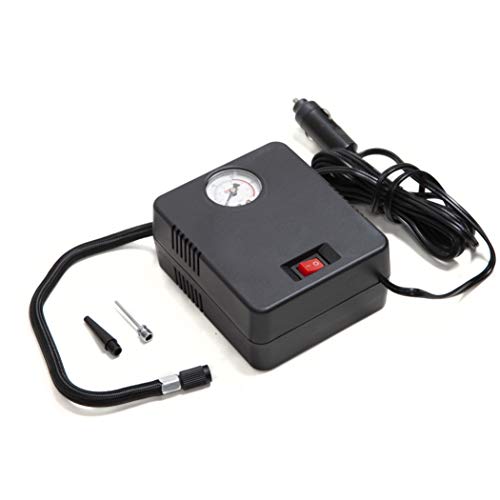
Lifeline 4388AAA Excursion Road, 76-Piece Car Air Compressor, Jumper Cables, Flashlight and First Aid Kit : Automotive
View on AmazonPIP medical (your medical bills after an auto injury) Options range from Unlimited to $250k to $50k (for Medicaid) to an opt-out if you qualify with Medicare A & B. Unlimited offers maximum protection but costs more. Lower limits reduce premiums but increase your exposure if injuries are severe. If you’re considering changes, talk to both your auto insurer and health insurer about how claims coordinate.
Property Protection Insurance (PPI) Required in Michigan; covers up to $1 million for property you damage with your car in-state (not vehicles). This is separate from your liability coverage.
Residual Bodily Injury/Property Damage Liability (BI/PD) This protects your assets if someone sues you after a crash. Michigan’s legal minimums are relatively low compared to medical and legal costs today. Many Michigan drivers choose at least 100/300 or 250/500 for peace of mind. If you have a home or savings, consider an umbrella policy for extra protection.
Uninsured/Underinsured Motorist (UM/UIM) Optional but highly recommended. UM/UIM can step in if a driver who hits you has no insurance or too little. In a state with complex no-fault rules, this layer can be a lifesaver after serious injuries.
Collision and comprehensive Collision fixes your car after a crash; comprehensive covers non-crash events (theft, fire, hail, hitting a deer). Pick your deductible based on what you could comfortably pay out of pocket.
Limited Property Damage (mini-tort) Inexpensive coverage that pays the other driver’s deductible when you’re mostly at fault, up to Michigan’s mini-tort limit. Worth adding in most cases.
Extras to consider
- Roadside assistance: Handy if you drive an older vehicle or do long commutes.
- Rental reimbursement: Covers a rental while your car is being repaired after a covered claim.
- GAP coverage: If you have a loan/lease, GAP can pay the difference between what you owe and the car’s value after a total loss.
Step-by-step: get quotes and switch insurers in Michigan
- Gather what you’ll need
- Driver’s license numbers for everyone on the policy
- Vehicle VIN(s) and mileage
- Current policy declarations page (shows your coverages and limits)
- Accident/ticket dates and details
- Health insurance info if you’re adjusting PIP or coordinating benefits
- Decide your target coverage
- Pick a realistic PIP option for your household.
- Choose liability limits that match your assets and risk tolerance.
- Decide on collision type (broad, standard, limited) and deductibles you can afford.
- Compare at least 3–5 carriers
- Ask each for the same coverages so the prices are apples-to-apples.
- Test both Unlimited and $250k/$500k PIP if you’re unsure. The premium difference can be meaningful.
- Get quotes for bundling home/renters if you have it.
- Ask these smart questions
- How do you handle OEM parts and preferred body shops after a claim?
- Is telematics a one-time enrollment discount, ongoing, or both?
- How do coordinated PIP claims work alongside my health plan in Michigan?
- Which discounts am I missing today—and what would save the most at renewal?
- Lock in the new policy—and avoid gaps
- Set your new policy to start before your old one ends (even a one-day lapse can raise rates).
- Confirm your ID cards and coverage documents.
- Cancel the old policy only after the new one is active and paid.
Ready to see real numbers? The fastest way to find your best three is to compare side by side: Car Insurance Quotes: Compare Rates & Get Personalized Quotes Fast. Prefer local help? Explore options here: Car Insurance Near Me: Compare Local Quotes & Find Agents Fast.
FAQs and Michigan resources
Is Unlimited PIP still worth it? For many households, yes—especially if you want the broadest medical protection without leaning on your health insurance. It typically costs more. If you have strong health coverage and low medical risk tolerance, $500k or $250k may be a practical middle ground. Carefully review how your health plan treats auto injuries before choosing.
Do I need UM/UIM in a no-fault state like Michigan? It’s optional but recommended. UM/UIM protects you if a driver who hits you doesn’t have enough liability insurance to cover severe injuries. In serious crashes, it can make a big difference.
Does Michigan require SR-22? Michigan may require an SR-22 filing after certain violations (like a DUI or driving uninsured) to reinstate your license. Not every situation triggers it. Confirm with the Michigan Secretary of State or a licensed agent.
How does mini-tort work here? If you’re more than 50% at fault, the other driver can seek reimbursement of their deductible up to Michigan’s mini-tort limit (often up to $3,000). Buying Limited Property Damage coverage is an inexpensive way to handle this.
What state agencies can help?
- Michigan Department of Insurance and Financial Services (DIFS): Consumer guidance, complaint assistance, and rules on no-fault and PIP reform.
- Michigan Secretary of State (SOS): Licensing, registrations, and SR-22 questions.
- Michigan Catastrophic Claims Association (MCCA): Information about the statewide assessment tied to Unlimited PIP.
A quick note from your insurance friend at FindAssurance: This guide is general education, not personal advice. Coverage needs and prices vary by driver, vehicle, city, health insurance, and more. A licensed agent can help tailor the right PIP, liability, and collision mix for your situation.
Next smart step: Take 10 minutes to compare at least three quotes with the same coverages. It’s the easiest way to see what you would actually pay—and where you can save—today: Car Insurance Quotes: Compare Rates & Get Personalized Quotes Fast.
Recommended Resources
Insurance For Dummies?: Hungelmann, Jack
Whether you’re a homeowner or ... need on: ... Author Jack Hungelmann <strong>uses his twenty-five years of experience in the insurance industry to make buying insurance as simple as possible</strong>
Garmin Dash Cam Mini 2, Tiny Size, 1080p and 140-degree FOV, Monitor Your Vehicle While Away w/New Connected Features, Voice Control - 010-02504-00 : Electronics
Buy Garmin Dash Cam Mini 2, <strong>Tiny Size, 1080p and 140-degree FOV, Monitor Your Vehicle While Away w/New Connected Features, Voice Control</strong> - 010-02504-00: On-Dash Cameras - Amazon.com ✓
Lifeline 4388AAA Excursion Road, 76-Piece Car Air Compressor, Jumper Cables, Flashlight and First Aid Kit : Automotive
<strong>The AAA branded Excursion Road Kit</strong> contains 76 key components to help keep you prepared for those unforeseeable events ranging from finding your car with a dead battery, or with a tir
Related Articles
- Auto Insurance in Michigan: Rates, Requirements & How to Save
- Home Insurance in Michigan: Coverage, Costs & Best Companies
- Health Insurance in Michigan: Plans, Costs & How to Enroll
- Auto Insurance in Wisconsin: Rates, Requirements & How to Save
- Auto Insurance in Mississippi: Rates, Requirements & How to Save
- Auto Insurance in Massachusetts: Rates, Requirements & How to Save
- Car Insurance in Illinois: Rates, Requirements & Best Quotes
- Best Car Insurance for Seniors: Top Companies, Coverage Needs & How to Save