
Auto Insurance for College Students: What Students and Parents Need to Know
You’re getting ready for college, and the big question hits: do you stay on a parent’s auto policy or buy your own? Auto insurance for college students can feel confusing because so much is changing at once — address, car usage, even who’s driving your vehicle. Here’s what actually matters, how to save, and how to set things up the right way from day one.
Auto insurance for college students: coverage and policy choices
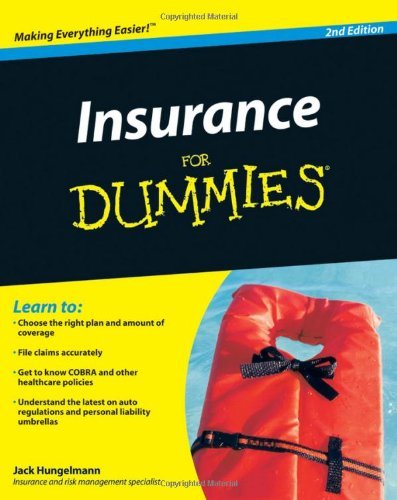
Insurance For Dummies?: Hungelmann, Jack
Whether you’re a homeowner or ... need on: ... Author Jack Hungelmann <strong>uses his twenty-five years of experience in the insurance industry to make buying insurance as simple as possible</strong>
Check Price on AmazonStay on a parent’s policy vs. buy your own
- Staying on a parent’s policy typically costs less than a separate policy because the household is sharing risk, vehicles, and often enjoys multi-car and multi-policy discounts. The student must still be listed as a driver if they have regular access to the car.
- A separate policy may make sense if the student owns the vehicle solely in their name, lives off campus year-round, or the student’s driving record (tickets, at-fault accidents, DUI) would dramatically raise the parents’ premium. Some insurers require a separate policy if the student establishes permanent residency in another state.
- “Student away at school” discount: If the student goes to school more than a set distance from home (often 100 miles or more) and does not take a car, many insurers reduce the premium for that driver since they rarely operate the family vehicles. Always ask how each insurer defines “away at school” and what proof they need.
Tip: If you’re planning to leave a car at home while you’re away, ask your insurer about listing the student as an occasional operator to reflect the lower actual use. Definitions vary by insurer and state.
Coverage types to prioritize
- Liability coverage (pays for injuries and damage you cause to others) is mandatory in most states and expressed as split limits like 100/300/50 (that’s $100,000 per person, $300,000 per accident for bodily injury, $50,000 for property damage). For students, we recommend considering higher liability limits than the state minimums — campus driving and parking can be unpredictable, and one claim can exceed bare-minimum coverage.
- Collision coverage (pays to repair or replace your car after a crash, regardless of fault) is optional unless required by a lender or lessor. For older, paid-off vehicles with low market value, you can run the math: is the annual collision premium plus your deductible (the amount you pay out of pocket before insurance kicks in) close to the car’s value? If yes, you may consider dropping collision.
- Comprehensive coverage (covers non-crash events like theft, vandalism, fire, hail, and hitting a deer). On campuses where theft and vandalism are more common, comprehensive can be a smart add, often at a lower cost than collision.
- Uninsured/underinsured motorist (UM/UIM) coverage (helps when the other driver has little or no insurance) is important for hit-and-runs and low-insurance scenarios. Many student-area accidents involve drivers with state-minimum limits; UM/UIM helps protect you and your passengers.
- Medical payments or personal injury protection (PIP) (pays medical costs regardless of fault; PIP is required in some no-fault states). Check your health insurance coordination and state rules to decide appropriate limits.
SR-22 considerations
An SR-22 is a state filing proving you carry required insurance after serious violations (like a DUI) or license suspensions. If a student needs an SR-22:
- Not all insurers file SR-22s; some may non-renew or require a separate policy.
- The SR-22 must be filed in the state where your license is issued and where you’re considered a resident. If you change residency for school, you may need to refile.
- Expect higher premiums and stricter terms while the filing is required. Rates vary by state and carrier.
Study abroad and international student scenarios
- Studying abroad without a car in the U.S.: Ask about a storage or “comprehensive-only” option. Some insurers allow you to keep comprehensive coverage for fire, theft, and vandalism while the car is garaged, dropping liability and collision during the time you won’t be driving. Always confirm state and lender requirements.
- Driving abroad: U.S. auto insurance typically does not cover you outside the U.S. and Canada. If you’re driving in Mexico, you need Mexico-specific liability coverage. In Europe or elsewhere, you’ll usually need a local policy or rely on rental car insurance.
- International students in the U.S.: Many insurers will write a policy using a foreign license, sometimes with an International Driving Permit as translation. Expect different underwriting, possible higher rates at first, and you may need additional documentation like passport and proof of enrollment.
Does changing residency for school affect coverage?
Insurers rate policies based on your garaging address — where the car is primarily kept overnight. If you move to campus, especially out of state, your garaging address changes and you typically must notify your insurer. This can affect your premium (college towns may rate higher or lower than your home ZIP). Also check:
- Titling/registration rules: Some states require you to register and insure the car locally if you become a resident. Schools often provide guidance; your insurer or a licensed agent can help interpret state-specific rules.
- Lender/lease terms: If your address changes, update the lienholder/lessor to avoid mail and coverage issues.
- Claims risk: If you misstate the garaging address, the insurer could deny or limit a claim in some cases. Keep it accurate.
What really drives the cost — and proven ways to save
Premiums for auto insurance for college students vary widely, but the big levers are consistent across states and carriers.
What raises or lowers a student’s premium
- Age and driving record: Younger drivers have higher base rates. A clean record (no at-fault accidents or major tickets) often earns meaningful savings over time. Even one at-fault crash can raise a student’s rate for 3–5 years, depending on the insurer.
- Vehicle type and value: Newer and sportier cars cost more to repair and insure. Older, modest-value cars can cost less, especially if you choose a higher deductible or drop collision.
- Campus location and garaging: Dense urban campuses with higher claim frequency may rate higher than suburban or rural areas. Parking in a secured garage can sometimes reduce comprehensive claims risk.
- Commute and annual miles: Driving infrequently or using public transit to class can cut rates. Report realistic annual mileage; overstating can cost you.
- Credit-based insurance score (where allowed): In many states, credit-based scores influence premiums. International students or students with thin credit histories should ask carriers how they handle limited credit data.
Discounts and strategies students actually use
- Good-student discount: Typically available for full-time students under a certain age (often under 25) who meet a GPA threshold (e.g., 3.0/B average). You’ll usually need recent transcripts or an enrollment letter each term or year.
- Multi-car and multi-policy: Bundling a student’s car with a parent’s home or renters policy can stack savings. Students renting off campus should ask about bundling renters and auto with the same carrier.
- Telematics/usage-based programs: These apps or devices track driving habits (hard braking, speed, time of day) and miles. Careful drivers frequently see a discount after the monitoring period. If you mostly drive in daylight and avoid long night drives, this can pay off.
- Higher deductibles: Moving a $500 deductible to $1,000 lowers premium in most cases. Only do this if you can comfortably cover that out-of-pocket amount after an accident.
- Student-away and limited-use ratings: If your car stays home and you’re 200 miles away at school, ask for a student-away discount. If you bring the car but drive sparingly, ask about low-mileage or pleasure-use ratings.
- Defensive driving/driver training: Some states and carriers reward state-approved courses with a discount, especially for drivers under 21–25.
- Safe vehicle features: Anti-theft devices, automatic emergency braking, lane-keep assist, and anti-lock brakes may help lower certain coverage costs.
Example: Say you’re a 20-year-old full-time student with a 3.3 GPA, driving a 10-year-old sedan, garaged on a suburban campus, and you enroll in a telematics program. Between the good-student credit, low-mileage rating, and a higher $1,000 deductible, you could typically chip away a meaningful amount from the premium compared with a default setup — exact savings vary by insurer and state.
Looking for more ways to trim costs? See our step-by-step savings playbook for young drivers in Affordable Car Insurance for Young Adults: Practical Ways to Lower Your Premiums (/auto-insurance/affordable-car-insurance-young-adults-lower-premiums) and Cheapest Car Insurance for Young Drivers: How to Cut Your Rates (/auto-insurance/cheapest-car-insurance-young-drivers-cut-rates).
A helpful next step
The fastest way to see what you would actually pay is to compare quotes from 3–5 carriers side by side. Rates for students can swing widely for the same driver and car. Start here: Car Insurance Quotes: Compare Rates & Get Personalized Quotes Fast (/auto-insurance/car-insurance-quotes-compare-rates).
Everyday risks on and around campus: real-world scenarios
Campus life introduces situations most families haven’t planned for. Here’s how coverage typically responds — and where gaps appear.
Parking lots, dings, theft, and vandalism
- Fender benders in crowded lots: Collision coverage helps repair your car, minus the deductible, regardless of who’s at fault. If the other driver is identified and at fault, their liability insurance should pay — but hit-and-runs are common.
- Hit-and-run: Uninsured motorist property damage (UMPD) or collision coverage may apply, depending on your state and policy. Without those, you could be paying out of pocket.
- Theft or vandalism: Comprehensive coverage addresses stolen vehicles or damage like broken windows, graffiti, or catalytic converter theft. Personal belongings (like a laptop stolen from your car) are usually not covered by auto insurance — that’s a renters or homeowners claim.

Garmin Dash Cam Mini 2, Tiny Size, 1080p and 140-degree FOV, Monitor Your Vehicle While Away w/New Connected Features, Voice Control - 010-02504-00 : Electronics
Buy Garmin Dash Cam Mini 2, <strong>Tiny Size, 1080p and 140-degree FOV, Monitor Your Vehicle While Away w/New Connected Features, Voice Control</strong> - 010-02504-00: On-Dash Cameras - Amazon.com ✓
Check Price on Amazon“Can my friend drive my car?” — permissive use
Most policies include permissive use, meaning occasional use by someone not listed on the policy is covered, and insurance follows the car first. Caveats:
- If a friend is a frequent driver, the insurer may require they be listed or excluded. If they’re excluded and cause a crash, there’s typically no coverage.
- If your friend causes an accident, the claim is usually filed on your policy and could affect your future rates.
- If a driver is unlicensed or impaired, coverage can be denied and you may face legal liability. Choose carefully.
Leaving a car at school vs. at home
- Car at school: Update the garaging address. Ask about anti-theft discounts if you use a steering wheel lock or have a factory alarm. Consider comprehensive for theft/vandalism risk.
- Car at home: You may qualify for a student-away rating or discount, reflecting limited use on breaks. Keep liability active if there’s any chance you’ll drive when home.

Winner International The Club 1000 Original Club Steering Wheel Lock, Red : Automotive
View on AmazonOff-campus housing and roommates
- Roommates don’t automatically have permission to drive your car. If you share vehicles regularly, talk to your insurer about listing additional drivers.
- Renters insurance is a smart add for students living off campus. It covers personal property like laptops and bikes and includes liability for non-auto incidents. Auto policies generally don’t cover personal items stolen from your car.
Rideshare and car-sharing
- Rideshare (Uber, Lyft): Personal auto policies usually exclude driving for hire. You need a rideshare endorsement or a commercial policy to close the gap when the app is on. Without it, a crash while ridesharing may not be covered.
- Car-sharing and short-term rentals (e.g., Zipcar, Turo): Platforms provide varying levels of liability and physical damage coverage with deductibles. Read the terms; coverage may be secondary to your personal policy or have exclusions.
Common claim situations families should prep for
- “I scraped a pole in the garage.” Collision claim, pay your deductible; consider whether the repair cost exceeds your deductible.
- “Someone keyed my car on game day.” Comprehensive claim, pay your deductible.
- “My friend borrowed my car and rear-ended someone.” Your policy’s liability coverage is primary; expect potential premium impact at renewal.
- “A driver with state-minimum limits hit me.” Your UM/UIM coverage can help if their insurance isn’t enough.
For broader family-focused strategies, see Best Car Insurance Options for Families: Coverage, Savings, and Top Picks (/auto-insurance/best-car-insurance-options-for-families-coverage-savings-top-picks).
How to shop, document, and time changes
You’ll save time and avoid surprises by asking sharper questions and having paperwork ready.
Smart questions to ask insurers or agents
- If my student is out of state, how do you rate garaging and mileage? What proof do you need?
- Do you offer a student-away discount? What is the distance requirement?
- What GPA or documents are needed for a good-student discount, and how often?
- How do you handle permissive use and frequent non-household drivers?
- Are telematics or usage-based discounts available for college drivers? Any surcharges for high-risk trips (late-night, hard braking)?
- If we change residency states, what happens to our policy, registration, and any SR-22 filing?
- What are the options for storage or comprehensive-only coverage during study abroad or long breaks?
- If my student gets a rideshare job, what endorsement is required and what does it cost?
Comparison shopping that actually works
- Quote 3–5 carriers on the same day with identical coverages and deductibles so you’re comparing apples to apples.
- Include the student’s true garaging address, annual miles, and intended use (commute vs. pleasure). Accuracy matters.
- Test scenarios: with and without telematics, with different deductibles, and with/without collision on older vehicles. See which configuration balances cost and risk.
- Ask how each insurer handles small claims. Sometimes paying out of pocket for a minor fender-bender can keep your long-term rates lower — but only if you’re sure the damage won’t escalate and there are no injuries. When in doubt, talk to a licensed agent before deciding.
When you’re ready to price it, start with a quick side-by-side: Car Insurance Quotes: Compare Rates & Get Personalized Quotes Fast (/auto-insurance/car-insurance-quotes-compare-rates).
Documents you’ll likely need
- Driver’s license for all household drivers; for international students, a foreign license and possibly an International Driving Permit
- Vehicle identification number (VIN) and current mileage
- Address where the car is primarily garaged (campus or home)
- Proof of enrollment and recent transcript for good-student discounts
- Banking or payment info; for drivers with prior incidents, details of tickets/accidents and any SR-22 requirement
When to notify your insurer or update details
- Moving to campus or changing primary garaging address (especially out of state)
- Bringing a car to school or leaving it at home for the term
- Adding or removing regular drivers (e.g., roommates, significant others)
- Starting rideshare or delivery work
- Studying abroad or placing the vehicle in storage
- Purchasing, selling, or significantly modifying a vehicle
A simple checklist for parents and students
- Decide: stay on parent policy or get a separate policy
- Set liability limits that reflect real risk (often higher than state minimums)
- Choose deductibles you can afford to pay tomorrow
- Add UM/UIM and comprehensive where risks warrant
- Confirm garaging address and mileage
- Ask for student-away, good-student, multi-car, and telematics discounts
- If storing the car, ask about comprehensive-only or reduced usage ratings
- Clarify permissive use rules and list frequent drivers
- If ridesharing or car-sharing, add the right endorsement or buy platform coverage
- Save proof of enrollment and GPA for renewals
Note: Insurance rules and discounts vary by state and insurer. A brief call with a licensed agent can help you tailor coverage to your situation and local laws.
Your next step
College brings enough change — your insurance doesn’t have to be another headache. Take 10 minutes to compare quotes from 3–5 carriers so you can see your real options and avoid overpaying. Start here: Car Insurance Quotes: Compare Rates & Get Personalized Quotes Fast (/auto-insurance/car-insurance-quotes-compare-rates).
If you’re still weighing broader young-driver strategies, you may also find value in Affordable Car Insurance for Young Adults: Practical Ways to Lower Your Premiums (/auto-insurance/affordable-car-insurance-young-adults-lower-premiums).
Recommended Resources
Insurance For Dummies?: Hungelmann, Jack
Whether you’re a homeowner or ... need on: ... Author Jack Hungelmann <strong>uses his twenty-five years of experience in the insurance industry to make buying insurance as simple as possible</strong>
Garmin Dash Cam Mini 2, Tiny Size, 1080p and 140-degree FOV, Monitor Your Vehicle While Away w/New Connected Features, Voice Control - 010-02504-00 : Electronics
Buy Garmin Dash Cam Mini 2, <strong>Tiny Size, 1080p and 140-degree FOV, Monitor Your Vehicle While Away w/New Connected Features, Voice Control</strong> - 010-02504-00: On-Dash Cameras - Amazon.com ✓
Winner International The Club 1000 Original Club Steering Wheel Lock, Red : Automotive
The Club's <strong>patented self-locking feature locks with one pull</strong>.Note: Measure your door's backset, cross bore and thickness to ensure you find the right fit. ... Highly visual
Related Articles
- Best Insurance for College Students: Health, Auto, Renters & More
- Renters Insurance for College Students — Coverage, Cost & How to Buy
- Auto Insurance for New Drivers: Coverage, Costs, and Smart Ways to Save
- Best Car Insurance for New Drivers: Top Picks & How to Save
- Best Car Insurance Options for Families: Coverage, Savings, and Top Picks
- How to Get Car Insurance: What You Need to Know to Choose, Buy, and Save
- Affordable Car Insurance for Young Adults: Practical Ways to Lower Your Premiums
- Car Insurance for 18-Year-Olds: Costs, Discounts & How to Get Quotes