
Renters Insurance for College Students — Coverage, Cost & How to Buy
You just moved in, your laptop is on the desk, and your bike is chained outside. Now what happens if something goes wrong? This is where renters insurance for college students actually earns its keep: it helps pay to replace your stuff after a covered loss and protects you if someone gets hurt and blames you. Here’s what matters, what it typically costs, and how to buy it without overpaying.
Why renters insurance matters for college students
Real-world scenarios happen fast:
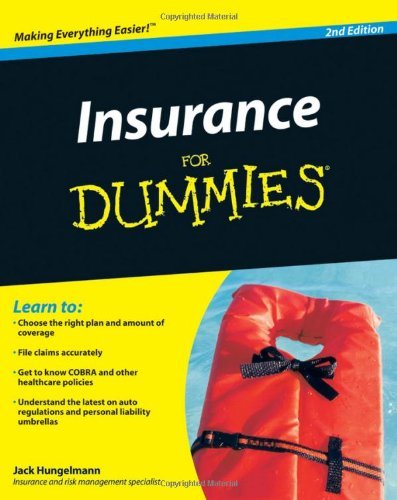
Insurance For Dummies?: Hungelmann, Jack
Whether you’re a homeowner or ... need on: ... Author Jack Hungelmann <strong>uses his twenty-five years of experience in the insurance industry to make buying insurance as simple as possible</strong>
Check Price on Amazon- Your dorm room is left unlocked during a floor meeting; your laptop and headphones vanish. Without insurance, you’re out $1,500–$3,000. With renters insurance, theft is typically covered after your deductible (the amount you pay out of pocket before insurance pays the rest).
- A pipe bursts two floors up in your off-campus building. Water cascades through your ceiling, soaking your textbooks and mattress. Your landlord’s insurance usually repairs the building, not your belongings. Your policy’s personal property coverage can help replace your items.
- You host a small birthday get-together. A friend trips over a phone charger and sprains an ankle. Personal liability coverage (which helps if you’re legally responsible for someone’s injury or property damage) can cover medical bills and defense costs, up to your policy limit.
The financial risk of going uninsured is simple math: the average dorm room or student apartment often contains $10,000–$20,000 in belongings when you add up a laptop, phone, bike, textbooks, clothes, small furniture, and kitchen gear. A single incident—like theft or a kitchen fire—can easily wipe out a semester’s savings.
Dorms vs. campus housing vs. off‑campus apartments
- Dorms and on‑campus housing: Some students may have limited coverage through a parent’s homeowners policy for belongings “off premises.” Typically there’s a cap—often around 10% of the parent’s personal property limit—and conditions about age/enrollment and whether the student is considered a resident relative. Liability may extend, but it’s not guaranteed and limits can be lower than you need. Always confirm details with the parent’s insurer. If coverage is limited or you want to avoid claims impacting a parent’s policy, consider your own renters policy.
- Off‑campus apartments and shared houses: Landlords usually require proof of renters insurance, often with at least $100,000 in liability. Your landlord’s policy does not cover your belongings. If you have roommates, each person should carry their own policy; one policy generally won’t cover a roommate’s property.
If you’re still weighing the basics of what renters insurance covers, this guide goes deep—but you can also see our plain-language explainer on covered events, limits, and add-ons here: What Does Renters Insurance Cover?
Renters insurance for college students: the coverage you actually need
Let’s translate the policy into student life.
Personal property coverage
- What it is: Coverage for your stuff—laptop, phone, clothes, furniture—if it’s damaged or stolen due to covered perils like fire, smoke, theft, vandalism, or sudden water damage from plumbing (not flood). It typically covers belongings anywhere in the world, not just at your address.
- Watch the sub-limits: Many policies cap payouts for certain categories (for example, jewelry, watches, firearms, cash). Bikes and cameras can also be subject to sub-limits or special handling. If a single item exceeds a limit, ask about “scheduling” or listing it with a specific value via an endorsement (a policy add-on that increases or customizes coverage).
- Replacement Cost vs. Actual Cash Value (ACV): Replacement cost pays what it costs today to buy a similar new item. ACV pays the depreciated value (today’s value after age and wear), which can be far less. Students usually benefit from replacement cost coverage on personal property; it typically costs a few dollars more per month but avoids painful depreciation on electronics.
- Deductible: Common options are $250, $500, or $1,000. A higher deductible lowers your premium but means you pay more out of pocket on a claim.
Recommended coverage amounts for common student items (your needs may vary):
- Laptop/tablet: $1,000–$3,000
- Phone and accessories: $800–$1,500
- Bike/e‑bike: $500–$2,500+ (ask specifically about e‑bikes; some policies exclude or limit them without an endorsement)
- Textbooks/course materials: $500–$1,500 per term
- Headphones/camera/gaming gear: $300–$2,000 combined
- Clothing/shoes: $1,000–$3,000
Typical personal property limit for students: $10,000–$30,000, depending on how much tech and gear you own. If you’re into music, photography, or cycling, you may need more and/or endorsements for high-value items.
Personal liability coverage
- What it is: If you accidentally cause someone else bodily injury or property damage (say you start a kitchen fire that spreads, or a guest gets injured), liability coverage helps pay legal defense and judgments/settlements up to your limit.
- Typical limits: $100,000, $300,000, or $500,000. Many landlords require at least $100,000; $300,000 is a common sweet spot for broader protection.
- Pets: If you have a dog, ask about pet liability. Some insurers exclude specific breeds or require an endorsement.
Medical payments to others
- What it is: Small, no‑fault coverage that helps with minor injuries to guests on your premises, regardless of fault.
- Typical limits: $1,000–$5,000.
Additional living expenses (ALE), also called Loss of Use
- What it is: If a covered loss makes your place uninhabitable, ALE helps with extra costs of living elsewhere—hotel bills, temporary rentals, meals beyond your usual grocery spend, laundry.
- Tip: Keep receipts for any extra costs and know that ALE only pays the increase over your normal spending.
Common exclusions students should know
- Flood: Flooding from rising water is excluded. Coverage is available via separate policies.
- Earthquake: Often excluded unless you add an endorsement or separate policy (varies by state).
- Wear and tear, mold, and maintenance issues: Not covered.
- Theft from an unlocked room or unattended public place: Often covered but can be scrutinized; documentation helps.
- Roommates’ property: Not covered unless they’re named on your policy (which isn’t recommended; better for each roommate to carry their own policy).
A note on parents’ homeowners insurance
If you’re relying on a parent’s homeowners policy while in a dorm or campus housing, ask the parent’s insurer:
- Off‑premises personal property limit (often around 10% of the parent’s Coverage C)—is that enough for your belongings?
- Any conditions about age (for example, under 24) or full-time enrollment status?
- Are you still considered a resident relative “temporarily away at school” under the policy definitions?
- How does liability coverage apply to you off campus? Are there any gaps?
- What’s the deductible? Many homeowners deductibles are $1,000–$2,500, which can make smaller claims impractical.
In many cases, students find an individual renters policy gives clearer protection, satisfies landlord requirements, and avoids claims hitting a parent’s record.
What renters insurance for college students typically costs (and how to save)
Here’s the good news: renters insurance is generally affordable. For many students, it typically ranges from about $10 to $25 per month for common coverage levels, depending on your state and situation. Urban areas and higher coverage limits can run higher, and rates vary by insurer.
Realistic examples (illustrative only; your rates will vary):
- 20-year-old in Ohio, dorm room: $20,000 personal property, $300,000 liability, $500 deductible, replacement cost. Typical quotes can fall around $12–$18/month.
- 22-year-old in a shared apartment in Texas: $25,000 personal property, $300,000 liability, $500 deductible. Often $14–$22/month, especially if bundled with auto.
- 21-year-old in a high-crime neighborhood in California: $20,000 personal property, $300,000 liability, $500 deductible. You might see $18–$30+/month.
Curious what people actually pay where you live? Check local ranges and drivers here: How Much Is Renters Insurance? Average Costs, Factors & Real Examples
What affects your premium
- Location: Higher-crime areas or regions with frequent weather or water damage claims usually cost more.
- Coverage level: More personal property and higher liability limits increase premium.
- Deductible: Higher deductible, lower premium.
- Building and safety features: Sprinklers, smoke alarms, secure access, and deadbolts can reduce rates.
- Claims history: Prior claims can increase your price.
- Credit-based insurance score (where allowed): In most states, insurers use a version of credit to price policies; this is separate from your GPA.
Discounts to ask about
- Bundle with auto: Pairing renters with auto insurance often lowers both. If you’re on a parent’s auto, ask if bundling your renters policy still qualifies.
- Protective devices: Discounts for smoke detectors, burglar alarms, and fire extinguishers are common.
- Paperless, autopay, pay-in-full, claim-free: Small but easy savings.
- Student or alumni: Not universal, but some carriers partner with schools or alumni associations.
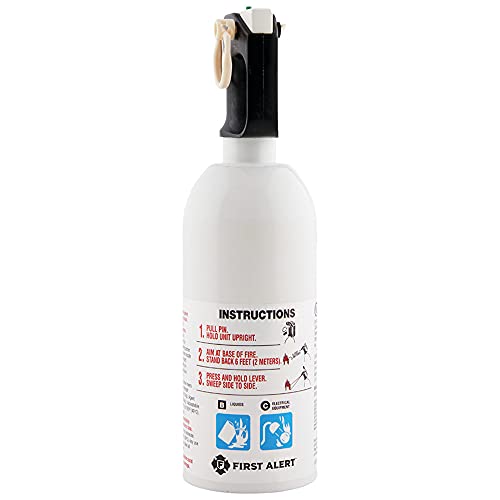
FIRST ALERT KITCHEN5 Fire Extinguisher, KFE2S5, UL RATED 5-B:C, White, 1-Pack - Amazon.com
View on AmazonFor more ways to reduce your bill without hollowing out coverage, see: How to Lower Your Renters Insurance Premiums: Smart Savings Strategies
Parent’s policy vs. your own renters policy vs. umbrella insurance
Stay on a parent’s homeowners policy
- Pros: No separate premium in many cases; simple if living in a dorm and you meet policy conditions.
- Cons: Off-premises property may be limited; higher homeowner deductible; claims could affect a parent’s rates; may not meet a landlord’s requirement; coverage may not apply in an off‑campus lease.
Buy your own renters policy
- Pros: Meets landlord requirements; you pick limits and deductible; replacement cost option; your claims history stays separate from your parents; straightforward when you have roommates (each person gets their own policy).
- Cons: It’s another bill—though usually a small one.
Umbrella policy add‑on (extra liability)
- Pros: Provides additional liability above underlying policies for large claims.
- Cons: Typically sits on top of an auto or homeowners/renters policy and has eligibility requirements. Not a substitute for personal property coverage. Usually owned by the parent or the named insured—not automatically a solution for a student’s separate living situation.
How to compare and buy renters insurance like a pro
The fastest way to see what you would actually pay is to compare quotes from 3–5 carriers. Get a few options with the same limits and deductible so you’re comparing apples to apples. If you want a step-by-step on shopping smart, bookmark this resource: How to Find the Right Renters Insurance: Coverage, Costs, and Buying Tips
What to look for when comparing quotes
- Personal property limit that actually fits your stuff (often $10,000–$30,000 for students)
- Replacement cost for personal property (not ACV)
- Liability limit of at least $100,000; strongly consider $300,000
- Deductible you can cover tomorrow ($500 is common; $1,000 saves more)
- Sub-limits that match your situation (bikes, cameras, jewelry, musical instruments)
- Endorsements you may need: scheduled personal property for high-value items, water backup, identity theft, earthquake (where applicable), e‑bike coverage
- Additional living expenses coverage details (what’s included, how long)
- Pet liability terms if you have a dog or other pet
- Landlord requirements (naming landlord as an additional interest for notices—not as an additional insured)
- Claims support and reviews: How easy is the process? 24/7 claims? App or portal?
Clear next step: take 10 minutes to pull a quick inventory (see below), pick your target limits, then price it out with a few carriers. You’ll quickly see where the value is.
Smart setup after you buy (and how to be claim‑ready)
Inventory and documentation made easy
- Do a 10‑minute video walk-through of your room/apartment. Open drawers and closets, and talk through what you own.
- Photograph serial numbers for electronics and your bike frame. Email images to yourself or store them in the cloud.
- Save receipts and order confirmations for high‑value items in one digital folder.
- Update your inventory once a semester, especially after buying new tech.
When to add endorsements or higher limits
- High-value items (usually $1,000+ each): jewelry, camera gear, instruments, artwork. Ask about scheduling with appraisals or receipts.
- Bikes and e‑bikes: Confirm coverage and theft limits; consider a bike endorsement or separate policy if you rely on it for daily transport.
- Water backup: If you’re in a basement or older building, consider this add‑on for sump pump or drain backups (not the same as flood).
- Earthquake: If you live in a quake-prone area and your insurer offers it.
Questions to ask your insurer or agent
- Is this policy replacement cost or ACV for personal property?
- What are the sub-limits for theft of jewelry, bikes, and electronics?
- Do you offer e‑bike coverage, and what are the conditions?
- What liability limit do you recommend for my situation? Will it satisfy my landlord’s requirement?
- What deductible options do I have, and how do they change the premium?
- How does Additional Living Expenses work—are there caps per month or total?
- If I file a small claim, how might that affect my future premium?
- Can my landlord be listed as an additional interest for policy notices?
How to file a claim, step by step
- For theft or vandalism: Call campus security or police promptly and get a report number.
- Protect your property from further damage (for example, move items away from a leak).
- Take photos/videos of damage or the area where theft occurred.
- Notify your insurer as soon as possible—online, in‑app, or by phone.
- Provide your inventory, receipts, and serial numbers.
- Keep receipts for any extra living costs if you can’t stay in your place.
- Ask whether to repair/replace items now or wait for an adjuster’s guidance.
Tip: If the loss is close to your deductible (say, a $600 stolen item with a $500 deductible), consider whether filing is worth it, as claims can affect future premiums. There’s no one-size-fits-all answer—ask your agent for guidance.
Move‑in checklists for dorms, campus housing, and shared apartments
Dorm or on‑campus housing
- Confirm whether a parent’s homeowners policy extends to you—and how much. If limits are too low, buy your own renters policy.
- Choose a personal property limit that matches your inventory; turn on replacement cost.
- Ask about coverage while traveling or studying abroad (many policies cover belongings worldwide, but terms vary).
- Register valuables with campus police if available; always lock your door.
Off‑campus apartment or shared house
- Match your policy start date to your lease start date.
- Meet landlord requirements for liability (often $100,000 minimum) and provide proof of insurance.
- Name the landlord as an additional interest for policy notices (not additional insured).
- Each roommate gets their own policy; don’t try to share one.
- Consider water backup coverage, especially in older buildings or basements.
- If you have a pet, verify pet liability terms.
Everyone
- Record serial numbers, take a quick video inventory, and save receipts.
- Use strong bike locks and lock exterior doors/windows; many claims are crimes of opportunity.
- Enroll in autopay/paperless to avoid lapses (and maybe earn a discount).
- Re‑shop at each lease renewal; carriers compete and rates change.

Kryptonite Evolution Mini-7 U-Lock with 4ft Security Cable - Heavy-Duty Anti-Theft Bicycle Lock, 13mm Hardened Shackle, 10mm x 4ft Cable, Mounting Bracket & Keys
View on AmazonReady to see your own numbers? The fastest way to know what you’d actually pay is to compare quotes from 3–5 insurers with the same limits and deductible. Start with a personal property target (often $10,000–$30,000 for students) and a liability limit that meets your lease (commonly $300,000 for broader protection). If you want a deeper dive on shopping strategy, we break it down here: How to Find the Right Renters Insurance: Coverage, Costs, and Buying Tips
If you prefer to fine‑tune coverage before you shop, our explainer on average costs and the levers you can pull is a solid primer: How Much Is Renters Insurance?
A quick note: For tailored advice, talk with a licensed agent who can review your specific situation—state laws, landlord rules, and your belongings. Policies and prices vary by insurer and state.
Next step: Spend 10 minutes on that inventory, pick your limits and deductible, and compare quotes. You’ll walk into the semester with confidence—and coverage that actually fits college life.
Recommended Resources
Insurance For Dummies?: Hungelmann, Jack
Whether you’re a homeowner or ... need on: ... Author Jack Hungelmann <strong>uses his twenty-five years of experience in the insurance industry to make buying insurance as simple as possible</strong>
Kryptonite Evolution Mini-7 U-Lock with 4ft Security Cable - Heavy-Duty Anti-Theft Bicycle Lock, 13mm Hardened Shackle, 10mm x 4ft Cable, Mounting Bracket & Keys
Bike lock security cable is <strong>4 ft.</strong> (1.2 m) long and 10 mm wide in diameter. Includes three stainless steel keys with an ergonomic design · EASY TRANSFORT with FLEXFRAME-U BRACKET: Incl
FIRST ALERT KITCHEN5 Fire Extinguisher, KFE2S5, UL RATED 5-B:C, White, 1-Pack - Amazon.com
Click here to make a request to customer service. The FIRST ALERT KITCHEN5 Fire Extinguisher is <strong>UL rated 5 B:C and designed for kitchen use, fighting flammable liquid and electrical fires</str
Related Articles
- Best Insurance for College Students: Health, Auto, Renters & More
- Auto Insurance for College Students: What Students and Parents Need to Know
- Finding the Right Renters Insurance: How to Choose Coverage, Save Money, and Protect Your Belongings
- What Does Renters Insurance Cover? Coverage, Limits, Exclusions & Add‑Ons Explained
- Understanding Renters Insurance Coverage: What It Covers, How Much You Need, and How to File a Claim
- How to Find the Right Renters Insurance: Coverage, Costs, and Buying Tips
- Get the Best Renters Insurance: Coverage, Costs, and Smart Savings
- Best Home Insurance for Renters: Compare Coverage, Cost & Top Picks