
Best Travel Insurance for Families — Compare Coverage, Costs & Top Picks
You want the best travel insurance for families, but plans look similar and the fine print is dense. What actually matters for a trip with kids, and what’s just marketing? Here’s a clear, side‑by‑side way to compare coverage, costs, and the kid‑specific details most parents care about.
Pro tip: The fastest way to see what you would actually pay is to compare quotes from 3–5 carriers for the same trip details. Rates vary by age, destination, trip cost, and when you buy.
Best travel insurance for families: what coverage to prioritize
Family trips layer in extra risks—illnesses spread faster, schedules are less predictable, and gear multiplies. Focus on these benefits first.
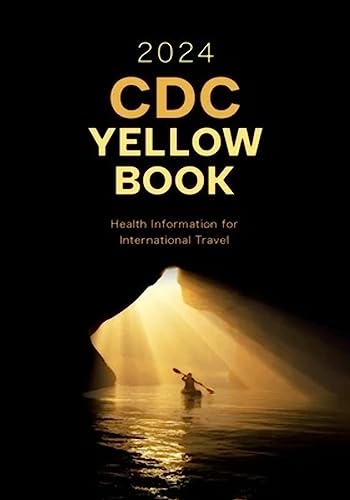
CDC Yellow Book 2024
FEATURED IN THIS EDITION: · Precautions for international travelers during the coronavirus disease 2019 (COVID-19) pandemic, including links to updated information on related CDC and US government web
Check Price on AmazonEmergency medical and evacuation limits
- Emergency medical coverage: pays for doctor/hospital bills when you’re traveling. For international trips, look for at least $100,000 per person; $250,000 is more comfortable for destinations with higher medical costs.
- Emergency medical evacuation (transport to the nearest adequate facility or back home when medically necessary): families should target $250,000–$500,000 per person, especially for cruises, remote areas, or ski trips.
- Primary vs. secondary medical: Primary coverage (pays first, without waiting on your health plan) is simpler with kids. Secondary coverage only pays what your regular health insurance doesn’t. If your domestic plan doesn’t cover care abroad, primary can be worth a small premium bump.
- Deductible (the amount you pay out of pocket before coverage kicks in): Many family‑focused comprehensive plans have a $0 deductible. Some medical‑only plans let you choose $0–$250 to adjust your premium.

Adventure Medical Kits Adventure First Aid Medical Kit 2.0
View on AmazonWhy this matters for families: Kids aren’t shy about scooters, buffets, or bumpy trails. A higher evacuation limit helps if you need an air ambulance after a fall or severe illness.
Trip cancellation and interruption
- Trip cancellation: reimburses prepaid, non‑refundable costs if you cancel before departure for a covered reason (like a serious illness or injury).
- Trip interruption: similar, but if you have to cut the trip short mid‑travel.
- Family‑friendly covered reasons to look for:
- Illness or injury of you, a traveling companion, or a family member back home (with a doctor’s note).
- School year extension for a student or teacher in your party (some plans include “school year extension” or “mandatory exam rescheduling” as a covered reason—verify exact wording; not universal).
- Job loss or required work (varies; some exclude needed shift changes).
- Complications of pregnancy (complications only; routine pregnancy or childbirth is usually excluded—see pregnancy section below).
- Adoption or court‑ordered guardianship changes (select plans; check wording).
Consider Cancel For Any Reason (CFAR): an optional upgrade that typically reimburses 50–75% of your trip cost if you cancel for reasons not normally covered (e.g., you’re uneasy about travel, your toddler’s separation anxiety spikes). CFAR usually requires you to buy within 10–21 days of your first trip payment and cancel at least 48 hours before departure.
Baggage and belongings (including kid gear)
- Baggage loss/damage typically has per‑person and per‑item limits. Strollers, car seats, and sports gear often hit per‑item caps (commonly $250–$500). If you’re traveling with a $900 stroller, confirm the single‑item limit and whether “special items” (cameras, jewelry, electronics) have lower sublimits.
- Baggage delay pays for essentials if bags are late (think diapers, formula, clothes). Look for reasonable delay thresholds (6–12 hours) and daily maximums that match real costs for a family.
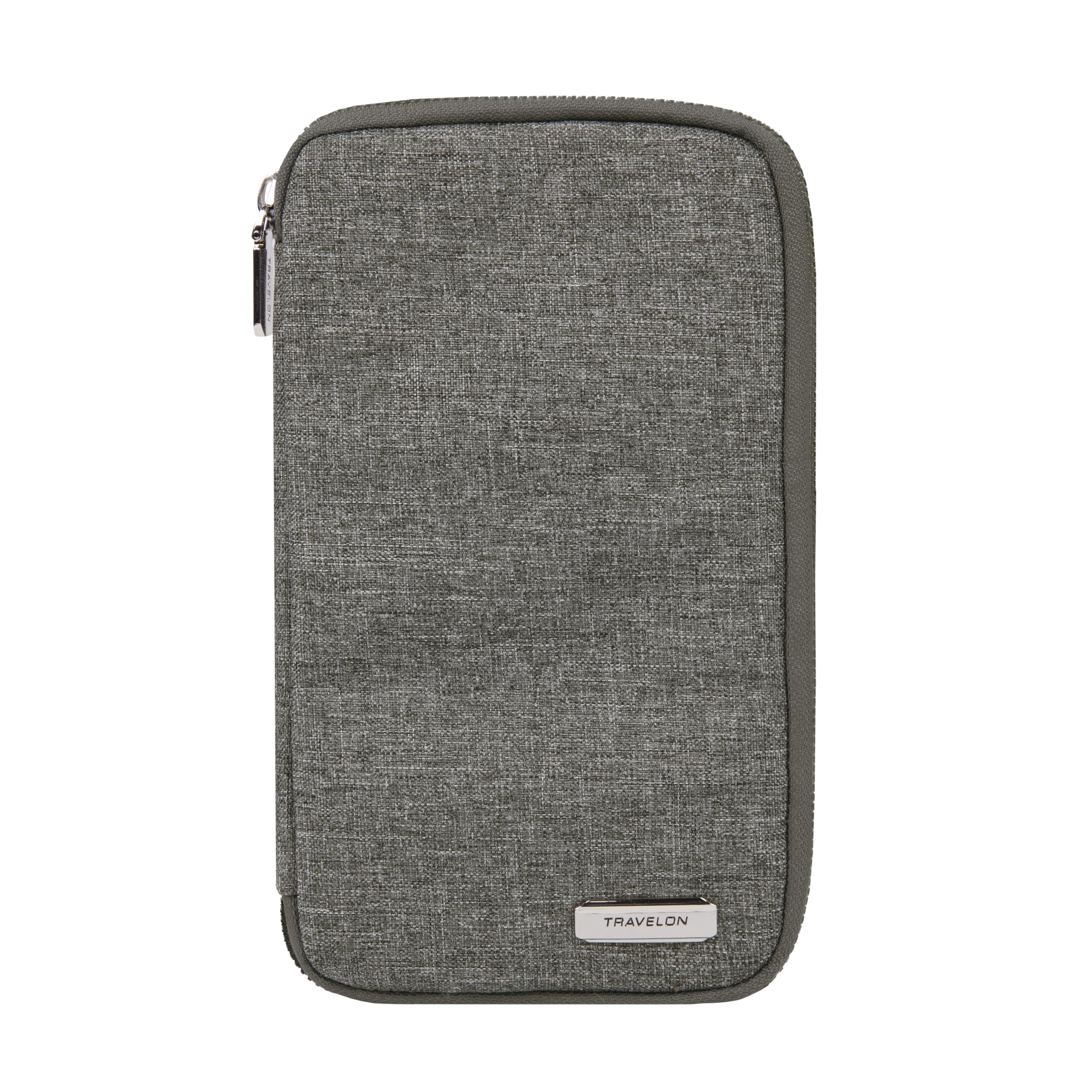
Amazon.com | Travelon RFID Blocking Family Passport Wallet | Passport Wallets
View on AmazonMissed connection and trip delay
- Missed connection helps you catch up to a cruise or tour if a carrier delay causes you to miss the departure.
- Trip delay covers meals, lodging, and extra transportation during covered delays.
- Families benefit from higher per‑person daily limits because housing and food multiply quickly with kids.
Per‑person vs. aggregate family limits
Many plans quote limits per person (e.g., $100,000 emergency medical per insured traveler). Some also cap certain benefits at a family aggregate (one shared pot). With four people, a $1,000 “family” baggage limit vanishes fast—prefer per‑person baggage/delay limits where possible.
Are children covered free?
Some carriers include one (or more) child under a certain age per insured adult at no extra cost. Watch for:
- Age caps (commonly under 17; sometimes under 18 or 21 if a full‑time student).
- The child must be listed on the policy to be covered.
- Kids‑free promos may apply only to base medical and cancellation, not to add‑ons like CFAR or adventure sports.
- If traveling with grandparents or a single parent, clarify how “child free” benefits apply.
Policy types and typical family costs
Single family policy vs. separate individual plans
- Single family (or group) policy keeps everyone on one certificate and can simplify claims and assistance if plans change mid‑trip.
- Separate individual policies can make sense if travelers have different trip costs, ages (e.g., grandparents), or coverage needs. You can still pick the same plan design for consistency.
Annual family/multi‑trip options
If you take 2–3+ trips per year, an annual family plan can be cost‑effective. Annual plans often emphasize medical/evacuation and trip interruption for work travel; some include cancellation but with stricter per‑trip caps and maximum trip length (commonly 30–45 days).
How premiums shift with child ages and headcount
- Children under 17 are sometimes priced lower—or included at no extra charge when tied to an insured adult.
- Teens near adult ages can be priced similarly to adults in some plans.
- More travelers usually means higher total cost, but not always linearly if kids are “no‑cost” dependents under a promo.
Deductible choices
For medical‑first or annual medical plans, a higher deductible (e.g., $250) usually lowers the premium; many comprehensive (cancellation) policies come with $0 deductible on medical.
Real‑world premium examples (typical ranges)
Not a quote—actual costs vary by ages, state, trip cost, timing, and carrier. These examples show ballparks families often see.
- Domestic beach week: 2 adults (35), 2 kids (6 & 9), 7 nights, $3,000 prepaid airfare/hotel.
- Mid‑tier comprehensive (100% cancellation, $100k med/$300k evac): roughly 4–6% of trip cost = $120–$180 total. “Kids free” promos can bring it to about $90–$150 if available.
- Europe 10 days: 2 adults (40), 2 kids (7 & 10), $8,000 trip.
- Balanced comprehensive ($100k med/$500k evac, robust delay/missed connection): about 5–8% = $400–$640. Add CFAR and expect ~40–60% more (about $560–$1,000 total).
- Japan 14 days: 2 adults (38), 1 toddler (3), 1 infant (9 months), $12,000 trip.
- Premium comprehensive with CFAR and high evacuation (≥$500k): commonly 7–10% = $840–$1,200+. A medical‑only annual plan (no cancellation) for frequent travelers might run $300–$600 per family, but won’t reimburse prepaid trip costs.
- Alaska cruise with grandparents: 2 parents (45), 2 teens (15), 2 grandparents (70), $7,000 trip.
- Mixed ages push premiums up; it’s typical to see 8–12% ($560–$840) for comprehensive plans with higher evac and missed‑connection benefits. Consider separate policies for seniors if limits/waivers differ.
Exclusions and family‑specific gotchas to check
Pre‑existing condition waivers
- Pre‑existing condition: any illness or condition for which you had symptoms, testing, medication changes, or treatment during the plan’s look‑back period (often 60–180 days) before buying the policy.
- Waiver: Many comprehensive plans waive that exclusion if you:
- Buy within 10–21 days of your first trip payment,
- Insure 100% of your non‑refundable trip costs, and
- Are medically able to travel on the purchase date.
- Why it matters: If your child has asthma, or a grandparent has a stable heart condition, a waiver can be the difference between a paid or denied claim.
Pregnancy and newborn rules
- Routine pregnancy and normal childbirth are typically not covered reasons to cancel. Complications of pregnancy are usually covered if verified by a doctor.
- Travel late in pregnancy: Some plans exclude coverage after a certain week (e.g., 26–32 weeks) or airlines may restrict flying—neither is a covered reason unless your plan says so.
- Newborns: Many plans require a minimum age (e.g., 14 days old) to be eligible for medical coverage. If you add a new baby after booking, you may need to adjust your policy quickly, and cancellation due to a normal birth is often not covered.
- Adoption/fostering: Some policies list newly adopted or court‑ordered guardianship changes as covered reasons—verify the exact wording.
Adventure and sports coverage for kids
- Standard plans often exclude higher‑risk activities (organized sports, mountaineering above certain elevations, scuba beyond depth limits, off‑piste skiing). If your trip includes zip‑lining, skiing, or scuba, look for a sports or adventure add‑on that covers the specific activity and rented equipment.
Pandemic/COVID language
- Many plans now treat COVID‑19 like any other covered illness for medical and trip cancellation, but government travel bans, border closures, or fear of travel are usually not covered. CFAR remains the flexible (partial) safety valve if rules change and you choose not to go.
Rental cars and high‑value items
- Collision Damage Waiver (CDW) in travel insurance can cover damage to a rental vehicle, but it rarely includes liability (injury or property damage you cause to others). For liability, you typically need the rental company’s liability coverage or rely on your personal auto policy if it extends to rentals domestically.
- High‑value item sublimits: Cameras, laptops, jewelry, and strollers often have lower caps—document values and consider leaving irreplaceable items at home.
If you want to review rental car liability options at home, you can compare auto policies here: Compare Car Insurance: Best Coverage and Price Today (/auto-insurance/compare-car-insurance).
How to compare plans and pick the best fit
A quick, practical framework (“what to look for”)
- Your must‑haves by trip type
- International: ≥$100k emergency medical, ≥$250k evacuation, primary if your health plan is weak abroad.
- Cruises/tours: missed connection coverage; higher evac limits; pre‑existing waiver if anyone has ongoing conditions.
- Ski/adventure: sports add‑on that explicitly lists your activities.
- Expensive, non‑refundable trips: strong cancellation/interruption, consider CFAR for flexibility.
- Covered reasons that matter to families
- Look for language around school year extension/mandatory exams (if you’re a teacher/student family), job loss, and caregiver issues.
- Kid‑specific perks
- Children covered free with full benefits, reasonable baggage single‑item limits for strollers/car seats, low baggage‑delay thresholds.
- Claims reputation and assistance
- 24/7 assistance line, in‑app claims, clear document checklists, and strong customer reviews for paying legitimate claims on time.
- Price check across 3–5 carriers
- Use identical trip details to compare apples to apples. Small differences in medical limits, per‑item baggage caps, or delay thresholds can justify a slightly higher premium.
CTA: Want to see your real numbers for the next trip? Comparing quotes side‑by‑side from a few top carriers is the simplest way to zero in on the right fit for your family.
Red flags to avoid
- International medical limits under $50,000 or evacuation under $250,000.
- “Kids free” offers that quietly strip out key benefits or cap total family coverage too low.
- Baggage single‑item limits below $250 if you’re packing pricey strollers or cameras.
- CFAR with low reimbursement (50%) when you expect 75%—and remember the 48‑hour pre‑departure rule.
- No option for a pre‑existing condition waiver when you need one.
- Trip delay benefits that kick in only after 12–24 hours if you’re taking short hops with kids.
Sample family scenarios and plan types that tend to fit
- Beach week with toddlers (domestic): Mid‑tier comprehensive with strong trip delay (meals/hotel/diapers), per‑person baggage, and $50k–$100k medical. Kids‑free promo is a nice sweetener.
- Europe with preschoolers: Comprehensive plan with at least $100k medical/$500k evac, missed connection, and baggage delay at 6–12 hours. Consider CFAR if you’re on the fence.
- Ski trip (Colorado or Alps): Comprehensive plus sports add‑on; check rental equipment coverage and higher evacuation. Confirm off‑piste rules.
- Cruise with grandparents and teens: High evacuation, robust missed‑connection to catch up to ports, and pre‑existing waiver (buy within the early‑purchase window and insure full trip cost). Consider separate policies if seniors need different limits.
- New baby on the way: If you’re near the third trimester or not sure how you’ll feel, CFAR can preserve part of your investment. Understand that routine pregnancy/newborn arrival isn’t a covered cancellation reason on most plans.
Quotes, claims, and your next steps
How to evaluate quotes fast
- Verify per‑person vs. aggregate limits.
- Confirm covered reasons important to your family (school year extension, pre‑existing waiver, pregnancy complication language).
- Match medical/evac limits to trip risk (international, cruise, remote areas).
- Decide on CFAR for flexibility.
- Compare at least 3–5 options with identical inputs.
If you want a primer first, skim Travel Insurance: Common Questions Answered (/life-insurance/travel-insurance-common-questions), then come back and run quotes. It will make your comparisons faster and more confident.
Claims tips families actually use
- Call the 24/7 assistance line as soon as something happens; log names, times, and instructions.
- Save everything: doctor notes, receipts, airline delay notices, baggage reports.
- File promptly and respond to requests quickly to keep things moving.
Quick checklist for buying and saving
- Buy early (within 10–21 days) to keep CFAR and pre‑existing waivers available.
- Insure only the non‑refundable parts of your trip cost.
- List every traveler accurately, including kids covered “free.”
- Confirm your health plan’s coverage abroad; choose primary travel medical if it’s thin.
- Inventory high‑value items; consider leaving irreplaceables at home.
- Read the exclusions page—twice—before you check out.
CTA: Ready to find the best fit? Compare side‑by‑side quotes for your family’s ages, destination, and trip cost. It’s the most reliable way to see real coverage and pricing in minutes.
Note: This guide is general education, not personal advice. For tailored recommendations, speak with a licensed agent who can review your family’s health history, travel plans, and budget.
Recommended Resources
CDC Yellow Book 2024
FEATURED IN THIS EDITION: · Precautions for international travelers during the coronavirus disease 2019 (COVID-19) pandemic, including links to updated information on related CDC and US government web
Adventure Medical Kits Adventure First Aid Medical Kit 2.0
This first aid kit is not meant to be a substitute for seeking professional medical care. Review contents of kit and instructions before using. Obtain training on first aid and CPR. First aid for a gr
Amazon.com | Travelon RFID Blocking Family Passport Wallet | Passport Wallets
<strong>SIZE: 4.75" W x 8.25"H x 0.75"D, WEIGHT: 0.23lb, or 3.7oz, MATERIAL: Nylon</strong> ... tomtoc Passport Holder Family with RFID Blocking, Passport Wallet Women Men, with Airtag
Related Articles
- Best Health Insurance for Families: How to Compare Plans and Choose the Right Coverage
- Top-Rated Travel Insurance Companies Compared: Which Plan Is Right for Your Trip?
- Best Car Insurance Options for Families: Coverage, Savings, and Top Picks
- How to Choose the Right Travel Insurance: A Practical Guide to Coverage, Cost, and Claims
- Affordable Travel Insurance for Travelers: Get Smart Coverage Without Overpaying
- Types of Travel Insurance Policies — Which One Is Right for Your Trip?
- Affordable Travel Insurance Options: How to Find Budget Coverage That Still Protects You
- Best Life Insurance: Top Picks & How to Choose (2026 Guide)