
Home Insurance for Condos: The Essential HO-6 Guide to Coverage, Gaps, and Savings
You bought a condo for simplicity and low maintenance. So why does the insurance feel so complicated? If you’re sorting through what your HOA covers versus what you need, this guide to home insurance for condos (also called HO-6 insurance) breaks it down with plain-English answers, real examples, and smart ways to save—without leaving coverage gaps.
HO-6 condo insurance basics: what’s yours vs. what’s the HOA’s
At the simplest level, HO-6 insurance (the condo unit-owner’s policy) covers what’s inside your unit and your personal liability (your legal responsibility if someone is injured in your unit), while the association’s master policy covers the building, common areas, and shared liability.
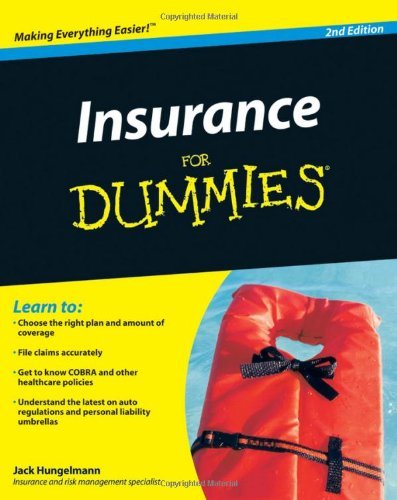
Insurance For Dummies?: Hungelmann, Jack
Whether you’re a homeowner or ... need on: ... Author Jack Hungelmann <strong>uses his twenty-five years of experience in the insurance industry to make buying insurance as simple as possible</strong>
Check Price on AmazonHere’s how the master policy is typically structured—and why it matters for your HO-6 limits:
- Bare walls-in: The HOA covers the structure up to the unfinished interior walls. You’re responsible for everything inside: drywall, paint, flooring, cabinets, fixtures, and any improvements.
- Single entity: The HOA covers the structure plus original builder-grade interior features. You’re responsible for upgrades and improvements you (or a prior owner) added—like higher-end floors, custom cabinets, or a remodeled bath.
- All-in (all-inclusive): The HOA covers the structure and most interior fixtures, including upgrades in some cases. You still need coverage for personal property, personal liability, loss of use, and often certain interior elements depending on bylaws.
Why this matters: Your HO-6 policy includes “building property” (often called Coverage A in HO-6) for interior finishes, built-ins, and improvements you’re responsible for. The type of master policy determines how much of this you need.
How to verify what your HOA covers:
- Ask for the master policy declarations page and the condo association’s CC&Rs/bylaws. The declarations page shows coverage limits, deductibles, and policy type. The bylaws explain who’s responsible for what.
- Confirm the master policy deductible. Some associations carry very high deductibles (e.g., $25,000–$100,000). If there’s a covered loss in your unit, your HOA may assess all or part of that deductible to you. Your HO-6’s loss assessment coverage can help—more on that below.
- Ask how upgrades and improvements are treated. If the master policy only restores to original specs, you need enough HO-6 building property coverage to replace your better finishes.
If you want a broader refresher on how home policies work in general before diving further into condo specifics, see our primer: Homeowners Insurance: A Complete Guide to Coverage, Costs & Quotes.
The coverages condo owners need (and key optional add-ons)
An HO-6 policy has several parts. Here’s what they typically include, what they mean in plain English, and how to right-size each one.
Building property (your interior finishes and improvements)
- What it covers: The interior elements you’re responsible for—drywall, paint, flooring, cabinets, countertops, built-in appliances, fixtures, and any upgrades or renovations you’ve made.
- How much you need: Estimate what it would cost to rebuild your interior from the studs to the way it looks today. A quick (very rough) rule of thumb for mid-grade finishes is $40–$100 per square foot, but costs vary widely by state, building type, and finish level.
- Example: You own a 1,000 sq. ft. unit with mid-grade finishes. At $60/sq. ft., you’d consider around $60,000 in HO-6 building property coverage. If your HOA’s master policy is all-in and includes upgrades, you may need little or none; if it’s bare walls-in, you’ll likely need more.
Replacement cost vs. actual cash value for building property:
- Replacement cost pays to rebuild with new materials of like kind and quality.
- Actual cash value (ACV) deducts depreciation (wear and tear), which can leave you short. Most HO-6 policies use replacement cost for building property, but confirm on your quote.
Personal property (your stuff)
- What it covers: Your belongings—furniture, clothing, electronics, kitchenware, décor—anywhere in the world, not just inside the unit.
- How much you need: Add up major items and use a quick inventory (photos + a spreadsheet or an app) to estimate. Many people underestimate this.
- Replacement cost vs. ACV: Ask for replacement cost coverage on personal property; otherwise claims may be paid at ACV, which reduces payouts for older items.
- Special limits: Jewelry, watches, art, collectibles, bicycles, and musical instruments often have low per-item limits (e.g., $1,500 for jewelry theft). You can “schedule” high-value items for their appraised value.
Personal liability and medical payments
- Personal liability covers you if you’re legally responsible for injuries or property damage to others—for example, a guest trips on your rug and breaks a wrist. Limits typically start at $100,000; many condo owners choose $300,000–$500,000, sometimes higher.
- Medical payments (no-fault) pays small amounts (often $1,000–$5,000) for minor injuries to guests, regardless of fault.
- When to consider more liability: If you have significant assets or higher risk factors (you host frequently, you own a dog, you short-term rent with the association’s permission), consider higher limits and possibly a personal umbrella policy (an extra layer of liability protection that typically starts at $1 million).
Loss of use (additional living expenses)
- If a covered claim makes your home unlivable, this helps pay for hotel stays, short-term rentals, meals, and increased living costs while repairs are made. Limits are often a percentage of your personal property limit or a set dollar amount.
Loss assessment coverage (critical for condo owners)
- This helps pay your share of an assessment by the association after a covered loss to common property or for the master policy deductible (subject to policy terms).
- Typical default limits are $10,000, but many associations carry higher deductibles. Consider increasing this to match the HOA deductible or potential assessments.
- Important: Loss assessment usually applies only to covered perils (for example, wind or fire) and may exclude assessments for maintenance issues or certain perils like earthquake or flood unless you add endorsements.
Water backup and sewer overflow endorsement
- Condo buildings share vertical plumbing stacks. A backup can damage your unit and belongings. Standard HO-6 policies typically exclude this; add an endorsement with a limit that makes sense for your finishes and contents (often $5,000–$25,000, higher is available).
Ordinance or law coverage
- If codes have changed since your building was constructed, repairs may need upgrades (e.g., electrical, fire sprinklers). Ordinance or law helps with the increased cost to bring things up to current code after a covered loss. Check if your master policy already provides some; consider adding to your HO-6 as needed.
Identity theft/fraud expense and cyber
- Low-cost add-ons can help with expenses and support if you’re a victim of identity theft or certain cyber incidents. Not essential for everyone, but useful for peace of mind.
Earthquake and flood
- Standard HO-6 policies don’t cover flood or earthquake. If you’re in a higher-risk area, consider separate policies. Your HOA may carry a master flood policy, but it may not fully protect your unit’s interior and personal property. Ask exactly what’s covered.
Choosing deductibles and limits
- Deductible: This is what you pay out of pocket before insurance pays. Higher deductibles generally lower your premium but increase out-of-pocket costs at claim time. For condos, many choose $500–$2,500 depending on risk tolerance.
- Limits: For building property and personal property, pick realistic numbers based on replacement cost, not what you originally paid. For liability, consider your net worth and potential exposure.
Pricing: what drives your HO-6 premium and how to shop smart
Condo insurance is usually less expensive than single-family homeowners insurance because the master policy covers the big structure. Still, rates vary—sometimes a lot—by state and by building.

Kidde Smoke & Carbon Monoxide Detector, 10-Year Battery, Voice Alerts , 1 Count ( Pack of 1) - Amazon.com
View on Amazon
Govee WiFi Water Leak Detector 3 Packs, Leak Alert with Remotely Email/APP Push and Sound Alarm, Smart Water Sensor with 100dB Adjustable Alarm, Suit for Home and Basement - Amazon.com
View on AmazonKey factors that affect what you pay:
- Location and catastrophe risk: Coastal wind, hurricanes, hail, and wildfire exposure can push rates up. Urban high-rises may have different pricing dynamics than small walk-ups.
- Building characteristics: Age, construction type (frame vs. fire-resistive), presence of sprinklers and monitored alarms, and plumbing/electrical updates matter.
- Your coverage choices: Higher limits, replacement cost on personal property, and add-ons (water backup, loss assessment) increase premiums but close big gaps.
- Claims history: Both yours and, in some cases, recent building-level losses can influence pricing or eligibility.
- Credit-based insurance score (where allowed): In most states, insurers use this as a pricing factor. It’s not your credit score itself, but it’s directionally related.
- Discounts: Bundling with auto, protective devices (smoke detectors, water leak sensors, alarm systems), claim-free history, and loyalty discounts may apply.
How to compare HO-6 quotes the right way:
- Match coverage apples-to-apples. Same building property limit, same personal property limit, same deductible, and same endorsements (loss assessment, water backup, ordinance or law).
- Confirm replacement cost on contents. If one quote uses ACV for personal property and another uses replacement cost, the cheaper one may not be a fair comparison.
- Check sublimits and special limits. Jewelry, bikes, collectibles, and water backup limits can vary widely.
- Ask how the policy handles master policy deductibles and assessments. Some carriers offer specific endorsements that broaden loss assessment for master deductibles.
- Consider liability needs first, then price. Raising liability from $300,000 to $500,000 is often a modest cost increase relative to the protection it adds.
If you want a broader walkthrough on shopping steps and cost levers, see our Home Insurance Guide 2026 — Compare Quotes, Coverage & Costs.
Smart savings moves (without cutting critical coverage):
- Bundle with your auto for a multi-policy discount.
- Install monitored smoke/CO alarms and water leak sensors; tell your insurer.
- Choose a sensible deductible (e.g., $1,000–$2,500) that you can afford if something happens.
- Keep your personal property inventory current; don’t overinsure or underinsure.
- Review annually, especially if the HOA changes master policy deductibles or coverage.
When to consider an umbrella policy or higher liability limits:
- You have meaningful assets or future income to protect.
- You regularly host gatherings in your unit.
- You have a dog or other potential liability exposures.
- You rent your unit (short-term or long-term) with HOA approval—ask about specific endorsements for rental liability.
The fastest way to see what you would actually pay is to compare quotes from 3–5 carriers. Rates vary by building and state, so personalized quotes are more useful than averages.
Real-world scenarios: how coverage works
- Water leak from upstairs neighbor: A supply line bursts in the unit above and damages your ceiling, drywall, floors, and furniture. The HOA master policy may cover the building structure depending on policy type, but your HO-6 likely handles interior finishes you’re responsible for and your personal property. Your insurer may seek reimbursement from the upstairs owner’s insurer later (called subrogation). Tip: Get water backup coverage in case it’s a drain or stack backup rather than a burst supply line.
- Master policy deductible assessment: A hailstorm damages the roof; the HOA files a master claim with a $100,000 deductible and assesses each unit $2,000. Your HO-6 loss assessment coverage can help if hail is a covered peril and the assessment is tied to a covered property loss.
- Kitchen fire contained to your unit: Your HO-6 building property covers cabinets and flooring you own responsibility for; your personal property coverage replaces smoke-damaged items; loss of use covers your temporary hotel if the unit is uninhabitable.
- Slip-and-fall in your unit: Your guest is injured; your personal liability responds. If someone is injured in a common hallway due to poor lighting, that’s typically the HOA/master policy’s liability, not yours—though facts matter, and claims can be complex.
Practical, action-oriented guidance for condo buyers and owners
How to coordinate claims with the HOA
- Mitigate first. For water losses, shut off water, move belongings to prevent further damage, and document everything with photos/videos.
- Notify both parties promptly. Contact your property manager/HOA and your insurance company. Ask the HOA which policy they believe applies (master vs. your HO-6) and note the master policy deductible.
- Share documents. Provide your HO-6 insurer with the master policy declarations and relevant bylaw sections. This speeds up coordination.
- Keep receipts. For emergency repairs, cleanup, and additional living expenses (hotels, meals). Your loss of use coverage may reimburse increased costs, not your entire rent/mortgage.
- Expect adjusters on both sides. There may be a master policy adjuster for building damage and your HO-6 adjuster for interiors and contents. Cooperation helps avoid delays.
- Understand subrogation. Your insurer may pursue another party (e.g., an upstairs unit owner) if they’re legally responsible. Let the insurers sort this out; avoid side deals.
Common condo coverage gaps (and how to close them)
- Underinsured building property due to upgrades: If your unit has $40,000 in upgrades but you only carry $10,000 of building property, you’ll eat the difference. Adjust your limit after remodels.
- Low loss assessment limits vs. high HOA deductibles: If the HOA carries a $50,000 deductible and your loss assessment limit is $10,000, consider increasing it.
- No water backup: Stack backups are a classic condo problem and can be very expensive. Add coverage at a realistic limit.
- ACV on contents: Opt for replacement cost on personal property. ACV payouts on older items can be disappointing.
- Short-term rental gaps: Hosting guests without the right endorsements can void coverage. Get your HOA’s written approval and talk to a licensed agent about proper endorsements.
Key questions to ask the HOA before you buy (or at your next annual meeting)
- What type of master policy do we have (bare walls-in, single entity, or all-in)?
- What are the master policy limits and deductible? Who pays the deductible if damage originates in a single unit?
- How are unit upgrades/improvements handled after a covered loss?
- Do we have flood or earthquake coverage at the association level? If yes, what does it include?
- Any recent or pending claims or special assessments?
- Are there building safety features (sprinklers, monitored alarms, water shutoff systems) that may help with insurance pricing?
- Are rentals allowed, and under what rules? Any pet restrictions?
Checklist: documents and info to keep on hand
- HOA master policy declarations page and certificate of insurance
- Condo bylaws and CC&Rs (sections on maintenance and insurance responsibilities)
- An up-to-date home inventory with photos/videos of belongings
- Receipts/appraisals for upgrades and high-value items (jewelry, art, bikes)
- Contact info for property manager, HOA board, and your insurance agent
- Proof of protective devices (alarm certificate, water sensor purchase)
- Mortgage/lender insurance requirements
What to look for when choosing home insurance for condos
- Clear alignment with your HOA’s master policy: Your agent should review the declarations and bylaws to size your building property and loss assessment limits.
- Replacement cost on personal property: Avoid ACV when possible.
- Adequate water backup and ordinance or law limits: These are big-ticket gaps in many condo claims.
- Sufficient liability: Start at $300,000; consider $500,000 or a $1M umbrella if your assets or activities warrant it.
- Strong claims coordination: Ask how the insurer handles master-policy–unit-policy claims and whether they have condo claims experience.
Ready to see real prices for your building and coverage needs? The fastest way to know what you’ll actually pay is to compare quotes from 3–5 carriers. We can help you get started with side-by-side options tailored to your HOA’s setup.
For broader context on how home insurance fits together, you can also scan: What Does Home Insurance Cover?
Quick example: pricing and coverage in practice
Say you’re a 35-year-old condo owner in a mid-rise building with sprinklers. The HOA has an all-in master policy with a $50,000 deductible. You choose:
- $40,000 building property (to cover some upgrades)
- $50,000 personal property with replacement cost
- $500,000 personal liability
- $20,000 loss assessment
- $10,000 water backup
- $1,000 deductible
Depending on your state, building age, claim history, and credit-based insurance score, a setup like this might price from roughly $20–$70 per month. That’s a wide range, and it’s only a ballpark—actual premiums vary by individual circumstances and the building’s risk profile.
Note: Always consult a licensed agent for personalized advice based on your HOA documents and your unit’s specifics. They can match coverage to your real risks and budget.
Next steps
- Gather your HOA master policy declarations and bylaws.
- Inventory your finishes and belongings (photos + rough replacement cost estimates).
- Decide on must-have endorsements (loss assessment, water backup, replacement cost on contents).
- Get personalized HO-6 quotes from 3–5 insurers and compare apples-to-apples.
Want help making this fast and painless? We can connect you with licensed agents who will review your HOA documents and quote multiple carriers so you can pick the right coverage at a fair price—no pressure, just clarity.
Recommended Resources
Insurance For Dummies?: Hungelmann, Jack
Whether you’re a homeowner or ... need on: ... Author Jack Hungelmann <strong>uses his twenty-five years of experience in the insurance industry to make buying insurance as simple as possible</strong>
Govee WiFi Water Leak Detector 3 Packs, Leak Alert with Remotely Email/APP Push and Sound Alarm, Smart Water Sensor with 100dB Adjustable Alarm, Suit for Home and Basement - Amazon.com
Govee WiFi Water Leak Detector 3 Packs, <strong>Leak Alert with Remotely Email/APP Push and Sound Alarm, Smart Water Sensor with 100dB Adjustable Alarm, Suit for Home and Basement</strong> - Amazon.co
Kidde Smoke & Carbon Monoxide Detector, 10-Year Battery, Voice Alerts , 1 Count ( Pack of 1) - Amazon.com
The Kidde combination smoke and carbon monoxide alarm is powered by a <strong>10-year lithium battery</strong>, which eliminates the need for battery replacement, while providing coverage during a pow
Related Articles
- Insurance Basics for Beginners: What to Know Before You Buy
- Homeowners Insurance: A Complete Guide to Coverage, Costs & Quotes
- Home Insurance in Hawaii: Coverage, Costs & Best Companies
- Must‑Ask Questions About Home Insurance: What Every Homeowner Should Ask
- Home Insurance Guide 2026 — Compare Quotes, Coverage & Costs
- Home Insurance vs Renters Insurance: Key Differences, Real-World Examples, and Which One You Need
- Best Home Insurance for Renters: Compare Coverage, Cost & Top Picks
- Home Insurance in Connecticut: Coverage, Costs & Best Companies