
Why Travel Insurance Matters: Risks, Coverage That Counts, and How to Choose
You booked the flights. The hotel is nonrefundable to get the best rate. Now you’re staring at the checkout page wondering: Do I really need travel insurance? Here’s the short answer: the importance of travel insurance is that it protects your trip savings and your health abroad when things go sideways — and those “what-ifs” can get very expensive very fast.
If you want a quick refresher on what it includes, see our plain-English overview: What Is Travel Insurance? A Practical Guide to Coverage, Costs, and When You Need It.
The importance of travel insurance, by the numbers
When people ask if travel insurance is “worth it,” what they’re really asking is how much money is on the line if something goes wrong. Here’s the real-world exposure most travelers don’t see until it’s too late.
- International medical bills: In most countries, you’ll pay out of pocket if you get sick or injured as a visitor. A routine ER visit can run $500–$2,000. An overnight hospital stay commonly costs $3,000–$10,000. A fractured wrist from a scooter fall in Thailand or Italy can easily hit $2,000–$5,000 including X‑rays and casting. A heart attack evaluation and treatment abroad can reach $20,000–$50,000 or more.
- Emergency medical evacuation (getting you to the nearest appropriate hospital or back home): Typically $20,000–$75,000 from the Caribbean or Central America; $100,000–$250,000 from Europe; $200,000–$500,000+ from remote locations or if you need an air ambulance with medical staff.
- Trip cancellation (nonrefundable, prepaid costs if you must cancel for a covered reason): If your $4,000 safari is nonrefundable and your child gets the flu the day before departure, that’s a $4,000 loss without coverage.
- Trip interruption (cutting a trip short due to a covered reason): You could lose the remaining nonrefundable value, plus pay last‑minute flight changes that can add $500–$2,000 per ticket.
- Travel delay expenses: Weather diverts your flight overnight. Without coverage, expect $150–$400 for hotel and meals; families often spend $500+.
- Baggage loss/theft: Airlines usually cap liability and reimburse slowly. Replacing a lost checked bag can easily cost $1,000–$2,500 between clothes, shoes, and toiletries. Camera or laptop theft in a busy city can add another $1,000–$2,000.
Typical comprehensive travel insurance costs about 3%–8% of your insured trip price (depending on your age, state, destination, and plan). Medical-only plans for international trips can be even less. The importance of travel insurance becomes clear when you compare a few hundred dollars in premium to potential five‑ or six‑figure risks.
Core coverages and smart add‑ons: what actually matters for your trip
Not every trip needs the same protection. Here’s what each coverage does, and when it tends to matter most. For a deeper dive into plan types, see Types of Travel Insurance Policies — Which One Is Right for Your Trip?.
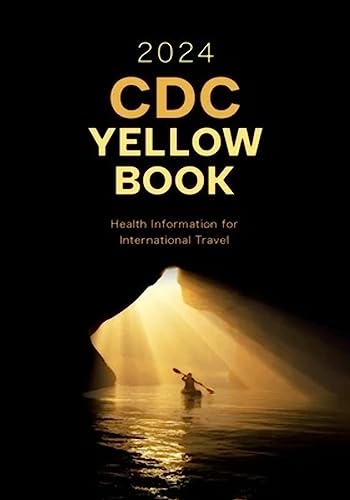
CDC Yellow Book 2024
FEATURED IN THIS EDITION: · Precautions for international travelers during the coronavirus disease 2019 (COVID-19) pandemic, including links to updated information on related CDC and US government web
Check Price on AmazonEmergency medical insurance
- What it is: Covers medically necessary care if you get sick or injured while traveling. Look for primary coverage (pays first) rather than secondary (pays after any other insurance).
- Deductible: The amount you pay out of pocket before insurance pays. Many plans have a $0–$250 deductible; lower is better if you can afford it.
- What to look for: For international travel, aim for at least $100,000 in medical coverage. For cruises or remote destinations, consider $250,000.
- Who needs it: Anyone leaving their home country. Your domestic health plan may provide limited or no coverage abroad, and Medicare typically doesn’t cover you outside the U.S.
Emergency medical evacuation and repatriation
- What it is: Pays to transport you to the nearest appropriate hospital or back home if medically necessary. Repatriation returns your remains if you die while traveling.
- What to look for: At least $250,000 in evacuation coverage for international trips; $500,000 is prudent for cruises, high‑altitude trekking, or remote areas.
- Who needs it: International travelers, cruisers, adventure travelers, and anyone visiting areas with limited medical facilities.
Trip cancellation
- What it is: Reimburses 100% of your prepaid, nonrefundable trip costs if you cancel for a covered reason (for example, you’re sick, a family member is hospitalized, your home is made uninhabitable by a covered disaster, or your airline goes on strike).
- Tip: Insure only the truly nonrefundable parts. If a hotel allows cancellation with a full refund until 48 hours before arrival, you don’t need to insure that portion.
- Who needs it: Travelers booking expensive, nonrefundable trips; families with competing schedules; anyone traveling during peak storm seasons.
Trip interruption
- What it is: Reimburses unused, nonrefundable trip costs and extra transportation to get home early for a covered reason.
- What to look for: 100%–150% of trip cost for interruption can help cover last‑minute flights.
Travel delay
- What it is: Covers meals, local transport, and lodging when your trip is delayed by a covered reason for a specified time (often 6–12 hours).
- What to look for: $150–$300 per day with a solid per‑trip maximum ($500–$1,500).
Baggage loss, damage, or theft; baggage delay
- What it is: Helps replace or repair personal items if your bags are lost/stolen/damaged; baggage delay covers essentials (clothes, toiletries) if your bags are late.
- What to look for: $1,000–$3,000 total baggage coverage; know the sub‑limits for electronics, jewelry, and cameras (often $250–$500 per item). Baggage delay usually kicks in after 6–12 hours.

Apple AirTag (1st Generation) - 4 Pack. Keep Track of and find Your Keys, Wallet, Luggage, Backpack, and More. Simple one-tap Set up with iPhone or iPad, Bluetooth : Electronics
View on AmazonCancel For Any Reason (CFAR)
- What it is: An optional upgrade that lets you cancel for reasons not otherwise covered (for example, you just don’t feel safe, work gets busy, or you change your mind) and typically reimburses 50%–75% of your insured trip cost.
- Key rules: You usually must buy CFAR within 10–14 days of your first trip payment and insure 100% of prepaid, nonrefundable costs. You must cancel at least 48–72 hours before departure, depending on the policy.
- Who needs it: Travelers with unpredictable schedules or those who want maximum flexibility.
Which coverages matter for your trip type?
- Weekend domestic city break: Focus on trip delay, baggage, and modest medical ($50,000–$100,000). Cancellation matters if you booked nonrefundable flights/hotel.
- International vacation: Prioritize medical ($100,000+), evacuation ($250,000+), cancellation/interruption, and delay.
- Cruise: Go higher on medical/evacuation ($250,000–$500,000) and consider CFAR; ships may divert, and onboard medical care is limited.
- Adventure travel (skiing, trekking, diving): Confirm activity coverage and evacuation limits. Some plans exclude “hazardous activities” unless you add an adventure sports rider.
- Family travel: Solid cancellation/interruption and delay coverage are key; kids get sick at the worst times.
- Seniors or travelers with health conditions: Look for pre‑existing condition waivers and generous medical/evac limits. CFAR can add flexibility. (More here: Travel Insurance for Seniors: What to Cover, What to Watch, and How to Choose.)
Call to action: The fastest way to see what you’d actually pay is to compare quotes from 3–5 carriers for your exact trip details. After you finish this guide, take five minutes to line up options.
Limits, exclusions, timing, and claims — the fine print that actually matters
Insurance works best when you understand the boundaries. Here are the common gotchas and how to avoid them.
Pre‑existing conditions and look‑back periods
- Pre‑existing condition: Any illness, injury, or symptom you had before buying the policy. Insurers use a look‑back period (often 60–180 days) to check your medical history.
- Waiver: Many plans offer a pre‑existing condition waiver if you buy within 10–14 days of your first trip payment, are medically able to travel when you buy, and insure 100% of prepaid, nonrefundable costs. Without a waiver, related claims may be denied.
Activity and destination exclusions
- Hazardous activities: High‑risk sports (scuba below certain depths, mountaineering, heli‑skiing, motor sports) are often excluded unless you add an adventure rider. Read the definitions.
- Alcohol/drug exclusions: Injuries while under the influence are typically excluded.
- Travel advisories and sanctions: Some policies limit coverage if you travel to areas under certain government travel warnings or sanctioned countries.
Pandemic/epidemic clauses
- Many plans now explicitly define how epidemics are handled. Fear of travel isn’t a covered reason for cancellation unless you have CFAR. If you get sick with a covered illness (for example, COVID‑19) and a doctor advises you not to travel, cancellation can be covered under many current policies — but always verify.
Recommended policy limits and deductibles
- Medical: $100,000 minimum for international trips; $250,000–$500,000 for cruises, remote, or adventure travel.
- Evacuation: $250,000 minimum; $500,000 for cruises/remote.
- Cancellation/interruption: Equal to 100%–150% of your prepaid, nonrefundable trip cost.
- Baggage: $1,000–$3,000 total with clear per‑item sub‑limits. Consider separate coverage for high‑value electronics.
- Deductible: $0–$250 is common; lower deductibles reduce surprises at claim time.
When to buy
- Best window: Within 10–14 days of your first trip deposit to keep options open for CFAR and pre‑existing condition waivers.
- Last‑minute: You can usually buy until the day before departure for basic protections (medical, baggage, delay), but you’ll miss certain upgrades.
How to document and file a successful claim
- Keep everything: Receipts for every prepaid item you insure, booking confirmations, emails, and change records.
- Get proof: Airline delay/cancellation letters; Property Irregularity Report (PIR) for baggage issues; police report for theft; doctor’s note for illness/injury; hotel/airline statements about refunds/credits.
- Call the 24/7 assistance line first for medical or evacuation — they can pre‑authorize care and coordinate transport.
- File promptly: Most policies require notice within a set time and completed forms within 90 days. Follow instructions exactly.
- Be consistent: Your story, dates, and documents should align.
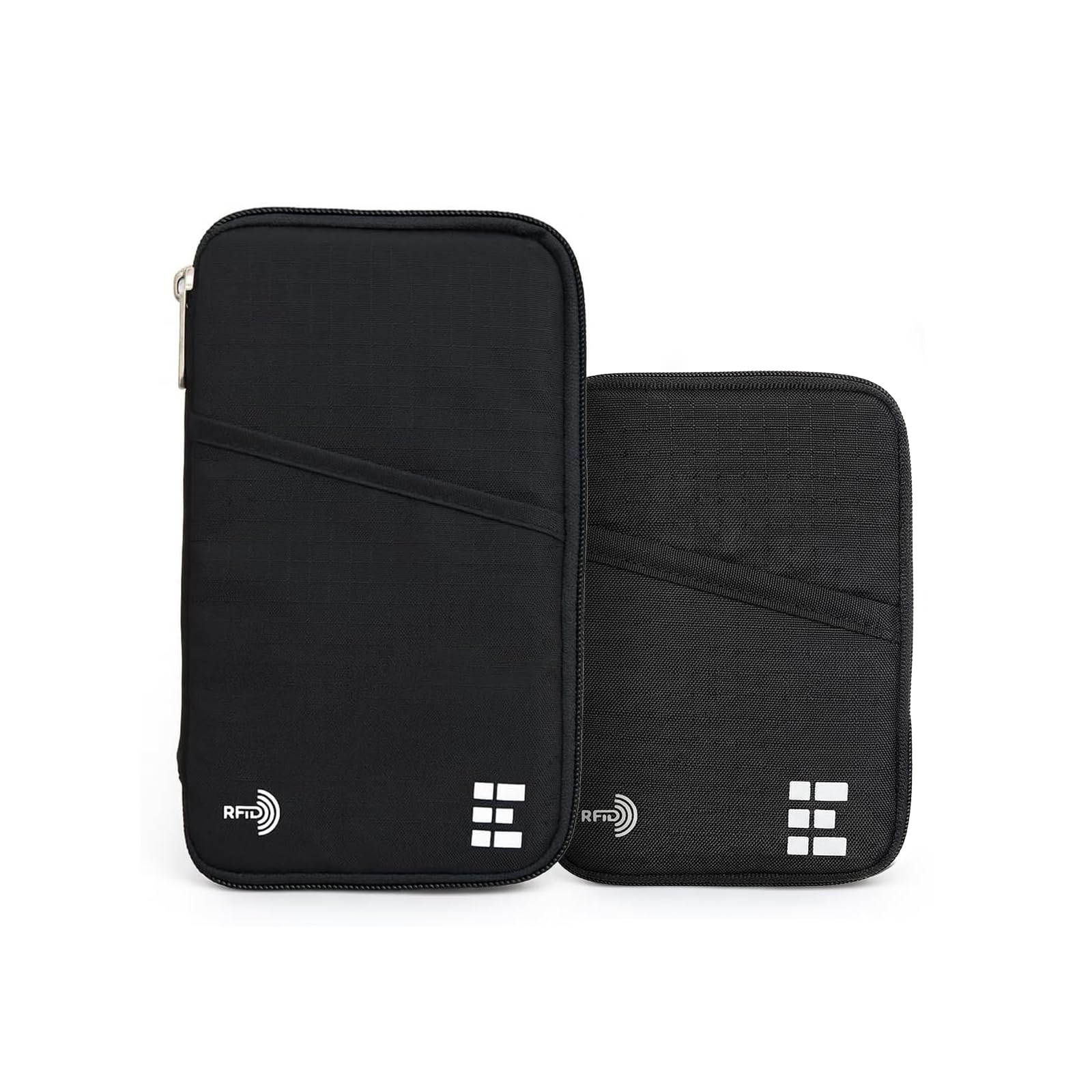
Amazon.com | Zero Grid RFID Family Passport Holder for up to 6 Passports, Large Zippered Wallet for Men & Women, Fits Cards, Cash, ID, Sim Card, AirTag; Premium & Compact Travel Document Holder - Midnight Black | Passport Wallets
View on AmazonHow to compare plans: cost vs. coverage, and red flags to avoid
Here’s what to look for when you line up quotes.
What to look for
- Medical first: Prioritize strong medical and evacuation limits for international trips.
- Primary medical coverage: Cuts paperwork and delays because the travel insurer pays first.
- Clear covered reasons: Read the cancellation/interruption list. If you need flexibility, add CFAR.
- Sensible delay triggers: Six to twelve hours is typical before delay benefits kick in.
- Pre‑existing condition waiver: Essential for many seniors and anyone with ongoing care needs.
- Strong assistance services: 24/7 multilingual help, medical coordination, and help replacing documents.
Red flags
- Tiny medical/evacuation limits (for example, $15,000 medical, $50,000 evac) for international trips — too low for real‑world emergencies.
- High deductibles that erase the value of smaller claims.
- “Secondary” medical only — not a dealbreaker, but know you may have to file elsewhere first.
- Many exclusions for common activities you plan to do (skiing, diving, scooter rentals).
- Vague wording around pandemics or travel advisories.
For help weighing coverage vs. cost, see our step‑by‑step guide: How to Choose the Right Travel Insurance: A Practical Guide to Coverage, Cost, and Claims. If you’re budget‑minded, you can also trim costs without losing essentials: How to Save on Travel Insurance: Smart Ways to Cut Premiums Without Losing Essential Coverage.
Sample scenarios that show value
- 35‑year‑old couple to Italy, $5,000 trip: A week before departure, one partner gets appendicitis. Without coverage: lose $5,000. With cancellation coverage: typically reimbursed because it’s a covered medical reason.
- Family ski trip, $6,500 prepaid: Storm shuts down your departure airport for two days. Without delay/interruption: pay out of pocket for two extra nights, meals, and you miss three prepaid ski days. With delay/interruption: meals/lodging covered, plus reimbursement for unused days.
- 68‑year‑old cruiser, $4,800 cruise: Chest pain onboard requires evaluation ashore. Medical plus evacuation could exceed $75,000. With $250,000 medical and $500,000 evac limits: significant financial protection, subject to policy terms.
- Solo traveler in Thailand: Scooter spill leads to ER visit, imaging, and stitches totaling $3,200. A $0‑deductible medical plan with primary coverage pays, avoiding reimbursement delays.
Call to action: Ready to see real numbers for your trip? Compare quotes from a few top carriers side by side — benefits and pricing vary by age, state, destination, and trip cost. Our comparison of leading providers can help you shortlist: Top-Rated Travel Insurance Companies Compared: Which Plan Is Right for Your Trip?.
Quick checklist: match a policy to your trip in 5 minutes
- Destination and risks: Domestic or international? Urban or remote? Any advisories?
- Trip cost insured: Only the nonrefundable pieces. Add more if you prepay later.
- Medical and evacuation limits: $100k/$250k minimum for international; higher for cruises/remote.
- Covered reasons vs. CFAR: Are you okay with the standard list, or do you need extra flexibility?
- Pre‑existing condition waiver: Buying within 10–14 days of deposit? Insuring 100% of costs?
- Activities: Any you plan that need an adventure sports rider?
- Delay/baggage: Are the triggers and per‑day limits sufficient for your itinerary?
- Deductible: Comfort level with $0–$250 to reduce surprise costs at claim time.
- Assistance services: 24/7 support and medical coordination available?
The bottom line: why travel insurance matters
The importance of travel insurance isn’t about being fearful — it’s about being practical. Trips are full of variables you can’t control: weather, illness, airline meltdowns, lost bags, and the simple fact that care abroad can be expensive. A well‑chosen policy shifts those risks off your balance sheet so you can enjoy the trip you planned.
If your next step is “just tell me what it’ll cost for my situation,” that’s fair. The fastest way to get there is to compare quotes from 3–5 reputable carriers using your actual ages, states, destinations, and trip costs. Small plan differences can matter a lot — and seeing them side by side makes it clear.
A quick note: All examples here are illustrative. Coverage and pricing vary by insurer, plan, age, state, destination, trip cost, and timing. Review policy documents, and consider speaking with a licensed agent for personalized advice.
Recommended Resources
CDC Yellow Book 2024
FEATURED IN THIS EDITION: · Precautions for international travelers during the coronavirus disease 2019 (COVID-19) pandemic, including links to updated information on related CDC and US government web
Apple AirTag (1st Generation) - 4 Pack. Keep Track of and find Your Keys, Wallet, Luggage, Backpack, and More. Simple one-tap Set up with iPhone or iPad, Bluetooth : Electronics
Amazon.com: Apple AirTag (1st Generation) - 4 Pack. Keep Track of and find Your Keys, Wallet, Luggage, Backpack, and More. Simple one-tap Set up with iPhone or iPad, Bluetooth : Electronics
Amazon.com | Zero Grid RFID Family Passport Holder for up to 6 Passports, Large Zippered Wallet for Men & Women, Fits Cards, Cash, ID, Sim Card, AirTag; Premium & Compact Travel Document Holder - Midnight Black | Passport Wallets
RFID Protection: Wallet <strong>includes 7 RFID blocking sleeves to help protect passports and cards from unauthorized scans while traveling domestically or internationally</strong>.
Related Articles
- How to Choose the Right Travel Insurance: A Practical Guide to Coverage, Cost, and Claims
- What Is Travel Insurance? A Practical Guide to Coverage, Costs, and When You Need It
- Travel Insurance for Seniors: What to Cover, What to Watch, and How to Choose
- How to Save on Travel Insurance: Smart Ways to Cut Premiums Without Losing Essential Coverage
- Why Health Insurance Matters: Protecting Your Health, Your Care, and Your Finances
- Affordable Travel Insurance for Travelers: Get Smart Coverage Without Overpaying
- Affordable Travel Insurance Options: How to Find Budget Coverage That Still Protects You
- Travel Insurance for Pre-Existing Conditions: What Travelers Need to Know