
Travel Insurance for Seniors: What to Cover, What to Watch, and How to Choose
You finally booked that dream cruise or long-postponed trip to Europe. Then someone mentions Medicare may not help you overseas. Now you’re wondering: Do I really need travel insurance for seniors, and what should it cover? Here’s what actually matters so you can protect your trip without overpaying.
Why travel insurance matters for seniors
Travel insurance for seniors addresses two big risks: unexpected medical needs away from home and losing prepaid trip costs if you have to cancel. For travelers in their 60s, 70s, and beyond, a few realities make coverage more important:
- Higher medical risk with age, even when you’re healthy
- Medicare gaps outside the U.S.
- Pricier evacuations from cruises and remote locations
- Greater chance you’ll need to cancel or interrupt a trip for health or family reasons
Typical age limits and eligibility
- Maximum ages: Many plans cover travelers well into their 80s, and some accept ages 90–100+. Others may cap coverage at 70–85. Eligibility varies by company and state.
- Benefit reductions: A few policies lower certain benefits (like accidental death or evacuation) above a given age. Always check the schedule of benefits.
- “Medically able to travel” rule: To qualify for certain features—like a pre-existing conditions waiver (more on that below)—you typically must be medically able to travel on the policy purchase date.
The top travel risks seniors should plan for
- Emergency medical care (sudden illness or injury). Most travel medical coverage is for unexpected issues—not routine care or ongoing treatment.
- Medical evacuation (transport to the nearest adequate facility) and repatriation of remains (transport of your body home if you pass away). Evacuation from a cruise or remote region can cost $75,000–$250,000+ depending on location and aircraft required.
- Trip cancellation/interruption for covered reasons, like a new illness, injury, hospitalization, or a sick family member.
- Delays and baggage issues, especially when traveling with medications or mobility aids.
If you’re just getting started with the basics, you may also find our general explainer helpful: Travel Insurance: Common Questions Answered.
Medical coverage in travel insurance for seniors
When you evaluate travel insurance for seniors, focus first on the medical side. That’s the risk that can derail a trip and your finances.
Emergency medical coverage
- What it is: Pays for covered, unforeseen medical treatment if you’re sick or injured during the trip. It generally excludes routine care and foreseeable treatment.
- Recommended limits: For international travel, many seniors target $50,000–$250,000 in emergency medical coverage. For cruises or remote travel, consider the higher end.
- Primary vs. secondary: Primary coverage (pays first) can speed up claims. Secondary coverage pays after any other collectible insurance, which can slow reimbursement. Policies clearly state this.
- Pre-authorization: Some plans require you to call their 24/7 assistance line before major treatment when medically possible. That call can also help you find suitable care.
Medical evacuation and repatriation
- What it is: Medical evacuation covers medically necessary transport to the nearest appropriate facility, not automatically “back home.” Repatriation of remains returns your body to your home country if you pass away on the trip.
- Recommended limits: For international trips, $100,000–$250,000 is common. For cruises, remote destinations, or limited local healthcare, seniors often choose $250,000–$500,000.
- Reality check: Evacuations are based on medical necessity and your condition—not convenience. Upgrades that promise “home country transport” still depend on physician approval and policy language.
How travel insurance interacts with Medicare
Here’s the short version most seniors rely on: Medicare typically does not cover medical care outside the U.S. and its territories. There are limited exceptions, like emergencies while traveling between Alaska and the lower 48 through Canada, or care on a cruise ship within six hours of a U.S. port when a U.S.-licensed physician is on board.
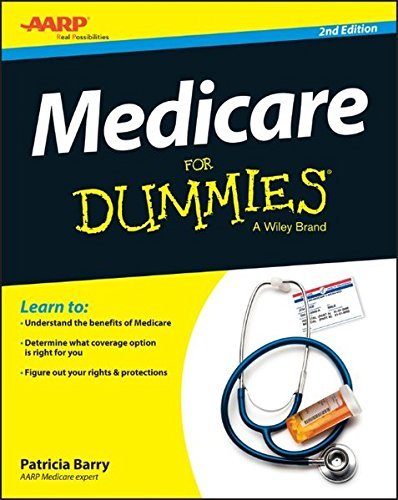
Medicare For Dummies: Barry, Patricia
That’s where Medicare For Dummies, <strong>4th Edition</strong> comes in, explaining how this complex system functions and helping you confidently navigate your way through the maze to get the most ou
Check Price on AmazonWhat about your specific setup?
- Original Medicare (Parts A and B): Generally no coverage abroad, with narrow exceptions.
- Medigap (Medicare Supplement): Some plans include a foreign travel emergency benefit (often up to a $50,000 lifetime maximum with a $250 deductible and 20% coinsurance), typically limited to the first 60 days of a trip. Details vary by plan letter.
- Medicare Advantage (Part C): Some plans include worldwide emergency coverage, but copays, deductibles, and limits vary widely. Always check your Evidence of Coverage.
Because Medicare-backed coverage is limited or inconsistent overseas, many seniors add a stand-alone travel medical or comprehensive travel insurance plan.
Pre-existing conditions: look-back periods and waivers
Key terms you’ll see—let’s decode them:
- Pre-existing condition: A medical condition (including symptoms or medication changes) that existed during the “look-back period” before your policy effective date. Look-backs are commonly 60–180 days, depending on the plan.
- Exclusion: Without a waiver, many policies won’t cover losses caused by a pre-existing condition.
- Pre-existing conditions waiver: A feature some plans offer if you buy within a set window (often 10–21 days of your first trip payment), insure 100% of your nonrefundable trip cost, and are medically able to travel when you buy. With the waiver, covered claims related to a pre-existing condition are typically eligible.
Example: You’re 72 with well-controlled atrial fibrillation. If you purchase a comprehensive plan within 14 days of your initial trip deposit and meet the waiver rules, a trip cancellation or medical claim tied to that condition may be covered. Without the waiver, it’s likely excluded.
Trip protection and helpful extras
Medical coverage is the must-have. Then decide which trip protections and extras fit your plans.
Trip cancellation and interruption
- Covered reasons: Typically include your own illness or injury; hospitalization or death of you, a traveling companion, or a close family member; severe weather; home damage; jury duty; and more. Policies list the specific reasons in detail.
- Doctor restrictions: If your physician advises against travel due to a new condition, that’s often covered when properly documented.
- Pre-existing catch: If the reason relates to a pre-existing condition and you don’t have a waiver, the claim may be denied.
- Single supplement benefit: If a roommate cancels for a covered reason, this may pay the difference to stay solo.
What about Cancel For Any Reason (CFAR)? CFAR is an optional upgrade that lets you cancel for reasons not listed in the policy—like general concerns or changing your mind. It typically adds 40–50% to the premium and reimburses 50–75% of trip costs. You usually must buy it within 10–21 days of your first payment and cancel at least two days before departure.
Baggage, delay, and missed connections
- Baggage loss/delay: Helps replace essentials if your bag is delayed or reimburses lost items up to policy limits. Bring medications in your carry-on whenever possible; many policies limit coverage for prescriptions.
- Travel delay: Pays for meals, hotels, and incidentals when you’re stuck due to a covered delay (for example, weather grounding flights) beyond a stated time threshold.
- Missed connection: Especially useful for cruises—reimburses extra transport to catch up if a covered delay makes you miss departure.

Air Tracker Tags-4 Pack Tracker Tag Work with Apple Find My (iOS 14.6 Above Only) Smart Tag Item Finders for Key, Luggage, Backpack,etc. (Black, 4 Pack) : Electronics
View on AmazonCoverage for mobility aids and assisted travel needs
- Mobility devices: Wheelchairs, scooters, CPAP machines, and other durable medical equipment can be covered under baggage benefits, but sublimits may be low compared to actual value. Some plans offer higher special limits or optional riders—worth seeking out.
- Rental equipment: A few policies include or offer riders for renting a temporary replacement (e.g., a scooter) if yours is lost or damaged in transit.
- Assistance services: Look for 24/7 travel assistance that can coordinate medical care, arrange wheelchair assistance, or help replace prescriptions. These services are often just as valuable as the dollar limits on your policy.
How to choose and buy: a senior-focused checklist
Here’s a practical way to compare travel insurance for seniors and avoid common pitfalls.
What to look for
- Medical coverage limits that match your trip: Aim for at least $50,000–$100,000 internationally; higher for cruises or remote regions.
- Evacuation/repatriation: $100,000–$250,000 minimum; consider $250,000–$500,000 for cruises and remote trips.
- Pre-existing conditions waiver: Buy within 10–21 days of your first deposit and insure the full trip cost if you want this protection.
- Primary medical coverage: Helpful for faster claims handling.
- Strong trip interruption benefits: 150% of trip cost is common and covers extra costs to return home.
- CFAR (optional): Consider if you want maximum flexibility and understand the added cost and rules.
- Mobility aid coverage: Check sublimits or riders if you travel with valuable equipment.
- Clear exclusions: Look for stability period rules, mental health exclusions, risky activities, and alcohol/drug-related exclusions.
If you’d like a deeper walk-through on plan features and tradeoffs, see our step-by-step guide: How to Choose the Right Travel Insurance: A Practical Guide to Coverage, Cost, and Claims.
When to buy
- Best time: As soon as you make your first trip payment. Buying early typically preserves eligibility for a pre-existing conditions waiver and CFAR.
- Last minute: You can usually buy right up to the day before departure, but you’ll miss the waiver window and CFAR. Supplier default coverage may also be time-sensitive.
What it typically costs (and what drives price)
Travel insurance pricing varies by age, trip cost, destination, length, coverage limits, and add-ons like CFAR.
- Comprehensive plans (medical + trip protection): Often 5%–10% of your insured trip costs for seniors, depending on age and coverage selections.
- Travel medical only (no trip cancellation): Usually much cheaper—often $30–$200 per traveler for a 1–2 week international trip, depending on age and limits.
Real-world examples (not quotes—your rates will vary):
- 68-year-old traveling solo to Italy for 12 days, $4,500 prepaid costs. A mid-tier comprehensive plan might run $300–$550. A medical-only plan with $100,000 medical and $250,000 evacuation might be $60–$140.
- 74-year-old couple on a 10-day Caribbean cruise, $6,800 prepaid. Comprehensive plans often run $500–$1,000 total depending on limits and whether CFAR is added.
Want more ways to keep costs in check? Explore our tips here: How to Save on Travel Insurance: Smart Ways to Cut Premiums Without Losing Essential Coverage.
Smart savings without sacrificing coverage
- Compare quotes from 3–5 carriers. Plans vary more than you’d think.
- Right-size trip cost. Only insure the nonrefundable portion.
- Choose the medical and evacuation limits you truly need based on destination and health profile.
- Skip CFAR unless you value the flexibility—it typically adds 40%–50% to the premium.
- Consider an annual multi-trip plan if you take several international trips each year.
- Check credit card travel benefits, but verify exclusions and low medical/evac limits. Cards often help with delay and baggage but rarely provide robust medical coverage.
- Look for membership discounts (e.g., retiree associations). Offers vary by provider and state.
For a side-by-side look at carriers and plan tiers, you can also review: Top-Rated Travel Insurance Companies Compared: Which Plan Is Right for Your Trip?
Documentation and the claims process
The smoother your paperwork, the smoother your claim.

Amazon.com | Travelon RFID Blocking Passport Zip Wallet | Passport Wallets
View on Amazon- Keep receipts and proof of payment for all prepaid trip costs.
- Save your trip itinerary and supplier cancellation/refund policies.
- For medical claims: Obtain medical records, itemized bills, and a physician statement linking the condition to the need for treatment or cancellation.
- For delays: Airline notices, weather reports, or official documentation of the cause and duration.
- For baggage loss/theft: Airline reports and police reports when available.
- Call the insurer’s 24/7 assistance line when you’re hospitalized or when evacuation might be needed. Many policies require pre-authorization for evacuation.
- File promptly. Policies include time limits for submitting claims and supporting documents.
When to get quotes or work with an agent/broker
- You have complex medical history or multiple pre-existing conditions.
- You’re planning a cruise with remote ports or river itineraries.
- You’re visiting several countries with different healthcare systems.
- You travel with expensive mobility aids or need assurance about continuity of care.
A licensed agent can help you match your situation to a plan’s fine print. If you prefer to self-compare, online marketplaces are a good starting point.
Quick call-to-action: see what you’d actually pay
The fastest way to see your real options is to compare quotes from 3–5 carriers for your exact age, trip cost, and destinations. Prices and eligibility for features like a pre-existing conditions waiver vary widely, especially for travelers over 70.
If you want budget-focused picks, this roundup can help frame your search: Affordable Travel Insurance for Travelers: Get Smart Coverage Without Overpaying
Real-world scenarios that illustrate key choices
- Cruise with mobility aids: You’re 76 and use a travel scooter. Look for baggage coverage that either lists mobility devices with higher sublimits or offers an optional rider. Consider $250,000–$500,000 evacuation due to at-sea logistics.
- Traveling for a family event: You’re 71, flying to a wedding with $2,800 in nonrefundable costs. A comprehensive plan with a pre-existing condition waiver (if purchased within 14 days) could cover cancellation if your controlled diabetes flares up unexpectedly and your doctor advises against travel.
- Multi-country tour: You’re 67 with a packed itinerary across three countries. Primary medical coverage can help speed up claims across different systems, and higher evacuation limits provide peace of mind if you need treatment beyond the first facility.
A note on compliance and personalization
Coverage and costs vary by age, state, destination, and health history. Policy language differs by insurer. Before you buy, read the full policy or reach out to a licensed agent to confirm how a plan handles your medications, stability periods, look-back windows, and mobility devices.
Your next step
- Decide your must-haves: medical limit, evacuation limit, and whether you need a pre-existing conditions waiver or CFAR.
- Get side-by-side quotes from 3–5 carriers. That’s the quickest way to see how age, destination, and coverage choices change the price.
- If your health history is complex or you’re bringing mobility aids, speak with a licensed agent who can compare fine print across plans.
Ready to move forward? Comparing a few quotes today can lock in eligibility for time-sensitive features like the pre-existing conditions waiver and give you a realistic price for your trip. We’re here to help you focus on what matters—and skip what doesn’t—so you can travel with confidence.
Recommended Resources
Medicare For Dummies: Barry, Patricia
That’s where Medicare For Dummies, <strong>4th Edition</strong> comes in, explaining how this complex system functions and helping you confidently navigate your way through the maze to get the most ou
Air Tracker Tags-4 Pack Tracker Tag Work with Apple Find My (iOS 14.6 Above Only) Smart Tag Item Finders for Key, Luggage, Backpack,etc. (Black, 4 Pack) : Electronics
【What You Will Get】: <strong>You will get air tracker tags-4 pack, 4 keychains, and 4 lanyards</strong>. You can secure your tracker tags to luggages, keys, bags, wallets, bikes, etc. 【Track Your Item
Amazon.com | Travelon RFID Blocking Passport Zip Wallet | Passport Wallets
Identity Theft has no boarders, it is everywhere. You need a Travelon wallet, where the whole wallet is shielded from scans and skimming. <strong>MULTI-PURPOSE ORGANIZATION is at the heart of this wal
Related Articles
- How to Choose the Right Travel Insurance: A Practical Guide to Coverage, Cost, and Claims
- Why Travel Insurance Matters: Risks, Coverage That Counts, and How to Choose
- Travel Insurance for Pre-Existing Conditions: What Travelers Need to Know
- Health Insurance Options for Seniors: Comparing Medicare, Supplements, and Alternatives
- Affordable Travel Insurance Options: How to Find Budget Coverage That Still Protects You
- Best Car Insurance for Seniors: Top Companies, Coverage Needs & How to Save
- Affordable Travel Insurance for Travelers: Get Smart Coverage Without Overpaying
- How to Save on Travel Insurance: Smart Ways to Cut Premiums Without Losing Essential Coverage