
Affordable Travel Insurance Options: How to Find Budget Coverage That Still Protects You
You want solid protection for your trip without paying luxury prices. The good news: affordable travel insurance options exist, and with a few smart choices you can keep costs down while still covering the risks that actually matter. This guide breaks down low-cost policy types, what coverages to prioritize, practical ways to cut premiums, and the moments when a budget plan isn’t enough.
What counts as “affordable” travel insurance options?
“Affordable” is relative to your trip and health situation, but here’s a useful rule of thumb: most comprehensive policies (covering trip cancellation, medical, baggage, etc.) typically run 4–10% of your insured trip cost. Medical-only plans (no trip cancellation) are often much cheaper—sometimes under $50 for a short international trip—because they insure people, not prepaid trip expenses. We’ll show where each option can make sense so you avoid overpaying.
Overview of low-cost policy types (and who they fit)
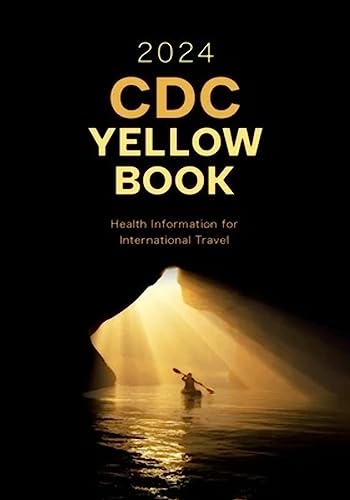
CDC Yellow Book 2024
FEATURED IN THIS EDITION: · Precautions for international travelers during the coronavirus disease 2019 (COVID-19) pandemic, including links to updated information on related CDC and US government web
Check Price on AmazonSingle-trip vs. annual multi-trip
Single-trip plans: Coverage for one specific trip. These are typically the cheapest choice if you take 1–2 trips per year.
- Typical cost range: around 4–10% of insured trip cost for comprehensive plans; $20–$80 for basic medical-only international coverage, depending on age, destination, and trip length.
- Best for: occasional travelers who want to insure a specific set of prepaid costs.
Annual multi-trip plans (also called “multi-trip” or “annual”): Coverage for unlimited trips within a year, with a maximum length per trip (often 30–45 days).
- Typical cost range: roughly $150–$500 per year for basic-to-mid coverage; more for higher limits or older travelers.
- Best for: frequent travelers (3+ trips per year), business travelers, or anyone who wants set-it-and-forget-it protection. Even if the per-trip coverage is a bit lighter than a single-trip plan, the math can be highly affordable when spread over multiple journeys.
Basic medical-only and limited-benefit plans
Travel medical insurance: Focuses on emergency medical care (doctor/hospital) and medical evacuation (transport to a capable facility). Usually excludes trip cancellation, so premiums stay low.
- Typical cost range: $20–$120 per traveler for 1–2 weeks abroad, varying by age/destination.
- Best for: international trips where your home health insurance offers little or no overseas coverage; travelers who didn’t prepay much of the trip.
Limited-benefit “lite” comprehensive plans: Lower limits for cancellation/interruption and baggage, sometimes higher deductibles (the amount you pay out of pocket before insurance kicks in). These can be a sweet spot for budget-focused trips.
- Typical cost range: generally toward the lower end (4–6% of trip cost), but watch the fine print on limits and exclusions.
- Best for: price-sensitive travelers who still need some cancellation and baggage protection.
Credit card and airline protections
Travel credit cards: Many mid-tier and premium cards include trip cancellation/interruption, trip delay, lost baggage, or rental car coverage—but often no true international medical coverage. Benefits usually require that you pay for the trip with the card; some limit covered reasons (specific events that qualify for a claim, like illness or severe weather), and many are secondary (they pay after other coverage).
- Typical cost: included with the card annual fee.
- Best for: travelers who can pair card protections with a low-cost medical-only plan for full protection.
Airline or booking-site “protection”: Often a very narrow product, like flight-only cancellation or change fee coverage. It can be convenient but may cost more per dollar of coverage and rarely includes robust medical evacuation (emergency transport to a qualified facility).
- Best for: flight-centric, no-checked-bag trips where you’re comfortable self-insuring other risks.
Matching options to traveler profiles
- Weekend domestic traveler with good U.S. health insurance: Credit card trip delay/cancellation may be enough; consider medical-only if your plan has high out-of-network costs.
- International backpacker on a budget: Medical-only plan + minimal baggage coverage. Skip high cancellation limits if you have few prepaid costs.
- Cruise passenger: Prioritize higher medical evacuation limits (ships may be far from high-level care). A comprehensive single-trip plan often makes sense.
- Family on a summer vacation: Look for plans that cover children at low or no extra cost and provide strong trip interruption (coverage if you must cut your trip short).
- Frequent traveler or consultant: Annual multi-trip can be the most affordable way to cover multiple flights and short stays.
- Students: Look for student-focused plans with lower rates and right-sized medical coverage. See our student guide: Affordable Travel Insurance for Students: Find the Right Coverage Without Overpaying (/auto-insurance/affordable-travel-insurance-for-students).
How to compare price vs. value (what actually matters)
Price matters, but under-insuring the big risks can be expensive later. Here’s how to compare affordable travel insurance options without creating gaps.
Essential coverages to prioritize
- Emergency medical coverage: Pays for doctor visits, hospital stays, and related emergency care. For international travel, aim higher—foreign hospital costs and private clinics add up fast.
- Medical evacuation (medevac): Pays to transport you to the nearest appropriate facility or back home when medically necessary. This is the budget item people regret skipping.
- Trip cancellation and trip interruption: Cancellation covers prepaid, nonrefundable expenses if you cancel for a covered reason (e.g., illness, severe weather). Interruption covers unused trip costs and extra expenses if you must return home early for a covered reason.
- Trip delay: Reimburses meals/hotel if your trip is delayed by a certain number of hours (the “trigger”). Check the hourly threshold and per-day/total caps.
- Baggage loss/delay: Pays if your belongings are lost, stolen, or significantly delayed. Useful, but don’t overspend—these limits are usually modest.

Apple AirTag (1st Generation) - 4 Pack. Keep Track of and find Your Keys, Wallet, Luggage, Backpack, and More. Simple one-tap Set up with iPhone or iPad, Bluetooth : Electronics
View on AmazonTerms to know:
- Deductible: The amount you pay out of pocket before insurance starts to pay. Higher deductibles usually lower the premium.
- Primary vs. secondary coverage: Primary pays first; secondary pays after other sources (like your health insurance or airline). Primary can simplify claims, but secondary is often cheaper.
- Look-back period: The timeframe (often 60–180 days pre-purchase) insurers use to check whether a condition existed before you bought the plan.
- Pre-existing condition waiver: A feature that can cover existing medical conditions if you meet certain rules (typically buying within 10–20 days of your first trip payment and insuring the full trip cost).
Minimum acceptable limits (practical guardrails)
Your limits should reflect the trip type, your health insurance, and destination healthcare costs. Here are pragmatic minimums many travelers use as starting points:
Domestic U.S. trip (with good health insurance):
- Emergency medical: $25,000–$50,000
- Medical evacuation: $100,000–$250,000
- Trip cancellation/interruption: Match your actual nonrefundable costs
- Baggage: $1,000–$2,000 total, $250–$500 per item sublimit
International trip (non-cruise):
- Emergency medical: $100,000–$250,000
- Medical evacuation: $250,000–$500,000
- Trip cancellation/interruption: Match nonrefundable costs
- Baggage: $1,000–$2,500
Cruise or remote destinations:
- Emergency medical: $250,000+
- Medical evacuation: $500,000–$1,000,000 (ships and remote areas can require costly evacuations)
Adventure activities (e.g., trekking above 14,000 feet, scuba, backcountry skiing):
- Confirm the activity is covered; if not, add an adventure sports rider (an add-on that extends coverage to excluded activities) or choose a specialty plan.
- Consider similar or higher limits than the cruise/remote guidelines.
These are guidelines—not guarantees of adequacy. Personal health, age, and destination costs vary.
Common trade-offs that backfire
- Ultra-low medevac limits: A $50,000 medevac cap can be exhausted quickly; air ambulances can exceed $100,000–$250,000 depending on location.
- Skipping medical coverage because you have insurance at home: Many domestic policies (and Medicare) offer limited or no benefits overseas. Even when they do, out-of-network costs and international billing can be painful.
- Only insuring flights: Airline add-ons typically don’t protect hotels/tours, and they rarely include robust medical benefits.
- Choosing “secondary” without understanding your primary: If your primary health insurance excludes overseas care, “secondary” travel medical often functions like primary—but you’ll handle more paperwork. If you want fewer hurdles, shop for primary coverage.
Practical tactics to lower premiums and get cheap quotes
You can typically shave 10–30% off costs by being strategic—without gutting coverage.
1) Use comparison tools and quote at least 3–5 carriers
Insurers price differently by age, destination, and trip cost. The fastest way to see what you’d actually pay is to compare quotes from multiple providers side by side. If you want a head start on reputable brands and plan types, see our overview: Top-Rated Travel Insurance Companies Compared: Which Plan Is Right for Your Trip? (/auto-insurance/top-rated-travel-insurance-companies)
2) Right-size what you insure
- Only insure truly nonrefundable costs: If your hotel allows free cancellation, don’t include it in the insured trip cost—your premium will drop.
- Pick realistic medical and medevac limits for your destination: Don’t pay for $1 million if $250,000 would be reasonable for your trip profile. Use the guardrails above.
3) Raise deductibles thoughtfully
A higher deductible (your share before insurance pays) can lower premiums. Make sure it’s an amount you can actually afford at claim time.
4) Consider annual plans if you travel often
If you take 3–4+ trips a year, an annual multi-trip plan is often more affordable than buying multiple single-trip policies. Do the math with your expected itinerary lengths.
5) Leverage existing benefits to avoid duplicated coverage
- Health insurance: Call your insurer and ask, “What’s covered outside my home country? Are emergency evacuations covered?” If some benefits exist, you can often choose a cheaper secondary travel medical plan.
- Credit cards: If your card already includes trip cancellation/interruption and trip delay, you might only need a medical-only plan to round out protection. Confirm covered reasons, required card usage, and claim caps.
- Homeowners/renters: Many policies cover theft of personal belongings away from home (often up to 10% of your personal property limit). Because deductibles are high and claims can affect future rates, use this as a backup—not a primary baggage plan.
6) Mind your timing
- Buy early for pre-existing condition waivers: Many insurers require purchase within 10–20 days of your first trip payment to qualify for a pre-existing condition waiver (which can cover conditions you already have if other rules are met).
- Avoid buying after a storm is “named”: Events that are “foreseeable” (like a named hurricane) are often excluded if you buy after the fact.
7) Skip pricey add-ons you don’t need
- Cancel For Any Reason (CFAR): This upgrade lets you cancel for reasons beyond the standard list, but it’s expensive and typically only reimburses 50–75% of costs. If you don’t need the flexibility, declining CFAR can save a lot.
- Rental car collision coverage: If your credit card or auto policy already covers rental cars where you’re traveling, you may not need the add-on in your travel plan. Always check country exclusions.
8) Keep your paperwork tidy
Having receipts, medical records, and proof of delays makes claims go smoother—and prevents back-and-forth that can cost you time and, sometimes, money.

Amazon.com | Travelon RFID Blocking Passport Zip Wallet | Passport Wallets
View on AmazonQuick price snapshots (so you can sanity-check quotes)
30-year-old traveler, 10-day trip to Mexico, $1,500 nonrefundable costs:
- Medical-only plan: Often $25–$60
- Basic comprehensive: Often $70–$130 (limits vary)
Family of four, 7-day domestic trip, $2,800 nonrefundable costs:
- Basic comprehensive: Often $110–$220; some plans cover kids at low/no cost, which can lower your total. See comparison tips for families here: Best Travel Insurance for Families — Compare Coverage, Costs & Top Picks (/auto-insurance/best-travel-insurance-for-families)
Frequent traveler (2 adults), four international trips/year, each 5–7 days:
- Annual multi-trip plan: Often $200–$450 for mid-tier coverage
Rates vary by age, state, and insurer underwriting. Use these as directional—not guaranteed—ranges.
When budget options aren’t enough (know your upgrade triggers)
Sometimes “cheap” is costly if you actually need care. Watch for these red flags and high-risk scenarios where you should raise limits or choose a specialty policy.
Red flags and common exclusions
- Pre-existing conditions without a waiver: If you’ve had symptoms, treatment changes, or a new diagnosis within the look-back period, claims may be denied unless you secured a pre-existing condition waiver per the plan rules.
- Hazardous or adventure activities: Many base plans exclude high-altitude trekking, backcountry skiing, SCUBA beyond certain depths, motor sports, and more, unless you add an adventure sports rider.
- Pandemic/epidemic limitations: Some plans now cover COVID-19 like any other illness, but not all do. Confirm details.
- Alcohol/drug-related incidents, reckless behavior, or war/civil unrest: Generally excluded.
- Known events: Buying after a storm is named or after a strike is announced can void related claims.
Higher-risk traveler profiles
- Older travelers or those with chronic conditions: Consider higher emergency medical and medevac limits. Buying early to qualify for a pre-existing condition waiver is often key.
- Cruises and remote destinations: Upgrade medevac (aim for $500,000–$1,000,000) and ensure ship-to-shore and international evacuations are clearly covered.
- Expedition/adventure trips: Use a plan or rider that explicitly covers your activities and elevations. Confirm search-and-rescue terms (often excluded or capped at low amounts).
- Expensive, nonrefundable itineraries: Trip cancellation/interruption should closely match your real financial exposure.
If you’re not sure, speak with a licensed agent. They can review your health situation and itinerary to help right-size coverage without overspending.
How to compare affordable travel insurance options (a quick checklist)
- Medical: At least $100,000 for most international trips; more for cruises/remote travel.
- Medevac: $250,000 minimum internationally; more for cruises/remote areas.
- Cancellation/interruption: Match actual nonrefundable costs.
- Delay benefits: Reasonable hourly trigger (6–12 hours) and per-day/total caps.
- Baggage: Adequate total limit and per-item sublimits for your gear.
- Exclusions: Look for pre-existing condition rules, activity exclusions, and pandemic language.
- Deductible: Pick one you can afford; higher deductibles can lower premiums.
- Primary/secondary: Primary can simplify claims; secondary can be cheaper if you have other coverage.
- Timing: Buy early if you need a pre-existing condition waiver.
A quick note on getting quotes (and a smart next step)
The fastest way to see your real price is to compare quotes from 3–5 carriers side by side. Different insurers favor different ages and destinations, so the spread can be significant. To see which providers are consistently strong across budgets and trip types, visit: Top-Rated Travel Insurance Companies Compared: Which Plan Is Right for Your Trip? (/auto-insurance/top-rated-travel-insurance-companies)
Have student travelers in your group? You may also find tailored, lower-cost options here: Affordable Travel Insurance for Students: Find the Right Coverage Without Overpaying (/auto-insurance/affordable-travel-insurance-for-students).
Got family-specific questions—like covering kids’ sports gear or a multi-generational cruise? Start with: Best Travel Insurance for Families — Compare Coverage, Costs & Top Picks (/auto-insurance/best-travel-insurance-for-families)
And if you want quick answers about common rules and definitions, bookmark: Travel Insurance: Common Questions Answered (/life-insurance/travel-insurance-common-questions)
Real-world scenarios to make it concrete
You’re a 35-year-old non-smoker heading to Portugal for 8 days with $1,200 in nonrefundable costs. A budget comprehensive plan might be $70–$120 with $100,000 medical and $250,000 medevac. If your credit card already covers cancellation up to $10,000, you could buy a $30–$60 medical-only plan instead, focusing your dollars where you lack coverage.
You and your partner take four work trips per year, each 3–5 days across North America and Europe. Two decent single-trip plans might total $180–$300 annually, but an annual multi-trip plan around $220–$400 could be more convenient—and cheaper overall—while keeping medevac at $250,000+.
Your family of five is taking a 7-day Caribbean cruise with $4,500 nonrefundable costs. A plan that includes children at no extra cost and provides at least $250,000 medical and $500,000 medevac is a safer pick than a flight-only add-on. You’ll likely land around $180–$350, depending on ages.
Rates are examples only; your price depends on age, state, trip details, and the insurer.
When in doubt, ask a pro
Travel insurance can be nuanced—especially with pre-existing conditions or complex itineraries. A licensed agent can help you weigh costs against real risks and find a plan that fits your budget and trip. There’s no one-size-fits-all answer.
Your next step
- Make a quick list of your nonrefundable costs, destination, and any activities that might be considered “adventure.”
- Decide whether you need cancellation coverage or just medical/medevac.
- Compare at least 3–5 quotes to see how the numbers shake out. Start with reputable providers: Top-Rated Travel Insurance Companies Compared: Which Plan Is Right for Your Trip? (/auto-insurance/top-rated-travel-insurance-companies)
If you already have a credit card with travel benefits, call the number on the back to confirm what’s covered. Then buy the smallest, smartest add-on policy that fills your gaps. That’s how you keep it affordable—without leaving big risks on the table.
Recommended Resources
CDC Yellow Book 2024
FEATURED IN THIS EDITION: · Precautions for international travelers during the coronavirus disease 2019 (COVID-19) pandemic, including links to updated information on related CDC and US government web
Apple AirTag (1st Generation) - 4 Pack. Keep Track of and find Your Keys, Wallet, Luggage, Backpack, and More. Simple one-tap Set up with iPhone or iPad, Bluetooth : Electronics
Amazon.com: Apple AirTag (1st Generation) - 4 Pack. Keep Track of and find Your Keys, Wallet, Luggage, Backpack, and More. Simple one-tap Set up with iPhone or iPad, Bluetooth : Electronics
Amazon.com | Travelon RFID Blocking Passport Zip Wallet | Passport Wallets
Identity Theft has no boarders, it is everywhere. You need a Travelon wallet, where the whole wallet is shielded from scans and skimming. <strong>MULTI-PURPOSE ORGANIZATION is at the heart of this wal
Related Articles
- Affordable Travel Insurance for Travelers: Get Smart Coverage Without Overpaying
- Affordable Travel Insurance for Students: Find the Right Coverage Without Overpaying
- How to Save on Travel Insurance: Smart Ways to Cut Premiums Without Losing Essential Coverage
- How to Choose the Right Travel Insurance: A Practical Guide to Coverage, Cost, and Claims
- Top-Rated Travel Insurance Companies Compared: Which Plan Is Right for Your Trip?
- Affordable Business Insurance Options: Smart, Budget-Friendly Coverage for Small Businesses
- How to Find Cheap Life Insurance: Smart Ways to Lower Your Premiums Without Sacrificing Coverage
- Cheap Life Insurance for Young Adults: How to Get Affordable Coverage without Overpaying