
How to Read an Insurance Policy: Key Sections, Terms, and What to Look For
You’ve got your policy PDF open and it’s 40 pages of dense language. You’re wondering how to read an insurance policy without missing something important. Good news: once you know the structure and a few key terms, any policy becomes much easier to navigate.
This guide walks you through the key sections you’ll see in most policies, what common terms mean in plain language, how to spot exclusions (what’s not covered), and the practical steps to compare policies and use yours if you ever need to file a claim.
How to Read an Insurance Policy: A section-by-section walkthrough
Nearly every policy—home, auto, renters, life, health, and business—follows a similar blueprint. Here are the six core sections and how to read them:
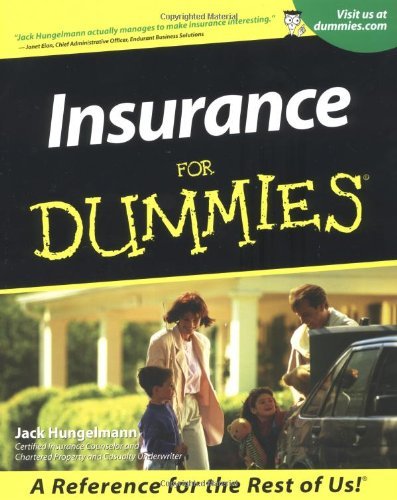
Insurance for Dummies: Hungelmann, Jack
<strong>Manage life, health, and disability risks</strong> ― explore individual and group policies, understand Medicare basics, and evaluate long-term disability and long-term-care insurance ...
Check Price on Amazon1) Declarations Page (often called the “Dec Page”)
This is your snapshot. It lists:
- Who is insured: your name (the named insured) and sometimes additional insureds (people or entities also protected by the policy). Example: your spouse on home insurance, or a landlord added to a renters policy.
- What’s insured: the home address, the specific vehicles, the business location, or the person’s life for life insurance.
- Policy period: the dates your coverage starts and ends. Coverage only applies to losses that happen within this window, unless the policy says otherwise (like claims-made liability, explained below).
- Coverage limits: the maximum the insurer will pay for each coverage.
- Deductibles: what you pay out of pocket before insurance pays.
- Premium: the cost you pay for the policy term, either monthly or annually.
- Endorsements or riders listed by form number: add-ons that change coverage (more on these below).
What to do here: Confirm all names, addresses, VINs, and limits are correct. If it’s wrong on the Declarations, it’s wrong everywhere.
2) Insuring Agreement
This is the insurer’s promise in one or two paragraphs. It states what the policy covers at a high level, such as “We will pay for direct physical loss to covered property caused by a covered peril” or “We will pay damages the insured is legally obligated to pay because of bodily injury or property damage.”
Tip: The Insuring Agreement tells you the basic scope; the rest of the policy explains the terms, narrows the scope (exclusions), adds requirements (conditions), and modifies coverage (endorsements).
3) Definitions
This is the policy’s dictionary. Terms with quotation marks (like “bodily injury” or “residence premises”) are defined here, and the exact definition controls. For example:
- Replacement cost: paying to repair or replace property without subtracting for depreciation (age and wear).
- Actual cash value (ACV): replacement cost minus depreciation. A 10-year-old roof often gets ACV unless you bought a replacement cost endorsement.
- Occurrence: an accident or incident, usually defined as exposure to the same harmful conditions.
- Peril: a cause of loss (like fire, theft, wind).
Always check definitions first—policies often use everyday words in very specific ways.
4) Exclusions
Exclusions are the “not covered” list. Common ones include:
- Wear and tear, rust, rot (maintenance issues aren’t covered).
- Intentional acts (you can’t intentionally cause a loss and claim it).
- Flood and earth movement on most homeowners policies (often need separate policies).
- Business use of a personal vehicle under personal auto insurance.
- Certain dog breeds or trampolines on some home policies, depending on your carrier and state.
Read these slowly. If you skip exclusions, you don’t really know what you have.
5) Conditions
Conditions are the rules both you and the insurer agree to. They include things like:
- Duties after a loss: you must report promptly, protect property from further damage, and cooperate with the investigation.
- Proof of loss deadlines: when to submit documentation.
- Cancellation and nonrenewal rules: how and when a policy can be canceled.
- Appraisal or arbitration: how disputes over value may be resolved.
- Coinsurance (in some property policies): a penalty if you insure property below a certain percentage of its true value (often 80%–90%).
Meeting conditions is critical—ignoring them can delay or reduce a claim payment.
6) Endorsements or Riders
Endorsements change the standard policy. They can:
- Add coverage: e.g., water backup of sewers and drains, service line, scheduled jewelry.
- Limit coverage: e.g., actual cash value on roofs older than a set age.
- Change definitions or exclusions: e.g., redefine “residence premises” or exclude short‑term rentals.
Endorsements can be your best friend (filling gaps) or your biggest surprise (quietly limiting coverage). Always read each endorsement listed on your Declarations page.
Key terms that change coverage and cost (plain language + examples)
Premium: what you pay for insurance. This varies based on your location, claims history, credit-based insurance score (in most states), coverage limits, and deductibles. Choosing higher limits and extra endorsements typically increases the premium; choosing a higher deductible usually lowers it.
Limit (coverage limit): the most the insurer will pay for a covered loss. Example: You have $300,000 in personal liability on your home policy. If a guest is injured and sues for $400,000, your policy typically pays up to $300,000; you’d be responsible for the rest unless you have an umbrella policy.
Deductible: the amount you pay out of pocket before insurance pays. Example: A kitchen fire causes $10,000 in damage and your deductible is $1,000. You pay $1,000; insurance pays about $9,000 (minus any uncovered items).
Per‑occurrence vs. aggregate limits (common in liability policies):
- Per‑occurrence limit: the most the policy pays for any single incident.
- Aggregate limit: the most the policy will pay for all incidents during the policy period. Example: Your general liability policy has $1M per occurrence and $2M aggregate. If you have three separate covered claims of $1M each in one year, the policy typically pays $1M on the first, $1M on the second, and $0 on the third (the $2M aggregate is exhausted).
Named perils vs. open perils (property coverage):
- Named perils: covers only the causes of loss specifically listed (e.g., fire, theft, vandalism). If it’s not named, it’s not covered.
- Open perils (sometimes called “all risk”): covers any cause of loss except what’s excluded. Exclusions still apply. Example: A tree falls on your roof. Both named‑peril and open‑peril home policies usually cover that. But if earth movement (like an earthquake) cracks your foundation, a named‑peril policy won’t cover it unless “earthquake” is listed; an open‑peril policy still excludes earthquakes unless you added an endorsement or separate policy.
Replacement cost vs. actual cash value (ACV):
- Replacement cost pays to repair/replace with new items of similar kind and quality.
- ACV subtracts depreciation. Example: A 7‑year‑old TV is stolen. Replacement cost might pay $700 for a comparable TV; ACV might pay $350 after depreciation.
Occurrence vs. claims‑made (liability):
- Occurrence: covers incidents that happen during the policy period, even if the claim is filed later.
- Claims‑made: covers claims made during the policy period, usually if the incident happened on or after a retroactive date. Example: A professional liability policy with a retroactive date of 1/1/2023 typically wouldn’t cover an error made in 2022, even if the claim is made today.
Sublimits: smaller caps for specific items or situations within the larger policy limit. Common sublimits include jewelry, firearms, cash, trailers, tree debris removal, and water backup. Example: Overall personal property limit is $100,000, but jewelry theft may be capped at $1,500 unless you schedule items.
Coinsurance (property): a requirement to insure a minimum percentage of value, or you share a bigger portion of partial losses. Example: Your building is worth $500,000 with an 80% coinsurance clause; you should carry at least $400,000 of coverage. If you only carry $200,000 and have a $100,000 loss, the insurer may pay only half of the loss (minus deductible) because you were 50% underinsured.
How to identify who and what is covered—and what isn’t
Start with the Declarations and Definitions, then cross‑check Exclusions and Endorsements.
Who is covered (insureds): Look for “named insured,” “spouse,” “resident relatives,” and “additional insureds.” Example: On an auto policy, your teen driver is typically covered if listed, but a roommate who occasionally borrows your car may not be—unless they’re a listed driver or permitted under your policy.
What is covered (property or liability): Confirm the address (home), VINs (auto), business description and location (business policy), or person’s name and face amount (life insurance). For health plans, look for in‑network vs. out‑of‑network coverage and covered services.
Where coverage applies (coverage territory): Many policies limit coverage to the U.S., its territories, and Canada (common in auto). For personal property on a home policy, coverage may be worldwide—but certain items have lower limits off‑premises.
When coverage applies (policy period and trigger): Check dates. For claims‑made liability, verify the retroactive date and any extended reporting period options (often called “tail coverage”).
Valuation method: See if claims are paid at replacement cost or ACV. Some policies pay ACV first and then pay the difference after you complete repairs—important for budgeting after a loss.
Special sublimits and conditions: Jewelry, collectibles, water backup, business property at home, trailers, and utility lines often have small sublimits by default. If those matter to you, consider endorsements to raise them.
Typical gaps and overlaps to watch for:
- Home and flood: Standard home insurance usually excludes flood; you may need a separate flood policy.
- Earthquake: Usually excluded; may be a separate endorsement or policy.
- Home business: Business equipment and liability at home are often limited or excluded—consider a home business endorsement or separate policy.
- Rideshare/delivery driving: Using your personal car for rideshare or app delivery is usually excluded without a rideshare endorsement.
- Duplicate benefits: Roadside assistance, rental car coverage, and travel protections may already be offered by your auto policy or a credit card—don’t pay twice.
For deeper dives into specific lines, see our guides to auto coverage types and home insurance:
- Understanding Auto Insurance Coverage Types: /auto-insurance/understanding-auto-insurance-coverage-types
- Home Insurance Guide 2026 — Compare Quotes, Coverage & Costs: /home-insurance/home-insurance-guide-2026
What to look for when skimming your policy (a 15‑minute checklist)
If you only have a few minutes, focus on these high‑impact items:
- Declarations page
- Names, addresses, vehicles or property descriptions are correct
- Policy period is current and matches your needs (e.g., closing date)
- Liability limits meet your comfort level (many homeowners choose $300K–$500K; auto liability often higher in today’s world)
- Deductibles: set to what you can comfortably pay out of pocket
- Endorsements listed match what you discussed
- Exclusions and key endorsements
- Flood, earthquake, water backup, wear and tear—know what’s out
- Any roof ACV or cosmetic damage exclusions
- Business use, short‑term rental, or rideshare exclusions
- Add endorsements if you see small sublimits for things you care about (jewelry, equipment breakdown, service line)
- Conditions
- Duties after loss and reporting time frames
- Appraisal/arbitration procedures
- Any coinsurance requirement (for property or business)
- Definitions
- “Residence premises,” “occurrence,” “insured person,” “covered auto”—confirm these align with your situation
- Claim examples you care about
- Ask yourself: If my water heater bursts, how is it covered after the deductible?
- If my guest trips on the stairs, what does personal liability pay for, and what are my limits?
Practical examples: how the fine print plays out
Wind/hail deductible: Some areas have a separate percentage deductible for wind/hail (e.g., 2% of dwelling coverage). If your dwelling limit is $400,000, a 2% deductible means you pay $8,000 before insurance pays for a hail‑damaged roof. That’s a big difference from a flat $1,000 deductible.
Water backup endorsement: Without it, many policies won’t cover damage from a backed‑up drain or sump overflow. Even with it, there’s often a $5,000–$10,000 sublimit.
Jewelry sublimit: Theft of jewelry may be capped at $1,500. A $7,000 engagement ring usually needs to be “scheduled” (individually listed) to be fully covered for theft and mysterious disappearance, typically with no deductible.
Auto liability vs. collision: Liability covers damage you cause to others; collision covers damage to your car after a crash with another vehicle or object. If you only carry liability and you rear‑end someone, your car repairs typically aren’t covered.
If you’re new to auto or home policies, these resources can help:
- Understanding Auto Insurance Coverage Types: /auto-insurance/understanding-auto-insurance-coverage-types
- Home Insurance Guide 2026 — Compare Quotes, Coverage & Costs: /home-insurance/home-insurance-guide-2026
Red flags to flag for your agent or broker
- Mismatched names or addresses on the Declarations page
- Missing drivers or vehicles on an auto policy
- Roof older than the insurer’s replacement‑cost cutoff (may default to ACV)
- Claims‑made policy with a retroactive date after you started operations (coverage gap)
- Exclusions that impact your actual use: short‑term rentals, home business, rideshare/delivery, certain dog breeds
- Very low liability limits compared to your assets or risk tolerance
- Percentage deductibles you didn’t intend (wind/hail, named storm)
- Coinsurance clauses you weren’t aware of on a building policy
Bring these up right away—your agent can often add endorsements, adjust limits, or shop carriers, depending on your state and underwriting rules.
Smart questions to ask your agent
- Which common losses in my area are excluded by default (flood, earthquake, wind/hail)? What would it cost to add coverage?
- Are my valuables (jewelry, collectibles, instruments) fully covered, and at replacement cost?
- Do I have any percentage deductibles? What does that mean in dollars for me?
- If I run a small business or rent out a room, how does that affect my coverage?
- Are there sublimits I should raise with endorsements?
- For liability policies, is it occurrence or claims‑made? What’s the retroactive date?
- What discounts or underwriting factors could change my premium over time?
If you want a broader refresher on terms used in different policy types, our FAQ and health insurance guides are handy:
- Frequently Asked Insurance Questions: /auto-insurance/frequently-asked-insurance-questions
- Health Insurance Basics: Plans, Terms, and How to Choose: /health-insurance/health-insurance-basics
How to compare similar policies side by side
When you’re choosing between quotes, don’t just look at the premium. Compare these apples‑to‑apples factors:
Limits: Keep liability and property limits consistent across quotes. For home, compare Dwelling (Coverage A), Personal Property (Coverage C), and Liability. For auto, compare Bodily Injury/Property Damage liability, Comprehensive (covers theft, fire, hail) and Collision deductibles, and extras like rental reimbursement.
Deductibles: Standardize them (e.g., $1,000 home deductible, $500 comp/$1,000 collision on auto). Watch for separate wind/hail or hurricane deductibles.
Valuation: Replacement cost vs. ACV for your home’s roof and your personal property. Ask how the roof is handled by age and type.
Endorsements: List them out line by line (water backup limit, equipment breakdown, service line, ordinance or law, special personal property, rideshare, gap coverage for new cars).
Exclusions and sublimits: Note any unusual exclusions or low sublimits that matter to you (e.g., only $2,500 for water backup when you have a finished basement).
Claims‑handling reputation: Two policies can look identical on paper but differ in service. Consider reviews, your agent’s experience, and state complaint data when available.
Total cost of ownership: Consider the impact of discounts (bundling home + auto), paying in full vs. monthly, and device/telemetry programs. Rates vary by individual profile and state rules.
Pro tip: The fastest way to see what you would actually pay is to compare quotes from 3–5 carriers for the same limits and deductibles. Keep your coverage selections identical so the differences you see reflect pricing and service, not missing coverage.
Using your policy when filing a claim
When something happens, your policy becomes your playbook. Here’s how to put it to work:

SentrySafe Black Fireproof and Waterproof Safe, File Folder and Document Box with Key Lock, Ex. 14.3 x 15.5 x 13.5 inches, HD4100 - Amazon.com
View on Amazon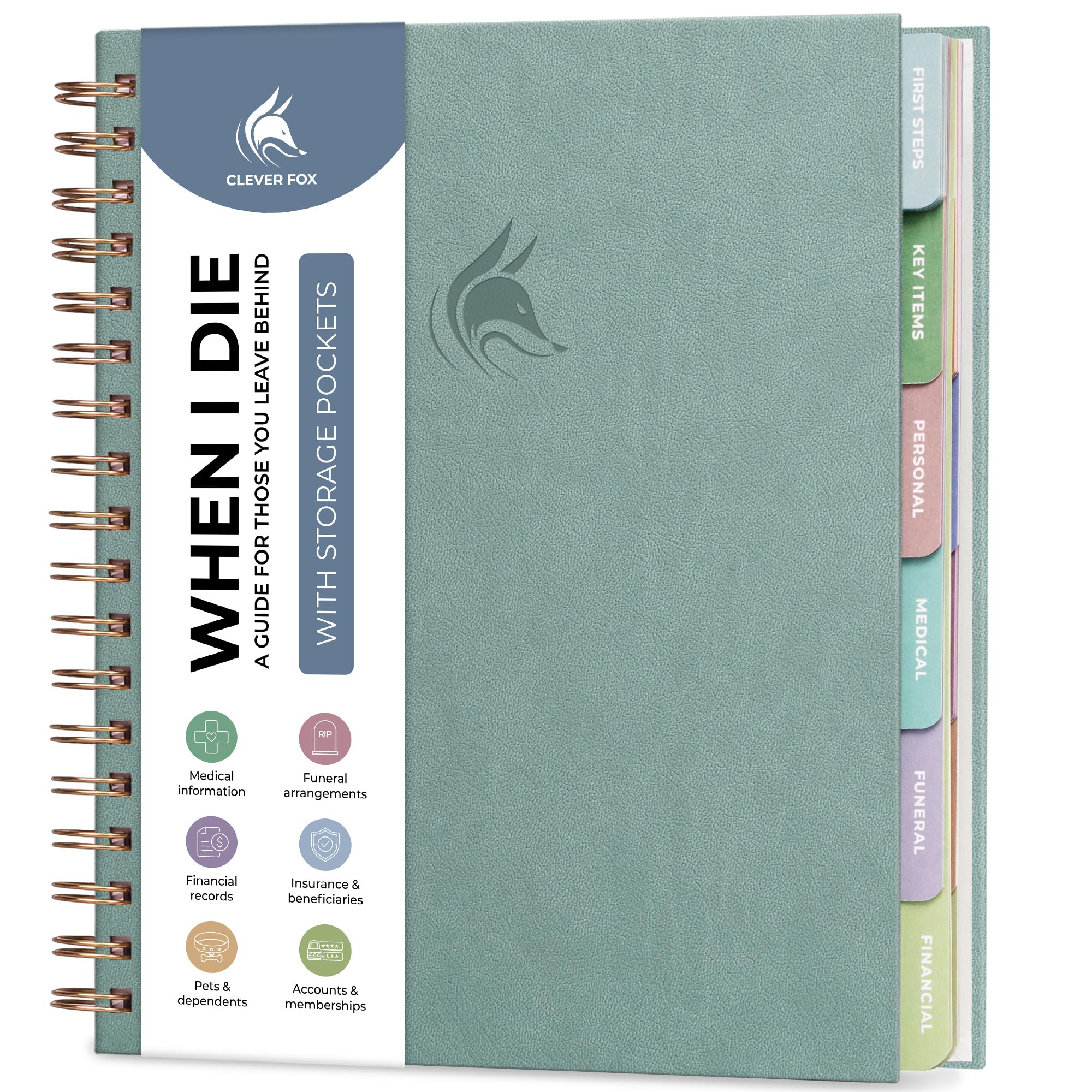
Clever Fox When I Die Planner With Pockets for Documents – End-of-Life Organizer Binder for Important Personal Info & Final Wishes (Rose Gold)
View on Amazon- Safety first and mitigate damage
- Take steps to prevent further loss (turn off water, board up broken windows). Your policy requires this in the Conditions section.
- Document everything
- Photos and video of the damage or scene
- Receipts for emergency repairs
- Serial numbers for stolen items
- Report promptly
- Contact your insurer or agent as soon as practical. Delays can complicate coverage.
- Review your policy specifics
- Deductible amount and valuation basis (ACV vs. replacement)
- Any sublimits that apply (jewelry, water backup)
- Duties after loss (proof of loss deadlines, cooperation requirements)
- Keep records
- Log every call and email, note claim numbers, and save all estimates.
- Ask questions
- If something is denied, request the specific policy language and endorsement cited. You’re entitled to understand the decision.
- Consider help when needed
- For complex property losses, a licensed contractor or public adjuster may help you scope damage and repairs. For coverage questions, a licensed agent can help you understand your options. Depending on your state and situation, legal counsel may be appropriate for liability claims.
Ready to see your real options? (Helpful next step)
Education is step one. Step two is stress‑testing your coverage against real quotes. Rates and eligibility vary by state and personal profile, so the most reliable way to find value is to compare quotes from 3–5 reputable carriers using the same limits and deductibles. A licensed agent can help you fine‑tune endorsements and spot hidden gaps before you buy.
Quick reference: where each key item lives in your policy
- Who and what is insured: Declarations
- How coverage basically works: Insuring Agreement
- Exact meanings of terms: Definitions
- What’s not covered: Exclusions
- Rules after a loss and policy mechanics: Conditions
- Add‑ons that change your coverage: Endorsements/Riders
If you keep that roadmap in mind, you’ll never feel lost inside a 40‑page policy again.
Note: This guide is for general education. Coverage and pricing vary by policy form, insurer, and state. For personalized advice about your situation, speak with a licensed agent.
Looking for a friendly second set of eyes? Share your current Declarations page with a licensed agent and ask for side‑by‑side quotes. In most cases, that’s the quickest way to confirm you have the right protections at a fair price.
Recommended Resources
Insurance for Dummies: Hungelmann, Jack
<strong>Manage life, health, and disability risks</strong> ― explore individual and group policies, understand Medicare basics, and evaluate long-term disability and long-term-care insurance ...
Clever Fox When I Die Planner With Pockets for Documents – End-of-Life Organizer Binder for Important Personal Info & Final Wishes (Rose Gold)
<strong>INCLUDES STORAGE POCKETS FOR IMPORTANT DOCUMENTS</strong> – This important document organizer has 10 sturdy inner pockets provide space to store key papers, such as wills, insurance policies,
SentrySafe Black Fireproof and Waterproof Safe, File Folder and Document Box with Key Lock, Ex. 14.3 x 15.5 x 13.5 inches, HD4100 - Amazon.com
Whether you’re looking for a ... needs. <strong>Crafted with advanced fireproof and waterproof technology, the SentrySafe HD ensures that your documents and valuables remain intact even in the face of
Related Articles
- Frequently Asked Insurance Questions: Key Answers Consumers Need
- Insurance Companies Explained: How They Work and How to Choose
- Business Insurance Types Explained: What Each Policy Covers and How to Choose
- How to Get Car Insurance: What You Need to Know to Choose, Buy, and Save
- Insurance Basics for Beginners: What to Know Before You Buy
- Life Insurance: How to Choose the Right Policy and Get Quotes
- Must‑Ask Questions About Home Insurance: What Every Homeowner Should Ask
- What Is Comprehensive Insurance? A Plain‑Language Guide