
Best Health Insurance for Families: How to Compare Plans and Choose the Right Coverage
You’re shopping for health coverage, and the quotes for a family plan feel…big. What’s actually “good,” what’s overpriced, and how do you find the best health insurance for families without sacrificing the pediatricians and benefits you rely on? Here is how to compare plans like a pro, prioritize what matters for your household, and avoid the traps that drive up costs later.
Note: We’ll explain every bit of insurance jargon as we go. Actual premiums and costs vary by state, age, insurer, and your family’s medical use.
Start with your family’s needs (this is where “best” really comes from)
Before comparing insurers or metal tiers, map your real-world needs. The best health insurance for families is the plan that fits your household’s life stage, doctors, and expected care—at a total annual cost you can live with.
Household size and ages
- Babies and toddlers typically mean frequent well‑child visits and immunizations (preventive care that’s usually $0 in-network under the Affordable Care Act).
- Tweens/teens may need sports physicals, mental/behavioral health access, and urgent care for injuries.
- Adults in their 30s–50s often value primary care access, routine prescriptions, and imaging.
Chronic conditions and regular meds
- Track conditions like asthma, diabetes, ADHD, or eczema. Make a quick list: doctors you see, how often, and prescriptions by name. Drug coverage depends on the plan’s formulary (the insurer’s list of covered medicines, grouped into pricing “tiers”).
Pregnancy plans and newborn care
- Expecting or trying? Maternity care (prenatal visits, delivery, postpartum) and newborn care are essential benefits on ACA-compliant plans, but costs vary widely by plan design. Look closely at the out‑of‑pocket maximum (the most you’ll pay for covered, in‑network care in a year, after which the plan pays 100%).
Specialist frequency and therapies
- Pediatric specialists (allergy, GI, developmental pediatrics), therapies (PT/OT/speech), and behavioral health (therapy/psychiatry) can drive costs. Check if visits have fixed copays (a flat dollar amount you pay per visit) or coinsurance (a percentage of the allowed cost you pay after the deductible).
Preferred doctors and hospitals
- If you have a beloved pediatrician or need access to a children’s hospital, your plan’s network (the list of contracted doctors and facilities) is mission‑critical. In‑network care typically costs much less than out‑of‑network care, and some plan types don’t cover out‑of‑network at all except emergencies.
Compare plan types and networks families actually use
Understanding plan types helps you predict access, referrals, and costs.
HMO vs PPO vs EPO vs POS
- HMO (Health Maintenance Organization): You choose a primary care doctor and usually need referrals to see specialists. No out‑of‑network coverage except emergencies. Often lower premiums.
- PPO (Preferred Provider Organization): No referrals needed; you can see in‑network specialists directly. Some out‑of‑network coverage, but it’s pricier. Typically higher premiums, more flexibility.
- EPO (Exclusive Provider Organization): Like a PPO without out‑of‑network coverage (except emergencies). No referrals required in most EPOs. Often a middle ground on price.
- POS (Point of Service): Hybrid of HMO and PPO. A primary care doctor coordinates care; out‑of‑network coverage exists but is limited and requires referrals.
What this means for families: If you need frequent specialists or want a broad choice of pediatricians, PPO/EPO plans keep friction low. If you’re cost‑sensitive and your doctors are in a strong HMO network, HMOs can be great value—just confirm access to the specialists you need.
HDHP + HSA trade‑offs
- HDHP (High‑Deductible Health Plan): A plan with a higher deductible (the amount you pay for most covered services before insurance starts sharing costs) that is HSA‑eligible.
- HSA (Health Savings Account): A tax‑advantaged account you can use to pay qualified medical expenses. Contributions are pre‑tax, growth is tax‑free, and withdrawals for medical expenses are tax‑free.
HDHPs often have lower premiums. For families who are generally healthy and can afford to save in an HSA, the long‑term tax benefits can be compelling. But if you’re expecting a pregnancy, surgeries, or frequent specialist care, run the numbers carefully—hitting a high family deductible early in the year can sting.
In‑network vs out‑of‑network access
- In‑network: Doctors and hospitals with negotiated rates. You pay lower, predictable amounts.
- Out‑of‑network: Higher costs, sometimes no coverage except emergencies—especially for HMO/EPO plans.
Action step: Make a shortlist of your pediatrician(s), OB/GYN, primary care doctors, and key hospitals. Use each insurer’s “Find a Doctor” tool to verify they are in‑network for the exact plan name and network. Check out pediatric subspecialists and nearby children’s hospitals too—network adequacy (having enough of the right doctors near you) directly affects care continuity.
For foundational terms and plan design basics, see Health Insurance Basics: Plans, Terms, and How to Choose (/health-insurance/health-insurance-basics).
Coverage features families should prioritize
This is where most of the budgeting happens. The best health insurance for families balances monthly premiums with protection from big bills.
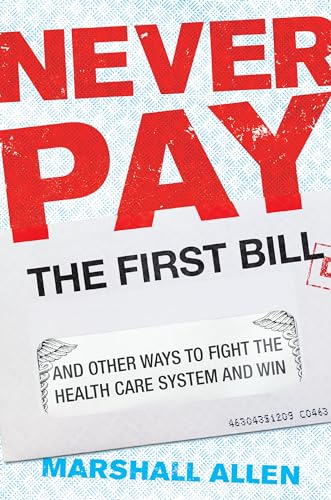
Never Pay the First Bill: And Other Ways to Fight the Health Care System and Win: Allen, Marshall
Drawing on 15 years of investigating the health care industry, reporter Marshall Allen <strong>shows how companies and individuals have managed to force medical providers to play fair, and shows how y
Check Price on AmazonPremium, deductible, coinsurance, and out‑of‑pocket max—how they interact
- Premium: What you pay each month to keep coverage.
- Deductible: What you pay first for covered, non‑preventive care each year before the plan starts to share costs. Family plans often list a family deductible and sometimes an embedded individual deductible (an amount one person can meet to start cost‑sharing for that person).
- Coinsurance: The percentage you pay for a service after the deductible (e.g., 20%).
- Out‑of‑pocket maximum (OOP max): The most you’ll pay in a year for covered, in‑network care. After you hit it, the plan pays 100% of covered services for the rest of the year.
Why this matters: A lower premium with a very high deductible can cost more overall in a year with a delivery or a hospitalization. Families should compare the likely “total annual cost” (premium x 12 + expected out‑of‑pocket spending), not just the premium.
Copays vs coinsurance for common services
- Copay: A fixed dollar amount (say $25) you pay for a service, often not subject to the deductible.
- Coinsurance: A percentage of the allowed amount (say 20%), typically after the deductible.
Tip: Copays for primary care, urgent care, and mental health visits make budgeting easier for families with frequent appointments.
Prescription drugs and tiers
- Formulary: The insurer’s list of covered drugs; tiers usually range from Tier 1 (lowest cost generics) to Tier 4/5 (specialty meds).
- Prior authorization: Plan approval required before the plan will cover certain drugs.
- Step therapy: You must try a lower‑cost drug first before “stepping up” to a pricier one.
Check where your family’s meds land on the formulary, whether they’re subject to the deductible, and what the copay/coinsurance will be.
Maternity and newborn care specifics
- Prenatal visits are typically covered like other office visits; many plans apply a copay.
- Labor and delivery costs vary widely by hospital and region. Many families meet the deductible and often approach the OOP max in a delivery year.
- Newborn care: Verify coverage for in‑hospital newborn exams, screenings, and the first pediatric visit. Add baby to your plan within your plan’s required window (often 30 days after birth) to avoid gaps.
Well‑child visits, immunizations, and preventive services
- Well‑child visits and recommended vaccines are typically covered at $0 in‑network as preventive care.
- Screenings (vision/hearing for kids, depression screening for teens, etc.) are often included—confirm specifics in your plan’s documents.
Mental and behavioral health
- Therapy and psychiatry are essential for many families. Look for in‑network pediatric therapists, virtual care options, and clear copays.
- For autism spectrum disorder, confirm coverage for ABA therapy (Applied Behavior Analysis), any visit caps, and prior authorization requirements.
Pediatric dental and vision
- Pediatric dental and vision are essential health benefits under the ACA, but in many states dental is offered through a separate stand‑alone plan on the marketplace. Confirm whether dental/vision are embedded in your medical plan or require a separate purchase—and check annual maximums and orthodontia rules.
Costs, savings paths, and where to buy
Employer plan vs marketplace vs Medicaid/CHIP
- Employer‑sponsored insurance: Often subsidized by your employer. Compare your employee premium share, the plan’s deductible/OOP max, and the network. If the employer offers multiple plan tiers, price them out using your family’s expected use.
- Marketplace (ACA exchange): If you don’t have employer coverage, you can shop ACA‑compliant plans. Depending on your income and family size, you may qualify for premium tax credits (subsidies that reduce your monthly premium) and cost‑sharing reductions (lower deductibles/copays on eligible Silver plans). Availability and savings vary by state.
- Medicaid and CHIP (Children’s Health Insurance Program): If your household income is within your state’s limits, your kids (and sometimes pregnant adults) may qualify for low‑ or no‑cost coverage. Eligibility thresholds for CHIP often extend higher for children than for adults.
Subsidies and cost‑sharing reductions (CSRs)
- Premium tax credits: Lower your monthly premium based on household income, family size, and the cost of a benchmark plan in your area. You can apply them in advance or claim them at tax time.
- CSRs: If you qualify and enroll in a Silver plan on the marketplace, your deductible and copays may be reduced. This can make Silver the sweet spot for many families with moderate incomes.
HSAs and FSAs—two different tax tools
- HSA (Health Savings Account): Only with an HSA‑eligible HDHP. Contributions are pre‑tax, growth is tax‑free, and withdrawals for qualified medical expenses are tax‑free. Funds roll over year to year and stay with you.
- FSA (Flexible Spending Account): Employer‑provided in many cases. Contributions are pre‑tax and can be used for eligible medical expenses, but most funds are “use it or lose it” within the plan year (some plans offer small carryovers or grace periods). FSAs pair with many plan types, not just HDHPs.
When a high‑deductible plan makes sense (and when it doesn’t)
- May make sense: Your family has low to moderate medical use, you can afford to fund the HSA, and you’re comfortable paying for routine care out of pocket until the deductible.
- May not make sense: You expect a delivery, surgeries, or multiple therapies/brand‑name medications—especially if the HDHP has high coinsurance and a high OOP max. In a high‑use year, a higher‑premium plan with lower OOP limits can cost less overall.
Real‑world cost comparisons (illustrative examples only)
Say you’re a family of four in a large metro area. Two adults (35 and 33), kids (5 and 2). You’re choosing between two marketplace plans with your doctors in‑network.
Bronze HDHP + HSA
- Premium: $800/month
- Family deductible: $9,000; OOP max: $16,000
- Most services apply to deductible; then 20% coinsurance
- Year with low use: 4 well‑child visits ($0), 2 sick visits (you pay negotiated rate, say ~$120 each), a few generics (some HDHPs apply to deductible). Estimated total: $9,900–$10,200 (premiums + out‑of‑pocket)
- Year with a delivery and newborn care: You likely approach the OOP max. Estimated total: premiums $9,600 + up to ~$16,000 OOP = up to ~$25,600
Silver HMO
- Premium: $1,150/month
- Family deductible: $5,500; OOP max: $12,000
- Copays: PCP $30, urgent care $75; many drugs have copays
- Year with low use: premiums $13,800 + ~$240 in copays = ~$14,040
- Year with a delivery and newborn care: Many families meet or near the OOP max. Estimated total: premiums $13,800 + up to ~$12,000 OOP = up to ~$25,800
Takeaway: For low use, the HDHP can win on total cost. For a maternity year, both designs can land in a similar range depending on exact deductibles, hospital billing, and CSRs—so check your plan’s OOP max and your eligibility for subsidies. Your state, ages, and insurer rates will change these numbers.
How to compare quotes and pick the right plan
Here’s the fastest, most reliable way to choose among finalists.
Step‑by‑step comparison
- Confirm your providers and hospitals are in‑network for the exact plan names.
- Price your top 3–5 plans using “total annual cost under expected use”:
- Total annual cost = (Monthly premium x 12) + (Expected out‑of‑pocket for visits, tests, and meds until you’d hit the OOP max)
- Check your meds on each plan’s formulary. Note tiers, prior authorization, and whether costs apply before/after the deductible.
- Review key benefits for families: well‑child coverage, urgent care copays, telehealth, mental/behavioral health access, maternity and NICU policies, pediatric dental/vision.
- Look at protection limits: OOP max (family), embedded individual deductibles, ER and ambulance rules.
- Evaluate convenience: referral requirements, virtual care, extended hours clinics, and lab/imaging locations.
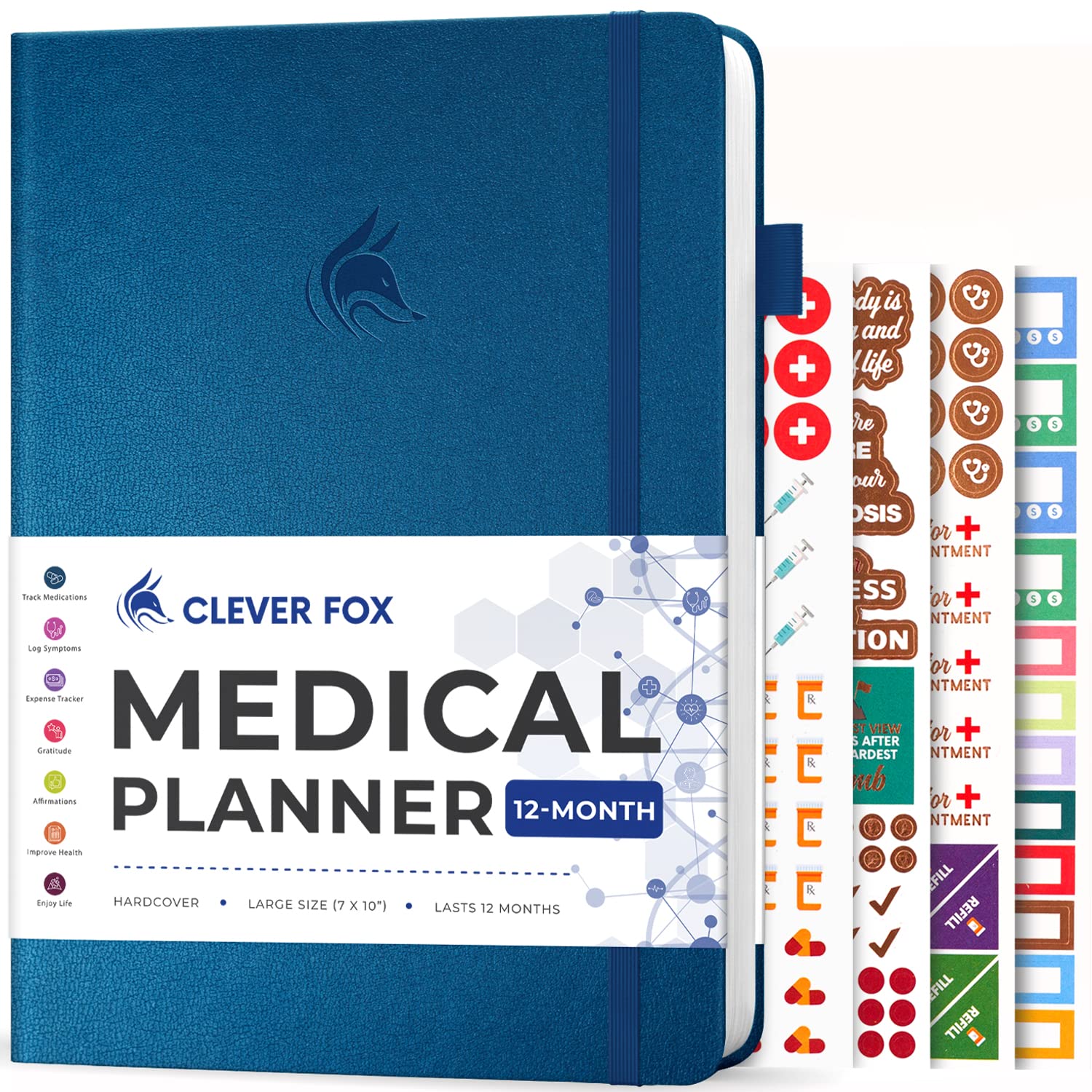
Clever Fox Large Medical Planner 12-Month – Medical Notebook, Health Diary, Wellness Journal & Logbook to Track Health – Self-Care Medical Journal – 12 Months, Undated, 7″ x 10.5″ (Forest Green)
Unexpected healthcare bills can put a large dent in your finances. Be prepared and manage your expenses well with the medical expense tracker. Blood pressure, lab tests, insurance providers, and medic
Check Price on AmazonRed flags to watch for
- Your pediatrician or OB/GYN is out‑of‑network, or the children’s hospital you prefer isn’t included.
- Limited pediatric subspecialists within a reasonable distance.
- Prescription exclusions that hit your regular meds (or specialty tiers with high coinsurance).
- Very high family OOP max without meaningful copays for common visits.
- Persistent negative service reviews or poor plan quality ratings in your state’s marketplace (where available). Consider your state insurance department’s complaint index for additional context.
Tailored recommendations for common family profiles
Young healthy family with toddlers
- What to prioritize: Low premiums, copays for PCP/urgent care, $0 preventive care. If you can fund an HSA and your doctors are in‑network, an HDHP may be cost‑effective.
- Watch for: Reasonable OOP max in case of an unexpected ER visit or broken bone.
Growing family planning a pregnancy in the next 12–18 months
- What to prioritize: Lower OOP max, predictable maternity benefits, in‑network hospital/OB practice. Many families prefer Silver or Gold plans with robust hospital coverage in a delivery year.
- Watch for: Separate hospital facility fees, NICU coverage details, anesthesia billing, and newborn add‑on timelines.
Family with high medical needs (e.g., chronic conditions, therapies, or specialty drugs)
- What to prioritize: Lower OOP max, strong specialist network, predictable copays where possible, and good non‑hospital benefits (labs, imaging). PPO/EPO may be worth the premium for broader access.
- Watch for: Specialty drug coinsurance percentages, prior authorization hurdles, and therapy visit limits.
Parents who love their current doctors, but networks are split
- What to prioritize: Which set of providers you’ll use most, travel time, and hospital access for emergencies. A PPO with both sets in‑network can save headaches; otherwise pick the network aligned to the family member with the highest expected use.
Self‑employed family with variable income
- What to prioritize: Marketplace subsidies and CSRs if eligible. Silver plans can deliver strong value at moderate incomes. If income rises, reassess at renewal.
- Watch for: Reconciling premium tax credits at tax time—estimate income carefully.
What to look for in the best health insurance for families (quick checklist)
- Your pediatrician, OB/GYN, and nearest children’s hospital are in‑network
- Silver or Gold plan if you expect a pregnancy or high use; HDHP + HSA if low use and you can fund savings
- Copays for PCP/urgent care/therapy visits you use most
- Reasonable family OOP max and embedded individual deductibles
- Your regular prescriptions are covered on favorable tiers
- Clear mental/behavioral health access, including pediatric providers and telehealth
- Pediatric dental/vision: embedded vs stand‑alone, orthodontia rules if needed
- Strong after‑hours and urgent care options near home
Ready to see real prices for your family?
The fastest way to know what you would actually pay is to compare quotes from 3–5 carriers side by side. Verify your doctors, plug in your current prescriptions, and run the “total annual cost” math for your likely use this year. Rates vary by state, age, and plan design, so a 10‑minute comparison can easily surface $1,000+ differences for the same network and benefits.
If you’d like a refresher on plan terms while you compare, bookmark Health Insurance Basics: Plans, Terms, and How to Choose (/health-insurance/health-insurance-basics).
A quick note: For personalized guidance tailored to your family’s doctors, medications, and budget, consider speaking with a licensed health insurance agent in your state. They can help you parse networks, formularies, and subsidy eligibility.
Next steps
- List your must‑have doctors, hospitals, and medications
- Shortlist 3–5 plans that include those providers
- Compare total annual cost under your expected use
- Check pediatric dental/vision and behavioral health details
- Enroll before your deadline (open enrollment or qualifying event like birth/move)

ENGPOW Fireproof Document Bag with Lock,File ...
View on AmazonWhen you line up your family’s needs with plan design, the “best” choice usually becomes obvious—and you avoid surprises mid‑year.
Recommended Resources
Never Pay the First Bill: And Other Ways to Fight the Health Care System and Win: Allen, Marshall
Drawing on 15 years of investigating the health care industry, reporter Marshall Allen <strong>shows how companies and individuals have managed to force medical providers to play fair, and shows how y
Clever Fox Large Medical Planner 12-Month – Medical Notebook, Health Diary, Wellness Journal & Logbook to Track Health – Self-Care Medical Journal – 12 Months, Undated, 7″ x 10.5″ (Forest Green)
Unexpected healthcare bills can put a large dent in your finances. Be prepared and manage your expenses well with the medical expense tracker. Blood pressure, lab tests, insurance providers, and medic
ENGPOW Fireproof Document Bag with Lock,File ...
Invest in a secure, well-designed notary bag to keep your essential supplies organized and protected. Browse locking options with durable, waterproof materials.
Related Articles
- Best Travel Insurance for Families — Compare Coverage, Costs & Top Picks
- Best Car Insurance Options for Families: Coverage, Savings, and Top Picks
- Health Insurance Marketplace: How to Compare Plans & Get Quotes
- Finding Affordable Health Insurance Plans: A Practical Guide to Lower Costs and Better Coverage
- Finding Affordable Health Insurance: Smart Ways to Lower Costs and Get Covered
- Affordable Auto Insurance for Families: Smart Ways to Cut Costs Without Sacrificing Protection
- Health Insurance in Indiana: Plans, Costs & How to Enroll
- Best Life Insurance: Top Picks & How to Choose (2026 Guide)