
Best Auto Insurance 2026: Top Companies, Rates & How to Get Quotes
You’re shopping for the best auto insurance and seeing wildly different prices. Is that normal? In most cases, yes. The “best auto insurance” depends on your state, your driving history, your car, and how much protection you want. This guide ranks top insurers for 2026, explains how we evaluated them, and shows you exactly how to compare quotes the right way.
Note: Rates vary by person and state. Examples below are illustrative, not guarantees. For personalized advice, talk with a licensed agent in your state.
Who this guide is for — and how to use it
- If you want a quick shortlist: Start with the Top 10 list below, then check the “Best by category” section based on your situation.
- If you’re comparing quotes: Use our step-by-step checklist and worksheet to make sure you’re lining up the same coverage with every insurer.
- If you want lower premiums: Jump to the Money-Saving Tips section — many drivers miss discounts they could qualify for.
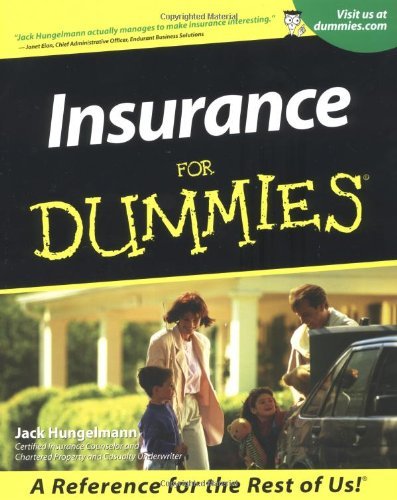
Insurance for Dummies: Hungelmann, Jack
<strong>Manage life, health, and disability risks</strong> ― explore individual and group policies, understand Medicare basics, and evaluate long-term disability and long-term-care insurance ...
Check Price on AmazonThe fastest way to see what you would actually pay is to compare quotes from 3–5 carriers for the same coverage. We’ll show you how.
How we evaluated the best auto insurance companies
We ranked insurers using five pillars that typically matter most to drivers:
- Coverage value
- Breadth of options beyond state minimums, including comprehensive (covers non-collision damage like theft, weather, animal strikes) and collision (repairs your car after a crash), rental reimbursement, roadside assistance, rideshare endorsements, gap coverage (pays the difference if your car is totaled and you owe more than it’s worth), and OEM parts options.
- Flexibility of liability limits, like 100/300/100 (bodily injury per person/per accident, and property damage per accident).
- Price and discounts
- Typical pricing relative to competitors by driver profile (clean record, teen, high-risk, etc.).
- Discount depth and availability: safe driver, telematics/usage-based (programs that monitor driving habits to adjust your rate), bundling, homeowner, student, pay-in-full, and more.
- Claims experience
- Consumer satisfaction and speed for handling claims.
- Availability of digital claims tools, photo estimates, and repair networks.
- Financial strength
- Insurer stability (e.g., AM Best ratings) — important for paying claims in bad years.
- Customer service and digital experience
- Quote ease, policy management, mobile app quality, and agent support.
No single company wins for everyone. Your best choice varies by state regulations and your unique risk profile.
Top 10 best auto insurance companies (2026)
These rankings reflect national performance and availability as of 2026, but your personal best pick can differ.
| Rank | Company | Best for | Pros | Cons | Where they shine |
|---|---|---|---|---|---|
| 1 | State Farm | Overall value | Strong agent network, broad discounts, steady rates | App experience can vary by region | Solid prices for families and multiple cars |
| 2 | GEICO | Affordable for many drivers | Competitive rates, easy online quotes, strong telematics | Limited local agent service | Budget-friendly for good drivers |
| 3 | Progressive | High-risk and customization | Flexible coverage, great for SR-22 (insurer files proof of financial responsibility), strong snapshot telematics | Rates can climb after accidents | High-risk drivers and unique vehicles |
| 4 | USAA | Military families | Excellent service, strong rates, claims satisfaction | Eligibility limited to military, veterans, and families | Military households nationwide |
| 5 | Nationwide | Broad discounts | Vanishing deductible (deductible is what you pay before insurance pays) options, strong bundling | Pricing varies by state | Discount stackers and homeowners |
| 6 | Travelers | Newer cars & comprehensive coverage | New car replacement options, robust endorsements | Not always the cheapest | Newer vehicles and commuters |
| 7 | American Family | Families and teen drivers | Good student/teen discounts, solid agent support | Limited availability in some states | Households with young drivers |
| 8 | Erie Insurance | Customer satisfaction | High marks on service, competitive rates, accident forgiveness | Regional availability only | Mid-Atlantic/Midwest customers |
| 9 | Auto-Owners | Claims experience | Strong financials, agent service, multi-policy savings | Not in all states, agent-only | Drivers who want guidance |
| 10 | Amica Mutual | Service-first buyers | Consistently high satisfaction, dividend policies (potential premium return, not guaranteed) | Fewer discounts than big brands | Service-focused drivers |
Tip: If a regional carrier like Erie or Auto-Owners serves your area, include them in your quote mix — regional insurers can be surprisingly competitive.
Best auto insurers by category
- Best cheap insurer for good drivers: GEICO or State Farm
- Why: Typically competitive base rates and strong safe-driver/telematics discounts.
- Best for high-risk/SR-22 needs: Progressive
- Why: Known for working with drivers who have tickets/accidents and handling SR-22 filings (proof to your state that you carry required coverage).
- Best for families with teens: American Family or State Farm
- Why: Multiple teen/student discounts and household savings across cars.
- Best for discounts you can stack: Nationwide
- Why: Broad discount menu plus options like a vanishing deductible (your deductible may drop over time for safe driving).
- Best for luxury and high-value cars: Chubb (specialty/high-net-worth carrier)
- Why: Agreed value coverage (you and the insurer agree on a value upfront), OEM parts, and high claim limits. Typically pricier but tailored for premium vehicles.
Compliance note: “Best” refers to typical strengths based on our methodology; your rates and experience can differ by state and personal profile.
Call to action: The smartest next step is to compare apples-to-apples quotes from 3–5 carriers. It’s the fastest way to see what you would actually pay.
How state minimums and regulations change what’s “best”
State laws drive both your required coverage and what data insurers can use to price you. A few examples:
- Minimum liability limits: Every state sets a floor for liability coverage (pays others if you cause an accident). Many states require limits like 25/50/25, but medical bills and car prices often exceed those. Consider higher limits such as 100/300/100 for better protection if you have assets.
- No-fault and PIP: In no-fault states, you typically carry Personal Injury Protection (PIP — covers your medical bills regardless of fault). PIP rules and limits vary by state, which affects prices and which insurer fits you best.
- Uninsured/Underinsured Motorist (UM/UIM): Some states require UM/UIM (covers you if the at-fault driver doesn’t have enough insurance). High UM/UIM limits can be valuable in states with many uninsured drivers.
- Credit-based insurance: Some states limit or ban using credit to set auto premiums (e.g., California, Hawaii, Massachusetts). In those states, carriers weigh other factors more heavily, and pricing spreads can look different.
- Usage-based insurance (telematics): Rules on what data can be used (hard braking, phone use, time of day) differ by state, which changes discount potential.
Find your state’s Department of Insurance for rules, complaint data, and shopping help: National directory at the NAIC (National Association of Insurance Commissioners): https://content.naic.org/state-insurance-departments
How to compare auto insurance quotes properly
If you only do one thing, do this: keep coverage identical across quotes so you’re comparing price — not protection.

High Road Car Glove Box Organizer - Maintenance Folder for Car Documents - Card Pockets for Insurance and Registration with Receipt Log and Divider Tab Inserts : Automotive
View on AmazonStep-by-step checklist
- Pick your target coverage set first
- Liability: Aim for at least 100/300/100 if you have income/savings to protect.
- Comprehensive and collision: Consider for cars you can’t easily replace. Choose a deductible (your out-of-pocket before insurance pays) you can afford, often $500–$1,000.
- UM/UIM: Often worth matching your liability limits.
- PIP/MedPay: Depends on your state. PIP covers medical bills regardless of fault; MedPay covers medical expenses with fewer bells and whistles.
- Extras to price consistently: rental reimbursement (loaner car after a covered loss), roadside assistance, gap coverage for financed/leased cars, new car replacement.
- Gather driver and vehicle info
- Driver details: Licenses, dates of any tickets/accidents, annual mileage, primary use (commute, business, pleasure).
- Vehicles: VINs if available, safety features, loan/lease status.
- Get 3–5 quotes the same day
- Include at least one regional carrier if available, and one telematics option for a discount estimate.
- Compare five things side-by-side
- Premium: 6-month and annual.
- Deductibles: Comprehensive/collision amounts.
- Liability/UM-UIM limits: Exact numbers.
- Endorsements: Rental, roadside, gap, OEM parts.
- Discount assumptions: Telematics enrolled? Paperless? Multi-policy?
- Think beyond price
- Claims support: 24/7? Photo claims? Local preferred shops?
- Financial strength: Look for strong AM Best ratings (e.g., A- or better).
Sample worksheet you can copy
- Insurer: ____ Policy term: 6 or 12 months Quote date: ____
- Liability: //____
- UM/UIM: /
- PIP/MedPay: ____ State: ____
- Comprehensive deductible: $____ Collision deductible: $____
- Add-ons: Rental $____/day for ____ days | Roadside: Y/N | Gap: Y/N | New car replacement: Y/N
- Telematics discount quoted: ____% (est.) Other discounts: ________
- Total premium: $____ Monthly: $____ Fees: $____ Pay-in-full discount: $____
- Notes on claims/service: __________________________________
Real-world example (illustrative only)
- Say you’re a 35-year-old driver in Texas with a clean record, driving 12,000 miles/year, and you want full coverage (100/300/100 liability, comprehensive and collision with a $500 deductible). With major carriers, you might typically see quotes ranging from roughly $120 to $220 per month depending on the insurer, your credit tier (if allowed in your state), and discounts. Your actual rate could be lower or higher.
CTA: Ready to see your real number? Compare the same coverage with 3–5 companies — it usually takes about 5 minutes per quote.
Money-saving tips that actually work
- Bundle home/renters and auto: Insurers often give 5–25% savings on auto when you bundle, depending on your state and company.
- Use telematics/usage-based programs: Safe braking, smooth acceleration, and limited late-night driving can earn sizable discounts. You can usually test-drive the app before you commit.
- Right-size your deductibles: Higher deductibles lower premiums, but pick an amount you can pay today without stress.
- Keep a clean record: Tickets and at-fault accidents follow you for 3–5 years in most states. A defensive driving course may help in some states.
- Watch your credit (where allowed): Insurers in most states can use a credit-based insurance score. Improving your credit profile over time can reduce rates.
- Drive fewer miles: If you’re under ~7,500–8,000 miles/year, ask about low-mileage discounts — or try pay-per-mile insurance if available in your state.
- Ask about affinity discounts: Alumni associations, employers, and professional groups sometimes unlock savings.
- Pay in full and go paperless: Modest but easy discounts, plus you’ll avoid installment fees in many cases.
- Shop before renewal: Insurers refile rates frequently; it’s smart to compare annually or after life changes (move, new job commute, paid-off car).
Frequently asked questions
Q: Are online quotes reliable?
- Typically, yes for ballpark pricing — as long as you enter accurate info and quote the same coverage set with each company. Final underwriting (verification of tickets, prior claims, credit where allowed) can change your rate. A licensed agent can help you avoid surprises.
Q: What is gap coverage — and do I need it?
- Gap coverage pays the difference if your car is totaled and you owe more on your loan/lease than the car’s actual cash value. Consider it if you put little down, have a longer loan term, or your car depreciates quickly (common with new vehicles). Lease contracts often require it.
Q: How do I handle a claim the right way?
- First ensure safety, then document. Take photos, exchange information, and contact your insurer’s claims line quickly. Your deductible (the part you pay before insurance pays) applies on collision/comprehensive claims. Ask your adjuster about preferred repair shops, OEM parts options, and rental coverage limits before work begins.
Q: Do I need full coverage on an older car?
- “Full coverage” isn’t a policy type — it usually means liability plus comprehensive and collision. If your car’s value is low (e.g., under $4,000–$6,000 in many cases), you may decide collision/comprehensive aren’t worth the premium. Run the math based on your car’s value and your savings.
Q: Will switching insurers hurt me?
- Not typically. Make sure the new policy is active before you cancel the old one to avoid a lapse (gaps can raise future rates). Ask about pro-rated refunds and new-customer discounts.
Final recommendation and next steps
- Shortlist 3–5 insurers from the Top 10 and “Best by category” sections that fit your situation.
- Use the worksheet above to keep coverage identical across quotes.
- If you prefer guidance, talk with a licensed agent who can compare multiple carriers for you.
Helpful next step: Get personalized quotes today. Comparing the same coverage from a few top carriers is the fastest, most reliable way to find your best auto insurance rate in 2026.
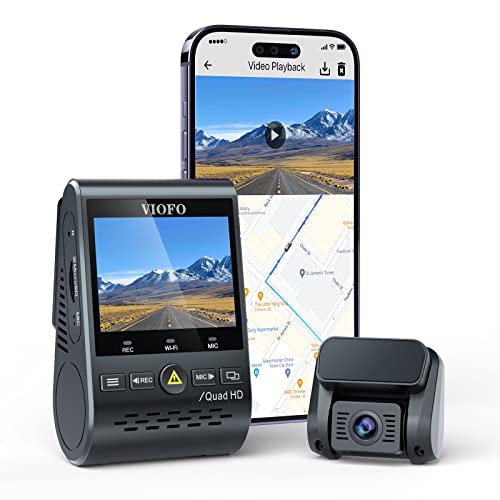
VIOFO Dual Dash Cam, 2K 1440P 60fps+1080P 30fps Front and Rear Dash Camera with Wi-Fi GPS, Parking Mode, Emergency Recording, Super Capacitor, Motion Detection (A129 Plus Duo) : Electronics
View on AmazonRecommended Resources
Insurance for Dummies: Hungelmann, Jack
<strong>Manage life, health, and disability risks</strong> ― explore individual and group policies, understand Medicare basics, and evaluate long-term disability and long-term-care insurance ...
VIOFO Dual Dash Cam, 2K 1440P 60fps+1080P 30fps Front and Rear Dash Camera with Wi-Fi GPS, Parking Mode, Emergency Recording, Super Capacitor, Motion Detection (A129 Plus Duo) : Electronics
Buy VIOFO Dual Dash Cam, 2K 1440P 60fps+1080P 30fps Front and Rear Dash Camera with <strong>Wi-Fi GPS, Parking Mode</strong>, Emergency Recording, Super Capacitor, Motion Detection (A129 Plus Duo): On
High Road Car Glove Box Organizer - Maintenance Folder for Car Documents - Card Pockets for Insurance and Registration with Receipt Log and Divider Tab Inserts : Automotive
Amazon.com: <strong>High Road Car Glove Box Organizer</strong> - Maintenance Folder for Car Documents - Card Pockets for Insurance and Registration with Receipt Log and Divider Tab Inserts : Automotiv
Related Articles
- Auto Insurance Quotes: Compare Rates & Get a Fast Free Quote
- Best Insurance Companies 2026 — Top Picks & How to Choose
- Best Car Insurance for New Drivers: Top Picks & How to Save
- Best Home Insurance 2026: Top Picks, How to Choose & Get Quotes
- Find the Cheapest Insurance Company: A Practical Guide
- Best Car Insurance in Michigan: Top Companies, Rates & How to Save
- How Much Is Car Insurance? Average Costs, Factors & Ways to Save
- Best Auto Insurance Discounts: How to Find, Qualify For, and Maximize Savings