
Best Credit Cards for Gas: Top Picks for Saving at the Pump
You are watching gas prices creep up again and wondering if there is a smarter way to pay at the pump. If you are comparing the best credit cards for gas, here is what actually matters: the earn rate at gas stations, spending caps, whether your usual station even counts as “gas” to your card, and how easy it is to turn rewards into real savings.
As with any card, exact terms vary by issuer and can change. Always confirm current rates and restrictions on the issuer’s site before you apply.
How gas rewards work (and why “coding” matters)
- Gas station category: Card issuers rely on merchant category codes (MCCs) to decide what counts as a gas station. Pay-at-the-pump at a traditional station usually codes correctly. Fuel at warehouse clubs or grocery store pumps may not code as “gas,” and some cards explicitly exclude them.
- Earn rate: This is how much you earn per dollar, often shown as “% cash back” or “points per dollar.” A 5% gas card puts $5 in rewards for every $100 at eligible stations, usually up to a cap.
- Redemption: Cash back (statement credit or bank deposit) is the simplest. Points and miles can be great if you travel, but make sure you can redeem at a solid value (typically 1 cent per point or better).
- APR: The annual percentage rate (APR) is the cost of carrying a balance. If you pay in full each month, APR is less relevant. If you carry a balance, interest will typically outweigh any rewards.

Your Credit Score: How to Improve the 3-Digit Number That Shapes Your Financial Future: Weston, Liz
Weston thoroughly covers brand-new laws and rules surrounding credit scoring ― including some surprising good news and some frightening new risks. Don’t settle for an out-of-date guide to credit scori
Check Price on AmazonBest credit cards for gas: top categories and standout picks
Instead of chasing a single “winner,” think in terms of card types. Different drivers benefit from different structures. Here are the most useful groups, with examples you can look for. Exact names and percentages vary by issuer and year.
1) Fixed cash-back cards with enhanced gas rewards (simple and steady)
- What they do: Pay a higher flat rate at gas stations (often 3%–5%) with either no cap or a generous annual cap. Many have no annual fee.
- Who they fit: Commuters and families who reliably buy fuel at traditional stations.
- Typical examples: National bank cards that earn 3% at gas stations year-round; warehouse-club co-branded Visas that offer elevated gas rewards up to an annual cap; credit union cards that award “5x points” at the pump.
- Watch for: Caps like “4% on gas up to $7,000 per year, then 1%,” exclusions for superstores/warehouse clubs, and whether convenience-store purchases inside the station code as gas.
2) Rotating or customizable category cards (high upside if you plan)
- What they do: Offer 5% back in categories that either rotate quarterly or automatically boost your top category (often up to a monthly or quarterly limit), and 1%–2% on everything else.
- Who they fit: Drivers with flexible spending who can adapt each quarter or who consistently make gas their top monthly category.
- Typical examples: 5% rotating-category cards that frequently include gas in one quarter per year (with a quarterly cap, often around $1,500 in combined purchases); “top category” cards that pay 5% in your highest eligible category each statement cycle (often capped around $500 in that top category per month).
- Watch for: Activation requirements each quarter; caps that reset monthly or quarterly; gas only counts if it is the top category or if you activate in time.
3) Travel rewards cards that include gas (for road-trippers)
- What they do: Earn points on gas and travel and offer trip perks like primary rental car coverage or roadside assistance statements.
- Who they fit: People who frequently rent cars, take road trips, or redeem points for travel at good value.
- Typical examples: Mid-tier travel cards offering 3x points on travel and sometimes 3x on gas; premium cards that may not bonus gas but deliver strong travel redemptions and protections.
- Watch for: Annual fees and whether points reliably redeem at 1–1.5 cents each. Adding car-rental coverage can make a lower gas earn rate still worth it if you rent often.
4) Co-branded gas station cards (cents per gallon vs. % back)
- What they do: Offer cents-off-per-gallon discounts at a specific brand (for example, 5–10 cents off per gallon), sometimes with periodic promos.
- Who they fit: Drivers loyal to one brand with stations near home and work.
- Value math example: 10 cents off per gallon on a $4.00 gallon is effectively 2.5% back; when prices are $3.00/gal, it is 3.3% back. If your general card pays 3%–5% everywhere on gas, the co-branded discount may or may not win.
- Watch for: Limited station network, variable pricing by station, and whether discounts apply to diesel.
5) Small-business cards for high-mileage drivers
- What they do: Bonus fuel on a business card, often with expense tools and potential statement credits.
- Who they fit: Rideshare/delivery drivers, field sales reps, contractors — anyone with legitimate business fuel expenses.
- Typical examples: Business cards that let you choose bonus categories (often including gas) or pay 3%–4% at U.S. gas stations; fleet cards for larger operations.
- Watch for: Annual fees, employee card costs, and redemption values on points. Business underwriting can differ from personal card approvals.
Note: We are not listing every card by name or rate because issuers change terms. Use these categories to narrow candidates, then confirm current details on the issuer’s page before you apply.
What to look for when choosing a gas rewards card
Here is the short list that actually moves the needle.
- Earn rate at your stations: Check your real stations. If you buy fuel at a warehouse club or grocery store pump, confirm your card counts it as “gas.” Some cards exclude superstores or code club pumps as “warehouse,” not gas.
- Spending caps and resets: Common caps include “5% on up to $1,500 per quarter” or “5% on your top category up to $500 per billing cycle.” If you spend more than the cap, your average earn rate drops fast.
- Annual fee: Cards with an annual fee can still win if your gas savings (plus other perks) exceed the fee. Do the math on your annual gallons or monthly budget.
- Redemption flexibility: Cash back is simple. Points can be more valuable if you redeem at 1.25–1.5 cents for travel or transfer to partners — but only if you actually use them. If not, a straightforward cash-back card usually wins.
- Station acceptance and networks: Some warehouse clubs restrict accepted networks (for example, only Visa). Make sure your primary card works where you fill up.
- Other driving perks: Primary rental car coverage, roadside dispatch, extended warranty on car accessories, or cell phone protection (when you pay your bill with the card) can tip the scales.
- Intro offers and 0% APR periods: A welcome bonus can supercharge Year One value, and a 0% intro APR (temporary interest rate for purchases or balance transfers) can help with planned expenses. Just remember that carrying a balance after intro periods typically erases rewards value due to interest.
If you are new to rewards, our guide to cash-back picks can help you find a simple card to pair with a gas strategy: Best Cash Back Credit Cards 2026. If you want broader points options, see Best Rewards Credit Cards of 2026.
Card types suited to different drivers
Commuters with steady monthly fuel costs
- Likely winner: A no-annual-fee card that pays 3%–5% at gas stations, ideally with a cap high enough to cover your annual fuel.
- Why: Consistent, automatic rewards without quarterly activations.
- Pro tip: If your card caps the gas bonus monthly, split big fill-ups across billing cycles if practical.
Road-trippers and frequent renters
- Likely winner: A travel card that earns solid points on gas and includes primary rental car coverage (insurance that makes a claim with the credit card first, not your personal auto policy).
- Why: The value of rental protections and travel redemptions can outweigh a slightly lower gas earn rate.
- Explore: Our roundup of cards with trip perks and protections: Best Credit Cards for Travel in 2026: Rewards, Perks & Travel Protections.
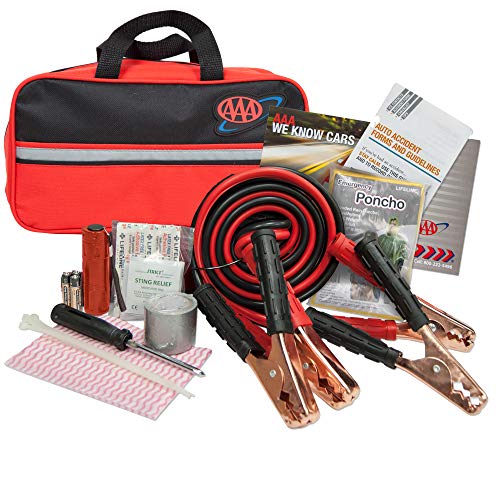
Lifeline AAA Premium Road Kit, 42 Piece Emergency Car Kit with Jumper Cables, Flashlight and First Aid Kit,4330AAA,Black : Everything Else
View on AmazonFamilies who also spend big at grocery stores
- Likely winner: A card that pairs strong grocery earnings with decent gas rewards, or a two-card setup (grocery specialist + gas specialist).
- Why: If groceries dominate your budget, prioritize a card that crushes that category and still gives you respectable gas rewards.
Warehouse club loyalists
- Likely winner: The club’s co-branded Visa or a general Visa that still codes club pump purchases as gas.
- Watch for: Annual cap on gas rewards (often around $6,000–$7,000 per year) and in-warehouse network limitations. Some clubs only accept one card network for in-store purchases, and some pumps match that policy — check signage.
Rideshare, delivery, and business drivers
- Likely winner: A small-business card that bonuses gas and offers expense tracking, or a fleet card if you manage multiple vehicles.
- Why: Separating business fuel can simplify taxes and unlock higher caps. Keep receipts; card statements help but do not replace logs.

Adams ABFAFR12 Vehicle Mileage and Expense Journal, 5-1/4" x 8-1/2", Fits the Glove Box, Spiral Bound, 588 Mileage Entries, 6 Receipt Pockets,White : Expense Forms
View on AmazonNew to credit or rebuilding credit
- Likely winner: A beginner-friendly cash-back card with no annual fee and simple categories, even if gas is only 2%–3%.
- Why: Qualifying for ultra-high-tier cards can be tougher with a thin file. Start simple, then upgrade.
- Explore: Best Credit Cards for Beginners: How to Choose the Right Starter Card or our step-by-step: How to Choose Your First Credit Card.
Important trade-offs and fine print drivers often miss
- Gas vs. grocery vs. warehouse coding: Your supermarket’s on-site pump might code as grocery or “other,” not gas. Warehouse clubs may code as “warehouse” unless you use the club’s co-branded card. Read your card’s gas definition.
- Inside the station vs. at the pump: Buying snacks inside may not count as gas. Pay at the pump for the best chance of correct coding.
- Caps and devaluations: A 5% card with a tight cap can average less than 3% if you overshoot the limit. Track progress in your card app.
- Network acceptance: Some stations only accept certain networks or have malfunctioning pumps that default to “inside only.” Always keep a backup card.
- Cash back vs. cents-off: Percentage back scales with price; cents-off shines when gas is cheaper. Do the math for your local prices.
- EV charging: Electric vehicle charging may code as “electric services,” “utilities,” or “transit,” not gas. Some cards now bonus EV charging specifically; if you split time between gas and EV, look for coverage of both.
Real-world examples: what your savings could look like
These are simplified scenarios. Your actual results vary based on station coding, card caps, and redemption choices.
Commuter spending $250/month on gas at traditional stations:
- 5% gas card with a $500/month top-category cap: $12.50/month ($150/year) if gas is your top category and you stay under $500 total in that cycle.
- 3% year-round gas card, no cap: $7.50/month ($90/year).
- 10¢/gal brand discount at 50 gallons/month: $5/month ($60/year) at $4/gal; roughly 2.5% effective.
Family who fuels mostly at a warehouse club pump, $300/month:
- Warehouse club co-branded Visa offering 4% on gas up to $7,000/year: $12/month for most of the year, then 1% once you hit the cap.
- General 3% gas card that does not recognize warehouse pumps as gas: $0 in bonus rewards if coded as warehouse; you would earn the base rate (often 1%).
Rotating 5% card, road-trip quarter ($1,000 in gas in a single quarter):
- 5% on $1,000 with a $1,500 quarterly cap: $50 for that quarter.
- If you forget to activate the category: usually 1% or 1.5% base rate ($10–$15). Set a reminder.
A practical strategy to maximize gas savings
- Pair up: Use a high-earn gas card for eligible pump purchases and a solid 2%–3% everywhere card as a fallback. That way you do not get stuck with 1% when a station codes oddly.
- Mind the caps: If your gas card has a monthly top-category cap (for example, $500), plan big fill-ups early or late in the cycle to avoid splitting between 5% and 1%.
- Keep it simple if you prefer: A single, no-annual-fee 3% gas card plus a 2% flat-rate card covers 95% of drivers with minimal fuss.
- Optimize redemptions: If you earn points, aim for at least 1 cent per point when redeeming. If your program offers less, consider cash back.
If you want a one-card cash-back setup to complement a gas specialist, compare options here: Best Cash Back Credit Cards 2026. For broader travel redemptions, see Best Rewards Credit Cards of 2026.
How to compare the best credit cards for gas (quick checklist)
- Confirm your stations code as “gas” with the card you want.
- Calculate your monthly/annual fuel budget and see if you will hit caps.
- Decide if you want cash back (simple) or points (potentially higher value).
- Count the annual fee and any club membership fee in your math.
- Weigh secondary perks you will actually use: rental car coverage, roadside help, cell phone coverage, extended warranty on auto accessories.
- Check network acceptance where you buy fuel.
- Consider whether you will keep up with quarterly activations or rotating categories.
Quick note on credit health and approvals
Card approvals depend on many factors: your credit score, income, existing credit lines, recent applications, and more. Prequalification (a soft check that does not impact your credit) can help you gauge odds before a formal application. If you prefer a stress-free start, browse beginner-friendly options: Best Credit Cards for Beginners: How to Choose the Right Starter Card.
Get personalized matches — a smart, low-effort next step
The fastest way to see what you would actually earn is to compare prequalified offers from 3–5 issuers side by side. Look at:
- Gas earn rate and caps at the stations you actually use
- Annual fee vs. your estimated yearly rewards
- Redemption options you will use (statement credit, bank deposit, or travel)
If an issuer offers prequalification, it is typically a soft inquiry (no credit score impact). Terms vary — always read the fine print.
FAQs: best credit cards for gas
- Do gas rewards apply to diesel? Often yes, but some co-branded discounts exclude diesel. Check the card’s gas category definition.
- What about EV charging? Many cards do not treat EV charging as gas. Look for cards that bonus “EV charging stations,” “utilities,” or “transit,” depending on how your local chargers code.
- Will buying inside the station count? Usually no — snacks and drinks often code as convenience store purchases, not gas. Pay at the pump for best results.
- Can I stack station loyalty with my card? Typically yes. Use the station’s app for cents-off and pay with your card to earn % back on the net price you pay.
- Is it worth paying an annual fee? If your annual fuel spend is high (or you value travel perks), an annual-fee card can still come out ahead. Run the math on a typical year.
A friendly reminder and where to go next
If you have unique circumstances — business fuel expenses, mixed EV and gas usage, or questions about credit building — a licensed credit counselor or a fiduciary financial advisor can help you fine-tune your setup.
Ready to turn this into savings? Compare a few prequalified offers today from 3–5 issuers and pick the card that matches your stations, your budget, and your redemption style. If you also want strong non-gas rewards, check out Best Rewards Credit Cards of 2026 or a simple cash-back workhorse from Best Cash Back Credit Cards 2026.
Disclosures: Rewards rates, categories, and benefits described above are typical but not guaranteed and may change. Always verify current terms on the issuer’s website before applying.
Recommended Resources
Your Credit Score: How to Improve the 3-Digit Number That Shapes Your Financial Future: Weston, Liz
Weston thoroughly covers brand-new laws and rules surrounding credit scoring ― including some surprising good news and some frightening new risks. Don’t settle for an out-of-date guide to credit scori
Lifeline AAA Premium Road Kit, 42 Piece Emergency Car Kit with Jumper Cables, Flashlight and First Aid Kit,4330AAA,Black : Everything Else
Amazon.com: <strong>Lifeline AAA Premium Road Kit</strong>, 42 Piece Emergency Car Kit with Jumper Cables, Flashlight and First Aid Kit,4330AAA,Black : Everything Else
Adams ABFAFR12 Vehicle Mileage and Expense Journal, 5-1/4" x 8-1/2", Fits the Glove Box, Spiral Bound, 588 Mileage Entries, 6 Receipt Pockets,White : Expense Forms
<strong>Adams Vehicle Mileage and Expense Journal</strong> holds 588 mileage entries to record the year’s travel expenses. Includes fields to track maintenance, repairs, parking and tolls. Six storage
Related Articles
- Best Credit Cards for Groceries: Top Picks, Rewards, and How to Choose
- Best Cash Back Credit Cards 2026: Top Picks and How to Choose
- Best Balance Transfer Credit Cards: How to Compare the Top Offers
- Best Student Credit Cards 2026: Top Picks for Building Credit and Earning Rewards
- Best Credit Cards for Bad Credit: How to Compare the Top Options
- Best Savings Account Rates 2026: How to Compare the Top Options
- Best Secured Credit Cards: How to Compare the Top Options
- Best Credit Cards for Travel in 2026: Rewards, Perks & Travel Protections