
Best Secured Credit Cards: How to Compare the Top Options
You want a credit card to build or rebuild credit—but you also want to avoid junk fees and make sure your deposit isn’t trapped forever. Here’s the real question: what actually makes the best secured credit cards “best,” and which one fits your situation?
This guide breaks down how secured credit cards work, what to look for, and the tradeoffs to expect. We’ll show you how to compare options side by side so you can choose confidently—no fluff, just what matters.
What is a secured credit card and how does it work?
A secured credit card is a credit card that requires a refundable security deposit (cash you put down that the bank holds as collateral). Your deposit typically becomes your credit limit—for example, a $300 deposit gives you a $300 limit. If you pay on time and manage the account responsibly, your payments are reported to the credit bureaus and can help you establish or rebuild credit over time.
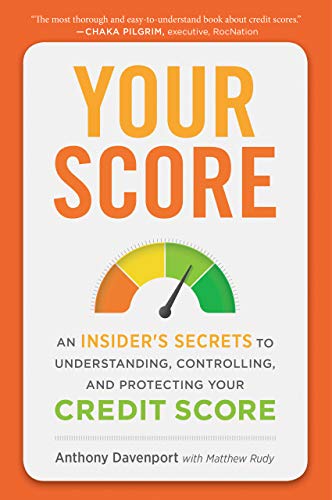
Your Score: An Insider's Secrets to Understanding, Controlling, and Protecting Your Credit Score eBook : Davenport, Anthony: Kindle Store
Davenport reveals where your credit ... Your Score is <strong>an accessible manual designed to help you take control of your credit score and better navigate all the important financial decisions in y
Check Price on AmazonKey points:
- Security deposit: Refundable when you close the account in good standing or “graduate” (upgrade) to an unsecured card. If you default, the issuer can use your deposit to cover what you owe.
- Credit-building purpose: Secured cards are designed for people with limited credit history (“thin file”) or damaged credit. Used well, they can help you qualify for better cards later.
- How it differs from debit/prepaid: It’s a real credit card. Your purchases are a short-term loan you must repay. With a debit or prepaid card, you’re spending your own money right away and it won’t help build credit.
- APR: The annual percentage rate (the interest rate you’ll pay if you carry a balance). Secured cards often have higher APRs, so paying in full each month is the smart move.
- Credit utilization: The percentage of your available credit you use. On a $300 limit, a $90 balance is 30% utilization. Lower is better for credit scores in most cases.
Who they’re best for:
- First-time credit users who want to establish history
- People rebuilding after late payments, charge-offs, or bankruptcy
- Anyone who can put down a deposit but wants the structure and reporting of a traditional credit card
How to compare the best secured credit cards
When people say “the best secured credit cards,” they’re almost always talking about the mix of low costs, strong credit reporting, and a clear upgrade path. Here are the criteria that actually matter—and how to weigh them.
1) Minimum and maximum deposit
- Why it matters: Your deposit determines your limit and affects your utilization. A $200–$300 minimum is common. Some cards allow $1,000–$3,000+ for higher limits.
- What to look for: Flexibility to increase your limit later without reapplying. Check whether the issuer allows incremental deposits.
2) Annual fee and other fees
- Annual fee: A yearly charge just to keep the card open. Many good secured cards have no annual fee.
- Monthly/maintenance fees: Some cards charge these—usually a red flag unless you have very limited options.
- Foreign transaction fee: A 1–3% fee on purchases abroad. Matters for travel or international students.
- Cash advance fee: Extra cost to withdraw cash. Typically high; best to avoid cash advances.
- Late/returned payment fees: These can add up and harm your credit. Set up autopay if possible.
3) APR (annual percentage rate)
- Expect higher APRs on secured cards. The goal is to pay in full to avoid interest entirely. Still, if you might carry a balance, a lower APR can save meaningful money.
4) Credit bureau reporting
- Best practice: The card should report to all three major credit bureaus (Equifax, Experian, TransUnion). This is non-negotiable if your goal is building credit.
5) Upgrade path (graduation)
- Look for: A clear timeline and criteria for upgrading to an unsecured card—often 6–12 months of on-time payments, though it varies.
- Ask: When you upgrade, is your deposit automatically refunded? Do you keep the same account number and credit history (good for credit age)?
6) Rewards and perks
- Some secured cards offer modest cash back (for example, 1–2%). Nice to have, but don’t trade a no-fee card for a fee-collecting rewards card unless the math works in your favor.
- Other perks to consider: Free credit score access, fraud protections, autopay, mobile app features, and spending alerts.
7) Approval experience
- Prequalification: A “soft” credit check that gives you a sense of approval odds without hurting your credit score. Do this before a full application, which usually triggers a “hard inquiry” (a credit check that can temporarily lower your score a bit).
- Some secured cards don’t require a traditional credit check at all—but may have higher fees or fewer upgrade options. Read the fine print.
8) Deposit handling and refund policy
- Where is your deposit held, and does it earn interest? Some issuers hold it in a savings account or CD (certificate of deposit), but many pay no interest.
- How quickly are deposits refunded upon upgrade or closure in good standing? Get this in writing.
9) Acceptance and network
- Visa and Mastercard tend to have the widest acceptance. If you travel or shop internationally, network coverage matters—plus check for foreign transaction fees.
10) Customer support and account tools
- Reliable customer service, simple dispute handling, robust app features, and credit education tools can make daily use—and credit building—easier.
Pro tip: When features are similar, prefer cards with no annual fee, full three-bureau reporting, and a documented upgrade path.
Which features matter most for your goals
Not everyone needs the same card. Here’s how to match features to your specific objective.
Goal: Build credit at the lowest possible cost
- Prioritize: No annual fee, no monthly fee, reports to all three bureaus, prequalification.
- Nice to have: Free credit score tracking, automatic credit line reviews, autopay.
- Skip: Rewards that come with an annual fee—you can add rewards later once you’ve graduated.
- Related read: If you’re brand-new to credit, these basics help too: Best Credit Cards for Beginners: How to Choose the Right Starter Card and How to Choose Your First Credit Card.
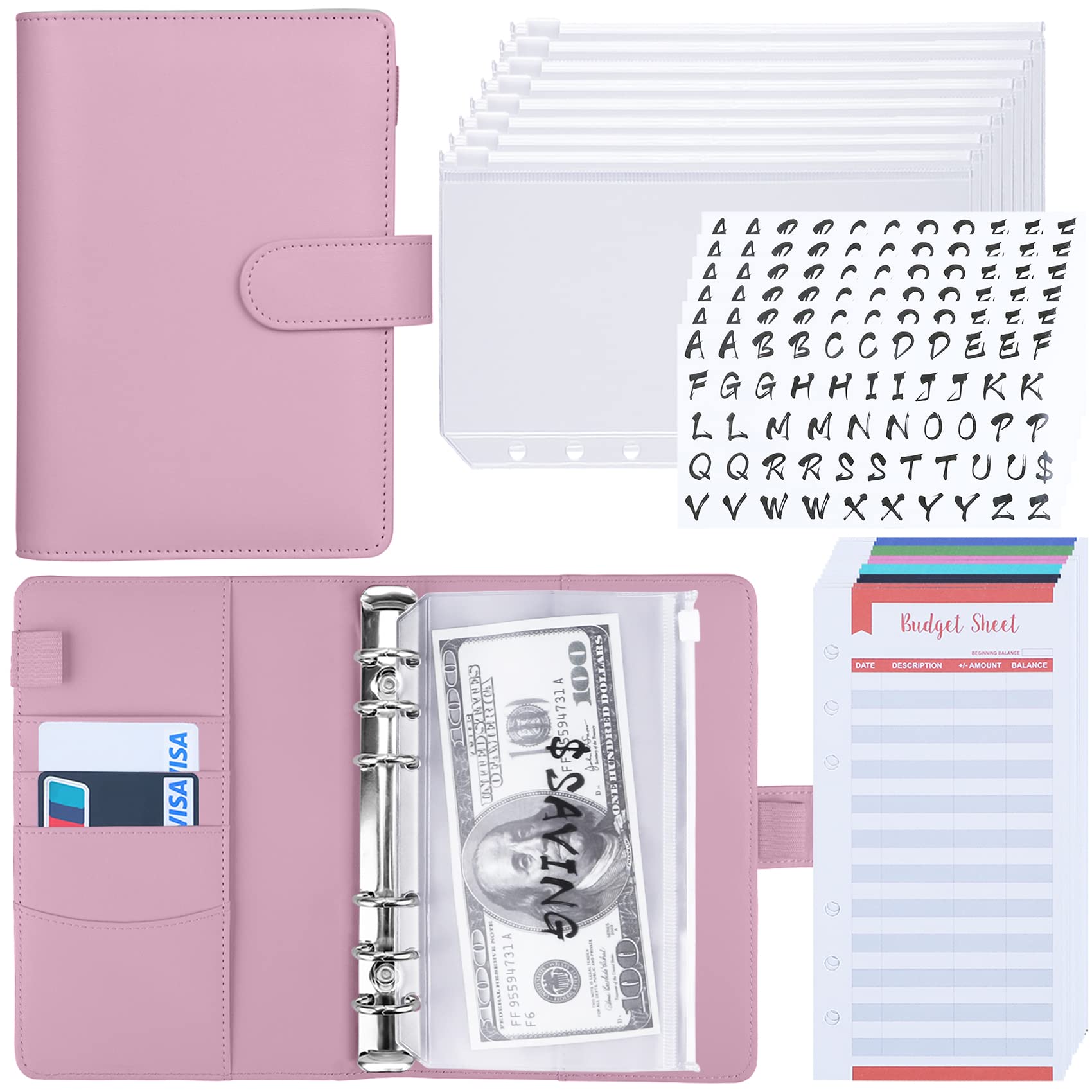
Antner Budget Binder with Zipper Cash Envelopes & Expense Tracker Sheets for Budgeting, Money Saving Binder, A6 Budget Book with Cash Envelopes for Money Organizer, Pink
View on AmazonGoal: Rebuild after credit challenges
- Prioritize: Flexible minimum deposits (e.g., start at $200), forgiving approval criteria, clear path to upgrade.
- Consider: Cards that allow higher maximum deposits so you can increase your limit—and lower utilization—over time.
- Watch for: Monthly fees and excessively high annual fees. If the upfront cost is steep, ensure it’s truly your best option right now.
Goal: Graduate quickly to an unsecured rewards card
- Prioritize: An issuer with a documented graduation process and a natural upgrade to an entry-level rewards card.
- Tip: Many issuers review accounts after 6–12 months of on-time payments. Keep balances low (ideally under 10–30% utilization) and pay in full.
- Planning ahead: When you do graduate, compare beginner-friendly rewards options here: Best Cash Back Credit Cards 2026: Top Picks and How to Choose and Best Rewards Credit Cards of 2026.
Goal: Earn rewards while building credit
- Reality check: Rewards are a bonus, not the main event. If a no-fee card with three-bureau reporting exists versus a fee-bearing rewards card, the no-fee option typically wins for builders.
- If you insist on rewards: Make sure expected earnings exceed any annual fee—and still prioritize no missed payments.
Goal: International student or newcomer to the U.S.
- Prioritize: Wide acceptance (Visa/Mastercard), low or no foreign transaction fees, and whether the issuer accepts an ITIN if you don’t have an SSN yet.
- Ask: Does the bank allow online deposit funding from your existing account? What ID documentation is required?
Goal: Higher initial or growing credit limit
- Prioritize: High maximum deposit and the ability to add to your deposit over time without a new application.
- Strategy: If you can afford it, a larger deposit can make utilization management easier—important for score-building.
Real-world examples: What might fit you
These simplified scenarios show how the tradeoffs play out. Actual terms vary by issuer and your credit profile.
New to credit, low budget: You can spare $200. You target a no-annual-fee secured card that reports to all three bureaus and allows prequalification. You set autopay for the full balance and use the card for a small recurring bill (say, $20–$30/month) to keep utilization low and payment history clean.
Rebuilding after late payments, wants flexibility: You start with a $300 deposit and plan to add $50–$100 monthly to raise your limit to $700–$800 over time. You look for an issuer that automatically reviews for graduation after 6–12 months of on-time payments and clearly refunds the deposit upon upgrade.
Planning to graduate to rewards: You choose a no-fee secured card from an issuer known for smooth upgrades. You keep utilization under 10% and pay in full. After 9 months of perfect history, you’re reviewed for an unsecured version. Once unsecured, you compare beginner rewards cards and move your everyday spending there, keeping the older account open (if possible) to preserve your credit age.
Common drawbacks and tradeoffs of secured cards
Secured cards work, but they’re not perfect. Here’s what to watch.
- Upfront cash requirement: Your deposit is tied up. If you’re deciding between a $500 deposit and adding to your emergency fund, weigh the tradeoff. If you’re parking cash while you decide, consider competitive yields: Best High-Yield Savings Accounts in 2026.
- Limited credit lines: A $200–$500 limit can make utilization spike quickly. Paying multiple times per month (or using the card for one small bill) helps keep utilization in check.
- Fees that erode value: Annual or monthly fees, cash advance fees, and late fees add up. Often the “best” secured card is the one with fewer ways to nickel-and-dime you.
- Higher APRs: Many secured cards carry high interest rates. The safest plan is to pay in full every month and treat APR as a backstop you aim never to use.
- Reporting differences: Most good secured cards report to all three bureaus, but a few don’t or report irregularly. Confirm three-bureau reporting before you apply.
- Potential hard inquiry: Applications often include a hard pull, which can temporarily lower your score a bit. Prequalify first when possible.
- Deposit return timing: Refunds after upgrade or closure aren’t always instant. Ask how long it takes and whether any fees are deducted.
What to verify before you apply
Treat this like your pre-flight checklist. If any box isn’t checked, think twice.
- Reports to Equifax, Experian, and TransUnion
- No annual fee (or a fee that’s clearly worth it in your case)
- No monthly/maintenance fee
- Clear upgrade path with automatic reviews and deposit refund terms
- Minimum deposit you can afford now; ability to increase later
- Prequalification available (soft check) before a full application (hard pull)
- Full fee list: foreign transaction, late, returned payment, cash advance
- Grace period length (the time after a statement closes before interest accrues if you pay in full)
- Mobile app quality, autopay, alerts, free credit score access
- Network acceptance (Visa/Mastercard) and international usability, if relevant
How to choose the best secured credit card for you
You don’t need the flashiest card—you need the one that quietly does the job.
- If you want the lowest cost: Pick a no-annual-fee card with three-bureau reporting and prequalification.
- If you want to rebuild with flexibility: Look for forgiving approval criteria, incremental deposit increases, and a stated upgrade path.
- If you want to graduate fast: Choose an issuer known for automatic reviews and easy transitions to an unsecured rewards card; keep utilization low, pay on time, and let time work for you.
- If you want rewards now: Only if the expected cash back exceeds any annual fee—and never at the expense of paying in full.
Quick next step: Prequalify with 3–5 issuers to compare your likely deposit, fees, and upgrade odds. It’s usually a soft check, and it’s the fastest way to see what terms you might actually get.
Smart way to move forward
- Start with prequalification so you can compare real offers without dinging your score.
- Favor no-fee cards with three-bureau reporting and a clear upgrade path.
- Set autopay for the full balance and keep utilization low—think small, predictable charges you can pay off monthly.
- Revisit your limit in 3–6 months; add to your deposit if it makes sense for your budget and goals.
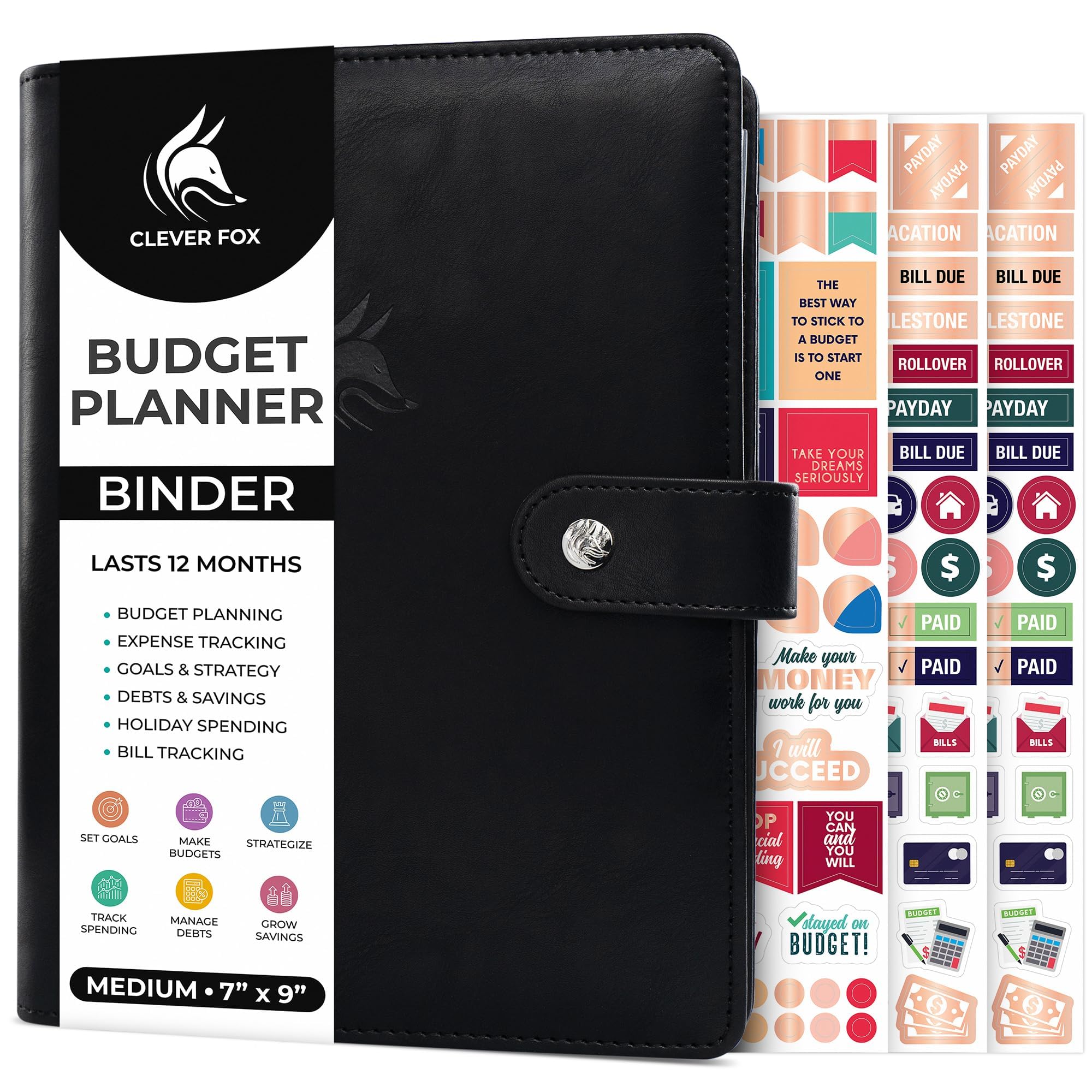
Clever Fox Budget Planner & Monthly Bill Organizer With ...
View on AmazonHelpful, not pushy CTA: Want to see where you stand today? Compare prequalification offers from 3–5 card issuers. The fastest way to see what you would actually pay (and the deposit you’ll be asked for) is to compare multiple quotes side by side.
Note: If your situation is complex—recent bankruptcy, collection accounts, or you’re unsure which step comes first—consider speaking with a nonprofit, NFCC-certified credit counselor. A short session can help you prioritize actions that move your score in the right direction.
When you do graduate to unsecured, you can expand to beginner-friendly rewards or category cards. These guides can help you pick your next step: Best Cash Back Credit Cards 2026: Top Picks and How to Choose and Best Rewards Credit Cards of 2026.
The bottom line: The best secured credit cards keep costs low, report faithfully to all three bureaus, and give you a realistic path to an unsecured card. Pick the one that fits your budget today—and helps your credit tomorrow.
Recommended Resources
Your Score: An Insider's Secrets to Understanding, Controlling, and Protecting Your Credit Score eBook : Davenport, Anthony: Kindle Store
Davenport reveals where your credit ... Your Score is <strong>an accessible manual designed to help you take control of your credit score and better navigate all the important financial decisions in y
Clever Fox Budget Planner & Monthly Bill Organizer With ...
Clever Fox Budget Planner - Expense Tracker Notebook. Monthly Budgeting Organizer, Finance Logbook & Accounts Book, Bill Tracker, A5 (Dark Green) · Clever Fox Budget Planner & Monthly Bill Org
Antner Budget Binder with Zipper Cash Envelopes & Expense Tracker Sheets for Budgeting, Money Saving Binder, A6 Budget Book with Cash Envelopes for Money Organizer, Pink
Package include: 1pc A6 6-ring ... binder is 7.48 x 5.2in, can be put in handbags, backpacks, suitcases or desk; <strong>a6 zipper binder envelopes are 6.9 x 4.1in, expense budget sheets are 6.7 x 3.4
Related Articles
- Best Student Credit Cards 2026: Top Picks for Building Credit and Earning Rewards
- Best Credit Cards for Bad Credit: How to Compare the Top Options
- Best Credit Cards for Beginners: How to Choose the Right Starter Card
- Best Business Credit Cards: How to Compare Rewards, Fees, and Features
- Best Cash Back Credit Cards 2026: Top Picks and How to Choose
- Best Balance Transfer Credit Cards: How to Compare the Top Offers
- Best Credit Cards for Travel in 2026: Rewards, Perks & Travel Protections
- Best Credit Cards for Gas: Top Picks for Saving at the Pump