
Best Student Credit Cards 2026: Top Picks for Building Credit and Earning Rewards
You’re ready for your first credit card, but the choices are overwhelming and the fees look…mysterious. If you’re searching for the best student credit cards 2026, here’s what actually matters: getting approved without drama, earning simple rewards, avoiding junk fees, and building real credit history the smart way.
Below, we compare the top student card types, explain key differences (APR, foreign fees, secured vs. unsecured), and help you match a card to your situation—whether you have no credit, travel abroad, or just want painless cash back. Rates and offers change, and approval always depends on your profile, but the framework here will help you pick confidently.
Best student credit cards 2026: how the top options compare
Student cards generally fall into a few buckets. Rather than chase marketing names, compare by what actually affects your wallet and credit score.
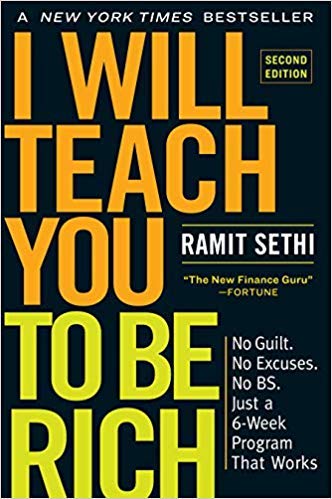
I Will Teach You to Be Rich: No Guilt. No Excuses. Just a 6-Week Program That Works (Second Edition)
<strong>The groundbreaking New York Times bestseller that taught a generation how to earn more, save more, and live a rich life</strong>—now in a revised 2nd edition. Personal finance expert Ramit Set
Check Price on AmazonApproval ease
- Unsecured student cards: Typically made for thin/no credit files; many let you prequalify with a soft inquiry (a credit check that doesn’t impact your score) before you apply. Approval usually requires proof of enrollment and income (or other ability-to-pay) per federal rules.
- Secured student cards: Easier to get because you put down a security deposit (usually $200–$500) that becomes your credit limit. The deposit is refundable when you close or upgrade in good standing.
- “Alternative data” student cards: A few issuers consider bank cash flow or school records alongside traditional credit; still not guaranteed.
What to expect: If you’re 18–22 with limited income and no credit, secured cards typically have the highest approval odds. If you have part-time income or prior payment history (like being an authorized user), many unsecured student cards can work.
Rewards structure
- Flat-rate cash back: Same cash back (for example, 1–1.5%) on every purchase. Simple and solid for busy students.
- Tiered/bonus categories: Higher rewards (often 3–5%) in select categories like dining, groceries, transit, or online shopping, and a lower base rate elsewhere. Great if your spending lines up.
- Travel-oriented: Points or miles with no foreign transaction fees (a surcharge on purchases in another currency; typically 3% on some cards). Best if you study abroad.
Typical student-card rewards are intentionally straightforward. Don’t chase complex transfer partners or luxury perks until your spending and travel justify it after graduation.
Fees and costs
- Annual fee: Most student cards have $0 annual fee; that’s what you want starting out.
- APR: The annual percentage rate is the interest you’ll pay if you carry a balance. Student-card APRs are often toward the higher end, and there may or may not be a 0% intro APR period on purchases. Paying in full each month avoids interest entirely.
- Foreign transaction fees: 0% is ideal if you’ll travel; 3% is common otherwise.
- Penalty APR/late fee: A higher “penalty APR” can kick in after a late payment. Late fees add up fast. Set up autopay to avoid both.
Credit-building features
- Reports to all three bureaus: You want the issuer to report your on-time payments to Equifax, Experian, and TransUnion so your good habits count everywhere.
- Auto credit line review: Many student cards reassess after 6–12 months of on-time payments and may raise your limit, which can help your utilization (the share of credit you use; keeping it under 30% is a common target).
- Upgrade path: Look for a clear route to a non-student card with better rewards as your profile matures—ideally without a new hard inquiry (a credit check that can temporarily lower your score).
Student-friendly perks
- Cell phone protection, travel protections, or purchase security: Not standard on every student card, but useful when included.
- Tools that matter: Budgeting alerts, spend categories, FICO or VantageScore access (your credit score models), and the ability to lock your card in-app.
- First late-fee forgiveness: Some cards waive the first late fee—nice, but don’t rely on it.
What makes a strong student credit card
Here’s the checklist I’d use for my own college kid.
- $0 annual fee: You don’t need to “pay to learn” credit.
- Prequalification: See your odds with a soft inquiry before you apply; apply only when your approval odds look good.
- Clear mobile app tools: Real-time notifications, autopay setup, due-date reminders, and category breakdowns help you stay on track.
- Reports to all three bureaus: Non-negotiable if your goal is building credit.
- No foreign transaction fees if you’ll travel: Especially if you have a study-abroad term.
- Reasonable path to higher limits: A review at 6–12 months supports healthy growth and lower utilization.
- Upgrade path after graduation: So you can keep your account age (a factor in scores) and move to stronger rewards.
Pro tip: A card with a modest base reward rate but excellent app tools and a guaranteed limit review in 6 months often beats a flashier student card with clunky servicing.
Key differences to compare (so you don’t overpay)
Cash back categories vs. flat-rate
- If your spending is mostly dining and transit, a 3%–5% category card can beat a 1.5% flat-rate card—if you actually track categories.
- If you value simplicity or your spending is all over the place, flat-rate cash back is stress-free and consistent.
Interest rate and grace period
- APR: Student APRs are typically higher than mainstream cards. If you pay in full by the due date, you benefit from a grace period (time during which new purchases don’t accrue interest). Carrying a balance erases that benefit.
- Intro APR: Some student cards offer a short 0% intro APR on purchases. Treat this as breathing room, not permission to overspend. Paying it off before the intro ends is key.
Foreign transaction fees
- If you’ll spend abroad, look specifically for 0% foreign transaction fees to avoid a typical 3% surcharge on every purchase while overseas.
Secured vs. unsecured student cards
- Secured: Requires a refundable deposit that sets your limit. Easiest approval, straightforward path to build history. Great if you have no credit or limited income.
- Unsecured: No deposit. May offer a higher limit and better rewards, but approval depends more on income and credit. Good if you can show ability to pay and have some history (even as an authorized user).
Hidden gotchas
- Cash advances: Extra fees and interest with no grace period—avoid.
- Deferred interest promos: Less common on student cards, but if you see “no interest if paid in full,” know that interest can be charged retroactively if you miss by even $1.
- Penalty APR: A single late payment can trigger a higher ongoing APR—another reason to enable autopay.
Who each type is best for
- No credit or very thin file: A secured student card with a $200–$300 deposit is typically the fastest path to consistent approvals and score-building.
- Students who travel or study abroad: A student travel card with 0% foreign transaction fees and at least 1–1.5% back on general purchases.
- Simple rewards, no fuss: A $0-annual-fee flat-rate cash-back student card. Set it, forget it, earn.
- Foodies and commuters: A tiered-rewards student card that boosts dining, groceries, or transit categories you actually use.
- Rebuilding after a misstep: A secured card that reports to all three bureaus and offers a clear upgrade path after 6–12 months of on-time payments.
If you’re unsure which direction to take for your first card, our guide to getting started can help you narrow options: Best Credit Cards for Beginners: How to Choose the Right Starter Card.
Real-world examples (so you can sanity-check your choice)
You’re 19 with no credit, $400/month from a campus job. Goal: build credit, keep it simple. Likely fit: Secured student card with a $200 deposit and 1%–1.5% back on everything. Use it for groceries and transit, pay in full. Expect a limit review at 6–12 months.
You’re 21 with limited credit (authorized user on a parent’s card), $800/month income. Goal: simple cash back. Likely fit: Unsecured student card with 1.5% back and $0 annual fee. Prequalify first to gauge odds.
You’re 22, studying abroad next term. Goal: avoid foreign fees. Likely fit: Student travel card with 0% foreign transaction fees and a chip-and-PIN-capable option. Even 1%–1.5% back beats paying a 3% surcharge overseas.
You’re 23 with a 640–670 score from a small personal loan. Goal: category rewards for dining and rideshares. Likely fit: Tiered-rewards student card offering 3%–5% in dining/transit, with smart alerts to avoid overspending.
You’re 24 finishing grad school, strong income, thin credit history. Goal: start with student card, then upgrade quickly. Likely fit: Unsecured student card from an issuer known for auto-upgrades after 6–12 months of on-time payments and low utilization.
How to choose and use a student credit card responsibly in 2026
- Prequalify with 3–5 issuers
- Most student cards let you prequalify with a soft inquiry. This shows likely approval and possible terms without a score hit. Compare rewards, fees, and foreign fees side-by-side.

Clever Fox Budget Planner - Expense Tracker Notebook. ...
View on Amazon- Match rewards to your real spending
- If 70% of your non-rent spending is food and transit, category cards can shine. If it’s random, flat-rate wins. Don’t contort your life for 0.5% more.
- Set autopay to “full balance” on day one
- Autopay saves you from late fees and penalty APR. If cash flow is tight, autopay at least the statement minimum, then make extra payments mid-cycle to minimize interest.
- Keep utilization under 30% (under 10% is even better)
- If your limit is $500, try to keep your balance under $150 at statement time. You can pay multiple times a month—early payments count.
- Use alerts and a weekly 5-minute check-in
- Turn on transaction and balance alerts. A quick Sunday review helps catch fraud and keeps spending realistic.
- Treat 0% intro APRs like training wheels, not free money
- Map out the payoff before the intro ends. Set calendar reminders at 60/30/10 days remaining.
- Ask for a limit review after 6–12 on-time payments
- Many issuers will consider it proactively. Higher limits can reduce utilization, which can help your score.
- Stay open to upgrading—don’t rush to cancel
- Account age helps your credit. When you graduate, consider product-changing to a stronger rewards card with the same issuer to keep your history intact. If you’re ready to expand beyond student cards, you might also compare broader options like Best Rewards Credit Cards of 2026 or category cards for everyday spending such as Best Credit Cards for Groceries: Top Picks, Rewards, and How to Choose.
Consumer tip: If you’re not sure whether a secured card is the right move, compare options side-by-side here: Best Secured Credit Cards: How to Compare the Top Options.
Call to action (helpful, not pushy): The fastest way to see what you’d actually get is to prequalify with 3–5 issuers. Most student cards offer soft-pull prequalification and show your likely terms before you apply. Comparing side-by-side helps you avoid unnecessary hard inquiries.
When a secured card beats an unsecured student card
- You’ve been denied already: A secured card avoids a string of hard inquiries and sets you on a sure path with a refundable deposit.
- Your income is highly variable: A lower starting limit tied to your deposit can help you control spending while still reporting on-time payments.
- You want a guaranteed upgrade path: Many secured cards let you graduate to an unsecured card after 6–12 months of on-time payments and then refund your deposit.
If you’re leaning secured, aim for:
- $0 annual fee
- Reporting to all three bureaus
- Automatic reviews and a clear graduation policy
Common questions students ask
Do I need income to get approved? Yes. Issuers must assess your ability to pay. Scholarships don’t usually count as income; employment or regular deposits may. If you’re 18–20, some issuers may be stricter.
Can international students get a card without an SSN? Some issuers allow alternatives like ITINs (individual taxpayer identification numbers) or use alternative data. Check the application requirements.
Will one late payment ruin my score? A single 30-day-late can hurt and may trigger a penalty APR. Use autopay and due-date reminders to stay safe.
How fast will my score improve? Many students see early changes within 3–6 months of on-time payments and low utilization, but every profile is different.
Should I close my student card after graduating? Usually no. Consider a product change to keep the account age, unless fees or poor service make closing reasonable.
Who should consider travel-focused student cards
If you might study abroad or spend in foreign currency, prioritizing 0% foreign transaction fees can save you ~3% per purchase overseas. A simple travel-earning structure (like 1–1.5% back on everything) is plenty for students—flexibility beats niche perks. If travel rewards become a bigger goal post‑graduation, you can explore broader picks here: Best Credit Cards for Travel in 2026: Rewards, Perks & Travel Protections.

Pacsafe Rfidsafe V150 Anti-theft Blocking Compact Passport Wallet, Black : Clothing, Shoes & Jewelry
View on AmazonHow this guide helps you pick the best student credit cards 2026
Cards change every year, but the decision framework stays steady: approval odds, total cost (including foreign fees), fit with your spending, and clear credit-building features. Match those to your goals and you’ll avoid the usual pitfalls—high interest, junk fees, and missed upgrades.
A quick note on personalized advice: For one‑on‑one guidance about your budget and credit plan, consider speaking with a nonprofit credit counselor or a licensed financial advisor. Issuers’ reps can also explain product‑specific terms before you apply.
Second call to action: Ready to narrow it down? Prequalify with several issuers today to compare real offers side-by-side. Spend 10 minutes now so you don’t spend months paying for the wrong card later.
Key takeaways you can act on this week:
- Prequalify with 3–5 student cards
- Pick $0 annual fee and reporting to all three bureaus
- Turn on autopay and alerts immediately
- Keep utilization under 30% and ask for a limit review after 6–12 months
Build steady habits now and you’ll graduate with something more valuable than points: a strong credit profile that makes your next card, apartment, or auto loan easier and cheaper.
Recommended Resources
I Will Teach You to Be Rich: No Guilt. No Excuses. Just a 6-Week Program That Works (Second Edition)
<strong>The groundbreaking New York Times bestseller that taught a generation how to earn more, save more, and live a rich life</strong>—now in a revised 2nd edition. Personal finance expert Ramit Set
Pacsafe Rfidsafe V150 Anti-theft Blocking Compact Passport Wallet, Black : Clothing, Shoes & Jewelry
Pacsafe's RFIDsafe blocking material <strong>helps block out virtually all transmissions between 10 MHz to 3 GHz</strong>, which covers the radio frequency used in most e-passports, credit cards,
Clever Fox Budget Planner - Expense Tracker Notebook. ...
<strong>Manage finances with a comprehensive budget planner</strong>. Track expenses, organize bills, set savings goals, and review progress - all in one structured book.
Related Articles
- Best Credit Cards for Beginners: How to Choose the Right Starter Card
- Best Secured Credit Cards: How to Compare the Top Options
- How to Choose Your First Credit Card
- Best Cash Back Credit Cards 2026: Top Picks and How to Choose
- Best Credit Cards for Travel in 2026: Rewards, Perks & Travel Protections
- Best Credit Cards for Bad Credit: How to Compare the Top Options
- Best Rewards Credit Cards of 2026
- Best Business Credit Cards: How to Compare Rewards, Fees, and Features