
Best Credit Cards for Beginners: How to Choose the Right Starter Card
You’re ready for your first card, but the options feel overwhelming. You want the best credit cards for beginners—something easy to manage, fair on fees, and actually helpful for building credit. Here’s what truly matters, how to compare real offers, and which starter cards fit different goals.
What Makes a Credit Card Beginner-Friendly
A beginner-friendly card keeps costs low, approval odds reasonable, and tools simple. Look for:
- Low or no annual fee (the yearly cost to keep the card open)
- Simple rewards that don’t require juggling categories
- Fair approval requirements for thin credit files (little or no credit history)
- Reports to all three credit bureaus—Experian, Equifax, and TransUnion (so your on-time payments help build credit everywhere)
- A clear grace period (the time—typically around 21–25 days—before interest accrues on new purchases if you pay your statement balance in full)
- $0 fraud liability (you’re not responsible for unauthorized charges)
- Autopay and alerts to help you avoid missed payments
- A path to grow: credit limit increase reviews and, for secured cards, clear “graduation” to an unsecured card when you qualify
- Transparent terms: no hidden monthly maintenance fees, setup fees, or confusing penalty charges
Insider tip: When you’re learning, simplicity saves money. Flashy perks you’ll forget to use are less valuable than a steady, low-cost card that helps you build credit safely.
The Main Types of Beginner Credit Cards
Different starter cards fit different starting points. Here’s how to think about each category.
Student credit cards
Best for: College students or recent grads with limited income and little credit history.
- Typical approval: More forgiving of thin files; proof of school enrollment or student status may be required.
- Fees: Usually no annual fee.
- Rewards: Often simple cash back on everyday spending.
- Extras: Some offer tools like free credit score monitoring and automatic credit limit reviews.
- Watch for: Modest starting credit limits and higher purchase APRs (the interest rate on balances you carry from month to month). APRs for starter cards are commonly in the upper teens to high 20% range, and they vary by issuer and your credit.
Secured credit cards
Best for: Building or rebuilding credit when approval for an unsecured card (no deposit required) is tough.
- How it works: You place a refundable security deposit—often $200–$500—to open your line of credit. A $300 deposit typically equals a $300 credit limit.
- Approval: Often easier because the deposit reduces risk for the issuer.
- Graduation: Look for cards that review your account after 6–12 months and may refund your deposit while upgrading you to an unsecured card if you’ve paid on time.
- Watch for: High fees (setup, monthly, or annual). Avoid cards that nickel-and-dime you; a clean-fee secured card is usually best.
Cash-back starter cards
Best for: New cardholders with fair credit or thin files who also want simple rewards.
- Rewards: Flat-rate cash back (for example, 1.5% on everything) or basic bonus categories (like groceries and gas).
- Fees: Often no annual fee.
- Approval: Typically requires at least fair credit; exact requirements vary by issuer.
- Watch for: Complicated rotating categories or caps if you don’t want to track calendars. Simpler is better when you’re new.
Cards for thin or no credit history (alternative underwriting)
Best for: Immigrants, international students, or newcomers without a U.S. credit file.
- How it works: Some issuers consider income, bank account history, or employment rather than a traditional credit score.
- Reporting: Confirm the card reports to all three bureaus so your payments build a U.S. credit history.
- Watch for: Foreign transaction fees (a fee—often 3%—for purchases in non-U.S. currency) if you’ll travel or shop internationally.
How to Choose and Compare the Best Credit Cards for Beginners
Here are the criteria that matter most, and how to weigh them.
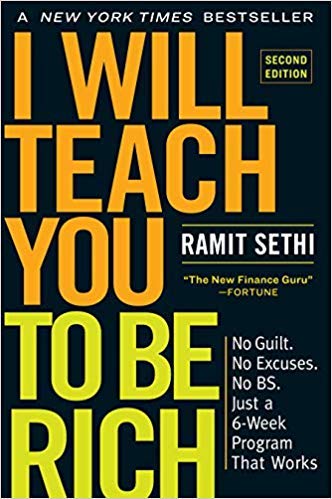
I Will Teach You to Be Rich: No Guilt. No Excuses. Just a 6-Week Program That Works (Second Edition)
<strong>The groundbreaking New York Times bestseller that taught a generation how to earn more, save more, and live a rich life</strong>—now in a revised 2nd edition. Personal finance expert Ramit Set
Check Price on Amazon1) Credit score and approval pathway
- If you have no credit: Consider secured cards, student cards, or alternative-underwriting cards.
- If you have fair credit (often FICO in the mid-600s, but ranges vary): Many no-annual-fee cash-back starters are within reach.
- Use prequalification (a “soft pull,” which doesn’t affect your credit score) to check likely approval and estimated terms before you apply. A formal application is a “hard inquiry,” which can temporarily lower your score a bit.
Relevant read: Understanding how your score is calculated helps you move faster. See Understanding Your Credit Score: What It Is and How to Improve It (/credit-cards/understanding-credit-score).
2) Deposit needs (secured vs. unsecured)
- Secured cards require a refundable deposit to set your credit limit. They’re powerful training wheels: pay on time, keep balances low, and you can typically graduate.
- If you have the cash for a deposit and need easier approval, secured can be the fastest route to a positive credit history.
3) APR and interest policies
- Purchase APR: The interest rate charged on balances you carry. For starter cards, it’s commonly variable and can be high (think upper teens to high 20%s). Rates vary widely by issuer and your credit.
- Intro APR: A temporary lower rate (sometimes 0% for a period). Helpful if you must finance a planned purchase, but you should aim to pay in full before the promo ends.
- Penalty APR: A higher rate that may kick in after late payments. Avoid by setting autopay.
- Grace period: If you pay your statement balance in full each month, you typically avoid interest on new purchases thanks to the grace period.
4) Fees
- Annual fee: Prefer $0 for a first card unless the value clearly outweighs the cost.
- Foreign transaction fee: Look for 0% if you travel or shop abroad.
- Late fee: Many cards charge a fee if you miss a due date; autopay helps prevent this.
- Sneaky fees: Some subprime cards add monthly maintenance or program fees—usually a red flag for beginners.
5) Rewards and redemption simplicity
- Flat-rate cash back is easiest to manage.
- If categories are involved, pick ones you already spend on (groceries, gas, transit) and make sure the caps aren’t too restrictive.
- Redemption options: Statement credit is straightforward; some cards allow bank deposits or gift cards.
If rewards are your main goal once you have some credit history, see Best Cash Back Credit Cards 2026: Top Picks and How to Choose (/credit-cards/best-cash-back-credit-cards-2026) and Best Rewards Credit Cards of 2026 (/credit-cards/best-rewards-credit-cards-2026).
6) Reporting and upgrade path
- Must report to all three bureaus for consistent credit building.
- For secured cards, prioritize issuers that review your account for graduation and deposit return.
7) Account management tools
- Free credit score updates, budgeting insights, spending alerts.
- Autopay settings: At least set it to pay the statement minimum; aim to pay in full every month.
Helpful deep dive if you’re brand new: How to Choose Your First Credit Card (/credit-cards/how-to-choose-your-first-credit-card).
Ready to see real options? A quick way to find the best fit is to prequalify and compare offers from 3–5 issuers side by side. Prequalification typically uses a soft check (no score impact) and shows estimated APRs, credit limits, and approval odds.
Common Beginner Mistakes to Avoid
- Carrying a balance “just to build credit.” That’s a myth. You can build excellent credit by paying in full every month and keeping utilization low.
- High utilization: Your credit utilization ratio is your balance divided by your credit limit. Aim to stay under 30% at all times—under 10% is even better. Example: With a $500 limit, keep balances under $150—and ideally under $50.
- Missing payments: Payment history is the biggest factor in most scores. Even one late payment can hurt and may trigger a penalty APR. Set autopay and calendar reminders.
- Applying for too many cards at once: Each hard inquiry can ding your score a bit, and too many new accounts can spook issuers.
- Ignoring fees and terms: Watch for annual fees, foreign transaction fees, or “program”/maintenance fees. If a card seems loaded with charges before you even use it, skip it.
- Confusing 0% intro APR with deferred interest: True 0% intro APR means no interest accrues during the promo. Deferred interest (more common in store financing) can charge all the back interest if you leave even $1 unpaid when the promo ends.
- Closing your oldest card too soon: Age of accounts matters for your score. If it’s a no-annual-fee keeper, consider leaving it open.
Match Your Starter Card to Your Goal
Different goals call for different first cards. A few common scenarios:
Goal: Build credit fast from scratch
- Consider a no-fee secured card with a deposit you can afford—$300–$1,000. A higher limit makes it easier to keep utilization low.
- Confirm reporting to all three bureaus and an upgrade review after 6–12 months of on-time payments.
- Use the card for one or two small recurring bills and pay in full monthly to create a clean track record.
Real-world example: You put your $25 phone plan and a $15 music subscription on the card each month, keep utilization under 10%, and pay in full. After 8 months of perfect payments, your issuer reviews your account—some cardholders may graduate and receive their deposit back, depending on issuer policies and your profile.
Goal: Earn simple rewards without hassles
- Look for a no-annual-fee, flat-rate cash-back card (for instance, 1.5% on all purchases). The math is easy, and you’re less likely to miss out on value.
- If you spend heavily in one area (say, groceries), a basic category card might beat flat-rate—just confirm the cap is realistic for your budget.
Example: You spend $400/month on groceries and $200/month on other purchases. A 3% grocery category with a $1,500 quarterly cap could beat a flat 1.5% card—so long as you actually shop within that category and pay in full.
Goal: Qualify with thin or no U.S. credit history
- Consider cards that use alternative data (income, bank cash flow) and don’t require a Social Security number for initial consideration if you’re an international student.
- Prioritize no foreign transaction fees if you’ll travel or shop in multiple currencies.
Goal: Avoid interest while you learn
- A true 0% intro APR on purchases for a set period can help with a necessary expense, but commit to a payoff plan before the promo ends.
- Set calendar reminders for the month before the promo expires and accelerate payments to avoid post-promo interest.
If you already have a balance on a high-APR card, you might explore balance transfer options that offer a 0% intro period and a one-time transfer fee; just make sure you understand the terms and payoff timeline. For a comparison mindset, see Best Balance Transfer Credit Cards: How to Compare the Top Offers (/credit-cards/best-balance-transfer-credit-cards-compare-top-offers).
Goal: Rebuild after past mistakes
- A clean-fee secured card from a reputable issuer or credit union is usually safer than a high-fee subprime unsecured card.
- Avoid cards with monthly maintenance fees, setup fees, and sky-high penalty structures. They’re often more expensive than they appear.
What to Look For (Your Quick Checklist)
- $0 annual fee, no hidden monthly fees
- Reports to Experian, Equifax, and TransUnion
- Reasonable path to higher limits or graduation (for secured)
- Simple rewards you’ll actually use (flat cash back is great)
- 0% foreign transaction fees if you travel
- Autopay, alerts, and free credit score tracking
- Clear terms: purchase APR, any intro APR, and penalty APR
- Prequalification available before you apply
What First-Year Costs and Rewards Might Look Like
These examples are estimates—actual terms vary by issuer, your credit, income, and state.
Student card, no annual fee, flat 1.5% back:
- Spend: $500/month ($6,000/year) and pay in full
- Rewards: ~$90 back for the year
- Interest: $0 if you pay in full thanks to the grace period
Secured card with $300 deposit, no annual fee:
- Spend: $200/month ($2,400/year) and pay in full
- Rewards: Some secured cards offer 1%–2% back; if 1.5%, that’s ~$36
- Cost: $0 net if no annual fee; your deposit is refundable when you close or graduate (assuming account in good standing)
Cash-back starter with 0% intro APR for 12 months, then variable APR:
- Planned purchase: $600 laptop; you repay $50/month
- If it’s a true 0% intro APR, interest during promo is $0; after promo, any remaining balance accrues interest at the variable APR. Plan to finish before month 12–13.
Reminder: Paying your statement balance in full each month is typically the best way to avoid interest entirely.
How to Apply Safely (and Boost Approval Odds)
- Use prequalification. Many issuers show likely approval and estimated terms via a soft pull.
- Gather documents: income (paystub, offer letter, or financial aid details), housing cost, and identity information.
- Start with one card. Opening multiple accounts at once can backfire for beginners.
- Consider authorized user status: Being added to a trusted family member’s long-standing, well-managed card can help build history. Confirm that issuer reports authorized user data to the bureaus and only do this with someone who never misses payments and keeps low balances.
- Set autopay to at least the statement minimum on day one; calendar a reminder to pay in full.
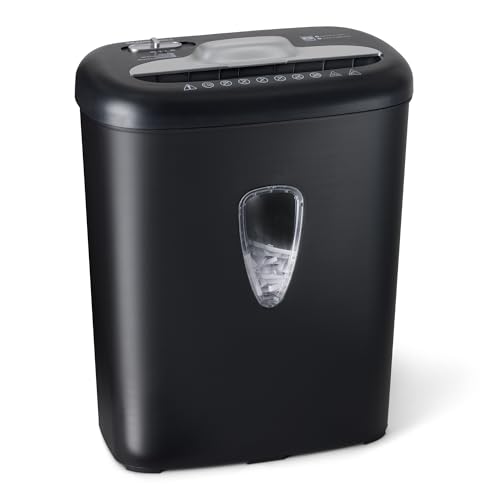
Amazon Basics 8 Sheet Cross Cut Paper and Credit Card ...
View on AmazonTools That Help You Build Credit Responsibly
- Autopay and payment due alerts
- Free score tracking and credit education from your issuer
- Mid-cycle payments to keep utilization low before the statement cuts
- Spending limits or budget categories in your card app
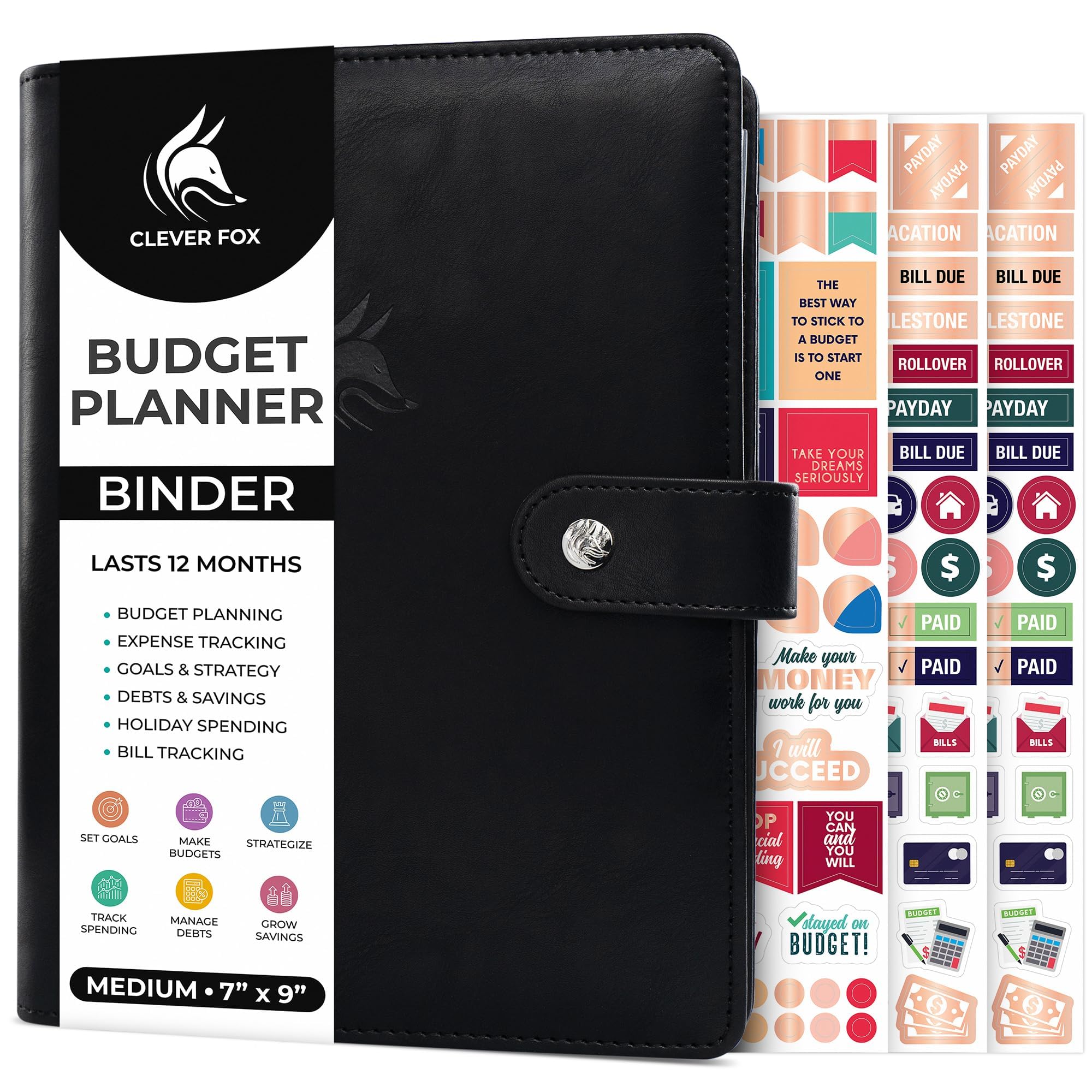
Clever Fox Budget Planner & Monthly Bill Organizer With ...
View on AmazonIf you want a step-by-step walkthrough of card selection and setup, see How to Choose Your First Credit Card (/credit-cards/how-to-choose-your-first-credit-card).
Want a personalized short list? The fastest way to see what you might actually get is to prequalify and compare offers from 3–5 issuers. Seeing side-by-side estimated APRs, limits, and approval odds can help you pick with confidence—without a score hit from multiple applications.
A quick note: This guide is educational and not financial advice. For personalized guidance, consider speaking with a nonprofit credit counselor or a fiduciary financial advisor. Terms and approval depend on your individual profile, and offers vary by issuer and state.
Ready for your next step? Prequalify with a few top issuers, compare the details against the checklist above, and choose the simplest card you can manage well. Pay on time, keep balances low, and you’ll typically be on your way to stronger credit within months.
Recommended Resources
I Will Teach You to Be Rich: No Guilt. No Excuses. Just a 6-Week Program That Works (Second Edition)
<strong>The groundbreaking New York Times bestseller that taught a generation how to earn more, save more, and live a rich life</strong>—now in a revised 2nd edition. Personal finance expert Ramit Set
Clever Fox Budget Planner & Monthly Bill Organizer With ...
Clever Fox Budget Planner - Expense Tracker Notebook. Monthly Budgeting Organizer, Finance Logbook & Accounts Book, Bill Tracker, A5 (Dark Green) · Clever Fox Budget Planner & Monthly Bill Org
Amazon Basics 8 Sheet Cross Cut Paper and Credit Card ...
Micro Cut · Strip Cut · Height · Up to 9.9 in · 10.0 to 15.9 in · 16.0 to 21.9 in · 22.0 in & above · Width · Up to 8.9 in · 9.0 to 10.9 in · 11.0 to 12.9 in · 13.0 to 14.9 in · 15.0 in & abov
Related Articles
- Best Student Credit Cards 2026: Top Picks for Building Credit and Earning Rewards
- How to Choose Your First Credit Card
- Best Credit Cards for Bad Credit: How to Compare the Top Options
- Best Secured Credit Cards: How to Compare the Top Options
- Best Cash Back Credit Cards 2026: Top Picks and How to Choose
- Best Balance Transfer Credit Cards: How to Compare the Top Offers
- Best Business Credit Cards: How to Compare Rewards, Fees, and Features
- Best Credit Cards for Travel in 2026: Rewards, Perks & Travel Protections