
Why Insurance Matters for Everyone: Protect Your Health, Income, and Assets
You’re not imagining it — life comes with curveballs. If you’re asking about the importance of insurance, here’s the short answer: insurance is the financial shock absorber most people rely on when the unexpected happens. Whether you’re 22 and renting your first apartment or 62 and nearing retirement, insurance helps protect your health, income, and assets when a bill or lawsuit could otherwise upend your plans.
Below, we’ll cover what risks almost everyone faces, which types of insurance typically make sense, how coverage actually protects your money, smart ways to afford it, and practical next steps — including when to get personalized quotes.
The Importance of Insurance for Everyone
Risk doesn’t care about your age or income. Here are common “everyday” exposures most of us share:
- A sudden illness or accident leads to a $12,000 emergency room bill. Health insurance spreads that cost across many people so one event doesn’t sink you.
- A fender bender you caused results in $8,000 in repairs to another car. Auto insurance liability (coverage that pays others when you’re at fault) covers those costs up to your limit.
- Your laptop, bike, and furniture are stolen from your apartment. Renters insurance replaces personal property (your stuff), usually with a small deductible (the amount you pay out of pocket before insurance kicks in).
- Someone trips on your steps and sues for medical costs. Home, renters, and umbrella policies include personal liability coverage (protection if you’re legally responsible for injury or damage to others).
- A back injury keeps you from working for months. Disability insurance replaces a portion of your income so a temporary setback doesn’t become a long-term financial crisis.
- If you die unexpectedly, your family loses your income. Life insurance creates an immediate financial cushion to cover living expenses, debts, and future goals.
Insurance works through risk pooling — many people pay premiums (the monthly or annual amount you pay to keep coverage active) so that the few who face a loss get paid. It’s not about expecting the worst. It’s about acknowledging that one big bill can be devastating and choosing to cap your downside.
The Core Types of Insurance and When Each Matters
Think of insurance in layers: protect your health and income first, then guard your assets and potential liability. Here’s a practical map.
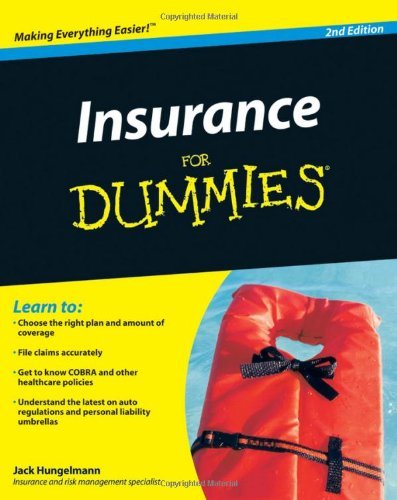
Insurance For Dummies?: Hungelmann, Jack
Whether you’re a homeowner or ... need on: ... Author Jack Hungelmann <strong>uses his twenty-five years of experience in the insurance industry to make buying insurance as simple as possible</strong>
Check Price on AmazonHealth Insurance
Why it matters: Medical care in the U.S. is expensive. A routine hospitalization can run tens of thousands of dollars. Health insurance helps pay for doctor visits, prescriptions, hospital stays, and preventive care, and it sets an out-of-pocket maximum (the most you’ll pay in a year for covered care before the plan covers 100%).
Who needs it: In most cases, everyone. Even if you’re young and healthy, a broken wrist or appendectomy can be financially crushing without coverage.
Key terms to watch:
- Deductible: What you pay out of pocket before the plan starts paying.
- Copay/coinsurance: Your share for services after the deductible (a flat amount or percentage).
- Network: The doctors and hospitals your plan has contracted rates with.
- Out-of-pocket maximum: The annual cap on your costs for covered care.
Helpful deep dives:
- Learn more about why health coverage is foundational: Why Health Insurance Matters: Protecting Your Health, Your Care, and Your Finances
Auto Insurance
Why it matters: In most states, liability auto insurance is legally required. It pays for injuries and damages you cause to others. Optional coverages like collision (repairs your car after a crash) and comprehensive (non-crash damage like theft, hail, or a cracked windshield) protect your vehicle.
Who needs it: Anyone who drives. Even if your car is older and you skip collision/comprehensive, you still need adequate liability limits. State minimums are often far too low to cover a serious accident.
What to look for: Bodily injury and property damage limits (the maximum your insurer will pay on your behalf). Many drivers choose at least 100/300/100 (meaning $100,000 per person, $300,000 per accident for injuries, and $100,000 for property damage), depending on assets and risk tolerance.
Get help choosing the right limits: How Much Car Insurance Do I Need? A Practical Guide to Choosing Coverage
Homeowners or Renters Insurance
Why it matters: These policies protect your stuff and your liability.
- Homeowners insurance covers the structure (your house), your personal property, additional living expenses if you can’t live at home during repairs, and personal liability. Replacement cost coverage (pays to replace with new items of like kind/quality) is typically preferable to actual cash value (pays depreciated value).
- Renters insurance covers your belongings and personal liability, usually for just $10–$25 per month in many areas (rates vary by state and coverage amount).
Who needs it: Homeowners generally must carry it if there’s a mortgage, and renters should carry it to protect their belongings and liability.
Useful resource for homeowners: Must‑Ask Questions About Home Insurance: What Every Homeowner Should Ask
Life Insurance
Why it matters: Life insurance creates immediate funds for your beneficiaries to cover living expenses, debts, final costs, and future goals (like college) if you die. Term life (coverage for a set number of years, like 20 or 30) typically provides the largest benefit for the lowest cost. Permanent life (like whole life) lasts for life and includes a cash value component (savings-like feature), but costs much more.
Who needs it: Anyone with people who rely on their income or unpaid labor (think a stay-at-home parent). Many single people also buy life insurance to lock in low rates while healthy, cover shared debts, or fund future needs.
Want a straightforward primer: Why Life Insurance Matters: How to Protect Your Family and Finances
Disability Insurance
Why it matters: Your ability to earn income is your biggest asset. Disability insurance replaces part of your paycheck if injury or illness prevents you from working. Short-term disability covers weeks to months; long-term can cover years or to retirement age.
Key term: Elimination period — the waiting time after disability begins before benefits start.
Who needs it: Most working adults, especially if you don’t have substantial savings. Check if your employer offers coverage; consider individual policies to fill gaps.
Umbrella (Personal Liability) Insurance
Why it matters: An umbrella policy adds $1–$5 million of extra liability coverage on top of your auto and home/renters limits. It’s designed for “low probability, high impact” events — like causing a severe auto accident or a guest’s serious injury at your home.
Who needs it: Anyone with assets or future earnings to protect. Umbrella policies are often surprisingly affordable (typically a few hundred dollars per year; rates vary by state, carrier, and driving record).
How Insurance Protects Your Money in Real Life
Insurance isn’t just a bill — it’s a set of financial guardrails.
- Income replacement: Life and disability insurance create cash flow when you can’t. Example: If you bring home $60,000 per year and a long-term illness keeps you out for 12 months, a policy that replaces 60% of income can keep the mortgage paid and groceries covered.
- Catastrophic expense coverage: Health insurance caps your out-of-pocket costs for covered care; homeowners can rebuild after a fire; auto liability can cover another person’s medical bills and lost wages after a crash.
- Asset preservation: By covering big losses, insurance helps you keep your savings, home equity, and retirement accounts intact.
- Legal and contractual compliance: Auto liability coverage is required in most states; lenders require homeowners insurance; some landlords require renters insurance.
- Reduced bankruptcy risk: Medical bills are a common trigger for financial hardship. Adequate health coverage, along with liability protection, lowers the odds a single event puts you underwater.
- Access and advocacy: Health plans negotiate lower rates with providers, and insurers provide claims support and defense counsel when you’re sued (subject to policy terms).
Affordability and Value: Smart Ways to Balance Cost and Coverage
You want strong protection without overpaying. Here’s how to thread that needle.

Govee WiFi Water Leak Detector 3 Packs, Leak Alert with Remotely Email/APP Push and Sound Alarm, Smart Water Sensor with 100dB Adjustable Alarm, Suit for Home and Basement - Amazon.com
View on Amazon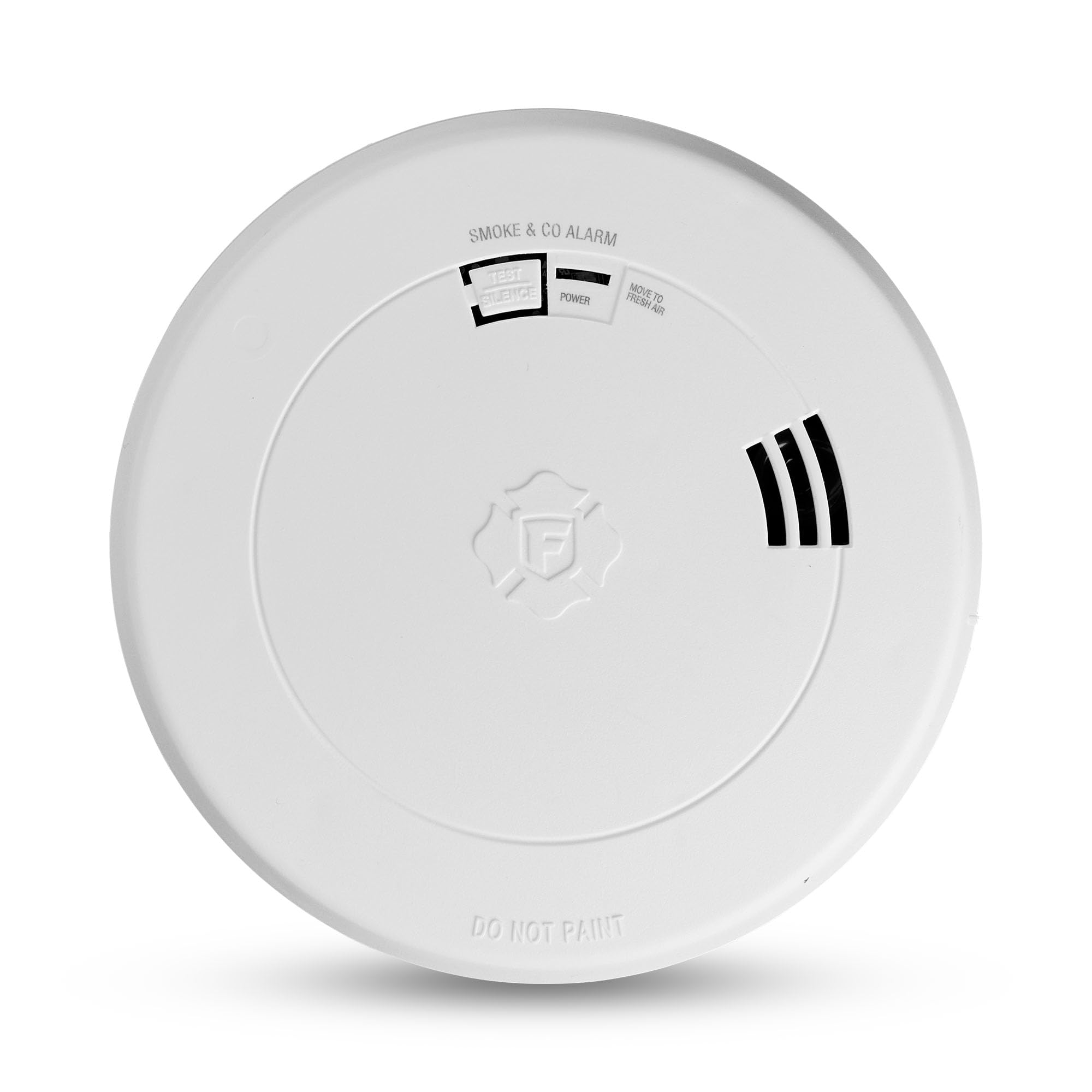
First Alert SMCO210, 10-Year Sealed Battery Combination Smoke & Carbon Monoxide Alarm with Slim Profile Design, 1-Pack : Industrial & Scientific
View on Amazon- Choose the right deductible: A higher deductible (what you pay before insurance steps in) usually lowers your premium. This can be smart for low-frequency claims (like collision on an older car). Make sure you can comfortably cover the deductible in cash.
- Set adequate liability limits: Skimping on liability is risky. If your liability limit is $25,000 and you cause $90,000 in damage, you’re on the hook for the $65,000 difference. Opt for higher limits when possible; umbrella policies can be a cost-effective boost.
- Bundle and save strategically: Insuring home/renters and auto with the same company can often reduce premiums. Ask about safe-driver, good-student, autopay, and claim-free discounts.
- Consider usage-based auto: Telematics programs (apps that track driving behavior like speed and braking) can reduce premiums for careful drivers, depending on your state.
- Maintain good credit (where allowed): In many states, credit-based insurance scores affect premiums. Improving credit can lower costs over time.
- Improve your risk profile: Install smoke detectors, water leak sensors, or a security system at home; keep a clean driving record; quit smoking for life insurance underwriting.
- For health insurance, consider plan structure: High-deductible health plans paired with HSAs (Health Savings Accounts — tax-advantaged accounts you can use for qualified medical expenses) can be a good fit for healthy households who can fund the deductible. If you use regular care or expensive meds, a plan with a lower deductible and lower out-of-pocket maximum may be better value.
- Use networks smartly: Staying in-network usually means lower costs. Ask about generic medications, preventive care (often covered in full), and prior authorizations to avoid surprises.
- Right-size life insurance: Term life typically offers the best value for pure protection. Many healthy 30-somethings can secure significant coverage for a modest monthly premium (actual rates vary by age, health, term length, and insurer). Buy enough to replace income and pay debts for a realistic period — often 10–15 years or more.
When is a coverage gap acceptable vs. risky?
- Potentially acceptable: Skipping collision on a car worth $2,500 you could afford to replace; declining rental car coverage if your auto policy already includes it and you have a credit card benefit (confirm both first). These choices trade known small costs for manageable self-insurance.
- Generally risky: Going uninsured for health; carrying only state-minimum auto liability; having no renters or homeowners coverage; skipping disability protection if you rely on your paycheck. These expose you to high-severity losses you probably can’t comfortably absorb.
CTA — See real numbers for your situation: The fastest way to understand value is to compare quotes from 3–5 carriers side by side. You’ll see how different deductibles and limits change your premium in your state.
What to Look For When Comparing Policies
Apples-to-apples comparisons save you from surprises later. Here’s your checklist.
- Coverage limits: The maximum the policy will pay. Make sure limits match across quotes so you’re comparing price for the same protection.
- Exclusions: What’s not covered. Common examples include flood for homeowners policies (usually requires separate flood insurance) or cosmetic auto repairs.
- Deductibles and copays: Know your share. A $1,000 deductible will yield a lower premium than $250, but you’ll pay more at claim time.
- Waiting periods and elimination periods: For disability or some health benefits, note when coverage actually starts after a qualifying event.
- Replacement cost vs. actual cash value: For personal property and home coverage, replacement cost is usually worth the small added premium.
- Claims service and financial strength: Look at customer reviews for claim handling and the insurer’s financial ratings (e.g., AM Best) — you want a company that can pay when it counts.
- Endorsements and riders: Optional add-ons. Examples: sewer backup for homeowners, scheduled items for jewelry, or rental reimbursement for auto. Riders are policy tweaks that add or modify coverage.
Example — auto quotes: Quote A offers $50/100/50 liability with a $500 collision deductible for $92/month. Quote B offers 100/300/100 with a $1,000 deductible for $98/month. Even though Quote B’s deductible is higher, it dramatically improves liability protection for about the same price — likely the better value for most drivers who can afford the deductible.
Example — health plans: A Bronze plan with a $7,500 deductible and $8,700 out-of-pocket max might be cheaper monthly but costly if you need care. A Silver plan with a $2,500 deductible and $6,500 out-of-pocket max may cost more each month but limit worst-case expenses. If you expect a surgery this year, the Silver plan could easily be the better financial choice.
Practical Next Steps to Get Covered
- Map your risks in 10 minutes
- Health: Do you have coverage? What’s your out-of-pocket maximum?
- Auto: Are your liability limits at least 100/300/100 (or similar strong limits)?
- Home/renters: Do you have replacement cost coverage and enough personal property and liability?
- Life: Who depends on your income or caregiving? How many years would they need support?
- Disability: Could you pay bills if your paycheck stopped for six months?
- Liability: Would an umbrella policy protect your assets and future earnings?
- Prioritize must-haves
- Typically essential for most households: Health, auto (if you drive), homeowners or renters, and enough liability protection.
- Often essential depending on your situation: Life (if someone depends on you) and disability (if you rely on your income).
- Gather apples-to-apples details
- Decide on target limits and deductibles before shopping so quotes are comparable.
- Compare quotes from 3–5 carriers (CTA)
- It’s the fastest way to see what you would actually pay in your zip code, for your driving record, your home, and your health profile. Rates vary by state, insurer, and personal factors, and you’ll often find better value when you shop.
- Talk with a licensed agent or broker
- A pro can help you spot gaps, tailor riders, and coordinate policies across carriers. Note: For personalized advice and final policy recommendations, consult a licensed agent in your state.
- Build a small emergency fund alongside coverage
- Even with insurance, you’ll have deductibles and copays. Aim to keep at least your largest deductible in savings.
- Document and review annually
- Keep an updated home inventory (photos + receipts). Re-check coverage after life events: new job, marriage, move, baby, or major purchase.
Final CTA — Get clarity in minutes: Start a quick quote comparison and review options with a licensed pro. You’ll see how small changes in deductibles and limits affect your premium — and where stronger protection costs less than you think.
Helpful Resources on FindAssurance
- Health: Why Health Insurance Matters: Protecting Your Health, Your Care, and Your Finances
- Auto: How Much Car Insurance Do I Need? A Practical Guide to Choosing Coverage
- Home: Must‑Ask Questions About Home Insurance: What Every Homeowner Should Ask
- Life: Why Life Insurance Matters: How to Protect Your Family and Finances
You don’t have to buy everything at once. Start with the coverages that protect your biggest risks — usually health and liability — then build from there. The right mix gives you peace of mind today and protects the future you’re working toward.
Recommended Resources
Insurance For Dummies?: Hungelmann, Jack
Whether you’re a homeowner or ... need on: ... Author Jack Hungelmann <strong>uses his twenty-five years of experience in the insurance industry to make buying insurance as simple as possible</strong>
First Alert SMCO210, 10-Year Sealed Battery Combination Smoke & Carbon Monoxide Alarm with Slim Profile Design, 1-Pack : Industrial & Scientific
Amazon.com: <strong>First Alert SMCO210</strong>, 10-Year Sealed Battery Combination Smoke & Carbon Monoxide Alarm with Slim Profile Design, 1-Pack : Industrial & Scientific
Govee WiFi Water Leak Detector 3 Packs, Leak Alert with Remotely Email/APP Push and Sound Alarm, Smart Water Sensor with 100dB Adjustable Alarm, Suit for Home and Basement - Amazon.com
Govee WiFi Water Leak Detector 3 Packs, <strong>Leak Alert with Remotely Email/APP Push and Sound Alarm, Smart Water Sensor with 100dB Adjustable Alarm, Suit for Home and Basement</strong> - Amazon.co
Related Articles
- Why Health Insurance Matters: Protecting Your Health, Your Care, and Your Finances
- Why Life Insurance Matters: How to Protect Your Family and Finances
- Life Insurance for Young Adults: Why to Buy Now, What to Choose, and How to Save
- How Business Insurance Protects Your Company: Key Benefits and What They Cover
- When Should I Get Life Insurance? A Clear Guide to Timing
- Why Travel Insurance Matters: Risks, Coverage That Counts, and How to Choose
- Insurance Basics for Beginners: What to Know Before You Buy
- Best Insurance for College Students: Health, Auto, Renters & More