
Best Banks for Savings Accounts in 2026: Top APY, No-Fee & Mobile Picks
You want a safe place for your cash that actually earns something — without annoying fees or hoops. So which are the best banks for savings accounts right now? Here’s what actually matters, which banks typically deliver, and how to pick the right fit for your money.
Note on rates: APYs (annual percentage yields — the total interest you’ll earn in a year, including compounding) change frequently and vary by state and account type. Always check the bank’s website for the latest APY before you apply.
Affiliate disclosure: Some links to banks or tools may be affiliate links. If you open an account or make a purchase, we may earn a commission at no extra cost to you. We only recommend options we’d consider for ourselves.
Quick take: Our top picks
- Ally Bank — Best overall balance of strong APY, no monthly fees, easy transfers, and useful savings tools.
- Marcus by Goldman Sachs — Best for high APY with a clean, no-frills online experience.
- Discover Online Savings — Best no-fee, no-minimum account with strong customer support.
- SoFi Checking & Savings — Best mobile app experience with automated savings features and frequent promos.
- Chase Savings — Best for in-person banking and nationwide ATM/branch access, though APY is typically lower.
How we picked the best banks for savings accounts
When we evaluate the best banks for savings accounts, we focus on what actually puts more interest in your pocket — and keeps headaches away.
- APY competitiveness: Is the rate consistently competitive relative to top online banks? We favor banks that stay near the top even as rates move.
- Fees and minimums: Monthly maintenance fees drain earnings. We prioritize $0 monthly fees and low or no minimum balance requirements.
- Access and usability: Fast ACH transfers (automated bank-to-bank transfers), a solid mobile app, and any ATM access for cash when you need it.
- FDIC/NCUA insurance: Protection for your deposits up to legal limits (typically $250,000 per depositor, per bank, per ownership category). Credit unions are covered by NCUA (the credit union version of FDIC).
- Promotions and perks: Account-opening bonuses, referral offers, savings vaults or buckets, round-ups, and goal tracking can add real value — as long as you don’t have to jump through hoops.
- Customer support and transparency: Clear disclosures, responsive support, and no surprise fees.
Want a deeper dive on rate-chasing and picking features that fit your goals? See our guide: Savings Accounts: How to Choose the Best Account & Get Top Rates.
Top banks for savings accounts — ranked
Ally Bank — Best overall
Ally consistently checks all the boxes: competitive APY, $0 monthly fees, easy transfers, and helpful savings “buckets” to organize goals.
- APY: Check Ally’s current rate (typically among top online banks when market rates are high)
- Monthly fees: $0
- Minimum to open: $0
- ATM access: Yes, via Allpoint ATM network for cash on Ally’s checking; savings withdrawals move via transfer
- Transfers: Fast ACH, recurring transfers, round-ups if paired with Ally checking
- Promotions: Occasional transfer bonuses or targeted offers; verify current promos
- Where to apply: [Open at Ally] (apply-ally) (affiliate link)
Pros
- Typically competitive APY with no monthly fee and no minimums
- Great app and desktop tools (savings buckets and boosters)
- Strong reputation for customer service
Cons
- No traditional branches
- Cash deposits require a workaround (via linked checking/ATM or cash-to-money order)
Best for: Most savers who want strong, consistent value without micro-managing rates.
Marcus by Goldman Sachs — Best high APY
Marcus focuses on a high-yield, no-frills experience — often near the top on APY and known for clean, simple onboarding.
- APY: Check current Marcus rate (historically among high-yield leaders)
- Monthly fees: $0
- Minimum to open: $0
- ATM access: No — transfers only
- Transfers: Solid ACH speeds; same-day internal transfers between Marcus accounts
- Promotions: Occasional relationship boosts (e.g., partner codes) — confirm details
- Where to apply: [Open at Marcus] (apply-marcus) (affiliate link)
Pros
- Typically very competitive APY with no monthly fees
- Simple, ad-free interface; focused on savings and CDs
- Good for set-it-and-forget-it savers
Cons
- No checking account or ATM network
- Fewer bells and whistles (no buckets or round-ups)
Best for: Rate-first savers who don’t need lots of features or a checking account under the same roof.
Discover Online Savings — Best no-fee, no-minimum
Discover’s savings account blends a solid APY with strong customer support, $0 monthly fees, and no minimum balance requirement.
- APY: Check Discover’s current rate (consistently competitive)
- Monthly fees: $0
- Minimum to open: $0
- ATM access: Not directly on savings; easy transfers to Discover checking or an external account
- Transfers: Reliable ACH; same-bank transfers are instant
- Promotions: Discover periodically runs bonus offers; check eligibility and requirements
- Where to apply: [Open at Discover] (apply-discover) (affiliate link)
Pros
- No monthly fees, no minimums, and a reputation for responsive support
- Pairs well with Discover checking and credit cards for a one-stop setup
- Clean app and desktop experience
Cons
- No branches for in-person cash deposit needs
- Bonuses vary and may be targeted
Best for: Savers who want a hassle-free, no-fee account with a well-known brand and good service.
SoFi Checking & Savings — Best mobile app
SoFi’s app is one of the most polished, with automated savings features, vaults for goals, and frequent new-deposit promos. When you set up direct deposit, the savings APY is often boosted.
- APY: Check current SoFi APY (often higher with direct deposit requirements)
- Monthly fees: $0
- Minimum to open: $0
- ATM access: Large fee-free network for debit card (checking side); savings transfers are instant internally
- Transfers: Fast ACH, round-ups, automatic savings rules
- Promotions: SoFi commonly offers new-customer and direct-deposit bonuses; terms change frequently
- Where to apply: [Open at SoFi] (apply-sofi) (affiliate link)
Pros
- Excellent mobile app with robust automation and budgeting tools
- Strong promotions and perks for new customers (verify terms)
- Checking and savings under one roof for easy cash management
Cons
- Higher APY may require direct deposit or certain activity
- All-digital experience; no traditional branches
Best for: Mobile-first savers who want automation, easy transfers, and the chance to snag a bonus.
Chase Savings — Best for in-person banking
If you want the reassurance of thousands of branches and ATMs, Chase is hard to beat for access and service availability — though you’ll typically trade off on APY.
- APY: Typically lower than online-only banks; verify current rate
- Monthly fees: Can often be waived with minimum balance or qualifying activities; review the latest terms
- Minimum to open: Varies by account
- ATM/branch access: Extensive nationwide network
- Transfers: Same-bank instant transfers; reliable ACH
- Promotions: New-customer cash bonuses are common; read the fine print
- Where to apply: [Open at Chase] (apply-chase) (affiliate link)
Pros
- Massive branch and ATM network for deposits, withdrawals, and support
- Frequent sign-up bonuses for qualifying new accounts
- Robust suite of banking products if you prefer one provider
Cons
- APY is generally much lower than top online savings rates
- Monthly fees unless you meet specific waiver conditions
Best for: People who prioritize in-person service and cash handling over squeezing out the highest possible APY.
Side‑by‑side snapshot (features at a glance)
| Bank | APY profile | Monthly fee | Minimum | Branches | Standout features |
|---|---|---|---|---|---|
| Ally | Typically among top online rates | $0 | $0 | None | Buckets, boosters, easy transfers |
| Marcus | Often top-tier | $0 | $0 | None | Simple, clean savings + CDs |
| Discover | Competitive | $0 | $0 | None | Strong support, broad product ecosystem |
| SoFi | High with activity (e.g., direct deposit) | $0 | $0 | None | Best-in-class app, automation, promos |
| Chase | Typically lower | Waivable | Varies | Extensive | In-person access, frequent bonuses |
Note: APYs and fees can change at any time. Always confirm current terms on the bank’s site.
What to look for when comparing savings accounts
- APY that keeps pace: Chasing the absolute top rate can be a part-time job. In most cases, pick a bank that stays competitive over time — then review quarterly.
- $0 monthly fees and no/low minimums: A 0.25% APY boost doesn’t matter if you’re paying $10/month in fees. Avoid accounts that make you jump through hoops.
- Easy, fast transfers: Look for reliable ACH transfers, same-bank instant moves, and the ability to link multiple external accounts.
- Useful automation: Buckets or vaults to separate goals, round-ups from checking to savings, and scheduled deposits help you stick to your plan.
- Strong app and website: You’ll use the app a lot. Make sure it’s fast, intuitive, and secure (multi-factor authentication, account alerts).
- FDIC/NCUA insurance: Confirm coverage up to legal limits. If you hold more than $250,000, consider titling strategies or multiple banks to extend coverage.
- Promotions you can actually earn: A $300 bonus is great — unless it requires a $50,000 balance for 90 days. Run the math before chasing a promo.
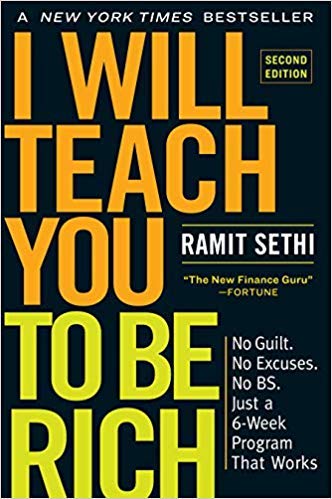
I Will Teach You to Be Rich: No Guilt. No Excuses. Just a 6-Week Program That Works (Second Edition)
<strong>The groundbreaking New York Times bestseller that taught a generation how to earn more, save more, and live a rich life</strong>—now in a revised 2nd edition. Personal finance expert Ramit Set
Check Price on AmazonIf you’re deciding between parking cash in a high-yield savings account or locking it into a certificate of deposit, this guide helps: CDs vs. High-Yield Savings: Where to Put Your Money.
Real‑world examples
- Building an emergency fund: Say you’re starting with $1,000 and auto-transferring $150/month. A high-yield account that stays near the top of the market is more valuable than a bank with a teaser rate that drops. Prioritize $0 fees and automation (Ally or SoFi fit well).
- House down payment in 12–18 months: You want liquidity (easy access) with minimal risk. A competitive online savings account at Marcus or Discover keeps your options open; review rates quarterly.
- Holding a large cash cushion: If you’ll keep $250,000+ on deposit, consider using multiple banks or different ownership categories to extend FDIC coverage. Some savers keep a primary HYSA plus a brick-and-mortar account for same-day cash access.
Also worth reading if you’re balancing protection and liquidity: Life Insurance vs Savings Account: Protection or Liquidity — Which Should You Choose?
Fees, limits, and fine print to watch
- Withdrawal limits: Banks may limit certain types of withdrawals and transfers from savings each statement cycle. Exceeding limits can trigger fees or account conversion.
- External transfer speeds: Not all ACH transfers are equal. Online banks typically move money in 1–3 business days; some offer instant transfers for small amounts.
- Bonus qualification windows: Read timelines and balance requirements carefully. Missing a step can forfeit a bonus.
- Linked-account rules: If a higher APY requires direct deposit or a linked checking account, confirm what qualifies (payroll vs. bank-to-bank transfers, minimum amounts, etc.).
FDIC/NCUA safety — and a reminder we’re not a bank
- FDIC insurance: Most banks on this list are FDIC-insured, which protects deposits up to $250,000 per depositor, per insured bank, per ownership category. Credit unions are protected by NCUA with the same standard limit.
- How to verify: Look for the FDIC or NCUA logo on the bank’s website and search the institution in the FDIC’s BankFind tool or NCUA’s Credit Union Locator.
- Your responsibility: Confirm coverage for your exact setup, especially if you have joint accounts, trusts, or multiple products at the same bank.
FDIC note: FindAssurance.com is not a bank. We provide information and education; we do not accept deposits.
Insurance side note: Save more by right-sizing coverage
While you’re optimizing your savings, it’s smart to review insurance. Overpaying for coverage can quietly eat into your APY gains. Tools like PolicyCompare and CoverScout let you compare auto and home quotes from multiple carriers in minutes. If you prefer a guided experience, a marketplace like ShieldRate can connect you with licensed agents who’ll walk you through options.
For personalized insurance advice, consider speaking with a licensed agent. Actual premiums and coverage suitability vary by your state, driving record, home features, age, and other factors.
Next steps
- Pick one primary high-yield savings account from the list above that matches your priorities (highest APY, best app, or branch access).
- Set up automatic transfers right after payday — even $50/week adds up.
- Calendar a quarterly “rate check” to confirm your APY is still competitive. If your bank falls behind meaningfully, consider moving.
- If you’re comparing more savings options, check our roundup of Best High-Yield Savings Accounts in 2026 for the latest leaders.

Clever Fox Budget Planner - Expense Tracker Notebook. ...
View on AmazonFrequently asked questions
What’s a “good” APY for a savings account?
It depends on the rate environment. In most cases, top online banks pay several times national average rates. Rather than chasing the single highest APY, look for a bank that consistently stays competitive with $0 fees.
Are online savings accounts safe?
Yes — provided the bank is FDIC-insured (or NCUA-insured for credit unions). Confirm your coverage, use strong passwords and two-factor authentication, and enable transaction alerts.

Yubico - YubiKey 5C NFC - Multi-Factor authentication (MFA) Security Key and passkey, Connect via USB-C or NFC, FIDO Certified - Protect Your Online Accounts : Electronics
View on AmazonCan I have more than one savings account?
Absolutely. Many people keep a primary high-yield account for their emergency fund and a secondary account (often at a branch bank) for cash access. Multiple accounts can also help you segment goals or extend deposit insurance.
Should I use a CD instead of a savings account?
If you know you won’t need the cash for a set period, CDs (certificates of deposit) can offer a higher fixed rate. If you want full flexibility, a high-yield savings account keeps funds liquid. Compare here: CDs vs. High-Yield Savings: Where to Put Your Money.
Editorial standards: We base our picks on APY competitiveness, fees, access, insurance coverage, and user experience. Rates and terms change frequently; always verify current details on the bank’s website before applying.
Recommended Resources
I Will Teach You to Be Rich: No Guilt. No Excuses. Just a 6-Week Program That Works (Second Edition)
<strong>The groundbreaking New York Times bestseller that taught a generation how to earn more, save more, and live a rich life</strong>—now in a revised 2nd edition. Personal finance expert Ramit Set
Yubico - YubiKey 5C NFC - Multi-Factor authentication (MFA) Security Key and passkey, Connect via USB-C or NFC, FIDO Certified - Protect Your Online Accounts : Electronics
Yubico - YubiKey 5 NFC - Multi-Factor authentication (MFA) Security Key and passkey, Connect via USB-A or NFC, FIDO Certified - Protect Your Online Accounts · Yubico - YubiKey 5Ci - Multi-Factor authe
Clever Fox Budget Planner - Expense Tracker Notebook. ...
<strong>Manage finances with a comprehensive budget planner</strong>. Track expenses, organize bills, set savings goals, and review progress - all in one structured book.
Related Articles
- Best Savings Account Rates 2026: How to Compare the Top Options
- Best Online Banks 2026: Top Picks for Fees, APY, and Everyday Banking
- Savings Accounts: How to Choose the Best Account & Get Top Rates
- Best High-Yield Savings Accounts in 2026
- Best CD Rates in 2026: How to Compare the Top Offers
- Best Checking Accounts With No Fees: How to Compare Your Top Options
- Money Market Accounts vs. Savings Accounts: Which Is Better for Your Cash?
- Marcus vs Ally Savings: Which High-Yield Account Wins?