
Best Online Banks 2026: Top Picks for Fees, APY, and Everyday Banking
You’re trying to find the best online banks 2026 and the choices all look great—until you read the fine print. APYs change, fees hide in the details, and “free ATMs” can mean something different depending on where you live. Here is what actually matters, how today’s top online banks stack up by use case, and the tradeoffs to watch before you move your money.
What “Best Online Banks” Means in 2026: The Criteria That Actually Matter
Online banks win on price and convenience, but the best pick for you depends on how you bank day-to-day. Focus on these deal‑makers (and deal‑breakers):
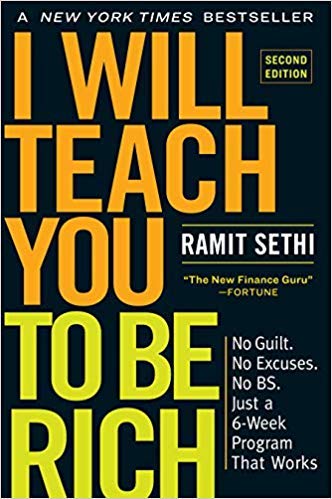
I Will Teach You to Be Rich: No Guilt. No Excuses. Just a 6-Week Program That Works (Second Edition)
<strong>The groundbreaking New York Times bestseller that taught a generation how to earn more, save more, and live a rich life</strong>—now in a revised 2nd edition. Personal finance expert Ramit Set
Check Price on Amazon- APY on savings and checking: APY (annual percentage yield, the total interest you earn over a year including compounding) is usually where online banks shine. In 2026, top high‑yield savings APYs are often several times national averages, but rates are variable and can change at any time. Look at the current APY, how often it has changed recently, and whether there are balance tiers or direct‑deposit requirements.
- Monthly and hidden fees: The headline often says “$0,” but scan the full fee schedule. Watch for out‑of‑network ATM fees, foreign transaction fees, paper statement fees, cash deposit fees, check order fees, stop‑payment fees, and expedited transfer fees.
- Mobile app and web experience: Check app ratings, recent release notes (are bugs getting fixed?), and supported features like mobile check deposit, bill pay, Zelle or other P2P, instant external transfers, and budgeting tools.
- ATM and cash access: Many online banks use surcharge‑free ATM networks like Allpoint or MoneyPass. Out‑of‑network withdrawals may trigger two fees (from the bank and the ATM operator), unless the bank reimburses them. If you deposit cash, confirm where and how—some banks use retail partners (e.g., Green Dot/PayNearMe) that typically charge around $4–$5 per deposit and impose per‑deposit limits.
- Customer support options: Can you reach a human by phone or chat, and during what hours? Are there virtual assistants that actually resolve issues? In most cases, there’s no branch to visit, so support quality matters.
- FDIC or NCUA insurance: Verify FDIC insurance (for banks) or NCUA insurance (for credit unions) up to $250,000 per depositor, per bank, per ownership category. Some fintechs partner with multiple banks to extend coverage; confirm who actually holds your deposits and what the insured limits are.
- Transfer speeds and limits: ACH transfers typically take 1–3 business days, though some banks offer instant transfers or FedNow/RTP for a fee or with limits. If you move money often, transfer velocity and cut‑off times can make or break your experience.
- Overdraft policies: Many online banks have $0 overdraft fees but may simply decline transactions when funds are insufficient. Others provide small overdraft cushions if you set up direct deposit. Know the difference to avoid surprises at checkout.
If your top priority is savings APY, also see our guide to the Best High-Yield Savings Accounts in 2026 for stand‑out rates and terms.
Best Online Banks 2026: Top Picks by Use Case
Online banks aren’t one‑size‑fits‑all. Here’s how leading options typically line up by common needs. Rates and perks vary by state and can change—always confirm current terms.
Best for High‑Yield Savings
- What to look for: A consistently competitive APY, no or low minimum balance, fast transfers to your checking account, and easy external account linking.
- Why it matters: A higher APY compounds over time. On $20,000 saved for a year, a 4.50% APY yields roughly $900 in interest before taxes, while 0.50% yields about $100.
- Examples you’ll often see in this conversation: Marcus by Goldman Sachs and Ally are frequent contenders for simple, high‑yield savings with no monthly fees and strong digital tools. If you’re deciding between the two, our side‑by‑side look at Marcus vs Ally Savings covers the key differences.
Best for Everyday Checking
- What to look for: $0 monthly maintenance fee without hoops, a broad surcharge‑free ATM network (and ideally some ATM fee reimbursements), early direct deposit, robust bill pay, and fast P2P transfers.
- Real‑world note: If you often withdraw cash, prioritize ATM coverage where you live. “60,000+ ATMs” is great on paper—but are they actually near your routes?
- Tip: If you frequently carry a balance in checking, a checking account that pays interest is a nice perk—but verify that the APY isn’t tied to high transaction or direct deposit requirements.
Best for Joint Accounts and Families
- What to look for: Easy addition of co‑owners, separate debit cards, shared savings goals or “buckets,” spend alerts, and parental controls for teen cards.
- Why it matters: Clear visibility helps avoid accidental overdrafts and supports shared budgeting. Sub‑accounts let you earmark funds for rent, travel, or an emergency fund without opening multiple accounts.
Best for Small Business Banking
- What to look for: $0 monthly fee, generous free transactions, built‑in invoicing and bill pay, seamless accounting integrations, and easy cash deposits if you accept cash.
- Considerations: Some business online banks partner with sponsor banks for FDIC insurance—verify the bank of record and insured limits. Also check outbound payment methods (ACH, wires, checks) and fees.
Best for Budgeting Tools and Automation
- What to look for: Native budgeting categories, real‑time notifications, round‑ups to savings, paycheck auto‑splits, and spending insights.
- Pro move: Use paycheck auto‑split to send a fixed amount straight to savings the day you get paid—making “pay yourself first” automatic.
Best for Travel‑Friendly Banking
- What to look for: No foreign transaction fees on debit purchases, ATM fee reimbursements (domestic and ideally international), and robust card controls if your card is lost abroad.
- Reality check: Even when your bank doesn’t charge a foreign transaction fee, the ATM operator might. Some banks reimburse those fees up to a monthly cap—verify the details.
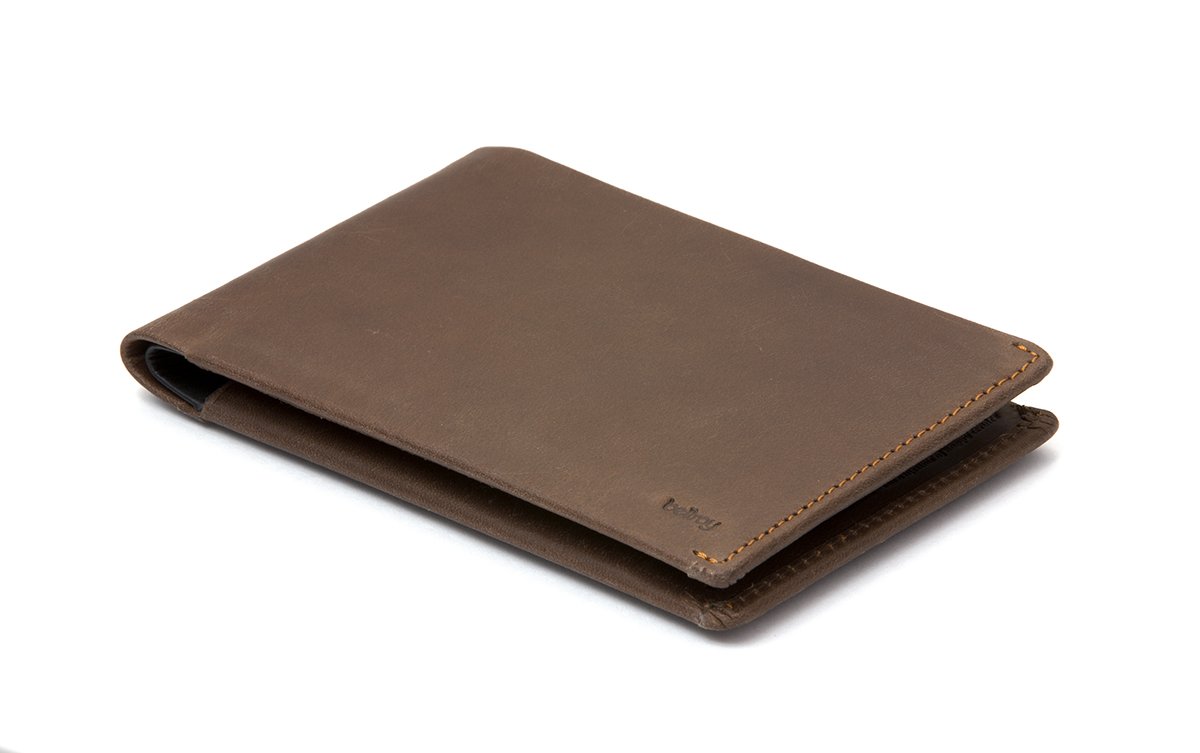
Amazon.com | Bellroy Travel Wallet, travel document holder (Passport, tickets, cash, cards and pen) - (Black) | Passport Wallets
View on AmazonIf you’re comparing a savings APY to a time‑locked rate, our take on CDs vs. High-Yield Savings explains when a CD can make sense and when liquidity wins.
The Tradeoffs No One Tells You About
Online banking is great—until one of these frictions hits on a busy day. Here are the big ones to weigh:
- Rates move. That eye‑popping APY can change next week. Look at a bank’s track record, not just today’s rate. Some banks are “rate leaders” for a few months, then drop.
- Transfer timing. ACH is usually 1–3 business days. Some banks offer instant external transfers for a fee or with limits, and instant isn’t always available 24/7. If you pay bills from different accounts, build in buffer time.
- Mobile deposit holds. Big mobile check deposits can be held for several business days, especially for new accounts. If you rely on fast funds availability, check the bank’s specific hold policy.
- Overdraft “free” ≠ unlimited. Many online banks don’t charge an overdraft fee—but may decline the transaction. If you want a small cushion, look for overdraft programs tied to direct deposit and understand the dollar cap.
- Cash is harder. Cash deposits often require a retail partner and a per‑deposit fee, plus daily or monthly limits. If your work involves frequent cash, consider a hybrid setup with a local credit union or branch bank for deposits.
- In‑person help is limited. Without branches, complex issues can take longer to resolve. Prioritize banks with responsive phone support and secure chat.
How to Evaluate an Online Bank Safely and Effectively in 2026
Run this checklist before you move your paycheck.
Verify safety first
- FDIC/NCUA coverage: Confirm your account is insured up to $250,000 per depositor, per bank, per ownership category. If a fintech “sweeps” deposits across multiple banks, the total insured amount may be higher—verify the program details and bank list.
- Security features: Look for two‑factor authentication (2FA), passkeys or strong password options, biometric login, card‑lock controls, transaction alerts, and device management. Extra credit if the bank supports account‑to‑account linking via secure open‑banking connections rather than shared passwords.

Yubico - YubiKey 5C NFC - Multi-Factor authentication (MFA) Security Key and passkey, Connect via USB-C or NFC, FIDO Certified - Protect Your Online Accounts : Electronics
Yubico - YubiKey 5 NFC - Multi-Factor authentication (MFA) Security Key and passkey, Connect via USB-A or NFC, FIDO Certified - Protect Your Online Accounts · Yubico - YubiKey 5Ci - Multi-Factor authe
Check Price on AmazonRead the fine print
- Minimums and tiers: Some top APYs apply only above certain balances or require monthly direct deposits. Know the thresholds.
- Fees to watch: Out‑of‑network ATM fees and operator fees, foreign transaction fees, cash deposit fees, wire fees, check order fees, paper statements, stop‑payments, and inactivity fees. The “$0 monthly fee” banner does not mean “$0 everything.”
- Availability of features: If you need Zelle, instant transfers, mobile check deposit limits above $5,000, or joint accounts, confirm they’re supported. Don’t assume.
Test the user experience
- App quality: Check recent ratings and reviews on iOS/Android. Are users complaining about login issues or long hold times? Do updates ship regularly?
- Support channels: Try chat or phone before you switch. How long is the queue? Are humans available outside business hours?
- Pilot with a small balance: Set up external linking, do a test transfer both directions, deposit a small mobile check, and try an ATM withdrawal. You’ll learn more in three days of testing than in an hour of reading marketing pages.
For deeper how‑to criteria, see our step‑by‑step on How to Choose the Best Checking Account and our primer on Savings Accounts: How to Choose the Best Account & Get Top Rates.
Ready to see real numbers for your situation? The fastest way to find your fit is to compare APYs, fees, and ATM access from 3–5 top online banks side‑by‑side. A quick comparison usually surfaces the one or two that match how you actually bank.
Help Me Choose: Map Your Priorities to the Right Online Bank
Use these common profiles to narrow the field.
“I want to maximize interest.”
- Look for a high‑yield savings account with a leading APY, $0 minimum, and fast transfers to your checking. Names like Marcus and Ally are often competitive and simple to use—see our comparison of Marcus vs Ally Savings if those are on your shortlist. Expect rates to move over time; switch if your bank falls behind for several months.
“I never want to pay a fee again.”
- Find a checking account with no monthly maintenance fee, no minimum balance, a large surcharge‑free ATM network near you, and at least a few ATM fee reimbursements per month. Confirm there’s also no foreign transaction fee if you travel.
“I use cash regularly.”
- Prioritize banks that support in‑network cash deposits at ATMs or retail partners at a reasonable per‑deposit fee. Check deposit limits and make sure locations are actually near your home or job.
“I’m a frequent traveler.”
- Focus on global ATM fee reimbursements, $0 foreign transaction fees on debit, and strong card controls for lost/stolen cards abroad. Bringing a backup card from a second bank is smart in case of fraud holds.
“I run a side business.”
- Look for $0‑fee business checking with easy ACH/wire options, built‑in invoicing, and accounting integrations. If you accept cash, ensure there’s a practical way to deposit it. Verify FDIC insurance through the bank of record.
“I budget on my phone.”
- Choose an account with built‑in categories, real‑time alerts, round‑ups, and paycheck auto‑splits. If you like to keep everything in one place, an ecosystem that offers checking, savings, and a high‑yield vault can help.
Quick, Real‑World Examples
The saver: You keep $15,000 in an emergency fund and add $300/month. At a 4.25% APY, you’ll typically earn about $638 in the first year before taxes, versus roughly $225 at 1.50%. For savings‑first users, a strong high‑yield account is worth the five‑minute setup.
The commuter: You withdraw cash weekly and hate ATM fees. A bank with a big surcharge‑free network near your routes plus $10/month in ATM fee reimbursements can easily save $60–$120 per year compared to paying $2–$4 per out‑of‑network withdrawal.
The freelancer: You invoice clients and sometimes deposit paper checks. You’ll want robust mobile check deposit limits, low or no fees for incoming wires, and clear hold policies so you can plan bill payments.
What to Look For When Comparing Online Bank Offers
When you’ve narrowed it to two or three, compare head‑to‑head on these must‑knows:
- APY today and typical range over the last 6–12 months
- Monthly fee and ways it can be waived (if any)
- ATM network size near your home and work; reimbursement policy
- Foreign transaction fee on debit card purchases
- Transfer speeds: instant options, ACH timing, and cut‑offs
- Mobile deposit limits and funds‑availability policy
- Joint account support and sub‑accounts/buckets
- Cash deposit methods, per‑deposit fee, and limits
- Customer service hours and average response time
A quick note on advice
This guide is educational and not financial advice. Actual APYs, fees, and features vary by bank and can change frequently depending on your state and your usage. If you need personalized guidance, consider speaking with a fiduciary financial advisor or contacting the bank directly.
Next steps
- Shortlist 3–5 banks that match your top priority (high APY, no‑fee checking, cash access, travel features, or business tools).
- Verify FDIC/NCUA insurance and read each fee schedule end‑to‑end.
- Open one account and pilot it for two weeks with a small balance to test transfers, ATM access, mobile deposit, and support.
Want a shortcut? Compare APYs, fees, ATM access, and app ratings from a few top contenders today. In most cases, a 10‑minute side‑by‑side will make the best choice for you obvious.
Recommended Resources
I Will Teach You to Be Rich: No Guilt. No Excuses. Just a 6-Week Program That Works (Second Edition)
<strong>The groundbreaking New York Times bestseller that taught a generation how to earn more, save more, and live a rich life</strong>—now in a revised 2nd edition. Personal finance expert Ramit Set
Yubico - YubiKey 5C NFC - Multi-Factor authentication (MFA) Security Key and passkey, Connect via USB-C or NFC, FIDO Certified - Protect Your Online Accounts : Electronics
Yubico - YubiKey 5 NFC - Multi-Factor authentication (MFA) Security Key and passkey, Connect via USB-A or NFC, FIDO Certified - Protect Your Online Accounts · Yubico - YubiKey 5Ci - Multi-Factor authe
Amazon.com | Bellroy Travel Wallet, travel document holder (Passport, tickets, cash, cards and pen) - (Black) | Passport Wallets
... Designed around the size of a passport, this wallet keeps things tailored enough to fit snugly in your back pocket. A secret compartment hides cash away, while <strong>RFID blocking material shiel
Related Articles
- Best Banks for Savings Accounts in 2026: Top APY, No-Fee & Mobile Picks
- Best Savings Account Rates 2026: How to Compare the Top Options
- Best CD Rates in 2026: How to Compare the Top Offers
- Best Neobanks of 2026: Top Digital Banks Compared
- Best Checking Accounts With No Fees: How to Compare Your Top Options
- Savings Accounts: How to Choose the Best Account & Get Top Rates
- Marcus vs Ally Savings: Which High-Yield Account Wins?
- Best Joint Bank Accounts: How to Compare Top Options and Choose the Right One