
How to File a Car Insurance Claim: When to File, What to Document, and How to Navigate the Claims Process
You just had a fender bender — or maybe your car was hit while parked — and you’re staring at your phone wondering what to do next. If you’re asking how to file car insurance claims, you’re not alone. Let’s walk through exactly when to file, what to document, how the claims process really works, and smart ways to protect your payout and your future premiums.
Note: Policies and timelines vary by insurer and by state. Nothing here is legal advice. For personalized guidance, it’s wise to speak with a licensed agent or attorney when needed.
When to file a car insurance claim (and when to pay out of pocket)
Filing a claim triggers your insurer’s formal process to investigate the loss and pay covered damages, minus your deductible (the amount you pay out of pocket before insurance starts paying). Most policies require you to notify your insurer "promptly" after a loss — in plain language, as soon as reasonably possible. Some states and policies set specific deadlines, especially for injuries.

How to Win Your Personal Injury Claim: Matthews, Joseph L.
Learn how to: - protect your rights ... to Win Your Personal Injury Claim <strong>provides your state's most recent laws, small-claims court limits and Department of Insurance contact information
Check Price on AmazonCommon reasons to file
- Collision: You hit another vehicle, another vehicle hits you, or you collide with an object (pole, fence). Typically covered under collision coverage (optional in most states unless you have a loan/lease).
- Theft: Your car is stolen or parts are stolen (e.g., catalytic converter). Usually covered by comprehensive coverage (covers non-collision events like theft, fire, hail).
- Vandalism: Keying, broken windows, graffiti — typically comprehensive.
- Weather: Hail, flooding, fallen tree limbs — typically comprehensive.
- Hit-and-run: If the other driver flees, you may rely on collision or uninsured motorist property damage (UMPD) if available in your state and on your policy. Many states require a police report and sometimes physical contact with the at-fault vehicle for UMPD to apply.
If you’re injured, consider filing even if damage looks minor. Soft-tissue injuries and concussion symptoms often appear later. Personal Injury Protection (PIP) or MedPay (medical payments coverage) can help with medical bills, depending on your state and policy.
Deadlines and timing
- Prompt notice: Most policies require you to report claims promptly — waiting too long can make the investigation harder and may affect coverage.
- Police reports: Many states require a police report for hit-and-runs, significant injuries, or damage above a certain amount. Check your state’s rules.
- Statutes of limitation: There are time limits to pursue bodily injury or property damage claims (often 1–3 years, depending on your state). Your insurer also has its own proof-of-loss deadlines. When in doubt, report early.
Should you file or pay out of pocket?
This is where people often over- or under-claim. Consider:
- Your deductible: If repairs cost $900 and you have a $1,000 deductible, there’s no payout — and you still add a claim to your history.
- Surcharge risk: At‑fault accidents can raise premiums, usually for 3–5 years, though the amount varies by state and insurer. Multiple small claims can also raise rates.
- Fault: If the other driver is clearly at fault and their insurer pays everything, your rates typically won’t increase. But some insurers consider “not-at-fault” frequency. Ask your carrier how they handle it.
- Claim type: Comprehensive claims (hail, theft, animal strike) typically impact rates less than at‑fault collision claims.
Example: You back into a pole. Estimate is $1,600 and your collision deductible is $500. Your out-of-pocket would be $500 if you claim, not $1,600. But if your insurer adds a $180/year surcharge for three years (typical ranges vary), that’s $540 in higher premiums. In this scenario, you’d pay a total of about $1,040 over time — still less than the full $1,600, but more than the $500 deductible alone. Your call may depend on cash flow, how long you’ll keep the policy, and whether you already have recent claims.
Pro tip: If damage is near your deductible, consider getting a private estimate first. You can still file later, as long as you’re within reporting timelines.
Immediate actions and evidence to gather (the claim-winning checklist)
Your first job is safety. Your second is evidence. The more you document now, the smoother your claim typically goes.
At the scene
- Get to safety and call 911 if anyone is injured. Document any symptoms (headache, dizziness) even if they seem minor.
- Call police if required or advisable: injuries, hit-and-run, impaired drivers, significant damage. Ask for the incident number.
- Exchange information: Name, phone, address, driver’s license, plate number, and insurance details (company, policy number) of all drivers.
- Photograph everything: Vehicles from all angles, close‑ups of damage, skid marks, debris, road signs, lane markings, traffic signals, weather, and lighting conditions.
- Video a quick walkthrough: Narrate what happened while it’s fresh. Include any vehicle warning lights.
- Capture documents: Snap photos of the other driver’s insurance card and driver’s license.
- Find witnesses: Ask for names and contact info. Record a short statement on your phone if they agree.
- Don’t admit fault: Share facts only. Fault is a legal determination and insurers rely on statutes, police reports, and comparative negligence rules in your state.
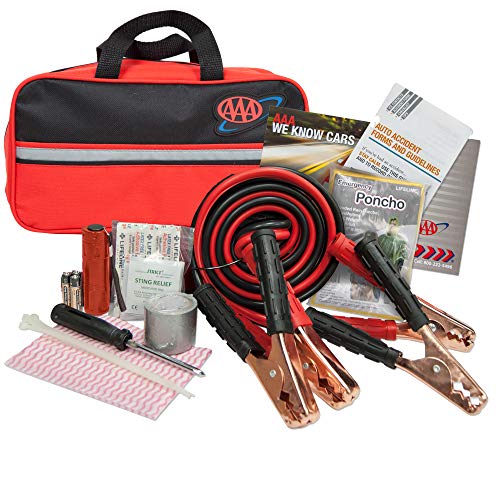
Lifeline AAA Premium Road Kit, 42 Piece Emergency Car Kit with Jumper Cables, Flashlight and First Aid Kit,4330AAA,Black : Everything Else
View on Amazon
VIOFO A229 Plus Dash Cam Front and Rear, Dual STARVIS 2 Sensors, 2 Channel HDR, 1440P+1440P Voice Control Car Dash Camera, 5GHz Wi-Fi, Voice Control, Ultra-Precise GPS : Electronics
VIOFO A229 Pro 4K HDR Dash Cam, Dual STARVIS 2 IMX678 IMX675, 4K+2K Front and Rear Car Camera, 2 Channel with HDR, Voice Control, 5GHz WiFi GPS, Night Vision 2.0, <strong>24H Parking Mode</strong>
Check Price on AmazonAfter you leave
- Seek medical care: Keep all records, bills, and receipts. PIP or MedPay can help with copays and deductibles (where available).
- Notify your insurer: Share the basics and ask about next steps. If the other driver’s insurer calls, you can decline a recorded statement until you’re ready or have guidance.
- Line up towing and storage: Ask your insurer if they have preferred tow yards or storage reimbursement limits. Storage charges can add up fast.
- Document rental needs: If you have rental reimbursement coverage, ask your adjuster about daily limits and approved vendors.
- Preserve evidence: Don’t repair or dispose of damaged parts until the adjuster has inspected them.
Special situations:
- Theft: File a police report immediately. List aftermarket equipment. Provide both sets of keys if requested.
- Hit-and-run: Report promptly to police. Photograph paint transfers or damage patterns. Check for cameras nearby (businesses, doorbells).
- Weather and flooding: Don’t start the engine if the car was submerged; it can worsen damage. Photograph water lines inside the cabin.
For a concise, printable checklist of what to capture and submit, see our step-by-step guide: How to File a Car Insurance Claim: What to Do, What to Submit, and How to Get a Fair Payout.
How to actually file with your insurer — and what to expect
Filing is usually straightforward. The investigation and repair process is where questions pop up. Here’s the roadmap.
Step 1: Open the claim
Most insurers let you file by app, web, or phone. Provide:
- Policy number and contact info
- Date, time, and location of the incident
- Description of what happened
- Photos/video, witness details, and police report number (if available)
- Other party’s insurance details
- Injury details and medical treatment to date
- Towing location and whether the car is drivable
You’ll receive a claim number and be assigned an adjuster (the person who evaluates loss and coverage) and sometimes an appraiser (the person estimating vehicle damage).
Step 2: Coverage review and recorded statements
Your adjuster will confirm what coverages apply:
- Liability (pays others if you’re at fault)
- Collision (your car, regardless of fault, minus deductible)
- Comprehensive (non-collision events like hail, theft, animals)
- PIP/MedPay (medical expenses regardless of fault, depending on state)
- UM/UIM (uninsured/underinsured motorist) for injuries and sometimes property damage
They may request a recorded statement. Share facts calmly and consistently. If another insurer asks for a recorded statement, you can schedule it later or consult a professional first.
Learn how each coverage works here: Understanding Auto Insurance Coverage Types.
Step 3: Vehicle inspection and estimates
Insurers use different methods depending on damage and state rules:
- Photo or virtual estimate: You upload photos; an initial estimate is created. Supplements (additional damage found during repair) are common.
- Drive‑in or field inspection: An appraiser sees the car in person.
- Shop estimate: You can typically choose your own repair shop. Insurers may have a Direct Repair Program (DRP) network with streamlined billing and warranties. You’re not required to use their shop in most states.
Parts and procedures:
- OEM vs aftermarket: Original manufacturer parts may cost more. Your policy and state laws affect what the insurer must cover.
- Diminished value: Some states allow claims for loss in resale value after repairs. Usually not paid under your own collision coverage but may be pursued from an at-fault party’s insurer.
Step 4: Payment and repairs
- If drivable: You can wait for parts and schedule repairs.
- If not drivable: Towing to your shop or a storage lot. Ask your insurer about storage-day limits to avoid out-of-pocket charges.
- Deductible: You pay your deductible to the shop or it is deducted from a payout.
- Total loss: If repairs exceed a threshold (varies by state), the car is declared a total loss. You’re paid the Actual Cash Value (ACV — the market value just before the loss), minus your deductible and lien payoff if you have a loan. Gap insurance (if you have it) can help cover the difference between ACV and what you owe.
Step 5: Timelines and communications
- Acknowledgment: Insurers typically acknowledge a claim within a few business days.
- Decision: After receiving your proof of loss (your official statement and documentation), many states require a coverage decision within a defined period. Exact deadlines vary by state.
- Payment: Once liability and amounts are agreed, payment is often issued within days. Complex injuries or disputed fault can take longer.
Keep everything in writing when possible. Ask your adjuster for a target timeline and preferred contact method.
Common reasons for denials or delays
- Late reporting or difficulty verifying facts
- Lapsed policy, excluded driver, or excluded use (e.g., commercial/rideshare use without endorsement)
- No applicable coverage (e.g., collision not on your policy; mechanical failure not caused by a covered event)
- Pre-existing or wear-and-tear damage (not covered by insurance)
- Misrepresentation or material omissions during the claim
If denied, request the denial letter in writing citing specific policy language. You can appeal internally, involve your state’s Department of Insurance, invoke the appraisal clause for valuation disputes, or consult an attorney for injury or complex liability issues.
— Fast next step if you’re worried about future premium increases: the quickest way to see what you’d actually pay is to compare quotes from multiple carriers. Start here: Car Insurance Quotes: Compare Rates & Get Personalized Quotes Fast.
Practical tips to protect your payout and limit premium impact
Think of this section as your playbook for a fair settlement without surprises.
Documentation best practices:
- Save a single claim folder: photos, videos, dashcam clips, receipts, medical records, estimates, and all emails.
- Track out-of-pocket costs: Towing, storage, rental, child care for medical appointments — keep receipts. Some may be reimbursable.
- Get multiple estimates if something feels off: You can present competing estimates to your adjuster.
- Ask for the estimate line-by-line: Look at labor hours, paint/blend times, and parts types (OEM vs aftermarket vs reconditioned).
Working with repair shops:
- Your choice of shop: In most states, you can choose. A DRP shop can speed approvals; an independent specialist can be a good fit for specific makes.
- Approvals and supplements: Have the shop get insurer approval before extra work. Ask them to photograph hidden damage they discover.
- Quality checks: Test electronics, ADAS features (lane keep, adaptive cruise) and alignments after repairs.
Using your coverages wisely:
- Deductibles: Higher deductibles lower premiums but increase out-of-pocket in a claim. Balance savings with your emergency fund.
- Rental coverage: Know your daily and maximum limits (e.g., $40/day up to 30 days). Book early; availability can be tight after storms.
- PIP/MedPay: Use it for medical bills to avoid collections while liability is sorted. You may need to coordinate with health insurance (your "primary" vs "secondary" payers depends on your state and policy).
- UM/UIM: Critical if the at-fault driver has no or low limits. File promptly and follow any special proof requirements.
Limiting premium impact:
- Ask your insurer about surcharge schedules and accident forgiveness: Some carriers waive the first at‑fault accident above a certain tenure and claim-free period.
- Keep claim frequency low: Two small claims in a short period can cost more than one larger claim over time.
- Shop around after a claim: Different insurers weigh claims differently. If your rate jumps, comparing 3–5 carriers can surface better options. For strategies that typically help, see How to Lower Car Insurance: 15 Smart Ways to Cut Your Premiums.
When to escalate a dispute:
- Internal appeal: Ask for a supervisor review and provide new evidence.
- Appraisal clause: For total loss value disputes, most policies allow independent appraisers to set value with an umpire if needed.
- State complaint: Your Department of Insurance can assist if you believe the insurer isn’t following regulations.
- Attorney or small claims court: Consider for injury disputes, bad-faith concerns, or clear liability/valuation disagreements — especially when the amount at stake exceeds legal costs.
Follow-up and recordkeeping to speed resolution:
- Confirm phone calls with a short email recap.
- Set calendar reminders for insurer-requested items and promised callbacks.
- Keep claim numbers and contact names handy.
- If you switch cars or insurers mid-claim, tell your adjuster; it can affect rental coverage and lienholder communications.
Quick reference: Should I file this claim?
Use this framework as a starting point — your situation may differ.
- Minor single-vehicle scuff under or near your deductible, no injuries, no other property damaged: Consider paying out of pocket to avoid a surcharge. Keep photos and an estimate in case you change your mind within reporting timelines.
- Clear not-at-fault crash with cooperative other driver and witnesses: Notify both insurers. You can pursue through the at-fault carrier or through your own collision (then your insurer seeks reimbursement). Using your own coverage often moves faster if you carry rental coverage.
- Weather, animal strike, theft, vandalism: Usually comprehensive. These typically impact premiums less than at-fault collisions.
- Hit-and-run: File police report promptly. Use collision or UMPD if available and permitted under your state’s rules.
A quick word on adjusters, courtesy, and realistic expectations
Adjusters manage many files and must follow policy language and state rules. Being organized, prompt, and respectful can move your claim to the top of the stack. You can firmly advocate for yourself and still keep things collaborative. Ask for explanations tied to policy terms; request things in writing; and if something doesn’t add up, escalate politely.
Considering changing insurers after a claim?
Rates after a claim vary widely by state, carrier, and your driving profile. The fastest way to see your real options is to compare multiple quotes — ideally 3–5 carriers side by side. You’ll quickly see who’s more forgiving of your specific claim type and how different deductibles change your price. Start here when you’re ready: Car Insurance Quotes: Compare Rates & Get Personalized Quotes Fast.
Have coverage questions before you file? Talking with a licensed agent can help you understand what’s covered, which deductible applies, and how a claim might affect your premium.
If you want a condensed checklist version of this guide, save this page and also bookmark: How to File a Car Insurance Claim: What to Do, What to Submit, and How to Get a Fair Payout.
Recommended Resources
How to Win Your Personal Injury Claim: Matthews, Joseph L.
Learn how to: - protect your rights ... to Win Your Personal Injury Claim <strong>provides your state's most recent laws, small-claims court limits and Department of Insurance contact information
VIOFO A229 Plus Dash Cam Front and Rear, Dual STARVIS 2 Sensors, 2 Channel HDR, 1440P+1440P Voice Control Car Dash Camera, 5GHz Wi-Fi, Voice Control, Ultra-Precise GPS : Electronics
VIOFO A229 Pro 4K HDR Dash Cam, Dual STARVIS 2 IMX678 IMX675, 4K+2K Front and Rear Car Camera, 2 Channel with HDR, Voice Control, 5GHz WiFi GPS, Night Vision 2.0, <strong>24H Parking Mode</strong>
Lifeline AAA Premium Road Kit, 42 Piece Emergency Car Kit with Jumper Cables, Flashlight and First Aid Kit,4330AAA,Black : Everything Else
Amazon.com: <strong>Lifeline AAA Premium Road Kit</strong>, 42 Piece Emergency Car Kit with Jumper Cables, Flashlight and First Aid Kit,4330AAA,Black : Everything Else
Related Articles
- How to File a Car Insurance Claim: What to Do, What to Submit, and How to Get a Fair Payout
- How to File an Insurance Claim: What to Do, What to Document, and What to Expect
- Home Insurance Claims Process: What to Expect, How to File, and How to Get Paid Faster
- How to File a Home Insurance Claim: A Practical Guide to Filing, Documentation, and Getting Paid
- How to File a Pet Insurance Claim: Documents, Submission Steps & How to Avoid Denials
- Pet Insurance Claims: What to Gather, How to File, and How to Handle Denials
- How to Get Car Insurance: What You Need to Know to Choose, Buy, and Save
- What Happens If You Drive Without Insurance? Penalties & Next Steps