
Health Insurance Options for the Self‑Employed: Compare Plans, Costs, and Next Steps
You’re self-employed, the quotes feel all over the place, and you just want to know what’s fair, what’s risky, and what you’d actually pay. This guide breaks down health insurance options for self-employed people in plain English—what each path covers, typical costs, who qualifies, and how to decide.
Quick note on jargon we’ll use (and explain as we go):
- Deductible: the amount you pay out of pocket before insurance starts paying for most services
- Coinsurance: the percentage you pay after the deductible (for example, 20%)
- Copay: a flat dollar amount you pay for a service (for example, $30 for a doctor visit)
- Out-of-pocket maximum: the most you’ll pay in a year for covered, in-network care before insurance covers 100%
- Network: the doctors and hospitals a plan works with—stay in-network to pay the least
Health insurance options for self‑employed people: your full menu
Here are the primary health insurance options for self-employed individuals, plus when each tends to make sense.
1) ACA Marketplace plans (with potential premium tax credits)
ACA Marketplace plans (bought at Healthcare.gov or your state exchange) are Affordable Care Act–compliant. That means they cover essential health benefits, include free preventive care, and can’t deny you or price you up for preexisting conditions.
- Who it fits: Most freelancers and sole proprietors, especially if your income fluctuates or you might qualify for subsidies
- Why it’s popular: Premium tax credits (based on household size and income) can significantly reduce monthly premiums; cost-sharing reductions can lower deductibles on eligible Silver plans
- Networks: Vary by carrier and state—often HMO or EPO networks; check your doctors
Typical, unsubsidized premiums for a 35-year-old non-smoker can range roughly:
- Bronze: often $300–$450/month; high deductibles (commonly $7,000–$9,000)
- Silver: often $400–$600/month; mid-range deductibles (around $4,000–$6,000), with potential reductions if you qualify
- Gold: often $500–$700+/month; lower deductibles (frequently $1,000–$3,000)
Rates vary widely by state, age, tobacco status, and plan design. If you qualify for a premium tax credit, your actual cost can be far lower.
Helpful read: if you’re new to how plans work, see Health Insurance Basics: Plans, Terms, and How to Choose (/health-insurance/health-insurance-basics).
2) Off-exchange private major medical plans
These are the same ACA-compliant individual/family plans, just purchased directly from an insurer or broker instead of the Marketplace. Coverage rules and protections are identical, but you typically cannot use federal premium tax credits off-exchange.
- Who it fits: People who won’t qualify for subsidies and find a better plan direct from a carrier
- Watch-outs: You’ll pay full premium; still verify networks and drug formularies (the list of covered medications)
3) Join a spouse’s or family member’s employer plan
If your spouse or domestic partner has employer coverage, you can often join during the employer’s open enrollment or after a qualifying life event (like marriage or losing other coverage).
- Pros: Typically broad networks, lower deductibles than many individual plans, and employer may subsidize part of the premium
- Cons: Adding dependents can be expensive; compare the family premium to your Marketplace options with subsidies
- Tip: Since 2023, families are generally evaluated on the affordability of family coverage (not just the employee-only rate), which helps more households qualify for Marketplace savings if employer family coverage is pricey. Rules can be nuanced—double-check your numbers on the exchange.
4) COBRA (continuation of your former employer plan)
If you recently left a job with health insurance, you may be eligible for COBRA (a law that lets you keep your old plan temporarily). You pay the full premium plus a small admin fee (typically 2%).
- Pros: You keep the same network and benefits—great if you’re in ongoing treatment or mid-pregnancy
- Cons: Cost; it’s common to see $600–$900/month for an individual and $1,500–$2,200+ for a family, depending on the plan and region
- Timing: You generally have 60 days to elect COBRA after you receive your notice
5) Association or group plans (limited and state-specific)
Some professional associations offer group coverage. Availability and rules vary by state and association, and protections can differ from standard ACA individual plans.
- Pros: Potentially lower premiums or broader networks if a strong association negotiates good rates
- Cons: Eligibility rules, coverage differences by state, and sometimes fewer consumer protections than ACA individual plans; read the plan documents carefully
If you have employees, small-group insurance may be an option, but that’s a separate employer plan. Solo owners without common-law employees generally aren’t eligible for small-group.
6) Short-term health insurance (temporary, limited coverage)
Short-term plans are designed for gaps. They’re not ACA-compliant and can exclude preexisting conditions, cap benefits, and deny applications. In some states, they’re restricted or not available.
- Pros: Lower monthly premium—often $70–$200/month for a 30-something
- Cons: Coverage limits, exclusions, and the risk that a new condition won’t be covered; not a long-term safety net
- Best use: Brief transitions when you know major needs are unlikely
7) Medicaid and CHIP (income-based, year-round enrollment)
If your household income is within your state’s limits, Medicaid (for adults) and CHIP (for children) can provide comprehensive, low-cost coverage.
- Pros: Very low or no premiums and low out-of-pocket costs; robust benefits
- Cons: Some provider access limits depending on your area; income verification and reporting requirements
- Note: Income thresholds vary by state and family size
8) Health care sharing ministries (not insurance)
Faith-based health sharing programs are not insurance. Members share expenses under program guidelines and payments aren’t guaranteed.
- Pros: Lower monthly “share” amounts than traditional insurance
- Cons: No legal claims-payment obligation, preexisting condition exclusions, lifestyle requirements, and coverage caps; read disclosures closely
- Consider only if you fully understand and accept the risks
9) HSAs, telemedicine, and other supplements
- HSA (Health Savings Account): If you pick an HSA-eligible high-deductible health plan (HDHP), you can contribute pre-tax money to an HSA, spend it tax-free on qualified medical expenses, and carry the balance year to year. Contribution limits change annually—check current IRS rules.
- Telemedicine: Low-cost add-ons for virtual urgent care or mental health can be smart supplements, not substitutes for major medical.
- Discount cards: Can reduce cash prices for prescriptions or dental/vision services, but they are not insurance.
Pros, cons, typical costs, and risk profile by option
Below is a practical comparison—remember, actual costs vary by state, age, tobacco use, plan design, and, for Marketplace plans, your income.
ACA Marketplace plans (with or without subsidies)
- Typical premiums: Before subsidies, Bronze often $300–$450, Silver $400–$600, Gold $500–$700+ for a 35-year-old. With subsidies, out-of-pocket premiums can be far lower depending on income.
- Deductibles/out-of-pocket: Bronze high; Silver mid (lower if you qualify for cost-sharing reductions on Silver); Gold lower
- Networks: Often HMO/EPO; verify your doctors and hospitals
- Protections: Strong—no preexisting condition exclusions, essential health benefits, annual out-of-pocket cap
- Risk profile: Predictable and comprehensive, especially if you secure subsidies
Off-exchange private major medical
- Typical premiums: Similar to on-exchange, but no federal premium tax credits
- Deductibles/out-of-pocket: Plan-dependent; same ACA standards apply
- Networks: Vary by carrier
- Protections: Same as Marketplace (ACA-compliant)
- Risk profile: Solid coverage; higher cost if you forgo potential subsidies
Spouse/family employer plan
- Typical premiums: Employee contributions vary widely; family add-ons can be substantial. Compare employer family premium to your subsidized Marketplace options.
- Deductibles/out-of-pocket: Often lower than individual Bronze; varies by employer
- Networks: Often broader PPO networks
- Protections: Strong group-plan standards
- Risk profile: Good if employer contributes meaningfully and your doctors are in-network
COBRA
- Typical premiums: Often the full sticker price—individual $600–$900; family $1,500–$2,200+ monthly is common
- Deductibles/out-of-pocket: Same as your old plan
- Networks: Same as your old plan—great if mid-treatment
- Protections: Group-plan standards continue during COBRA period
- Risk profile: High cost but low disruption
Association/group plans
- Typical premiums: Can be competitive; highly variable by association and state rules
- Deductibles/out-of-pocket: Varies; read plan details carefully
- Networks: Sometimes wider if negotiated well
- Protections: May differ from ACA individual protections; review exclusions and caps
- Risk profile: Mixed—do your homework
Short-term plans
- Typical premiums: Often $70–$200/month for a 30-something
- Deductibles/out-of-pocket: Can be high; many caps and exclusions
- Networks: Vary; some allow any provider at negotiated rates
- Protections: Not ACA-compliant; can deny coverage and exclude conditions
- Risk profile: Highest—best only for brief, low-risk gaps
Medicaid/CHIP
- Typical premiums: Minimal to none
- Deductibles/out-of-pocket: Very low
- Networks: Vary; some areas have limited provider access
- Protections: Comprehensive benefits, strong consumer protections
- Risk profile: Low cost and robust benefits if you qualify
Health care sharing ministries
- Typical monthly share: Often lower than traditional premiums
- Deductibles/out-of-pocket: Program-specific; usually caps and sharing rules
- Networks: Often unrestricted but reimbursements follow their guidelines
- Protections: Not insurance; no guaranteed payment
- Risk profile: Significant—understand the downside before joining
HSAs/telemedicine supplements
- HSAs: Tax advantages if paired with an HSA-eligible HDHP; you still need major medical
- Telemedicine: Affordable convenience; not a substitute for emergency or complex care
Eligibility, enrollment windows, and subsidy rules
ACA Marketplace enrollment
- Open Enrollment: Generally runs November through January (dates vary by state).
- Special Enrollment Periods (SEPs): You can enroll mid-year after qualifying events like losing coverage, moving, marriage, birth/adoption, or a big income change. Most SEPs require you to act within 60 days of the event.
Premium tax credits and cost-sharing reductions
- How credits are calculated: Premium tax credits are based on your household size and estimated annual Modified Adjusted Gross Income (MAGI). Credits are designed to cap what you pay for the benchmark Silver plan at a percentage of your income.
- Who may qualify: Many self-employed households qualify, especially if your income is near or below several times the federal poverty level (FPL). In some cases, households above 400% FPL may still get help if local premiums are high. Rules can change—use the exchange calculator or talk with a licensed agent.
- Cost-sharing reductions (CSRs): If your income is within certain limits (typically up to 250% FPL), enrolling in a Silver plan can lower your deductible and out-of-pocket costs.
- Reconciliation: At tax time, the IRS reconciles your actual income to the subsidy you received. If you earned more than estimated, you may owe some back; if you earned less, you may get more credit.
Employer plans, COBRA, and timing
- Spouse/partner employer plan: Join during the employer’s open enrollment or after a qualifying event (marriage, birth, loss of other coverage).
- COBRA: You typically have 60 days to elect coverage after you’re notified. COBRA doesn’t block you from switching to a Marketplace plan later; losing COBRA or the employer plan can create a SEP.
Medicaid and CHIP
- Enrollment: Year-round; eligibility based on household income, family size, and state rules. If you qualify, you can typically enroll right away.
Short-term, association, and off-exchange plans
- Enrollment: Often available year-round, subject to state rules. Short-term plans may be limited in duration and renewals depending on your state.
State variations are real—network types, premiums, and even which plans operate in your area can differ. A licensed agent who works with multiple carriers can walk you through current local options.
How to estimate your total annual cost (and avoid surprises)
Sticker-price premiums don’t tell the whole story. Use this simple framework:
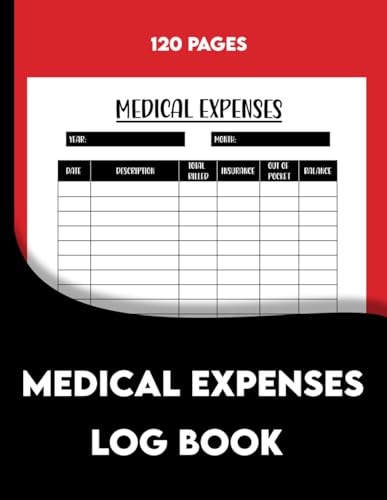
Medical Expense Log: A Tracker for Keeping Track of Your Medical Spending, Bills, and Payment All in One Place | Health Expense Organizer: Media, Tylissa A.: Amazon.com
View on Amazon- Start with annual premiums: monthly premium × 12
- Add expected out-of-pocket:
- For routine care and prescriptions, use last year’s costs as a baseline
- If you have a big surgery or pregnancy planned, consider the plan’s out-of-pocket maximum (the most you’d pay in-network in a year)
- Subtract any HSA tax savings if you’ll contribute (HSA contributions are typically tax-deductible and reduce your taxable income)
- Consider network value: If your doctors are out-of-network, your real cost can jump—factor potential provider changes
Example 1: 35-year-old non-smoker freelancer in Texas seeking a Silver plan
- Option A (Marketplace Silver with subsidy): $220/month after credit → $2,640/year. Deductible $5,000; likely OOP for a healthy year ~$800 in copays. Estimated total ~$3,440.
- Option B (Off-exchange similar Silver, no subsidy): $520/month → $6,240/year. Same care usage ~$800. Estimated total ~$7,040.
Example 2: 52-year-old designer with two brand-name prescriptions
- A Gold plan with a lower deductible and stronger drug formulary might cost more per month but save $1,000–$2,000+ annually in pharmacy and specialist copays, depending on drug tiers and visit frequency.
Example 3: Family of four with kids in sports
- A plan with urgent care copays, decent ER coverage, and a wide pediatric network can be worth a slightly higher premium. If family employer coverage is $1,800/month, compare it to a Marketplace family plan with subsidies—you may find similar or lower net cost with solid benefits.
Everyone’s math is different. The fastest way to see what you would actually pay is to compare quotes from 3–5 carriers and plug the numbers into the framework above.
Match plan features to your needs and income volatility
- If you qualify for subsidies: A Marketplace Silver plan often hits the sweet spot, especially if you’re eligible for cost-sharing reductions.
- If you see specialists regularly or take brand-name meds: Look closely at drug formularies and specialist copays/coinsurance. Gold can be a better value despite higher premiums.
- If you’re very healthy and just want catastrophic protection: Consider HSA-eligible Bronze/HDHP plans. Pair with HSA contributions for tax advantages and future medical savings.
- If income swings a lot: Enroll via the Marketplace so subsidies can adjust. Update your income mid-year to avoid big tax-time reconciliations.
- If you’re between jobs or have a short gap: Short-term coverage can bridge 1–3 months, but know the risks and exclusions.
- If cash is tight and you’re within income limits: Check Medicaid/CHIP eligibility—you may qualify, especially for the kids.
If you’re covering a family, this guide on Best Health Insurance for Families: How to Compare Plans and Choose the Right Coverage (/health-insurance/best-health-insurance-for-families-compare-plans) walks through kid-specific needs, pediatric networks, and prescription considerations.
Tax tips for the self‑employed (general info, not tax advice)
- Self-employed health insurance deduction: If you have net self-employment income and aren’t eligible for an employer-subsidized plan (through your or your spouse’s job), you can typically deduct your health, dental, and qualified long-term care premiums above the line. This can reduce your taxable income. The deduction can’t exceed your business profit.
- HSA contributions: If you choose an HSA-eligible HDHP, contributions are generally tax-deductible, grow tax-free, and are tax-free when used for qualified medical expenses.
- Premium tax credits coordination: The self-employed health insurance deduction and Marketplace subsidies interact. Changing one can change the other at tax time. Using the Marketplace estimator and, ideally, a tax pro or good software helps you land in the right spot.

J.K. Lasser's Small Business Taxes 2023: Your Complete Guide to a Better Bottom Line
In J.K. Lasser’s Small Business Taxes 2023: Your Complete Guide to a Better Bottom Line, renowned attorney and small business advocate Barbara Weltman offers <strong>a thorough and exhaustively resear
Check Price on AmazonFor a freelancer-specific look at costs and plan types, you may also find Best Health Insurance for Freelancers: Compare Plans, Costs & How to Choose (/health-insurance/best-health-insurance-for-freelancers) helpful.
What to look for when comparing quotes
- Your doctors and hospitals: Are your key providers in-network? If not, what are the alternatives?
- Prescriptions: Are your meds on the plan’s formulary? Which tier? What are the copays or coinsurance rules?
- Deductible and out-of-pocket max: Can you cash-flow the worst case if something big happens this year?
- Copays vs. coinsurance: Do you prefer predictable copays for common services, or are you okay with coinsurance after the deductible in exchange for a lower premium?
- Referrals and prior authorizations: HMOs often require referrals; PPOs may not. Prior auth rules affect imaging and specialty care.
- Telehealth and mental health: Many plans include $0–low-cost virtual visits and behavioral health—use them.
- Dental and vision: Adults usually need separate policies. Pricing is modest compared to medical but adds to your annual total.
Smart next steps
- Compare quotes from 3–5 carriers: The quickest way to see real costs with your doctors and prescriptions. Look on your state Marketplace and at reputable brokers offering multiple carriers.
- Check your subsidy: Use the Marketplace estimator with your best income projection. If your income changes, update it mid-year.
- Ask a licensed agent: A good, no-cost-to-you agent can help match your budget to plans that actually work with your providers.
- Set up your HSA (if eligible): Automate monthly contributions to spread the tax benefit across the year.

Smead Tuff Premium Poly Wallet, Accordion File Organizer for File Folders, Letter Size, 5-1/4 inch Expansion, Office Supplies, Document Organizer (73788)
View on AmazonReady to see numbers you can act on? Get side-by-side quotes and filter by your doctors, prescriptions, and budget. The fastest way to sort health insurance options for self-employed people is to compare multiple carriers at once and see how the math shakes out for you.
Compliance note: Plan availability, benefits, premiums, and subsidy rules vary by state and can change. Examples here are illustrative and not guarantees of coverage or price. For personalized advice, speak with a licensed health insurance agent or your tax professional.
Recommended Resources
J.K. Lasser's Small Business Taxes 2023: Your Complete Guide to a Better Bottom Line
In J.K. Lasser’s Small Business Taxes 2023: Your Complete Guide to a Better Bottom Line, renowned attorney and small business advocate Barbara Weltman offers <strong>a thorough and exhaustively resear
Medical Expense Log: A Tracker for Keeping Track of Your Medical Spending, Bills, and Payment All in One Place | Health Expense Organizer: Media, Tylissa A.: Amazon.com
This medical expense log is <strong>a useful tool for tracking your healthcare expenses in one convenient place</strong>. You can use it to record the date, amount, and purpose of each payment you mak
Smead Tuff Premium Poly Wallet, Accordion File Organizer for File Folders, Letter Size, 5-1/4 inch Expansion, Office Supplies, Document Organizer (73788)
Ideal for law offices, medical practices, schools, or home organization, this wallet delivers exceptional durability and organization. Designed for efficiency and longevity, they make a perfect additi
Related Articles
- Affordable Health Insurance for the Self‑Employed: How to Lower Costs and Find the Right Plan
- Health Insurance Plans for Freelancers: Options, Costs, and How to Choose
- Best Health Insurance for Freelancers: Compare Plans, Costs & How to Choose
- Best Health Insurance for the Self-Employed (2026 Guide)
- Health Insurance for Freelancers: Find Affordable Coverage, Use Subsidies, and Enroll with Confidence
- Health Insurance for Small Businesses: What Owners Need to Know
- Health Insurance Marketplace: How to Compare Plans & Get Quotes
- Finding Affordable Health Insurance: Smart Ways to Lower Costs and Get Covered