
Best Health Insurance for the Self-Employed (2026 Guide)
You work for yourself, which probably means you wear seven hats before lunch. But one hat you shouldn’t have to guess on is health coverage. If you’re trying to figure out the best health insurance for self employed professionals in 2026, here’s what actually matters, how to compare plans without getting lost in jargon, and where to make your next move confidently.
Note: Costs and rules change year to year and vary by state. Use this as a practical roadmap, then get personalized quotes to see your actual prices.
Quick take: best options for most self‑employed people
If you want the bottom line first, here are strong starting points. Your final pick depends on your doctors, prescriptions, and budget.
- If your income is moderate and predictable: An ACA Marketplace Silver plan is typically the sweet spot—especially if you qualify for premium tax credits (discounts that lower your monthly payment) and possibly cost‑sharing reductions (extra help that lowers your deductible and copays on Silver plans if you qualify based on income).
- If you’re healthy, want lower premiums, and can handle a higher deductible: Consider an HSA‑eligible HDHP (high‑deductible health plan). Pair it with a Health Savings Account (HSA) for triple tax benefits (tax‑deductible contributions, tax‑free growth, and tax‑free withdrawals for qualified medical expenses).
- If you have ongoing care or pricey prescriptions: A Gold plan often makes sense—higher monthly premium, but lower out‑of‑pocket costs when you use care.
- If you just left a job with benefits: COBRA can bridge coverage for 18 months in most cases, but you’ll pay the full premium (often 102% of the employer plan’s total cost). Shop Marketplace options before you commit.
- If income is tight: Check Medicaid (coverage for low‑income households) and CHIP (Children’s Health Insurance Program) for kids—eligibility is based on household size and income and varies by state.
- If you’re 65+ or disabled: Medicare is typically your path. If you keep working for yourself, you’ll still compare Original Medicare + Medigap + Part D vs. Medicare Advantage.
Smart next step: Take 10 minutes to see your on‑exchange options and estimate your subsidy. The fastest way to know what you’d actually pay is to compare quotes from 3–5 carriers. If you want a deeper primer specific to independent workers, start here: Health Insurance Options for the Self‑Employed: Compare Plans, Costs, and Next Steps.
How to choose the best health insurance for self employed
Picking a plan isn’t about finding the lowest premium. It’s about minimizing your total yearly cost while keeping your doctors and meds covered.
Step 1: Map your likely care
- Doctors and clinics: List your primary care provider (PCP), specialist(s), and preferred hospitals.
- Medications: Write down drug names, dosages, and how often you fill them.
- Expected services: Any therapy, labs, maternity care, mental health visits, or procedures on the horizon?
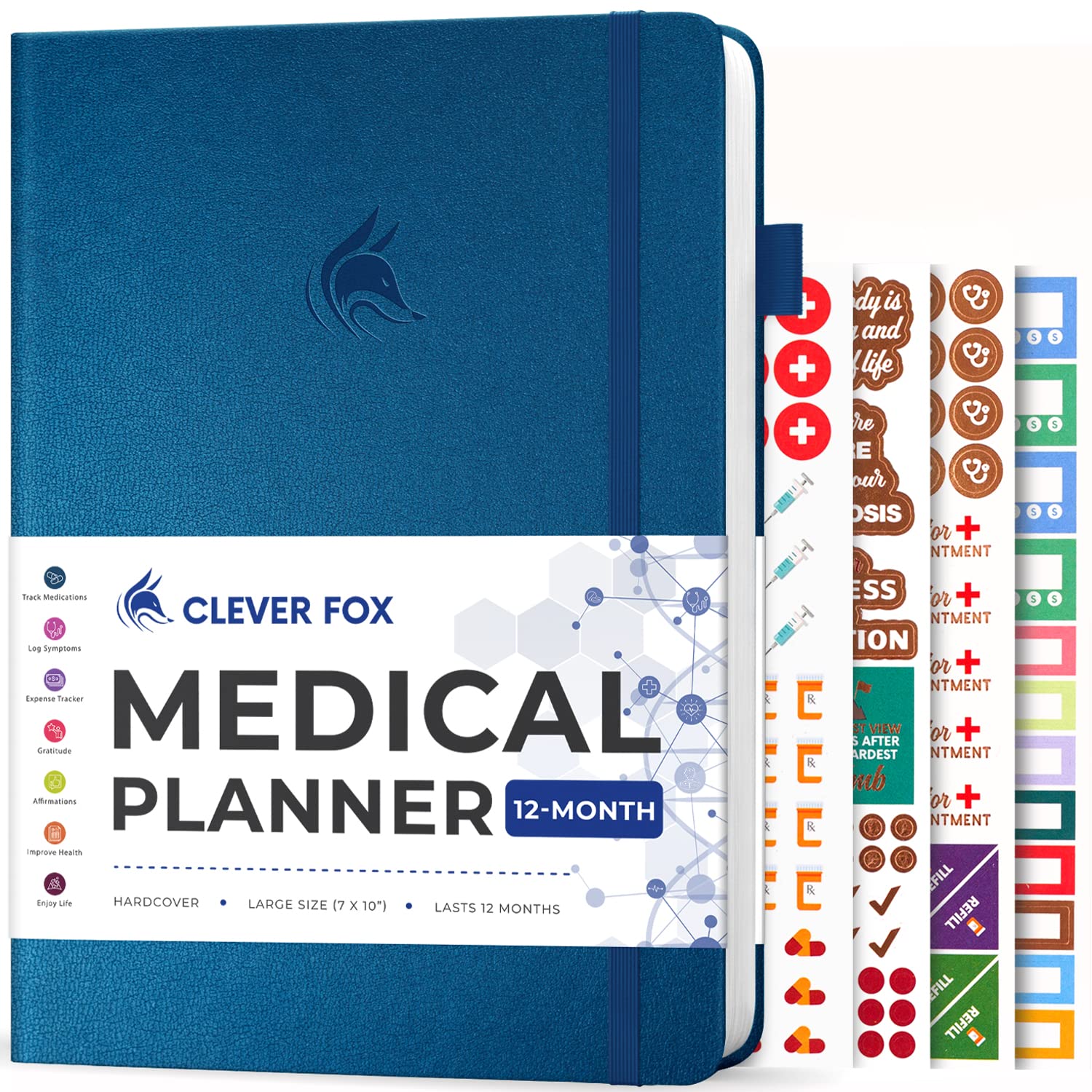
Clever Fox Large Medical Planner 12-Month – Medical Notebook, Health Diary, Wellness Journal & Logbook to Track Health – Self-Care Medical Journal – 12 Months, Undated, 7″ x 10.5″ (Forest Green)
View on AmazonThis quick inventory becomes your comparison checklist.
Step 2: Make network a non‑negotiable
- HMO (Health Maintenance Organization): Requires a PCP referral for most specialists; typically no out‑of‑network coverage except emergencies; tends to have the lowest premiums.
- EPO (Exclusive Provider Organization): No referrals needed; in‑network only (except emergencies); often a middle ground on cost and flexibility.
- PPO (Preferred Provider Organization): Broadest choice and some out‑of‑network coverage; usually higher premiums.
Call your doctor’s office or use the insurer’s directory to confirm they’re “in network” for the exact plan name and year. Network rules change annually.
Step 3: Balance premiums vs. out‑of‑pocket
A few terms, translated:
- Premium: Your monthly payment to keep coverage active.
- Deductible: What you pay out of pocket before insurance shares the cost.
- Copay: A set dollar amount for a service (for example, $30 for a PCP visit).
- Coinsurance: Your percentage of the bill after the deductible (for example, 20%).
- Out‑of‑pocket maximum (MOOP): The most you’ll pay in a plan year for in‑network covered care. After you hit it, the plan pays 100% of covered costs.
Total annual cost = 12 months of premiums + your expected out‑of‑pocket for care (capped by the MOOP). If you anticipate a big procedure or ongoing prescriptions, a higher premium with lower deductible/coinsurance often wins on total cost.
Tip: Compare plans using your actual meds and a realistic number of visits. If you take a name‑brand drug, confirm the tier and prior authorization rules in the plan’s formulary (the insurer’s covered drug list).
For a refresher on terms while you compare, keep this handy: Health Insurance Basics: Plans, Terms, and How to Choose.
What to look for (a quick checklist)
- Your doctors and hospital are in network now
- Your prescriptions are covered at a reasonable tier
- Deductible and MOOP you can truly afford in a worst‑case year
- Reasonable specialist and urgent care copays
- Clear referral rules (HMO vs. EPO vs. PPO) that match your style
- Telehealth and mental health benefits that fit your needs
- HSA compatibility if you want the tax advantages
Plan types explained: what’s actually on the shelf
ACA Marketplace plans (on‑exchange) and metal tiers
On the ACA Marketplace (HealthCare.gov or your state exchange), plans are standardized by “metal” level:
- Bronze: Lowest premiums, highest out‑of‑pocket costs. Best for infrequent care and those who want an HSA‑eligible option.
- Silver: Middle ground premiums and cost sharing. If you qualify for cost‑sharing reductions (CSRs), you must choose a Silver plan to get them.
- Gold: Higher premiums, lower out‑of‑pocket when you use care. Good for ongoing care or several specialist visits.
- Platinum: Highest premiums, very low out‑of‑pocket. Limited availability and typically only worth it if you have heavy, predictable usage.
Premium tax credits (subsidies that lower your monthly premium) are based on your household size and income (modified adjusted gross income, or MAGI) relative to the cost of a “benchmark” Silver plan in your area. More on that below in Costs & Tax Breaks.
HSA‑eligible HDHPs
An HSA‑eligible HDHP (high‑deductible health plan) has an IRS‑defined minimum deductible and maximum out‑of‑pocket. Paired with an HSA, you get triple tax advantages: contributions are tax‑deductible, growth is tax‑free, and withdrawals for qualified medical expenses are tax‑free. Contribution limits change annually—check the current IRS limits for 2026 when you enroll. You must have no other disqualifying coverage to contribute to an HSA.
Who this fits: Healthy self‑employed folks who can fund the HSA and are comfortable with higher upfront costs if something happens. It’s also popular for people who want to build a long‑term “medical IRA” for future expenses.
Short‑term medical plans (gap coverage)
Short‑term plans are not ACA‑compliant. They can deny you for pre‑existing conditions, exclude key benefits (like maternity or mental health), and cap what they’ll pay. In some states they’re limited or not available. They can be a temporary safety net if you truly have a short gap, but they’re not a replacement for comprehensive coverage.
Association plans and PEOs
Association Health Plans (AHPs) and Professional Employer Organizations (PEOs) can sometimes offer access to group‑style coverage. The rules are nuanced and vary by state. If you’re a true solo (no W‑2 employees), you often won’t qualify for small‑group coverage unless your state treats certain associations differently. If you do have W‑2 employees, a PEO or small‑group plan may be competitive—especially if you want a broader network. Read the fine print carefully: benefits can be less standardized than ACA plans.
COBRA
COBRA lets you continue your former employer’s coverage for a limited time (often 18 months) after a qualifying event like leaving your job. You typically pay the full premium plus up to a 2% administrative fee. It keeps your doctors and drugs the same, but it’s frequently more expensive than a subsidized Marketplace plan.
Medicaid and Medicare
- Medicaid: If your household income is low for your state and family size, check Medicaid. Coverage and eligibility vary by state; some states expanded eligibility, others have different thresholds.
- Medicare: At 65 (or earlier with certain disabilities), you generally transition to Medicare. Compare Original Medicare + Medigap + Part D vs. Medicare Advantage. Self‑employment doesn’t change your Medicare options, but your tax situation may affect Part B and D premiums.
If you want a deeper dive on plan categories from a freelancer’s lens, see: Best Health Insurance for Freelancers: Compare Plans, Costs & How to Choose.
Costs, tax breaks, and savings strategies
Your two levers are monthly premium and potential out‑of‑pocket. Taxes add a powerful third lever.
Premium tax credits (PTCs)
PTCs lower your monthly premium for Marketplace plans based on your household size and MAGI. The credit size depends on the cost of the second‑lowest cost Silver plan (the “benchmark”) in your area and your income. You can take the credit monthly to reduce your bill or claim it at tax time.
- As of 2025, enhanced subsidies under federal law kept premiums lower for many households, including those above 400% of the federal poverty level (FPL). For 2026, check current rules during open enrollment because Congress can extend or modify these provisions.
- If your income ends up higher or lower than estimated, the credit is reconciled on your tax return—you may owe some back or receive more.
Cost‑sharing reductions (CSRs)
If your income falls roughly between 100% and 250% FPL (ranges vary by state and household size), CSR benefits can reduce your deductible and copays—but only if you enroll in a Silver plan. It’s often the best value for qualifying self‑employed shoppers who use care regularly.
Deductible timing tactics
- Most plans reset January 1. If you know you’ll have a procedure, bunch elective care in the same calendar year to take advantage of hitting the deductible/MOOP once.
- If you start a plan mid‑year, consider whether you’ll realistically meet the deductible. Sometimes choosing a lower‑premium plan mid‑year makes sense if you won’t use much care.
HSAs: extra tax firepower
- Contributions reduce your taxable income (above‑the‑line deduction), grow tax‑free, and can be spent tax‑free on qualified medical expenses.
- After age 65, HSA withdrawals for non‑medical needs are taxed like traditional IRA withdrawals (no penalty), which adds flexibility.
- Keep receipts: You can reimburse yourself years later for past qualified expenses.
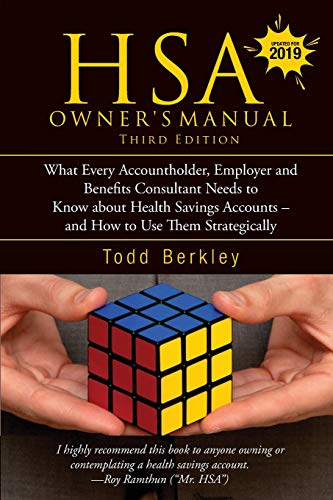
HSA Owners Manual, Third Edition: What Every Accountholder, Employer and Benefits Consultant Needs to Know about Health Savings Accounts – and How to Use them Strategically: Berkley, Todd
This book isthe owner’s manual that did not come with your HSA. If you followthe advice in this book, you’ll keep your HSA in compliancewith current HSA rules and regulations. You’ll also learn abouts
Check Price on AmazonThe self‑employed health insurance deduction
You can typically deduct your health insurance premiums (for yourself, your spouse, and dependents) above the line, up to your net self‑employment income. If you receive PTCs, the interaction gets complex—you can’t “double dip,” and the calculation can be iterative. In most cases, you’ll want a tax pro or reputable software to optimize this.
Canon imageFORMULA R10 - Portable Document ...
Browse scanner solutions for every need—from personal document digitization to professional business scanning operations.
Check Price on AmazonRetirement contributions and subsidies
Contributing to a SEP‑IRA or solo 401(k) can lower your MAGI, which may increase your premium tax credit. This is a powerful planning lever for self‑employed people, but it must be coordinated carefully so you don’t overshoot your target income. Again, worth a quick conversation with a CPA.
This section is general education, not tax advice. Tax rules change and depend on your situation.
Estimated cost examples (illustrative only; your quotes will vary)
- 35‑year‑old solo graphic designer in Texas, non‑smoker, no chronic conditions:
- Bronze HSA‑eligible plan: Before subsidy, commonly $320–$480/month. If income is ~250% FPL, net premium after PTC might land around $140–$250/month.
- Silver plan (no CSR): Before subsidy, $380–$560/month; with PTC at the same income, roughly $170–$300/month.
- 42‑year‑old consultant in New Jersey with one brand‑name medication:
- Gold plan: Before subsidy, $520–$780/month. With NJ’s state subsidy plus federal credits (if eligible), net could be materially lower—sometimes in the $250–$450 range.
- Family of three in California, income near 200% FPL:
- Silver CSR plan: Deductible and copays can be significantly reduced. Premiums after federal + state support may be a few hundred dollars per month, depending on county and carrier.
These are ballparks based on recent market patterns. The only way to know your price: compare live quotes with your household details.
State rules, subsidies, and where to enroll
Where to shop
- HealthCare.gov serves most states. Some states run their own marketplaces—examples include California, Colorado, Massachusetts, New Jersey, Pennsylvania, and Washington.
- Many states allow you to use licensed brokers or web‑based enrollment partners to compare on‑exchange plans at the same price you’d see on the Marketplace.
State‑level subsidies
Beyond federal PTCs, several states add extra help. Availability and amounts change, but examples include:
- California: State funding that can reduce premiums and, in some years, out‑of‑pocket costs for qualifying enrollees.
- New Jersey: “Health Plan Savings” that lowers premiums for many residents.
- Massachusetts: ConnectorCare with enhanced cost‑sharing for eligible incomes.
- Washington and Colorado: State programs in certain tiers to reduce premiums for lower‑income enrollees.
Always check your state’s current rules during open enrollment.
Enrollment windows
- Open Enrollment generally runs from early November to mid‑January. Some states open earlier or extend later.
- Special Enrollment Periods (SEPs) apply if you have a qualifying life event—losing other coverage, moving, marriage, birth/adoption, or a big change in income.
- In many states, households under certain income thresholds have ongoing SEPs and can enroll year‑round.
Want a side‑by‑side of your choices and next steps tailored to self‑employed life? See: Health Insurance Options for the Self‑Employed: Compare Plans, Costs, and Next Steps.
Step‑by‑step comparison checklist and how to get quotes
Here’s how to compare plans like a pro—no spreadsheet gymnastics required.
Build your short list (10–15 minutes)
- Enter your info on the Marketplace or with a licensed broker and filter by your doctors/hospitals in network.
- Star 3–5 plans across different metal tiers (for example, Bronze HSA, Silver, and Gold) from carriers you recognize.
- Download plan documents: Summary of Benefits and Coverage (SBC), provider directory link, and the drug formulary.
Compare side‑by‑side
- Monthly premium
- Deductible and out‑of‑pocket maximum
- PCP/specialist/urgent care copays or coinsurance
- Tier and rules for your prescriptions (prior authorization, quantity limits)
- HMO vs. EPO vs. PPO rules (referrals, out‑of‑network options)
- HSA‑eligible? (if that matters to you)
- Extra perks you’ll actually use (virtual care, wellness, fitness, mental health)
Questions to ask an agent or broker
- Are my doctors and this hospital in network for this exact plan ID?
- What would my typical visit cost before I hit the deductible (PCP, specialist, urgent care)?
- How are my specific medications covered? Any prior auth or step therapy?
- If I travel, what happens for urgent or emergency care out of state?
- If my income changes mid‑year, can we update my subsidy? How does that affect my monthly premium?
- If I qualify for cost‑sharing reductions, which Silver plan has the best balance of low deductible and network?
What documents you’ll need to enroll
- Address and basic identity info for everyone enrolling
- Social Security numbers (or document numbers for legal immigrants)
- Prior‑year tax info and your best estimate of this year’s self‑employment income
- Details of current or recent coverage (if applicable)
- Employer info for anyone in the household who has an offer of coverage
CTA: The fastest way to see what you would actually pay is to compare quotes from 3–5 carriers side by side. A licensed broker can do this at no extra cost to you.
Real‑world case studies (illustrative)
These snapshots are not quotes—just realistic examples to show how choices play out. Actual prices vary by state, age, tobacco status, and household income.
1) Solo freelancer, healthy, wants savings and flexibility
- Who: 35‑year‑old web developer in Texas, non‑smoker, no regular meds.
- Options compared: Bronze HSA‑eligible HDHP vs. Silver plan.
- Why they chose HDHP: Premium was roughly $120/month less after subsidy. They opened an HSA and set automatic monthly contributions. They liked the broad urgent care network and telehealth.
- Annual outlook: If they have a light‑use year, total cost is materially lower. If a big expense hits, the out‑of‑pocket max is higher than Silver, but the HSA balance softens the blow.
2) Small business owner with 2 employees
- Who: 45‑year‑old marketing consultant in Colorado who recently hired two W‑2 employees.
- Options compared: Individual Silver plan for the owner + QSEHRA (Qualified Small Employer Health Reimbursement Arrangement) to reimburse employees vs. moving to a small‑group plan through a broker.
- Why they chose small‑group: The group plan offered a strong regional PPO network employees preferred, and the employer contribution was tax‑advantaged. The owner’s premium was higher than a subsidized individual plan, but employee retention benefits were worth it.
- Tip: If you hire W‑2 staff, explore small‑group plans, ICHRAs/QSEHRAs, and PEOs. Rules vary by state; a broker can model costs both ways.
3) Gig worker with variable income and ongoing prescriptions
- Who: 28‑year‑old rideshare driver in New Jersey taking a brand‑name inhaler.
- Options compared: Silver CSR plan vs. Gold plan.
- Why they chose Silver CSR: With state and federal subsidies, the net premium was close to a lower‑benefit plan, but the CSR significantly cut their deductible and specialist copays. Their inhaler landed on a favorable tier.
- Annual outlook: Predictable copays and lower deductible meant fewer “surprise” bills during busier months.
Next steps and call to action
- Price your real options: Get live quotes with your doctors and prescriptions loaded. Compare 3–5 plans so you can see the trade‑offs in black and white.
- Ask a licensed broker for help: It doesn’t cost you extra, and a good one will flag gotchas in networks and drug coverage.
- Have your documents ready: SSNs, income estimate, and any current coverage info.
- Mark enrollment dates: Open enrollment typically runs Nov–Jan, with special enrollment available for qualifying life events and, in many states, year‑round for certain income levels.
Helpful starting point for independent workers: Health Insurance Options for the Self‑Employed: Compare Plans, Costs, and Next Steps.
If you’re still learning the lingo, keep this at hand while you shop: Health Insurance Basics: Plans, Terms, and How to Choose.
The fastest way to see what you would actually pay is to compare quotes from 3–5 carriers. A licensed agent can walk you through options and file the application with you.
Quick FAQs
- Can I write off my premiums? Typically yes, via the self‑employed health insurance deduction (up to your net self‑employment income). If you get premium tax credits, the calculation is nuanced—talk to a tax pro.
- What if my income changes mid‑year? Update your Marketplace application. Your premium tax credit adjusts going forward, and everything is reconciled at tax time.
- Are 1099 contractors eligible for group coverage? If you’re a solo 1099 without W‑2 employees, you’re usually shopping the individual market. If you hire W‑2 staff, explore small‑group and HRA options.
- Can I get coverage immediately? Marketplace coverage generally starts the first of the month after you enroll (or later during open enrollment). Short‑term plans can sometimes start sooner, but they’re not comprehensive.
- What if I move to a different state? Moving usually triggers a Special Enrollment Period. Shop plans in your new ZIP code and re‑evaluate networks and subsidies.
This guide is for education, not tax, legal, or individualized insurance advice. For personal recommendations, speak with a licensed agent in your state.
Recommended Resources
HSA Owners Manual, Third Edition: What Every Accountholder, Employer and Benefits Consultant Needs to Know about Health Savings Accounts – and How to Use them Strategically: Berkley, Todd
This book isthe owner’s manual that did not come with your HSA. If you followthe advice in this book, you’ll keep your HSA in compliancewith current HSA rules and regulations. You’ll also learn abouts
Clever Fox Large Medical Planner 12-Month – Medical Notebook, Health Diary, Wellness Journal & Logbook to Track Health – Self-Care Medical Journal – 12 Months, Undated, 7″ x 10.5″ (Forest Green)
Unexpected healthcare bills can put a large dent in your finances. Be prepared and manage your expenses well with the medical expense tracker. Blood pressure, lab tests, insurance providers, and medic
Canon imageFORMULA R10 - Portable Document ...
Browse scanner solutions for every need—from personal document digitization to professional business scanning operations.
Related Articles
- Health Insurance Options for the Self‑Employed: Compare Plans, Costs, and Next Steps
- Best Health Insurance for Freelancers: Compare Plans, Costs & How to Choose
- Affordable Health Insurance for the Self‑Employed: How to Lower Costs and Find the Right Plan
- Health Insurance Plans for Freelancers: Options, Costs, and How to Choose
- Health Insurance for Freelancers: Find Affordable Coverage, Use Subsidies, and Enroll with Confidence
- Health Insurance for Small Businesses: What Owners Need to Know
- Best Health Insurance for Families: How to Compare Plans and Choose the Right Coverage
- Health Insurance Tax Deductions: What You Can Deduct, How to Calculate It, and How to Claim It