
Affordable Health Insurance for the Self‑Employed: How to Lower Costs and Find the Right Plan
You’re self‑employed, the quotes look high, and you’re asking: what’s the smartest path to affordable health insurance for self‑employed people like me? Here’s what actually matters, where to find savings, and how to avoid nasty surprises at tax time.
Note: This guide is educational. Health and tax rules change, and individual situations vary. Consider speaking with a licensed agent for coverage guidance and a qualified tax pro for MAGI and deduction questions.
Your main coverage pathways (and who each is best for)
There isn’t one “right” way to get affordable health insurance for self‑employed workers. The right path depends on your income, household size, health needs, and state. Here are the core options with plain‑English pros, cons, and best‑fit scenarios.

J.K. Lasser's Small Business Taxes 2026: Your Complete Guide to a Better Bottom Line
Fully updated for changes in the One Big Beautiful Bill Act (OBBBA), J.K. Lasser’s Small Business Taxes 2026 by award-winning attorney and small business taxation expert Barbara Weltman <strong>shows
Check Price on Amazon1) ACA Marketplace plans with premium tax credits
What it is: Individual health plans sold on Healthcare.gov or your state exchange. They’re ACA‑compliant (cover essential health benefits, have no pre‑existing condition exclusions) and may qualify for premium tax credits (monthly discounts based on income) and cost‑sharing reductions (lower deductibles and copays for some enrollees) when you pick certain plan levels.
- Pros
- Typically the most reliable path to lower premiums via income‑based subsidies (premium tax credits)
- Comprehensive coverage and consumer protections (no health questions)
- Possible extra savings on deductibles and out‑of‑pocket costs if you qualify for cost‑sharing reductions (must enroll in a Silver plan)
- Cons
- Provider networks can be narrow (fewer doctors/hospitals)
- Subsidy eligibility depends on your estimated annual income and household size; changes mid‑year can affect what you owe or get back at tax time
- Best for
- Most solo entrepreneurs and freelancers who qualify for income‑based help and want strong, standardized coverage
Helpful next step: See how Marketplace plans and quotes work and how to compare options: Health Insurance Marketplace: How to Compare Plans & Get Quotes
2) Coverage through a spouse or partner’s employer
What it is: You join your spouse’s employer plan as a dependent.
- Pros
- Often strong networks and predictable costs
- Premiums may be partially subsidized by the employer
- Cons
- Your eligibility for Marketplace subsidies can be limited if the employer plan is considered “affordable” under IRS rules for the family
- You’re tied to the employer’s plan design and network
- Best for
- Self‑employed people with access to an employer plan that offers decent benefits and manageable premiums for dependents
Tip: The “affordability” test for dependents is based on the cost of family coverage under current IRS rules. If the employer plan is truly pricey for dependents, you may still be subsidy‑eligible on the Marketplace. It’s worth checking both paths.
3) Medicaid (and CHIP for kids)
What it is: Public coverage for low‑to‑moderate income households. Eligibility varies by state.
- Pros
- Very low or no premiums
- Comprehensive coverage; CHIP often has robust pediatric benefits
- Cons
- Income thresholds and provider availability vary by state
- Best for
- Households whose Modified Adjusted Gross Income (MAGI) falls within state limits, including those with variable or seasonal self‑employment income
Note: You can apply for Medicaid/CHIP year‑round.
4) Off‑exchange ACA plans (direct from insurers)
What it is: ACA‑compliant plans bought directly from a carrier or broker, but not through the Marketplace.
- Pros
- Occasionally, a carrier sells a plan off‑exchange that fits your doctors or prescriptions better
- Cons
- No premium tax credits or cost‑sharing reductions off‑exchange
- Best for
- Self‑employed buyers who don’t qualify for subsidies and need a particular network or design not sold on the exchange
5) Short‑term or limited‑duration plans
What it is: Non‑ACA coverage that typically lasts a few months (duration and renewals vary by state). Often requires health questions.
- Pros
- Typically lower premiums than ACA plans
- Can be a temporary bridge between major coverage
- Cons
- Usually excludes pre‑existing conditions and many essential services (maternity, mental health, prescriptions may be limited)
- Benefits and consumer protections vary widely by state; not meant as long‑term coverage
- Best for
- Healthy people who need temporary coverage and fully understand the limits
6) Association or group plans
What it is: Plans offered through trade groups or professional associations. Some are fully insured, some are “multiple employer” arrangements. Rules and protections vary.
- Pros
- Potentially lower premiums due to group purchasing power
- Cons
- Benefits and protections can differ from ACA standards; read exclusions carefully
- Availability and regulatory oversight vary by state and association
- Best for
- Self‑employed individuals who belong to a reputable association offering strong, transparent benefits at a real discount
Quick refresher on key terms you’ll see:
- Deductible: The amount you pay out of pocket before insurance starts covering most services.
- Copay: A fixed dollar amount you pay for a service (like $30 for a primary care visit).
- Coinsurance: The percentage of costs you pay after the deductible (for example, 20%).
- Out‑of‑pocket maximum: The most you’ll pay in a year for covered, in‑network care. After you hit it, the plan pays 100% of covered in‑network services.
Want a quick overview of your pathways as a solo business owner? See: Health Insurance Options for the Self‑Employed: Compare Plans, Costs, and Next Steps
How Marketplace subsidies work when you’re self‑employed
Premium tax credits (PTCs) reduce your monthly premium for ACA Marketplace plans. The size of your credit is based on:
- Your household’s MAGI (Modified Adjusted Gross Income) for the coverage year
- Household size
- The cost of the “benchmark” plan where you live (the second‑lowest‑cost Silver plan)
Cost‑sharing reductions (CSRs) are extra savings that lower your deductible, copays, and out‑of‑pocket maximum if your income is within specific ranges and you enroll in a Silver plan. CSRs don’t apply to Bronze, Gold, or Platinum plans.
What counts in MAGI when you’re self‑employed
For ACA purposes, MAGI typically equals your Adjusted Gross Income (AGI) plus a few add‑backs (like tax‑exempt interest, certain foreign income, and non‑taxable Social Security). As a self‑employed filer, your AGI already reflects your net business income after ordinary and necessary expenses.
Important: The self‑employed health insurance deduction (the ability to deduct your own premiums) interacts with the premium tax credit. It’s circular: the deduction lowers your MAGI, which can increase your PTC, which then can change the deductible amount you can claim. Tax software usually iterates this, but this is a spot where a tax pro earns their keep.
Estimating your income without getting burned
- Start with last year’s Schedule C (or K‑1/W‑2 if you pay yourself from an S‑Corp or C‑Corp) and adjust for what’s changed: new clients, pricing, seasonality.
- Build a simple monthly forecast: projected revenue minus expected business expenses.
- Revisit your estimate quarterly. If income climbs, update your Marketplace application to reduce the chance of owing back a portion of the credit at tax time. If income drops, update it to increase your monthly discount.
- Include all household income for people on your tax return (spouse, dependents with income) when calculating MAGI.
Practical tip: Keep a running year‑to‑date profit and loss (P&L). A basic spreadsheet with monthly totals is fine. It helps you adjust your income estimate and back up your numbers if the Marketplace requests proof.
Two quick scenarios
- Solo designer, age 38, household of 1, projected 2026 MAGI of $36,000: Typically within subsidy range in most areas. They’d compare Bronze vs. Silver carefully—Bronze may have a lower premium, but Silver might unlock CSRs that lower the deductible and out‑of‑pocket maximum, changing the total annual cost equation.
- Married freelancer with two kids, projected MAGI of $78,000: They’ll check both the spouse’s employer plan costs and the Marketplace with family subsidies. Depending on premiums and the affordability test for dependents, either path could win on total cost.
Remember: Actual subsidy amounts vary by state, county, plan prices, and household details. Use the Marketplace preview tool in your state to get a tailored estimate.
Cost‑saving strategies that actually work for solo business owners
Affordable health insurance for self‑employed people isn’t just about the sticker premium. It’s about the total cost: premiums plus what you’ll realistically spend when you use care.
1) Balance premiums vs. deductibles using your real usage
- If you rarely see doctors and mostly want protection from big bills, a lower‑premium Bronze plan can make sense. Just confirm the out‑of‑pocket maximum (your worst‑case annual spend) is tolerable.
- If you expect regular care, brand‑name prescriptions, or specialist visits, a Silver or Gold plan may cost more upfront but reduce total spend through lower deductibles, lower copays, and better coinsurance.
- Use last year’s medical usage as a proxy: count visits, recurring prescriptions, and any planned procedures. Then compare two or three plan designs side‑by‑side on total expected annual cost.
2) Consider an HSA with an HSA‑eligible HDHP
An HSA (Health Savings Account) pairs with an HSA‑eligible high‑deductible health plan (HDHP). Key benefits:
- Triple tax advantage: contributions are tax‑deductible, growth is tax‑deferred, and withdrawals are tax‑free for qualified medical expenses
- Funds roll over year to year and are yours to keep
When it fits: You’re comfortable handling a higher deductible if needed, you want to build a “medical rainy‑day fund,” and your prescriptions are affordable with negotiated rates. Verify the plan is HSA‑eligible (not all high‑deductible plans qualify).
3) Use telemedicine and virtual‑first plans
Many carriers now offer $0 or low‑cost telehealth for primary care and mental health. Some “virtual‑first” plans require starting with telemedicine before in‑person referrals, trading convenience for lower premiums. If most of your care is routine and you’re fine starting online, these plans can trim costs.
4) Choose a narrower network when your providers are in it
HMO and EPO networks are “narrower” (fewer doctors/hospitals) than PPOs but typically cost less. If your preferred primary care and key specialists are in a narrow network, you might save without sacrificing care. Just know that out‑of‑network care usually isn’t covered except emergencies.
5) Optimize prescription costs
- Check the plan’s formulary (the covered drug list) and tiering. A Tier 2 drug on one plan might be Tier 3 on another—big cost difference.
- Ask your doctor about generics or therapeutic alternatives.
- Use mail‑order for maintenance meds when it’s cheaper.
6) Leverage preventive care and wellness benefits
ACA plans cover many preventive services at $0 in‑network, even before you meet the deductible—annual checkups, many vaccines, certain screenings. Catching issues early lowers long‑term costs. Some plans also discount gym memberships or offer rewards for health activities.
7) Understand QSEHRA/ICHRA if you hire
- QSEHRA (Qualified Small Employer HRA): A small employer reimbursement arrangement that lets you reimburse employees tax‑free for individual premiums and medical costs, up to annual limits.
- ICHRA (Individual Coverage HRA): A more flexible reimbursement arrangement that can vary by employee class.
When these help: If you’re growing beyond a true “solo” setup and want to help employees buy their own coverage without running a group plan. As a one‑person sole proprietor with no W‑2 employees, you generally can’t set up an HRA just for yourself (C‑corp owner‑employees are a notable exception—talk to a tax pro).
Bonus: The self‑employed health insurance deduction can reduce your taxable income if you pay your own premiums. The deduction can’t exceed your net self‑employment income and interacts with the premium tax credit; get advice if you’re in subsidy territory.
For more tactics to lower costs, see: Finding Affordable Health Insurance Plans: A Practical Guide to Lower Costs and Better Coverage
How to compare and choose an affordable plan
Here’s a quick, practical framework to shortlist plans and enroll with confidence.
What to look for (a simple checklist)
- Total annual cost: Add annual premiums plus your realistic out‑of‑pocket costs based on your expected care. Don’t chase the lowest premium if it blows up at the pharmacy or specialist.
- Network fit: Confirm your primary care doctor, key specialists, and preferred hospitals are in‑network. Many insurer sites have a provider search—double‑check directly with the clinic, too.
- Drug coverage: Verify your medications are on the formulary and note the tier and any prior authorization or quantity limits.
- Out‑of‑pocket maximum: Know your worst‑case number. This is the backstop protecting your business and savings from a major claim.
- Referrals and rules: Some HMOs/virtual‑first plans require referrals. If you value direct specialist access, weigh that.
- Extra benefits: Telehealth, mental health networks, dental/vision add‑ons, fitness and wellness perks—these can tip a close decision.
Enrollment windows and qualifying life events
- Open Enrollment: Typically once a year (timing varies by state). If you miss it, you usually need a qualifying life event to enroll.
- Special Enrollment Periods (SEPs): Moving, losing other coverage, marriage, birth/adoption, and certain income changes can trigger a 60‑day window to enroll or change plans. Keep documentation.
- Year‑round: Medicaid/CHIP applications and, in most states, short‑term plans are available outside Open Enrollment.
Documents you may need
- Proof of identity and residency
- Prior‑year tax return and/or recent 1099s
- Year‑to‑date P&L or other income proof
- Immigration or citizenship documents if applicable
- For SEPs: proof of the life event (loss of coverage letter, marriage certificate, lease, etc.)
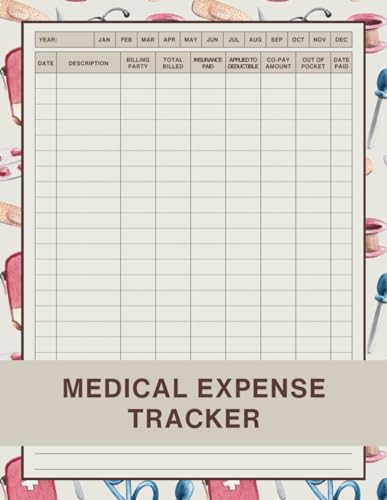
Medical Expense Tracker: A Record Logbook for Keeping Track Your Medical Spending, Bills, and Payment All in One Place | Health Expense Organizer: Media, Tylissa A.: Amazon.com
View on AmazonWhen to get personalized quotes and help
- If you’re within shouting distance of subsidy eligibility
- If you take brand‑name medications or see multiple specialists
- If you’re choosing between spouse coverage and the Marketplace
- If you’re considering an HSA or a narrow network and want to sanity‑check provider access
The fastest way to see what you’d actually pay is to compare quotes from 3–5 carriers side‑by‑side. You can start with the exchange, then check any off‑exchange options that might have better provider fit. A licensed, fee‑free broker can help you compare—your premium is typically the same whether you use a broker or not.
Explore plan types and picks for solo workers: Best Health Insurance for the Self‑Employed (2026 Guide)
Common pitfalls to avoid
- Guessing low on income to get a bigger subsidy. If your actual MAGI is higher, you may repay some or all of the credit at tax time.
- Ignoring the formulary. A great premium can be wrecked by non‑covered or high‑tier meds.
- Overlooking the out‑of‑pocket maximum. This number protects you from catastrophic bills—don’t skip it.
- Assuming short‑term plans work like ACA coverage. They don’t. Read exclusions carefully.
- Not checking your doctors. Network changes happen; verify for the new plan year.
Quick personalized next step
- Use your state Marketplace preview tool to estimate subsidy and plan prices.
- Shortlist 2–3 plans using the checklist above.
- Then compare quotes from a few carriers or work with a licensed agent to confirm networks and drug coverage and to enroll smoothly. It’s the fastest way to validate what you’ll actually pay.
If you want a deeper dive on your choices as a solo owner, this overview can help: Health Insurance Options for the Self‑Employed: Compare Plans, Costs, and Next Steps
A quick note on advice
Insurance and taxes are personal. A short conversation with a licensed health insurance agent can reveal options you might miss, and a tax professional can help you estimate MAGI, handle the self‑employed health insurance deduction, and avoid subsidy surprises.
Ready to find your fit?
- Get an estimate on the Marketplace to see subsidy eligibility
- Compare 3–5 carrier quotes for network and drug fit
- Pick a plan that balances premium, deductible, and out‑of‑pocket maximum for your real usage
- Enroll during Open Enrollment or your SEP window, and upload documents promptly
When you’re self‑employed, every dollar counts. With the right plan and a couple of smart levers—HSA where it fits, telehealth, tight networks when your doctors are in them—you can cut costs without cutting care.
Looking for a step‑by‑step comparison approach? Start here: Health Insurance Marketplace: How to Compare Plans & Get Quotes
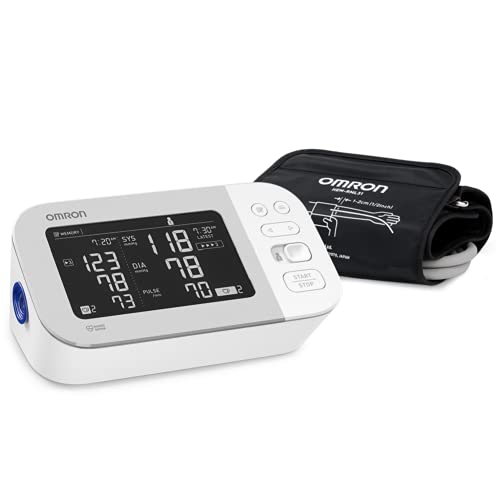
OMRON Platinum Blood Pressure Monitor, Upper Arm Cuff, Digital Bluetooth Blood Pressure Machine, Stores Up To 200 Readings for Two Users (100 readings each) : Everything Else
View on AmazonRecommended Resources
J.K. Lasser's Small Business Taxes 2026: Your Complete Guide to a Better Bottom Line
Fully updated for changes in the One Big Beautiful Bill Act (OBBBA), J.K. Lasser’s Small Business Taxes 2026 by award-winning attorney and small business taxation expert Barbara Weltman <strong>shows
Medical Expense Tracker: A Record Logbook for Keeping Track Your Medical Spending, Bills, and Payment All in One Place | Health Expense Organizer: Media, Tylissa A.: Amazon.com
<strong>Medical Spending Record</strong>: A Logbook for Keeping Track Your Medical Expenses, Bills, and Payment All in One Place | Health Expense Organizer
OMRON Platinum Blood Pressure Monitor, Upper Arm Cuff, Digital Bluetooth Blood Pressure Machine, Stores Up To 200 Readings for Two Users (100 readings each) : Everything Else
The OMRON Platinum Upper Arm Monitor, complete with D-Ring cuff, <strong>provides unlimited memory, stores 200 total blood pressure readings for 2 users</strong>, works with the free OMRON Connect app
Related Articles
- Health Insurance Options for the Self‑Employed: Compare Plans, Costs, and Next Steps
- Best Health Insurance for Freelancers: Compare Plans, Costs & How to Choose
- Best Health Insurance for the Self-Employed (2026 Guide)
- Health Insurance for Freelancers: Find Affordable Coverage, Use Subsidies, and Enroll with Confidence
- Health Insurance Plans for Freelancers: Options, Costs, and How to Choose
- Finding Affordable Health Insurance: Smart Ways to Lower Costs and Get Covered
- Finding Affordable Health Insurance Plans: A Practical Guide to Lower Costs and Better Coverage
- Health Insurance with Low Premiums: How to Save Smartly and Avoid Costly Surprises