
Cheapest Health Insurance for Students: Smart Ways to Cut Costs Without Losing Coverage
You’re a student, money is tight, and you just want solid coverage that won’t drain your budget. If you’re hunting for the cheapest health insurance for students, here’s what actually matters: the plan types students can qualify for, how “cheap” plans shift costs onto you in other ways, and practical steps to keep what you spend under control without sacrificing care you’ll actually use.
Cheapest health insurance for students: your main options
There isn’t one “best” plan for every student, but there are several low-cost paths most students should check first.
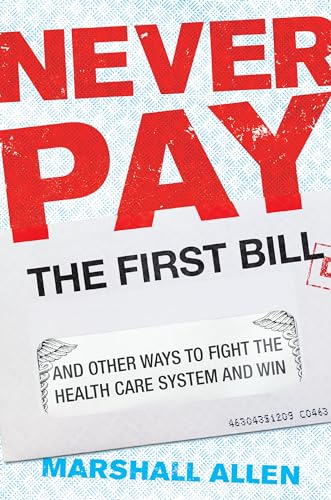
Never Pay the First Bill: And Other Ways to Fight the Health Care System and Win: Allen, Marshall
Drawing on 15 years of investigating the health care industry, reporter Marshall Allen <strong>shows how companies and individuals have managed to force medical providers to play fair, and shows how y
Check Price on Amazon1) Stay on a parent’s plan (usually until age 26)
- Who’s eligible: In most cases, you can stay on a parent’s employer plan or individual plan until you turn 26—regardless of whether you live at home, are financially dependent, or even married. (Your spouse/child isn’t automatically covered.)
- Why it’s cheap: Your parent’s employer often picks up part of the premium (the monthly cost to keep coverage). Your share may be far less than buying your own plan.
- Watch for: Network fit. Many employer plans are HMOs or regional EPOs. If you go to school far from home, the doctors near campus may be out of network (not contracted with your plan), which can mean higher bills or no coverage for non‑emergencies. Call the plan and search the provider directory for clinics near campus before you rely on this option. Some schools require proof your plan covers routine care locally to waive the school plan.
2) University-sponsored Student Health Plans (SHPs)
- What they are: Group plans negotiated by your college. Costs are often rolled into your tuition/fees by term.
- Why they’re appealing: Student plans typically meet Affordable Care Act (ACA) standards, which means they cover essential health benefits like preventive care, mental health, prescriptions, and emergency care. Networks are usually strong around campus clinics and partner hospitals.
- Cost notes: Premiums can look high when billed by semester, but they often include robust local networks and low copays (a flat fee you pay for a visit). Factor in how often you’ll use campus health and mental-health services.
- Watch for: Coverage dates (do they end over summer?), referral requirements for off-campus specialists, and annual limits on services like counseling sessions.
3) ACA Marketplace plans (Bronze, Silver, and Catastrophic)
- Where to shop: Healthcare.gov or your state Marketplace.
- Subsidies: Many students qualify for premium tax credits (a monthly discount based on income and household size). Lower incomes may also unlock cost-sharing reductions (lower deductibles and copays) when you choose a Silver plan. Actual savings vary by state and your tax household.
- Plan tiers:
- Bronze: Lowest premiums, higher deductibles (the amount you pay out of pocket before insurance starts paying for most services) and higher out-of-pocket costs. Good for “I mostly need catastrophic protection” cases.
- Silver: Middle ground; if you qualify for cost-sharing reductions, Silver often becomes the best value because your deductible and copays can drop significantly.
- Catastrophic: Available to people under 30 or with a hardship/affordability exemption. Very low premiums, very high deductibles, and generally no premium tax credits apply to these plans.
- Watch for: Provider networks near campus, your prescriptions on the plan’s formulary (the list of covered meds), and whether you might get more value from a subsidized Silver than a bare-bones Bronze.
4) Medicaid (and CHIP for younger students)
- Who’s eligible: Eligibility depends on your state and income. In states that expanded Medicaid, many low-income adults—including students—qualify. Enrollment is open year-round.
- Why it’s cheap: Premiums are typically $0 and copays are minimal.
- Watch for: Network access near campus and whether your student health center accepts Medicaid. If you move between states for school, you’ll need to reapply in your new state.
5) Short-term health plans (use caution)
- What they are: Temporary, non-ACA plans meant to bridge brief gaps. They often exclude preexisting conditions, mental health, maternity, and prescriptions, and they can cap how much they’ll pay.
- Why they look cheap: Very low premiums.
- Real risks: These plans can deny or rescind coverage if a condition appears “preexisting,” and they often don’t count as qualifying coverage for school waiver rules. Federal and state rules limit how long you can have them; some states ban or tightly restrict them. If you do consider one, read the exclusions line-by-line.
What “cheap” really costs: trade-offs to understand
Low monthly premiums can be great—until you actually need care. Here’s how to read the fine print so you don’t get surprised.
- Premium: The monthly price to keep your plan active.
- Deductible: What you must pay out of pocket before your plan pays for most services (preventive care is usually covered even before the deductible).
- Copay: A flat dollar amount you pay for a service, like $20 for a primary care visit.
- Coinsurance: Your share of costs after the deductible, expressed as a percentage (e.g., you pay 20%, the plan pays 80%).
- Out-of-Pocket Maximum (OOP max): The most you’ll pay in a year for covered, in-network care. Hit this number, and the plan pays 100% of covered services for the rest of the year.
- Network: The doctors and facilities that have negotiated rates with your plan. In-network care is much cheaper than out-of-network care in most cases.
How these interact:
- Bronze plan example: Premium might be low, but a deductible of several thousand dollars means you’ll pay for most routine care yourself. A great fit if you rarely need care and want protection from big bills.
- Silver with cost-sharing reductions: Slightly higher premium, but often far lower deductible and copays if your income qualifies—this can slash what you pay for common services like mental-health therapy or specialist visits.
- Student Health Plan: Premium may seem mid-to-high, but if it includes generous mental health benefits, easy access to campus providers, and low copays, your total annual spend might be lower than a cheaper Bronze plan.
Access and convenience matter:
- If your parent’s HMO doesn’t have in-network doctors near campus, routine care could be out of network—meaning higher costs or no coverage except for true emergencies. Paying a bit more for a plan with a strong local network can save you money and hassle.
- Prescriptions: Check the formulary. A cheap plan that puts your ADHD medication on a high tier could cost more overall than a slightly pricier plan with better drug coverage.
Real-world pricing snapshots (illustrative only; your rates will vary):
- A 21-year-old student shopping a Bronze plan with subsidies might see net premiums anywhere from $0 to $80/month depending on income and state. Without subsidies, Bronze premiums could be a few hundred dollars per month.
- Student health plans might run $1,000–$2,500 per semester depending on school and coverage level, but frequently include lower copays and robust local networks.
- Medicaid, if you qualify, is typically $0 with very low copays.
Smart ways to lower student health costs right now
- Use ACA subsidies if you qualify
- Premium tax credits reduce your monthly premium based on your household income and tax filing. If someone claims you as a dependent, their income counts. If not, your income may qualify you on your own.
- Cost-sharing reductions on Silver plans can shrink your deductible and copays if your income is within certain ranges. If you use care, a discounted Silver plan can be cheaper than a rock-bottom Bronze.

Safety First Aid Group Economy First Aid Kit BS 8599 Compliant, Small Fully Stocked
View on Amazon- Time your enrollment to avoid gaps
- Marketplace Open Enrollment typically runs in late fall to mid-January (varies by state). Missed it? You may qualify for a Special Enrollment Period if you lose other coverage (aging off a parent’s plan, losing student plan), move to a new ZIP code/state, get married, or have other qualifying life events.
- Medicaid is open year-round. Student health plans usually have enrollment windows tied to academic terms.
- Use campus health centers first
- Many schools include low- or no-cost primary care, mental health counseling, immunizations, and sexual health services at the student health center—even if you’re on a non-school plan. Learn what’s included before you pay elsewhere.
- Stick to in-network providers and facilities
- Use your plan’s provider directory, filter by location near campus, and call to confirm they’re still in network before your visit. Out-of-network bills are a common (and avoidable) budget-buster.
- Optimize prescriptions
- Ask about generics, 90‑day supplies, or mail order. Compare prices at different pharmacies. Some plans have preferred pharmacies with lower copays. Manufacturer savings programs can lower costs even when you have insurance.
- Consider an HSA with a High-Deductible Health Plan (HDHP)
- An HSA (Health Savings Account) lets you set aside pre-tax dollars for eligible medical expenses, but only if you enroll in an HSA‑eligible HDHP. If a parent or employer contributes to your HSA, that’s real savings. Note: You generally can’t have a general-purpose FSA and an HSA at the same time.
- Check employer or spouse coverage
- If you work part-time for a large employer (or your spouse/partner does), compare the employee plan. If it’s considered affordable and meets minimum standards, you generally can’t get Marketplace subsidies—but the employer plan could still be your cheapest path.
- Use telehealth smartly
- Many student plans and Marketplace plans include $0–low-cost telehealth for routine care and mental health. It’s convenient and usually cheaper than in-person.
- Avoid junk coverage
- A low monthly price isn’t a deal if the plan won’t pay when you need it. Be wary of short-term or “fixed indemnity” plans that cap payouts, exclude common student needs, or deny preexisting conditions.
Call to action: The fastest way to see what you would actually pay is to compare quotes from 3–5 carriers side-by-side. It takes minutes and can reveal subsidies and plan differences you won’t spot from a single quote.
How to compare plans: what to look for
Use this checklist when you line plans up next to each other.
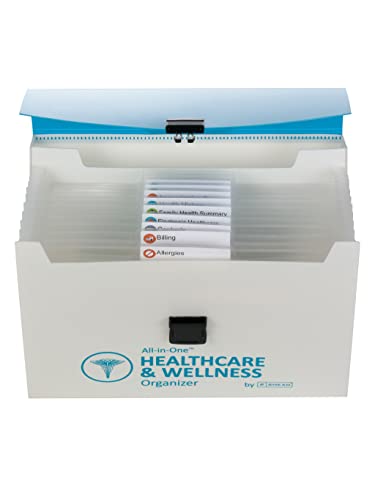
Smead All-in-One Healthcare & Wellness Organizer, 13 Pockets, Letter Size, Flap with Elastic Closure, White/Teal (92070)
View on Amazon- Total annual cost: Add 12 months of premiums + your best estimate of out-of-pocket costs (based on your typical doctor visits, therapy sessions, and prescriptions). Don’t shop on premium alone.
- Network near campus and home: If you go home on breaks, check both areas. PPOs tend to have broader networks; HMOs often limit you to a local area except for emergencies.
- Mental health coverage: Therapy copays/coinsurance, session limits, and in-network counselor availability. Many students use this benefit—make sure it’s affordable.
- Prescription coverage: Are your meds on the formulary? Which tier? Is prior authorization required? Are there cheaper therapeutic equivalents?
- Urgent and emergency care: Urgent care centers near campus in-network? What’s covered out of area or out of state?
- Referrals and preauthorizations: Some plans require a referral from a primary care doctor to see specialists. Know the rules to avoid denied claims.
- Plan dates vs. your calendar: Student plans may end in summer; Marketplace plans run calendar year. Avoid gaps during internships or study abroad.
- School waiver requirements: If you’re opting out of a required student plan, confirm your alternative plan meets the school’s minimums and has local network coverage. Keep documentation handy.
Common pitfalls to avoid:
- Assuming your parent’s plan works at school: Confirm network access first. Many schools won’t accept a waiver if your plan lacks local coverage for routine care.
- Picking catastrophic or Bronze without checking your meds: One high-tier prescription can blow the budget.
- Buying short-term insurance expecting full coverage: These plans often exclude preexisting conditions, mental health, maternity, and prescriptions, and can cap total payouts. They may not satisfy school requirements. Rules on duration and renewals vary by state and federal regulation.
Special cases:
- International students: Many schools mandate a specific student plan or strict minimums. Some international students can buy Marketplace plans if lawfully present, but verifying eligibility and getting subsidies can be complex. When studying or traveling abroad, consider travel medical insurance—it’s not major medical, but it can cover emergencies overseas. See: Affordable Travel Insurance for Students: Find the Right Coverage Without Overpaying (/auto-insurance/affordable-travel-insurance-for-students)
- Turning 26 mid-year: Aging off a parent’s plan qualifies you for a Special Enrollment Period—shop early so you don’t have a gap.
- Moving for school: A permanent move to a new ZIP code/state typically triggers a Special Enrollment Period for Marketplace plans.
If you study in Illinois and want state-specific rules and enrollment tips, see Health Insurance in Illinois: Plans, Costs & How to Enroll (/health-insurance/health-insurance-in-illinois-plans-costs-enroll).
Example scenarios to make this concrete
Scenario A: On a parent’s plan, but out-of-network at school
- You’re 19, attending college three states away. Your parent’s EPO has a tight regional network. The nearest in-network primary care is 300 miles from campus.
- Options to consider:
- Stay on the parent plan for catastrophic protection and emergencies (usually covered anywhere), and use campus health for routine care.
- Ask the employer about a national PPO option (even if it costs a bit more, it may cover local care near campus).
- Compare a university student plan or a subsidized Silver plan with a local network. Even if the premium is higher than $0 on the parent plan, the savings on routine visits and mental health care can make it cheaper overall.
Scenario B: Low income with part-time work
- You’re 22, work 15 hours/week, and make about $16,000/year. You live and study in a state with expanded Medicaid.
- Likely path: You may qualify for Medicaid with $0 premiums and minimal copays. Check local provider availability near campus. If you move states for an internship, you may need to reapply in the new state.
Scenario C: Ongoing therapy and ADHD meds
- You’re 24 in grad school, budget-conscious but seeing a therapist twice a month and refilling a name-brand ADHD medication.
- What often pencils out: A Silver plan with cost-sharing reductions (if your income qualifies) or a robust student health plan. The higher premium can be offset by much lower copays for therapy and better formulary placement for your medication. A Bronze plan with a high deductible may look cheap, but two therapy visits a month plus brand-name Rx can cost more overall.
Quick glossary (so you don’t have to Google mid-application)
- Premium: Your monthly payment to keep coverage.
- Deductible: What you pay before the plan shares most costs.
- Copay: Flat fee you pay for a service or drug.
- Coinsurance: Percentage you pay after the deductible.
- Out-of-Pocket Maximum: Your annual cap for covered, in-network costs.
- Network: The doctors, hospitals, and clinics that have contracts with your plan.
Your next step
- Make a short list: Parent plan, your school’s student plan, and 1–2 Marketplace options (usually a subsidized Silver and a Bronze). If your income is low, include Medicaid in the list.
- Check the three big variables: Network near campus, mental health coverage you’ll use, and prescription costs for your actual meds.
- Compare total yearly cost, not just the monthly premium.
Helpful, not pushy CTA: Want real numbers? The fastest way to see what you would actually pay is to compare quotes from 3–5 carriers. You’ll immediately see if you qualify for subsidies and which networks cover doctors near campus.
A quick note: For personalized guidance, it’s wise to speak with a licensed health insurance agent. They can walk you through eligibility, subsidies, and network questions based on your specific situation and state.
You’ve got this—line up your options today, pick the plan that covers the care you’ll actually use, and keep more money in your pocket while you study.
Recommended Resources
Never Pay the First Bill: And Other Ways to Fight the Health Care System and Win: Allen, Marshall
Drawing on 15 years of investigating the health care industry, reporter Marshall Allen <strong>shows how companies and individuals have managed to force medical providers to play fair, and shows how y
Safety First Aid Group Economy First Aid Kit BS 8599 Compliant, Small Fully Stocked
First Aid Only 298 Piece All-Purpose ... & Home, Businesses - Bonus Mini Kit for Medical Emergency Aid, Survival, Camping - <strong>FSA & HSA Eligible</strong> - 348 Pcs, Large Hardcase FAK...
Smead All-in-One Healthcare & Wellness Organizer, 13 Pockets, Letter Size, Flap with Elastic Closure, White/Teal (92070)
Healthcare documents are stored ... or the hospital. Flap and cord closure adds protection and security. <strong>File includes 12 expanding pockets</strong>....
Related Articles
- Affordable Travel Insurance for Students: Find the Right Coverage Without Overpaying
- Finding Affordable Health Insurance: Smart Ways to Lower Costs and Get Covered
- Best Insurance for College Students: Health, Auto, Renters & More
- Health Insurance with Low Premiums: How to Save Smartly and Avoid Costly Surprises
- Cheap Life Insurance for Young Adults: How to Get Affordable Coverage without Overpaying
- Affordable Travel Insurance for Travelers: Get Smart Coverage Without Overpaying
- Finding Affordable Health Insurance Plans: A Practical Guide to Lower Costs and Better Coverage
- How to Find Cheap Life Insurance: Smart Ways to Lower Your Premiums Without Sacrificing Coverage